
 Admin
Admin 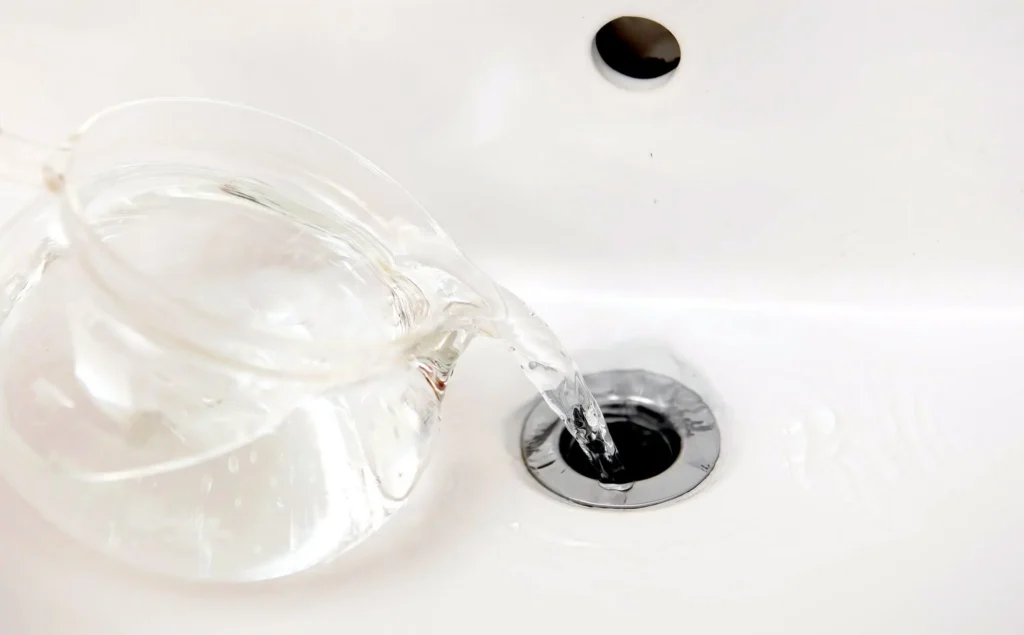
A blocked drain in South East England typically costs between £80 and £450 to fix, while a collapsed pipe requiring excavation can run to £3,000 or more. Here’s exactly what determines where you land on that scale, and why the most common drainage problems are almost always cheaper to prevent than to cure.
Common Drainage Problems Start Small, Then Escalate Fast
The Myth: “It’s Just a Slow Sink, It’ll Sort Itself Out”
Most homeowners assume a sluggish sink or a faint smell from the gulley is a minor annoyance rather than a warning sign. In reality, slow drainage is almost always the first stage of a blockage forming somewhere in the pipe run. Grease, soap scum, hair and food waste don’t wash away completely; they cling to the inside of the pipe wall and narrow the channel a little more every week.
By the time water is visibly backing up, the blockage has often been building for months. What could have been cleared with a simple flush or a light jetting visit becomes a job that needs specialist equipment and more of your time and money. The truth is that common drainage problems rarely appear overnight, they announce themselves quietly first, and most people just aren’t listening.
Why Prevention Beats Reaction Every Time
Under the Water Industry Act 1991, homeowners are responsible for the drains within their own property boundary, with shared and public sewers managed by the local water company. That means the small daily habits inside your home, what goes down the sink, how often gutters are cleared, whether tree roots are monitored near old pipework, sit squarely in your control. A five-minute check each season costs nothing. A collapsed drain under a driveway does not.
What Common Drainage Problems Actually Look Like on the Ground
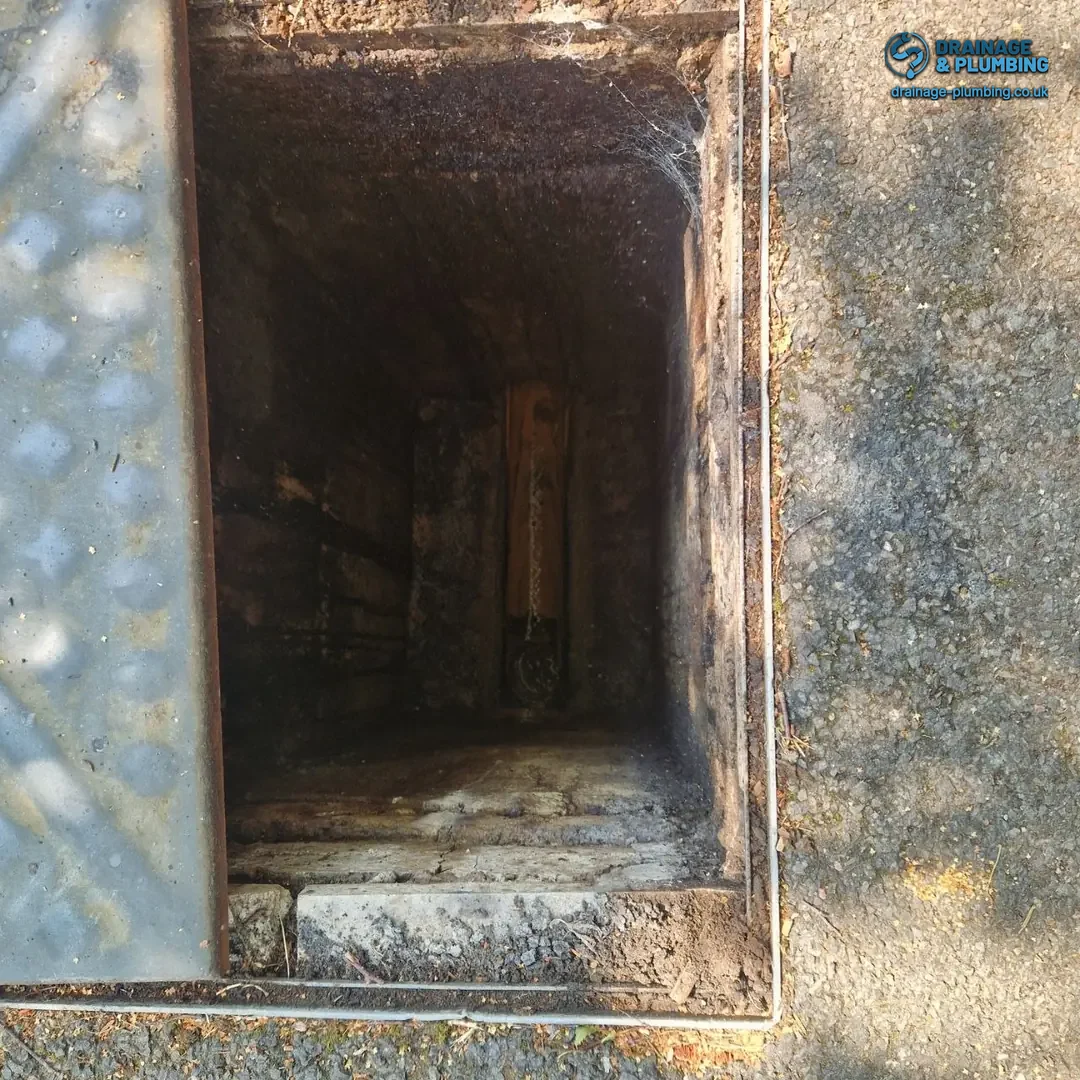
On a quiet cul-de-sac in Epsom, a family noticed their kitchen sink taking longer to drain each week but put it down to “old pipes.” Within a month, the smell had spread to the utility room and the downstairs toilet began gurgling every time the washing machine emptied. A CCTV survey revealed a thick collar of fat, oil and grease had built up over several years at a junction just past the property boundary, narrowing the pipe to a fraction of its original diameter. What started as a two-minute inconvenience became a same-day emergency callout, cleared with high-pressure jetting once the blockage was properly located.
Blocked Drains and Toilet Blockages
Blocked drains remain the single most common call we take across Croydon, Sutton, Bromley and the wider region. Food waste, hair, grease and wet wipes are the usual culprits in kitchens and bathrooms, while outdoor drains are more often blocked by silt, leaves or tree root ingress. Toilet blockages follow a similar pattern: too much paper, sanitary products, or items that were never meant to be flushed. In both cases, we locate the blockage first using a CCTV camera where needed, then clear it with rodding or jetting rather than guessing and hoping.
Fat, Oil and Grease Build-Up, and Root Intrusion
FOG build-up is particularly common near kitchens, restaurants and takeaways, where hot grease is poured away and solidifies further down the pipe as it cools. Left unchecked, it hardens into a near-solid mass that jetting alone may need several passes to shift. Tree root intrusion causes a different kind of damage: roots seek out moisture through the smallest crack or joint, then expand and eventually crack the pipe from the inside. Both problems tend to recur if the underlying cause isn’t addressed, which is why we always explain what’s likely to happen again and how to stop it.
Fixing Common Drainage Problems the Right Way, Not the Quick Way
Diagnosis Before Any Tool Touches the Pipe
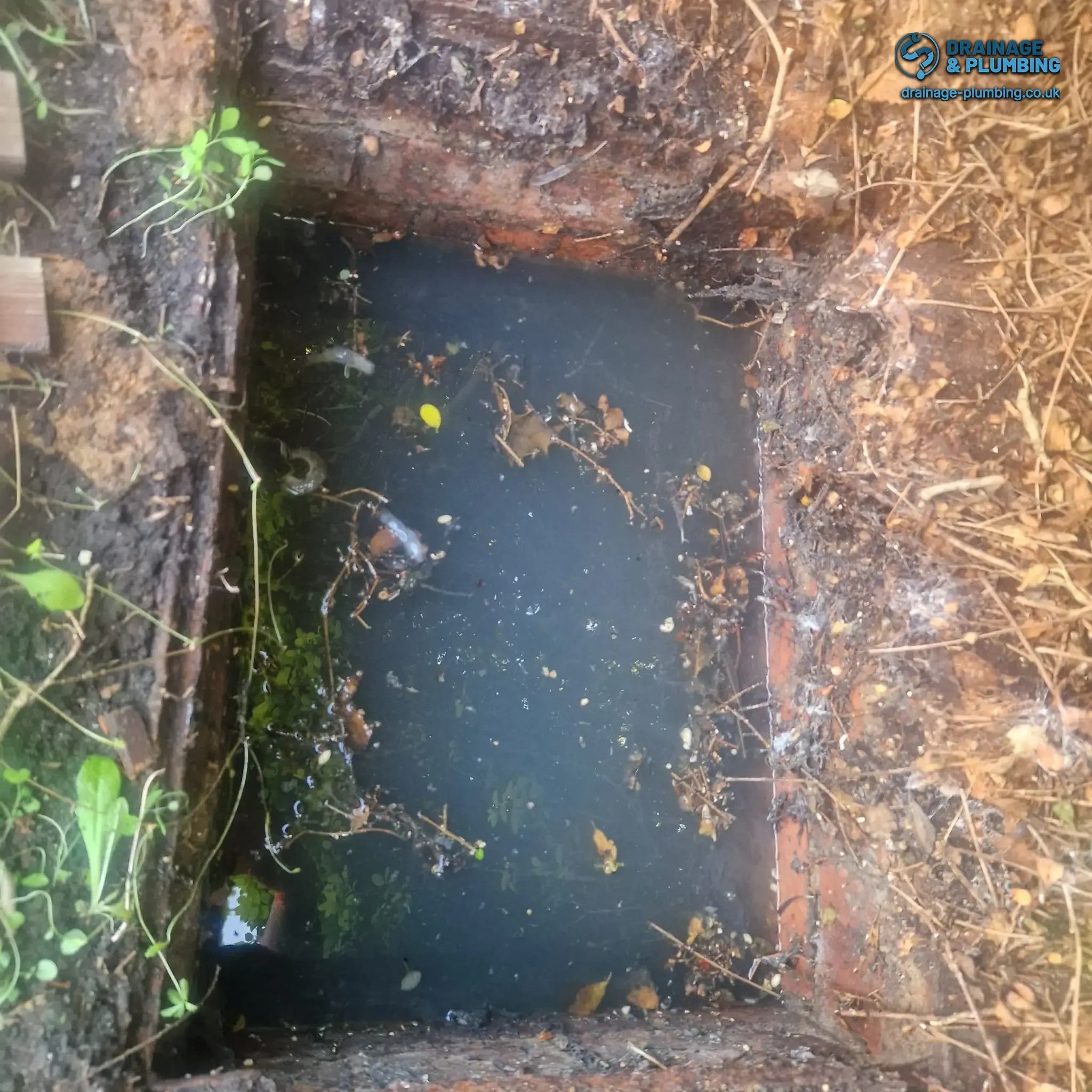
The biggest mistake in drainage repair is treating the symptom without confirming the cause. A CCTV survey removes the guesswork, showing exactly where a blockage sits, whether a pipe has cracked, or whether root ingress has already caused structural damage. Design and construction of drainage systems in the UK is guided by BS EN 752, the British Standard covering drain and sewer systems outside buildings, and any lasting repair should reflect that same standard of care rather than a temporary patch. For guidance on maintaining private drains and shared responsibilities, the Water Regulations Advisory Scheme is a useful reference point, and further detail on statutory responsibilities sits within the Water Industry Act 1991 itself.
Once the cause is confirmed, the fix should match the severity. A straightforward blockage needs jetting or rodding. A cracked or collapsed section further down the line may need trenchless relining rather than full excavation, which keeps your garden or driveway intact and the job finished faster. If you’re weighing up which clearing method suits your situation, our guide on jetting versus rodding breaks down when each approach makes sense.
Seasonal Risk and Long-Term Prevention
Many of the common drainage problems we’re called out for peak at predictable times of year. Heavy autumn leaf fall clogs gutters and downpipes, while winter frost can crack exposed pipework and freeze standing water in gullies, both of which we cover in more depth in our piece on preparing for winter drainage issues. Heavy summer downpours, meanwhile, can overwhelm systems that haven’t been cleared since spring. A seasonal check, ideally before each of these peaks, catches small build-ups before they become emergencies, and it’s a far cheaper habit than an out-of-hours callout. If you’re ever caught out despite your best efforts, it helps to know what a genuine emergency response looks like in practice, which we’ve set out in our piece on emergency drainage callouts in Esher.
Whichever stage you’re at, whether it’s a sink that’s just started running slow or a smell you can’t quite place, the underlying lesson is the same one that family in Epsom learned the hard way: common drainage problems are always easier and cheaper to deal with early. A quick inspection today can save you an excavation tomorrow, and that peace of mind is worth far more than the five minutes it takes. To find out more about our engineers and how we work across South East England, visit our About Us page.
No comments yet. Be the first to leave a review.
Comments are closed for this post.