
 Admin
Admin 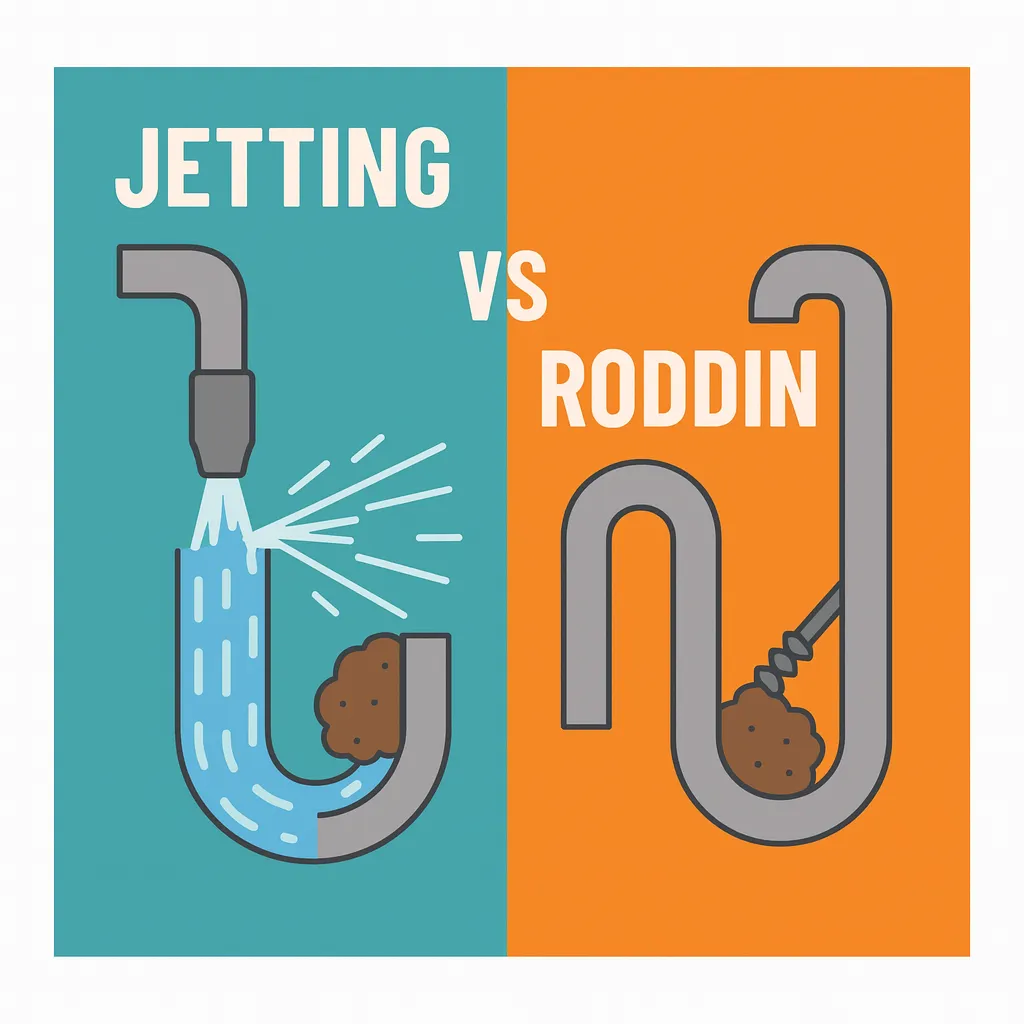
Nearly three-quarters of UK household drain blockages that get professionally cleared involve fat, oil, grease, or root ingress rather than the simple paper clog most homeowners picture — which is exactly why the jetting vs rodding drain cleaning debate matters more than people think. Pick the wrong method and you can pay twice: once for a temporary fix, then again when the blockage returns within weeks. This guide breaks down both methods honestly, tells you what’s safe to try yourself, and shows you where professional help becomes essential.
Jetting vs Rodding Drain Cleaning: The Core Difference
Think of it like this: rodding is a hand pushing a stick down a pipe to physically shove a blockage out of the way, while jetting is a pressure washer on steroids that scours the entire pipe wall clean as it travels through. Both dislodge blockages, but only one of them actually cleans the pipe afterwards.
Drain rodding uses a series of flexible polypropylene rods, usually joined with brass connectors, pushed and twisted through the pipe until they meet resistance and break it up. It’s a mechanical, manual technique that’s been used in UK drainage for generations. Drain jetting, by contrast, feeds a hose fitted with a specialist nozzle into the pipe and pumps water through at very high pressure — often several thousand psi — blasting debris apart and washing the pipe walls at the same time.
Here’s the quick-reference comparison our engineers talk homeowners through on almost every callout:
| Feature | Jetting | Rodding |
|---|---|---|
| Method | High-pressure water | Manual rods |
| Best for | Fat, grease, scale, roots | Localised solid clogs |
| Cleans pipe walls | Yes, thoroughly | No, only clears the blockage |
| Reach | Long-distance, handles bends | Limited, struggles with bends |
| Typical speed | Fast for tough or deep clogs | Fast for minor, shallow issues |
| Relative cost | Slightly higher | Lower for small jobs |
| Risk to old pipework | Low when used correctly | Higher if misused by an inexperienced hand |
When Rodding Is the Right Call — and What You Can Try Yourself
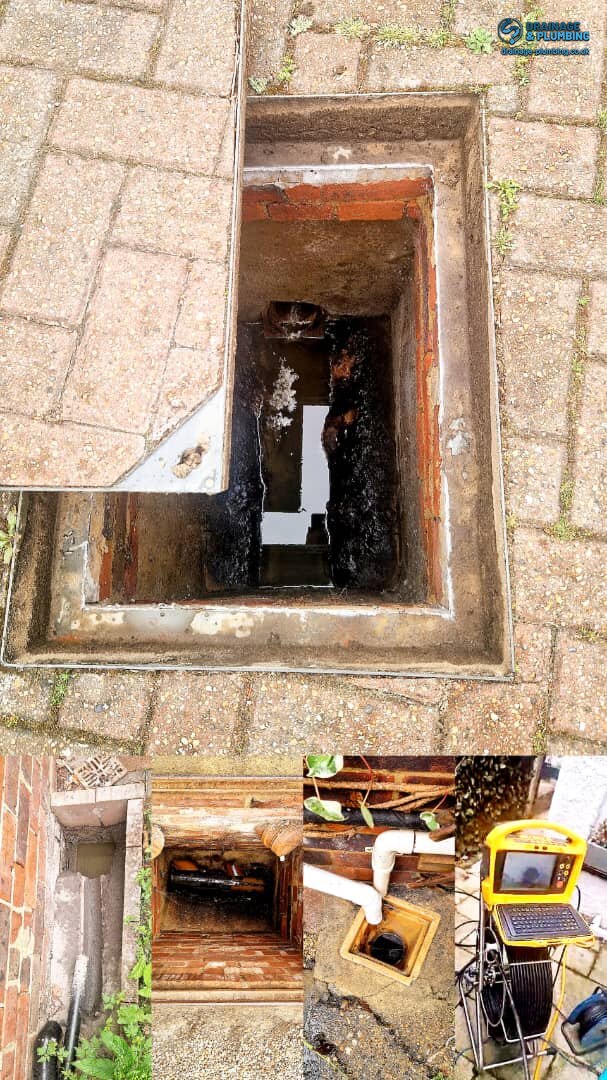
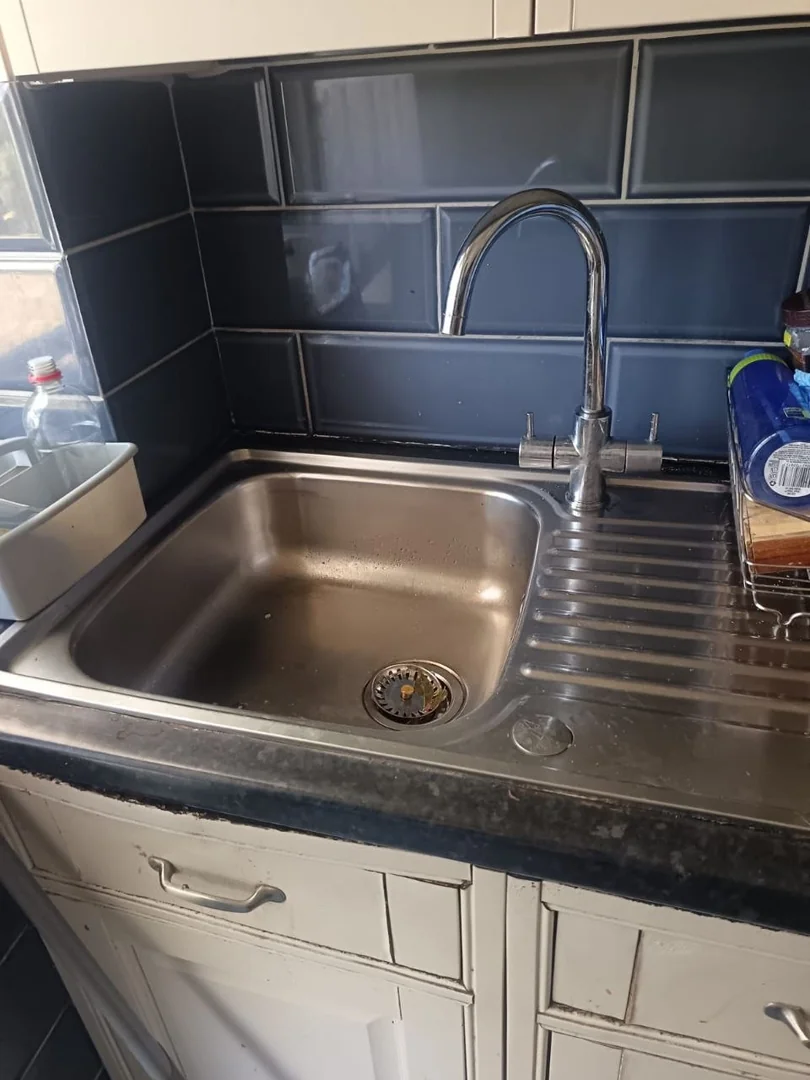
Rodding earns its place because it’s quick, cheap, and genuinely effective against straightforward, shallow blockages. If a toilet, sink, or nearby manhole is blocked with a solid, localised obstruction, rodding will often clear it in minutes without any need for machinery.
A homeowner can safely attempt some of the groundwork here. A plunger, a drain rod set from a hardware shop, or lifting an external manhole cover to check for a visible blockage are all reasonable first steps. Here’s what’s within a homeowner’s safe DIY boundary:
- Using a plunger on a blocked toilet or sink before calling anyone
- Checking and clearing an accessible external gully of leaves or debris
- Lifting a manhole cover to see whether the blockage is before or after that chamber
- Using a short, flexible drain rod kit on a shallow, visible clog
- Avoiding chemical drain unblockers on older or unknown pipework, since they rarely reach the actual blockage and can damage certain pipe materials
Where you must stop and call a professional: if the blockage is deeper than a metre or two, if water is backing up in multiple fixtures at once, or if you can’t see or reach the obstruction. Pushing rods too hard or at the wrong angle can puncture older clay or fragile plastic pipework, turning a simple blockage into a costly repair. That risk is precisely why trained engineers, not guesswork, should handle anything beyond the basics.
When Jetting Is the Right Call
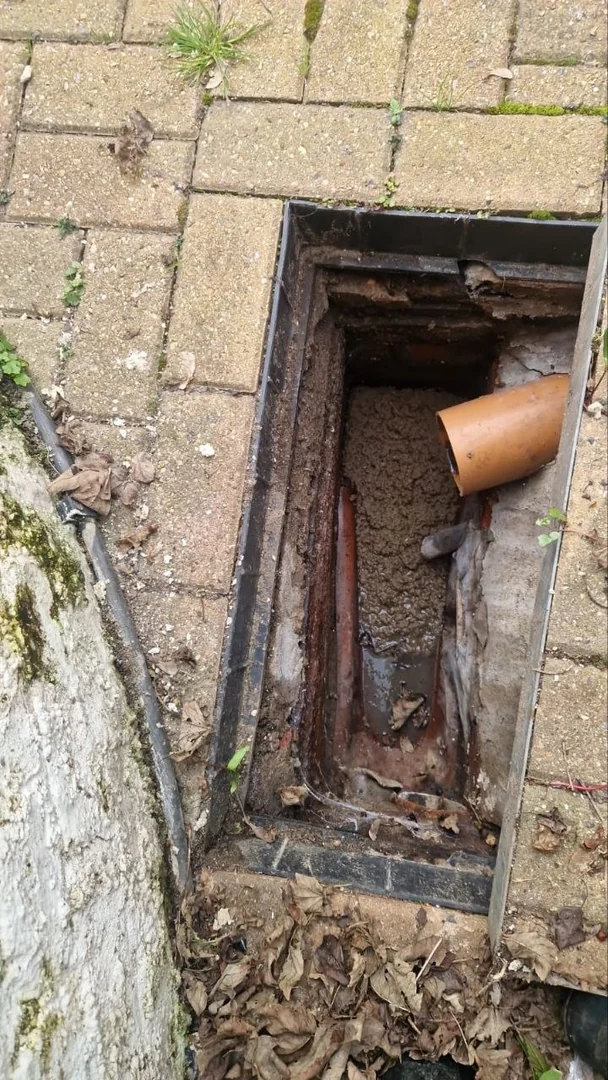
Jetting is the tool for anything rodding can’t reach or can’t clean. It’s particularly effective against fat, oil and grease (FOG) build-up, tree root intrusion, scale, and debris from building works or ground erosion. Because the water sprays in a 360-degree pattern as the hose travels, it scours the full internal surface of the pipe rather than just punching a hole through the blockage.
This makes jetting the better long-term fix for recurring problems. A rodded drain might flow again within the hour, but if the pipe walls are still coated in grease, the same blockage tends to reappear within weeks. Jetting removes that residue, which is why commercial kitchens and high-usage properties rely on it as routine maintenance, not just emergency response.
Jetting is firmly outside the DIY boundary. The equipment runs at pressures that can cause serious injury if mishandled, and incorrect nozzle choice or technique can damage pipework instead of cleaning it. This is a job for a qualified engineer, every time.
Common Misconceptions We Correct Every Week
After years of callouts across South East England, the same myths come up again and again. Here are the three we clear up most often.
- “Jetting is always better, so I should ask for it every time.” Not necessarily. For a small, shallow, solid blockage, jetting can be unnecessary and adds cost without extra benefit. A good engineer will recommend the method that fits the problem, not the most powerful tool available.
- “Rodding fixes the problem completely.” Rodding clears the immediate obstruction but doesn’t clean the pipe walls. If the underlying cause is grease or scale build-up, the blockage is likely to return, and jetting is usually needed for a lasting fix.
- “Chemical drain cleaners are a safe substitute for either method.” Shop-bought chemical unblockers rarely reach blockages beyond the first metre of pipe, can be harmful if mishandled, and may corrode certain pipe materials over time. For anything beyond a very surface-level clog, mechanical clearing by rodding or jetting is the safer, more reliable route — a point we expand on in our guide to common drain cleaning myths.
How a Professional Decides Between the Two
When our engineers arrive on site, the decision isn’t guesswork. Four factors drive the choice every time: how severe the blockage is, how accessible the pipe is, whether the problem is recurring, and what type of debris is causing it. Fat, oil, scale and roots point towards jetting; a single solid object or shallow clog usually points towards rodding.
Where it isn’t obvious, the engineer works out what he is dealing with before picking a method, which avoids unnecessary work and protects older pipework from the wrong treatment. This diagnostic step matters especially in areas with ageing clay drainage, common across Wallington, Carshalton and nearby boroughs, where decades-old pipe runs need a gentler touch than a modern PVC system.
Water companies and drainage professionals in the UK work to standards set out under the Water Industry Act and design guidance such as the Water Regulations Advisory Scheme, which is one reason DIY chemical treatments and forceful rodding on unknown pipework carry real risk — both to the homeowner and to the wider drainage network. Fat, oil and grease disposal habits play a bigger role in blockages than most people realise; see our guide on disposing of cooking grease properly for practical prevention tips.
Frequently Asked Questions
Is jetting or rodding better for a blocked toilet?
Rodding is usually sufficient for a blocked toilet, since the obstruction is typically shallow and localised. Jetting is reserved for deeper or more stubborn blockages further down the system.
Can I rod my own drain safely?
You can attempt a shallow, visible blockage with a basic drain rod kit, but stop if you meet strong resistance or the blockage is more than a metre or two deep — forcing rods risks damaging the pipe.
How much does jetting a drain cost compared to rodding?
Jetting typically costs more than rodding because of the specialist equipment involved, but it often works out cheaper long-term by preventing the repeat callouts that untreated grease build-up causes.
Does jetting damage old pipes?
When carried out by a trained engineer using the correct nozzle and pressure, jetting is safe on most pipe materials, including older clay. Damage risk comes from inexperienced use, not the method itself.
Getting the Right Fix the First Time
Both drain rodding and high-pressure jetting are essential tools, and neither one is universally “best” — the right choice depends on blockage severity, pipe location, recurrence, and the type of debris involved. A proper look at it on site removes the guesswork and protects your pipework from the wrong treatment.
If you’re facing a stubborn or recurring blockage, our engineers carry both rodding and jetting equipment on every callout across South East England, so the right method gets used from the first visit. For homeowners weighing up repair costs against a full fix, our guide to drain repair costs and insurance is worth a read before you commit to any works, and if blockages keep recurring across your property, our overview of common drain problems in South East England covers the wider warning signs to watch for.
Call us on 07771 200075 or email support@drainage-plumbing.co.uk for a fast, honest assessment — our engineers arrive within 60 minutes across Croydon, Sutton, Kingston upon Thames, Guildford and the surrounding areas, with no call-out fee and fixed pricing before any work begins.
No comments yet. Be the first to leave a review.
Comments are closed for this post.