
 Admin
Admin 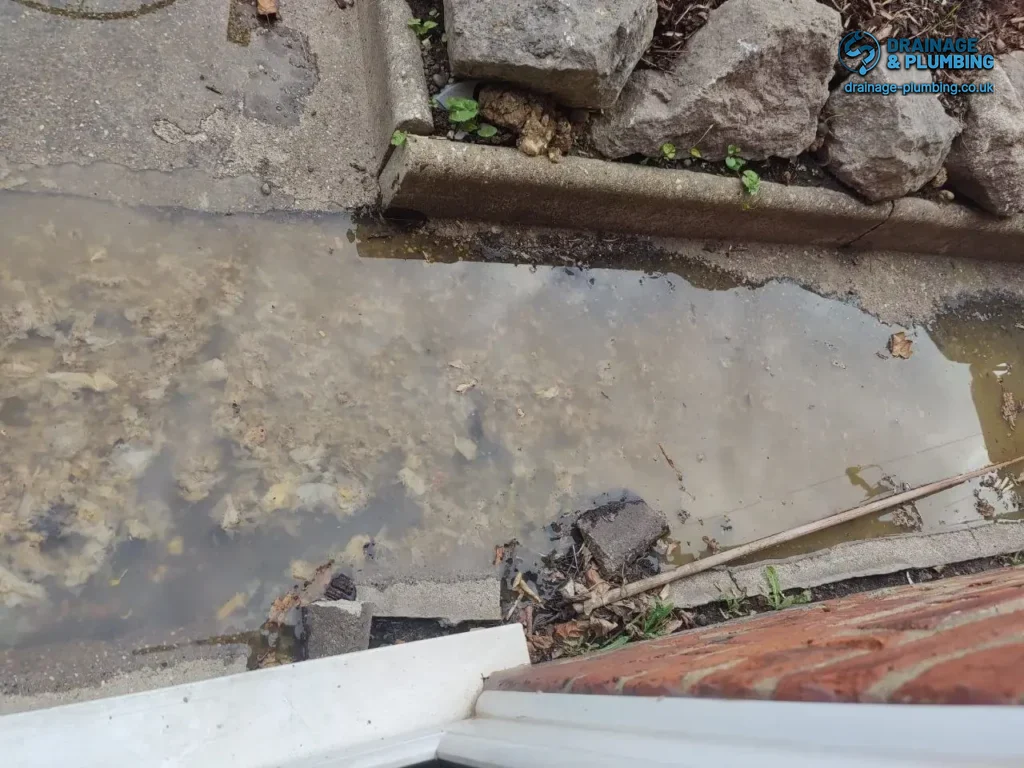
If your drain is blocked, the first question worth answering is not “who do I call” — it is “whose drain is it”. Get that right and the blockage is often cleared free of charge by Thames Water. Get it wrong and you pay for a callout you never needed, or you wait days for a company that was never going to come.
This guide sets out where the boundary actually falls, how to work out which side of it your blockage is on, and what to do in each case.
The short answer
- Thames Water is responsible for the public sewer, and for lateral drains — the length of pipe carrying your waste once it has passed beyond your property boundary. They are also responsible for any drain shared with one or more neighbouring properties, even where that pipe runs underneath your own garden.
- You are responsible for the drains inside your property boundary that serve only your property — the pipes from your sinks, toilets and gullies up to the point where they leave your land or join a shared run.
This is not a Thames Water policy, it is national. On 1 October 2011 most private sewers and lateral drains in England and Wales were transferred by law to the regional water and sewerage companies. A great many homeowners still do not know this happened, and pay for work on pipes they have not owned for over a decade.
How to tell which one you have
You rarely need a survey to work this out. Three checks cover most properties:
1. Ask the neighbours. This is the most useful single question. If the houses either side of you are having the same trouble at the same time, the blockage is almost certainly in a shared run or the public sewer — which makes it Thames Water’s to clear, at no cost to you. If it is only your house, it is very likely your own pipework.
2. Lift the inspection chamber covers. Work outwards from the house. A chamber that is running clear tells you the blockage is downstream of it; a chamber standing full of water tells you the blockage is somewhere after that point. The last chamber before your boundary is the key one — if that is full, the problem has moved onto Thames Water’s side of the line.
3. Look at what is affected indoors. One sink or one toilet backing up on its own is a local blockage in that branch. Everything in the house going at once — toilets, baths, the washing machine — means the problem is in the main run out of the property, which is where the boundary question starts to matter.
If it looks like theirs, report it
Thames Water take reports of blocked sewers and lateral drains 24 hours a day, and attend free of charge where the blockage turns out to be on their asset. You can report it through the report a problem section of their website, which also lists their current emergency phone number — worth using rather than an old number saved in your phone, as these do change.
Two things worth knowing before you call. They will ask whether neighbouring properties are affected, so check first — it speeds things up considerably. And if they attend and find the blockage was on your private drainage after all, they can charge you for the visit, which is why the checks above are worth ten minutes.
If it is yours
Then it is a normal drain unblocking job and you can have it dealt with the same day. Most private blockages are one of four things: fat and grease from the kitchen, wet wipes, root ingress at a joint, or a partial collapse in older clay pipework.
The first two clear easily with jetting. The last two will come back — sometimes within weeks — because the pipe itself is the problem rather than what is in it. If your drain has blocked more than once in the same place, read our guide on how to tell if you have a collapsed drain before paying for a third clearance.
Not sure whose drain it is? Send us a photo of the open chamber on WhatsApp and we will tell you honestly whether to call Thames Water instead of us — we would rather do that than charge you for a job that is free elsewhere. If it is yours, call 07771 200075. We cover Croydon, Sutton, Bromley, Purley, Coulsdon, Kenley and the surrounding Surrey and South London area.
“Thames Water approved” drainage contractors
This phrase comes up a lot in searches and it is worth being straight about it. Thames Water use their own contractors for work on their own assets. There is no public “approved installer” scheme that a homeowner needs to check before hiring someone to clear a private drain.
What actually matters when choosing a firm for private drainage work is that they are insured, that they will tell you what they found rather than just invoicing, and that they will show you the blockage before and after. Anyone quoting for a repair should be able to justify it with evidence, not just an opinion.
Who pays for the damage, not just the blockage
If a blockage on Thames Water’s side has backed up and flooded your property, that is a separate matter from clearing it, and they have a compensation process for sewer flooding. If the blockage was on your own private drain, clearing it is your cost — but resulting damage may be a buildings insurance question. We cover where that line falls in are blocked drains covered by home insurance.
Either way, take photographs before anything is cleared or cleaned up. Once the water has gone, so has most of the evidence.
No comments yet. Be the first to leave a review.
Comments are closed for this post.