
 Admin
Admin 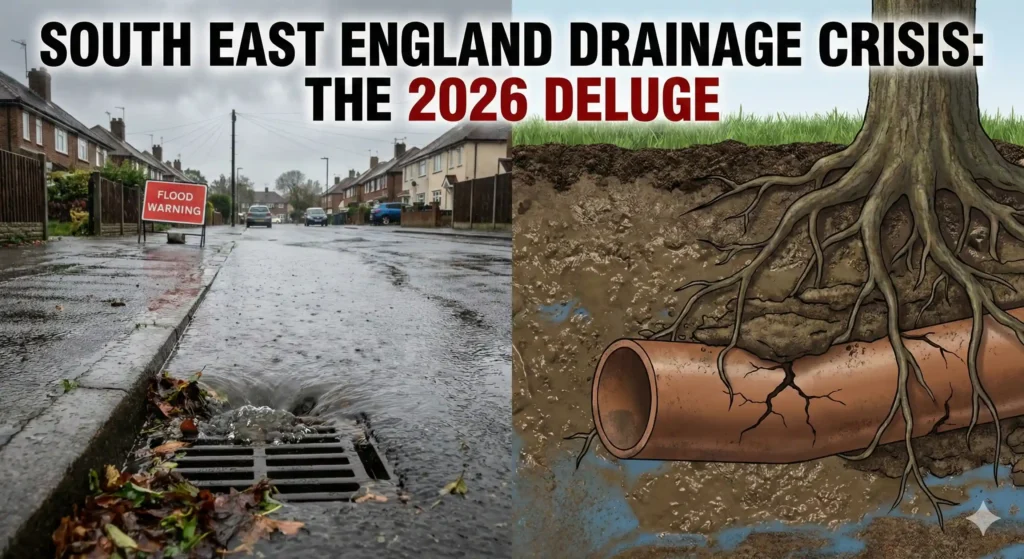
The Case File: A Gurgling Toilet at 11pm
It starts small. A homeowner in Croydon flushes the downstairs toilet and hears a low gurgle, then watches the water rise instead of fall. Outside, the gully by the back door has been overflowing for two days straight. Within 24 hours, that same drain backs up into the kitchen sink. Blocked drains after heavy rain rarely announce themselves as an emergency on day one — they build, and by the time water is coming back up through the lowest point in the house, the underlying damage may already be structural.
This is the pattern engineers see every time prolonged rainfall hits the South East. The ground stops absorbing water, the sewer network backs up, and pipes that have coped for decades suddenly fail. Understanding the timeline — symptom, cause, treatment — is the difference between a £150 callout and a five-figure excavation.
Symptoms First: How to Read What Your Drains Are Telling You
Like any diagnosis, the story your drains tell depends on which symptoms show up first and how quickly they escalate. Treat these as vital signs, not background noise.
The early warning signs
A gurgling toilet or sink after use means air is trapped behind a partial blockage. Slow-draining water in the shower or bath is the next stage, usually signalling that silt or debris is narrowing the pipe. Both are common when blocked drains after heavy rain start pushing groundwater and surface debris into a system that’s already near full capacity.
The red-flag signs
A sewage smell indoors means the water trap protecting your home has failed or the line is completely full. Sinkholes, soft patches on the lawn, or a dip in the driveway suggest soil has already washed into a cracked or collapsed pipe below. If you’re seeing any of these, this is the decision point: stop monitoring and get a professional assessment — see our guide on how to tell if you have a collapsed drain issue before you decide whether it’s safe to wait.
Possible Causes, Ranked: Why Heavy Rain Breaks Drains That Worked Fine Before
Not every blockage after a storm has the same cause, and the treatment depends entirely on which one you’re dealing with. Ranked roughly by how urgently each needs attention:
Ground saturation and hydrostatic pressure
When soil around a property stays waterlogged for an extended period, it can no longer support pipework the way dry, compacted ground does. The weight of saturated soil presses against pipe walls from the outside, while the soil itself turns to slurry and shifts. That movement shears joints, cracks inspection chambers, and displaces sections of pipe that had been stable for years. Sewer networks designed to BS EN 752 standards for storm and surface water drainage are built with capacity margins, but sustained, exceptional rainfall can still push local systems past their limit, as the Met Office’s rainfall records regularly confirm.
Root intrusion and silt build-up
Softened ground lets tree roots travel faster and further than usual, and they head straight for the moisture inside a pipe through any existing hairline crack. Separately, storm runoff washes mud, leaves, and grit straight into gullies and the main sewer line, and in shared systems like blocks of flats, that debris plus a minor structural defect is often enough to cause a total blockage at the lowest point in the building. If DIY plunging or a drain rod clears the immediate symptom, that may be all you need for a simple silt blockage; if the water keeps returning within days, the cause is more likely structural, and the right next step is having an engineer find it rather than repeating the same fix.

What Our Engineers Actually See on the Job
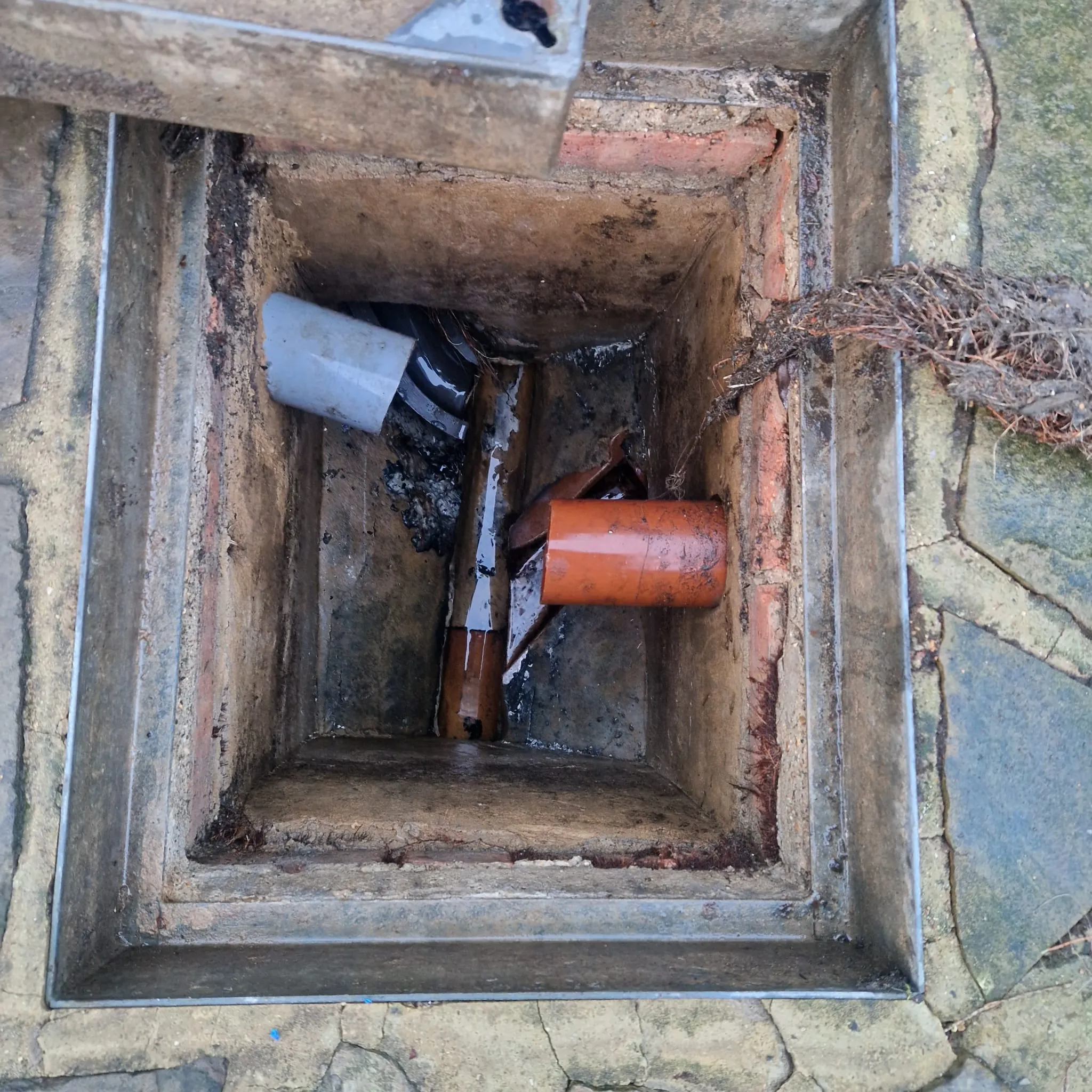
Strip away the marketing language and here’s what a typical call-out looks like during a wet spell. It’s rarely glamorous. Most jobs start with an inspection chamber full of grey water and a customer who’s already tried a supermarket drain unblocker that’s done nothing. The give-away for root intrusion is usually a faint but distinct smell near an external gully, plus a slow, then sudden, drop in flush performance over about a week.
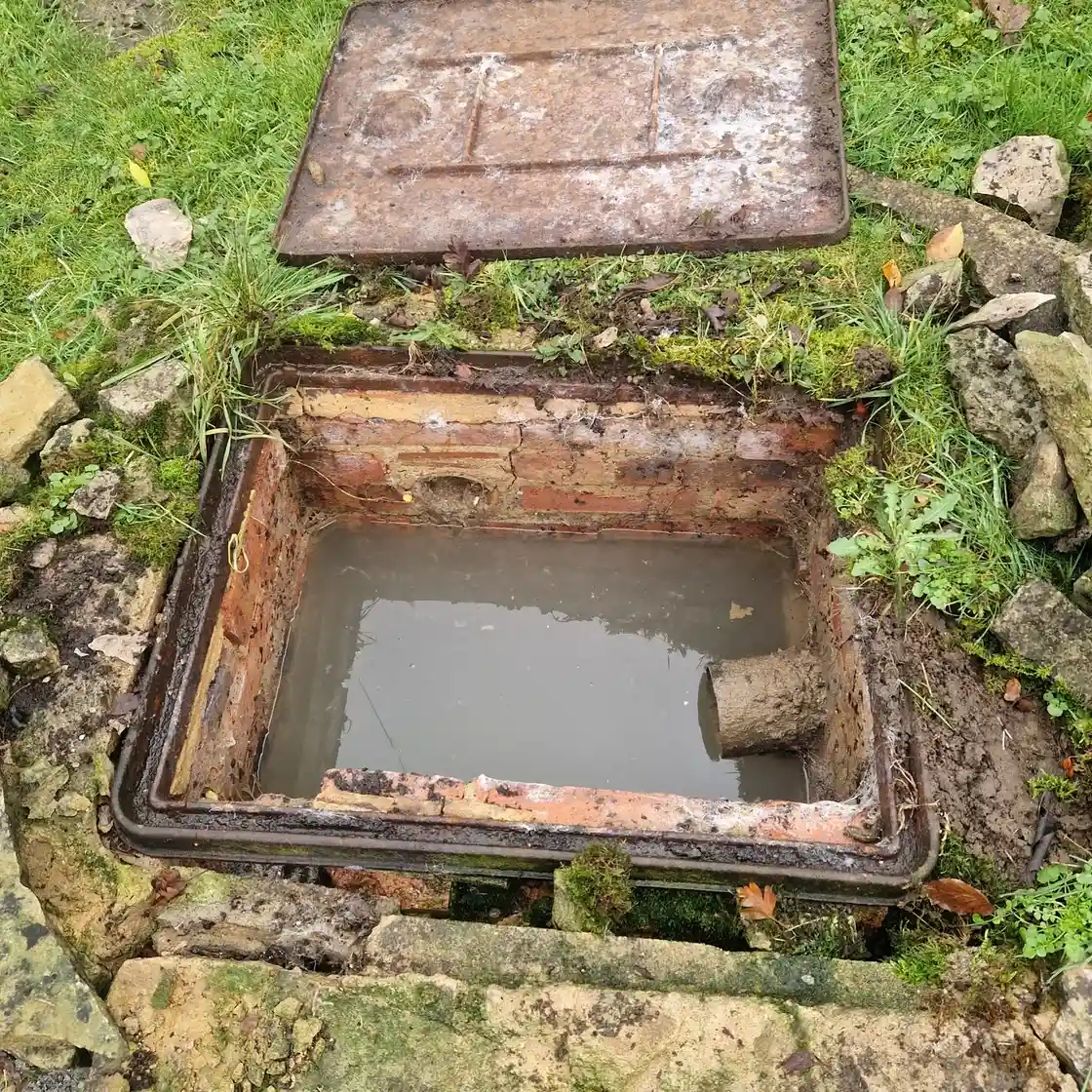
Collapsed chambers are a recurring theme after prolonged wet weather — often triggered by something as ordinary as a delivery van parking on a saturated driveway. The brickwork simply can’t take the load once the surrounding soil has turned soft. On shared drainage in blocks of flats, the tell-tale sign is that the ground-floor flat gets hit first, because waste from every level above forces its way out at the lowest accessible point. Jetting clears the immediate blockage in most cases, but where the pipe itself is cracked or offset, no amount of jetting fixes that — only excavation or a lining repair will.
Treatment Options, From Least to Most Invasive
Once the cause is clear, treatment should match the severity, not jump straight to the most drastic (and expensive) option.
First line: clearing and inspection
High-pressure water jetting removes silt, grease, and root growth without disturbing the pipe. It’s almost always the first response, and for many cases of blocked drains after heavy rain, it resolves the immediate problem outright. Where it doesn’t, or where the same drain keeps going, that is the point to establish whether the pipe itself is sound. This is the cheapest point at which to catch a problem: a hairline crack found early might cost a fraction of what a full collapse would. For a sense of typical costs at this stage, see our breakdown of what a drain unblock costs in the UK.
Escalation: patch repairs and excavation
Where the pipe is fractured or an inspection chamber has buckled, jetting alone won’t hold. A structural patch liner can repair a cracked section without full excavation in many cases; a collapsed chamber typically needs to be dug out, rebuilt with reinforced materials, and backfilled with stable aggregate to stop the same soil movement causing a repeat failure. If you’re already seeing sewage backing up into the property, this isn’t a wait-and-see situation — read what actually happens if you delay in our piece on ignoring emergency drainage problems before deciding to hold off.
Resolution: Closing the Case
Back to that gurgling toilet at 11pm. In the scenario that plays out well, the homeowner calls a drainage engineer the same night rather than waiting to see if it clears on its own. The engineer finds a hairline crack the next morning, not yet a collapse. A same-day patch liner fixes it for a modest cost, and the household is back to normal within a day.
In the version that goes badly, the same crack is left through another week of rain. Root growth widens it, the chamber floods, and what could have been a simple repair becomes an excavation project running into the thousands. The distinction between those two outcomes isn’t luck — it’s how quickly the warning signs are acted on when blocked drains after heavy rain first appear.
Regulatory guidance from bodies such as the Water Industry Act 1991 and standards maintained by the Water Regulations Advisory Scheme exist precisely because drainage failures have public health consequences, not just property ones. Treat early symptoms accordingly.
If your property is in the South East and you’re dealing with any of the symptoms above, get in touch with Drainage & Plumbing Ltd for a fast, honest assessment before the next downpour makes the decision for you.
No comments yet. Be the first to leave a review.
Comments are closed for this post.