
 Admin
Admin 
Most drainage guides tell you to watch for slow water and bad smells and call it a day — but by the time you notice those signs of a blocked drain, the blockage has often been building for weeks. The more useful comparison isn’t “symptom A vs symptom B” — it’s early intervention vs late intervention, and the gap between them is the difference between a £90 jetting visit and a dug-up garden.
The Problem State: How a Small Clog Becomes a Household Emergency
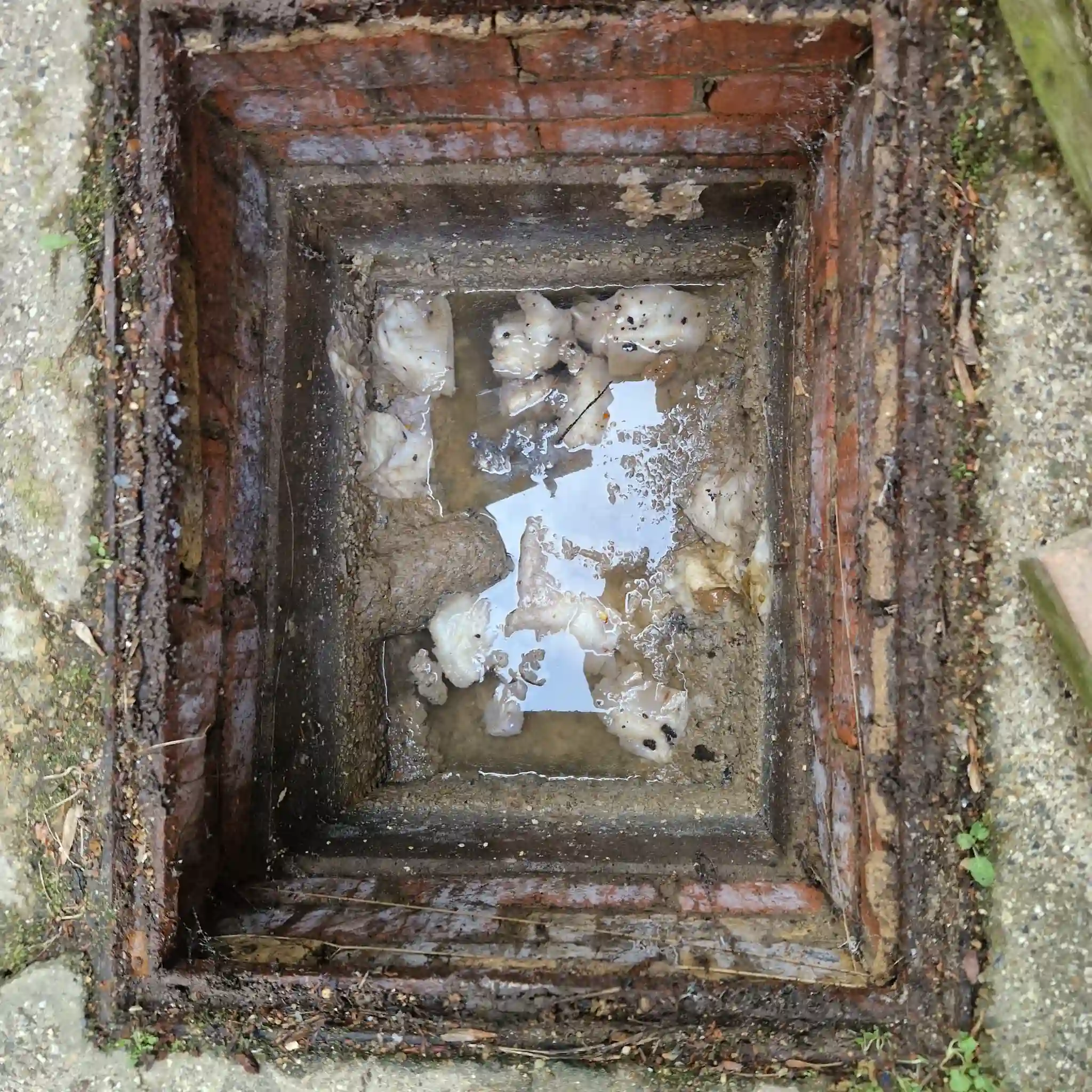
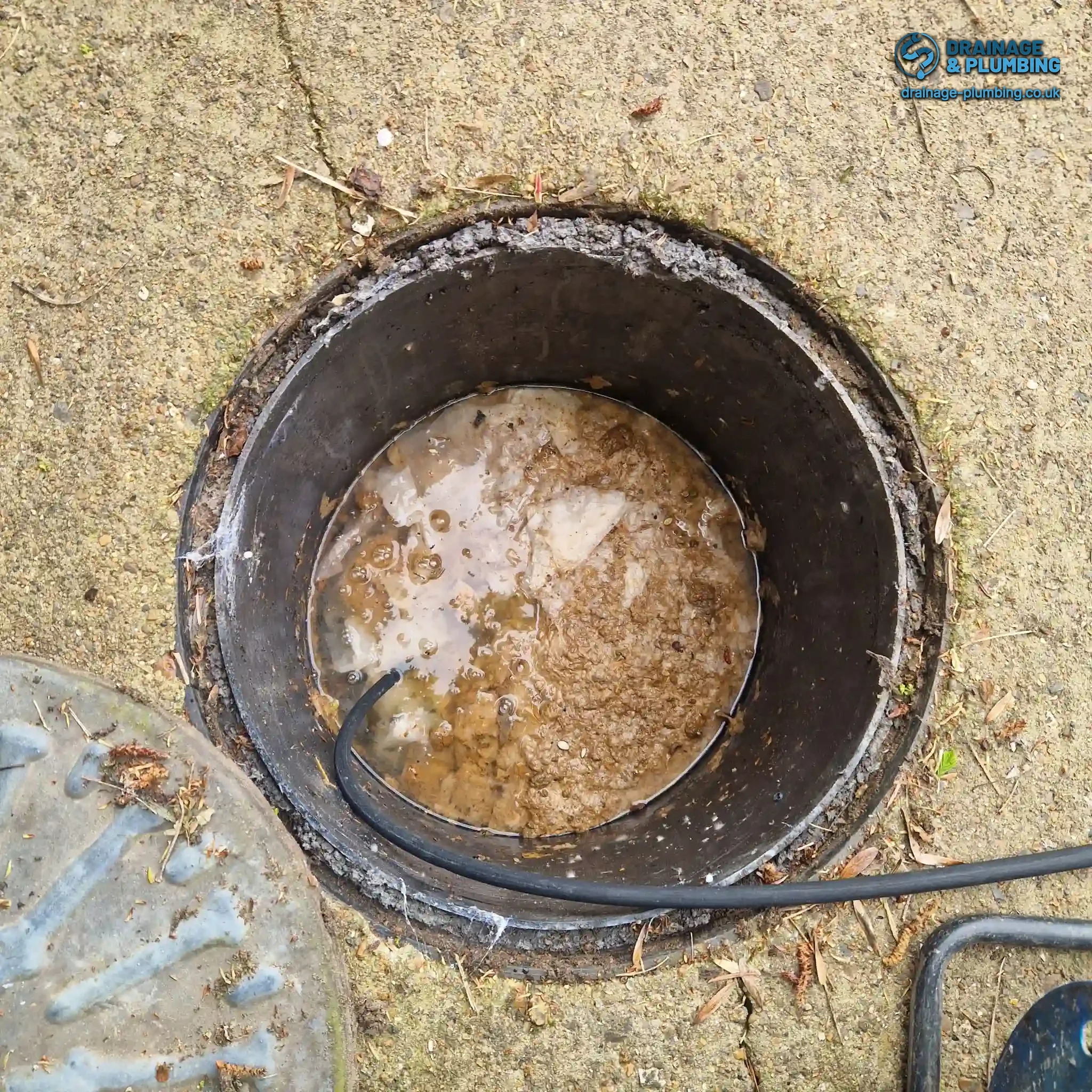
Picture a typical terraced house drain run. Grease from the kitchen sink cools and hardens against the pipe wall. Wet wipes and hair snag on that grease. Over a few weeks, the channel narrows from a clear four-inch bore to something closer to a drinking straw. Nobody notices, because the water still — just about — goes down.
This is the trap: early signs of a blocked drain are quiet and easy to dismiss versus late signs, which are loud, messy and expensive. A sink that drains 20% slower than last month doesn’t feel urgent. A toilet that gurgles when the washing machine empties seems like a quirk, not a warning. But compare the two states side by side and the pattern is obvious — one is a five-minute fix, the other is a callout at 2am.
- Slow-draining sinks, baths or showers, with water pooling for more than 30 seconds
- Gurgling or bubbling noises as trapped air escapes past a partial obstruction
- Unpleasant odours from plugholes, caused by decomposing grease and organic matter
- Water backing up into a sink or toilet when another fixture is used
- Overflowing external gullies or manhole covers after rainfall
- The same blockage recurring every few months despite clearing it yourself
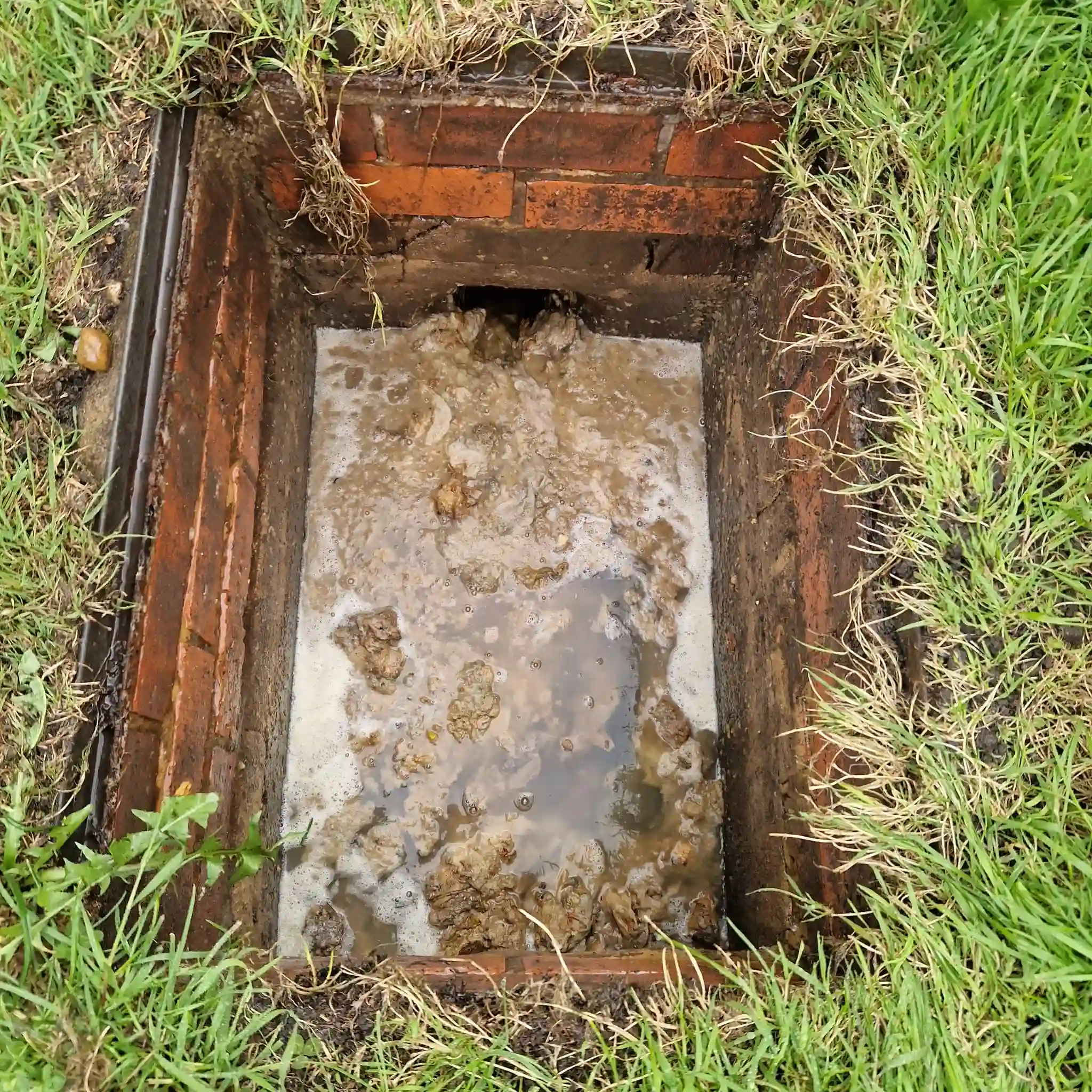
Left unaddressed, these early signs of a blocked drain progress into the late-stage version: standing water in the garden, sewage odour indoors, and in the worst cases, contaminated water entering the home. Under the Water Industry Act 1991, responsibility for the section of drain serving only your property typically sits with you as the homeowner, which is exactly why catching problems early — before they involve the shared sewer — matters financially as well as practically.
“The households that call us at the gurgling stage spend a fraction of what the ones who wait for a backed-up toilet do — it’s rarely the blockage itself that’s expensive, it’s the delay.” — Drainage & Plumbing LTD site engineer
The Resolved State: What a Correctly Diagnosed Drain Looks Like
Compare that chaotic scenario to a property where drains are inspected proactively. Water clears in seconds, not minutes. There’s no odour at the plughole because nothing is decomposing behind it. External gullies run clear even in heavy rain, and the same blockage never repeats because the underlying cause — not just the symptom — was fixed.
Getting from the problem state to this one isn’t guesswork vs guesswork; it’s targeted diagnosis vs blind clearing. A drain rod pushed down a pipe without knowing what’s actually wrong is a coin flip. Checking the run first shows exactly where the obstruction sits, whether it’s grease, root intrusion, or a structural defect such as a cracked or displaced joint — the kind of fault covered by the guidance in WRAS water fittings guidance and assessed against standards like BS EN 752 for drain and sewer design.
Checklist vs Guesswork: How to Respond the Moment You Spot Trouble
Reacting correctly the first time beats trial-and-error every time. Compare a household that reaches for shop-bought chemicals immediately against one that works through a short diagnostic checklist first — the second group avoids the corroded pipework and failed repairs that caustic drain cleaners often cause. Use the steps below as soon as you notice any of the signs of a blocked drain covered above.
- Stop running water into the affected fixture to prevent the blockage from spreading further.
- Check whether the problem affects one fixture only or several at once, as this indicates blockage location.
- Look outside at gullies and manhole covers for overflow or standing water.
- Avoid chemical drain cleaners, which can mask symptoms while corroding older pipework.
- Photograph or note when the symptom started, since timing helps engineers diagnose faster.
- Get a recurring problem looked at properly rather than rodding it again yourself.
- Call a 24/7 emergency drainage team immediately if water is backing up into the home.
For blockages you’re tackling yourself before calling a professional, our guide to clearing blocked drains and knowing when to call a professional walks through safe first steps in more detail.
DIY Rodding vs Professional Jetting: Which Actually Solves It
It’s tempting to compare cost alone — a bag of drain rods versus a callout fee — but that misses the real trade-off. DIY rodding punches a hole through the blockage, letting water pass; high-pressure water jetting strips the full internal diameter of the pipe clean, removing grease, scale and root fragments from the pipe wall rather than just the centre channel. One buys you a few weeks; the other resets the pipe.
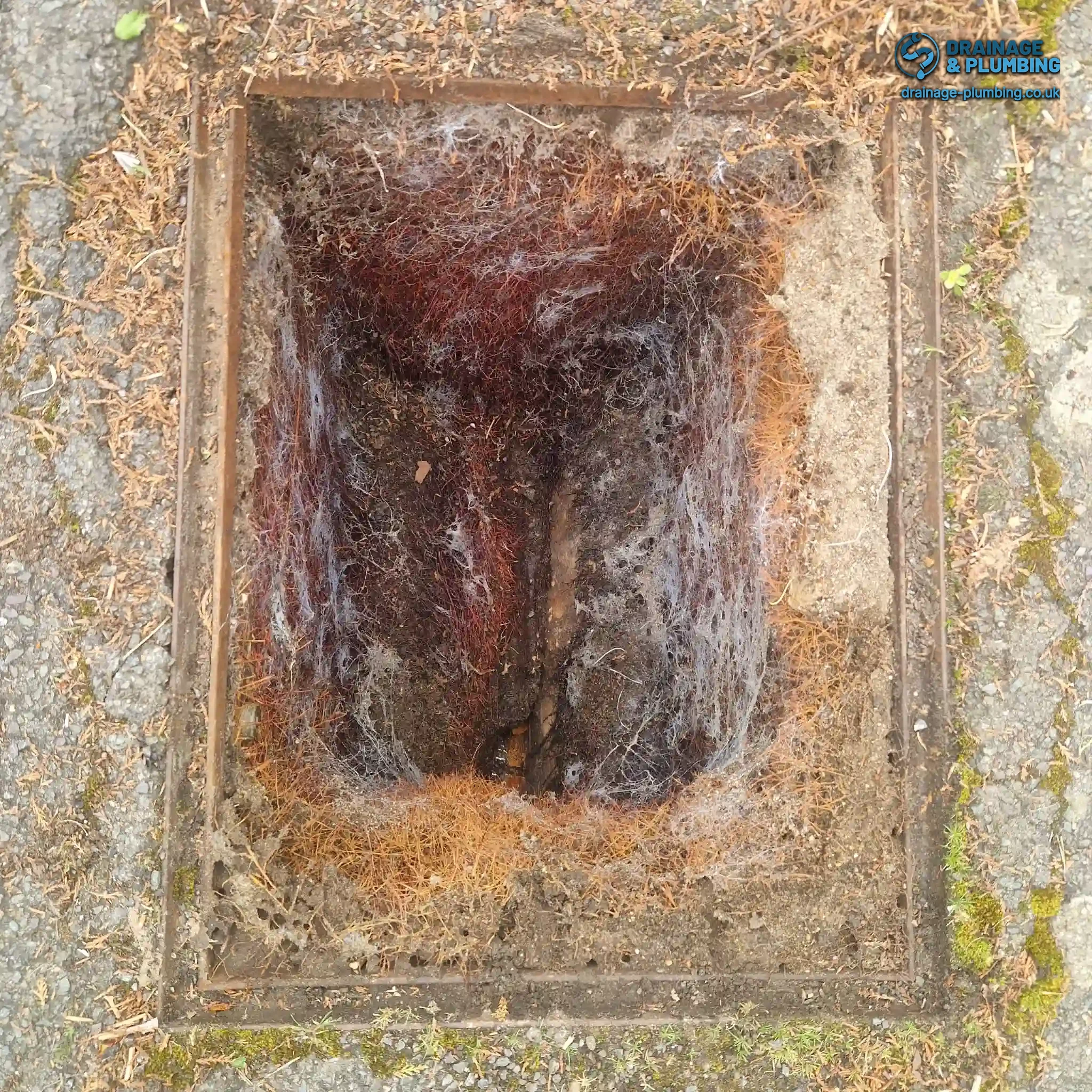
The same logic applies to recurring blockages. If the same drain clogs every few months, rodding it again is treating the symptom, not the cause. Finding out what state the pipe is actually in will reveal whether the real issue is a poor gradient, a collapsed section, or tree root ingress — all of which need a structural fix, not another rod. External gully problems are common enough in this region that we’ve tracked them separately in our Surrey council data report on blocked gullies, and localised causes are broken down further in our piece on why Croydon homes get blocked drains wrong. If that turns up structural damage, our drain repair services guide covers realistic costs and repair options, including no-dig relining where a full dig-up isn’t necessary. Blocked external downpipes feeding into the drainage system are another frequent culprit worth ruling out — see our guide to blocked downpipe signs and fixes for the outdoor side of the comparison. For general safe working practice around drainage access points, the Health and Safety Executive also publishes relevant guidance on confined spaces and sewer access that any competent contractor should follow.
Ultimately, the choice isn’t between spending money now or later — it’s between one properly diagnosed fix and an ongoing cycle of temporary ones. Recognising the signs of a blocked drain early, then choosing targeted diagnosis over guesswork, is what actually keeps a drainage system clear for good.
No comments yet. Be the first to leave a review.
Comments are closed for this post.