
 Admin
Admin 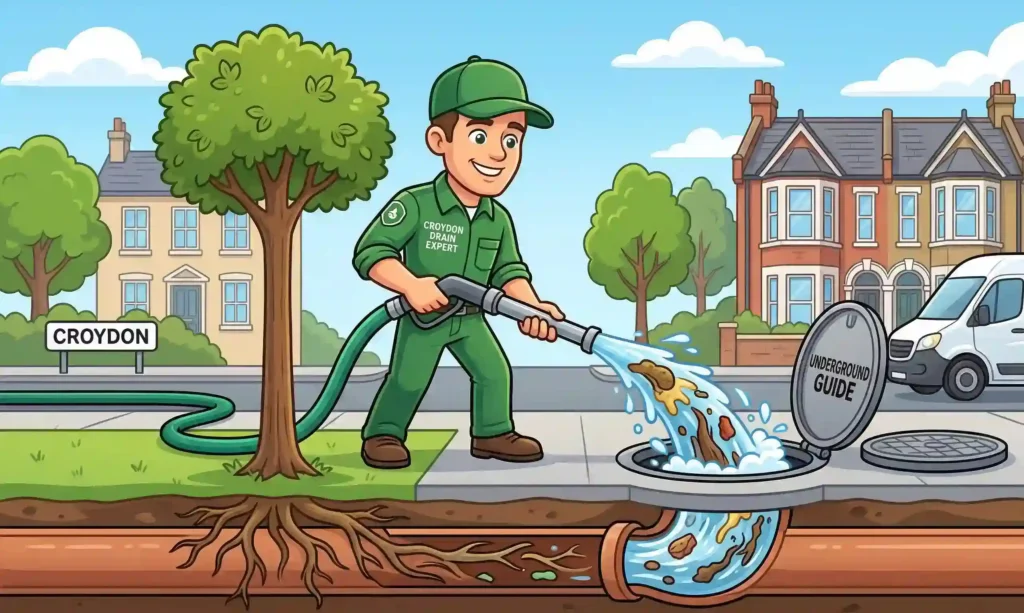
The exact causes of blocked drains Croydon properties suffer from almost always trace back to one habit: people treat the first slow drain as a one-off, not a warning. Most homeowners make this mistake when their drain blocks — and it makes everything worse, because the temporary fix they reach for lets the real problem grow underground for months before it forces its way back to the surface.
What Are the Real Causes of Blocked Drains Croydon Homes Face?
There are three repeat offenders behind almost every callout we get across the borough: fat, oil and grease (FOG) solidifying in kitchen waste pipes, hair and soap scum binding together in bathroom traps, and leaves, mud and silt choking outdoor gullies after heavy rain. Each one starts small and cheap to fix, then turns expensive once it hardens into a full blockage.
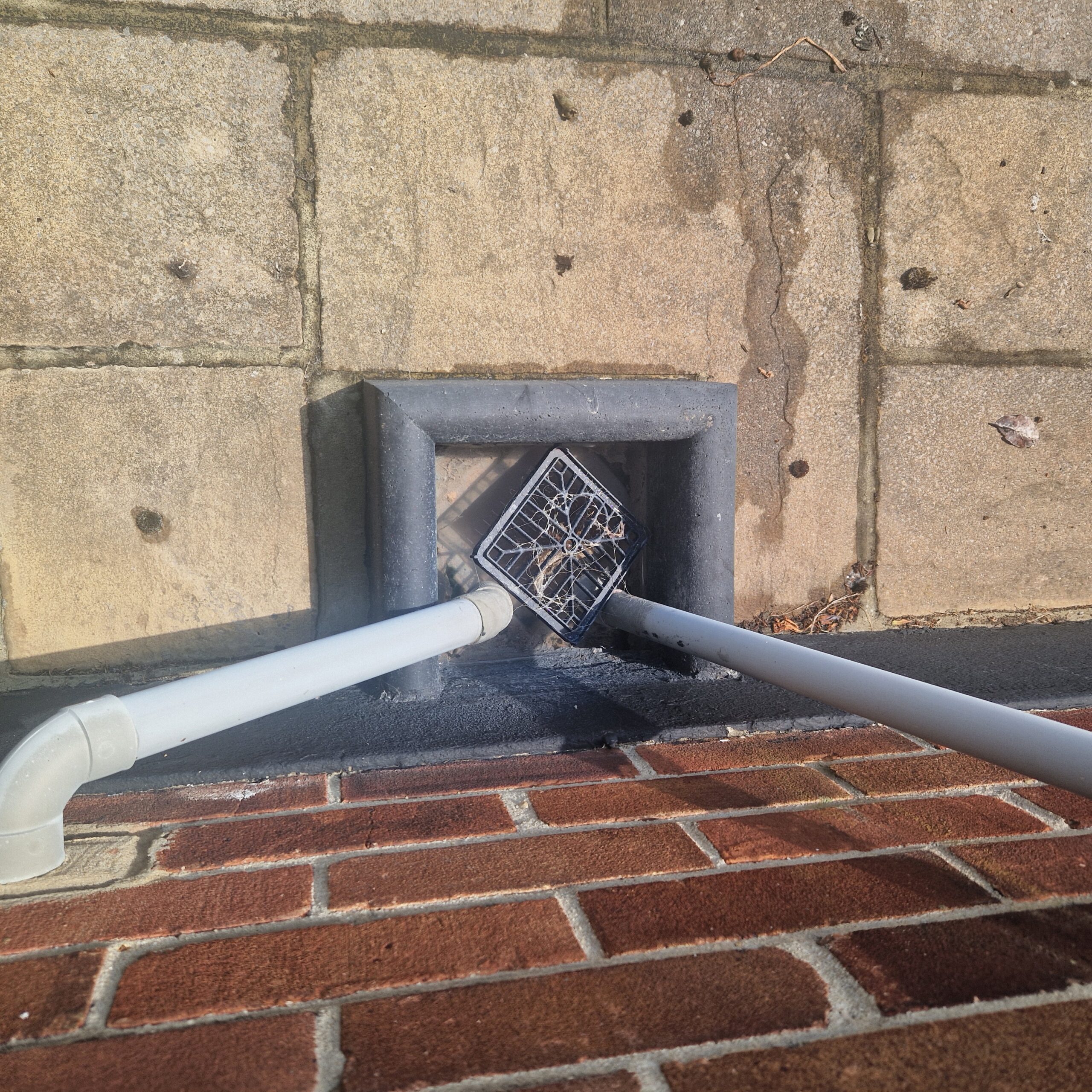
FOG is the costliest of the three because it’s the one people cause without realising. Hot fat poured down a sink feels harmless in the moment, but the second it reaches cold pipework underground it solidifies into a hard coating. Every bit of rice, coffee ground or food scrap that follows sticks to that layer, and within a year you’ve got a fatberg narrowing the pipe from the inside. A plunger won’t touch it — you need high-pressure jetting to strip the pipe wall back to bare pipe, not just punch a hole through the middle.
Bathroom blockages cost less to clear but happen more often, because hair and soap scum build up in every household regardless of how carefully you cook. If your shower drains slower every week rather than all at once, that’s the early, cheap-to-fix stage — a professional clear now costs a fraction of what a full trap replacement will if you leave it. Outdoor gullies are the third repeat cause, and they’re the one landlords most often ignore: a driveway or patio gully clogged with autumn leaves sends rainwater straight to your walls instead of the sewer, and the resulting damp repair bill dwarfs the cost of a jetting visit that would have kept the gully clear.
Why Do Croydon’s Older Pipes Make Blockages Worse and Cost More to Fix?
Croydon’s mixed housing stock is the reason identical symptoms need different fixes — and different budgets — depending on your street. In areas like Shirley, Purley and Thornton Heath, a lot of properties still run on original clay pipework from the Victorian era, jointed in short sections that shift and crack as the ground moves and heavy traffic vibrates the road above. Some inter-war and mid-century streets were fitted with pitch fibre pipe before it was phased out around 1970, and that material deforms and blisters internally with age, narrowing the bore even without any blockage sitting inside it. Post-1980 PVC pipework, common in newer Croydon developments, resists cracking far better, but poor falls set during fast-build construction mean waste sits rather than flows, so grease and debris settle out sooner than they should.
Knowing which pipe material sits under your property changes the right fix. Rodding a cracked clay joint might clear the immediate clog, but it does nothing for the fracture letting tree roots back in every few months — that needs a proper drain unblocking assessment of the whole run before you spend money twice. Roots are drawn to the moisture seeping from cracked joints, and once inside a pipe they form a dense mat that traps wipes and waste, which is exactly the mechanism behind recurring blockages that keep coming back a month after a rodding visit. If you’re seeing gurgling before the blockage fully sets in, that’s worth acting on early too — our guide on fixing a gurgling toilet or sink drain covers the warning signs in more detail. Under the Water Industry Act, responsibility for the pipe splits at your boundary, so it’s worth checking the Water Industry Act 1991 if you’re unsure whether a blockage is yours or your water company’s to fix, and any patch repair should meet the standards set out in the Water Regulations Advisory Scheme guidance to avoid comeback problems.
When Should You Stop DIY and Call a Professional — and What Will It Cost?
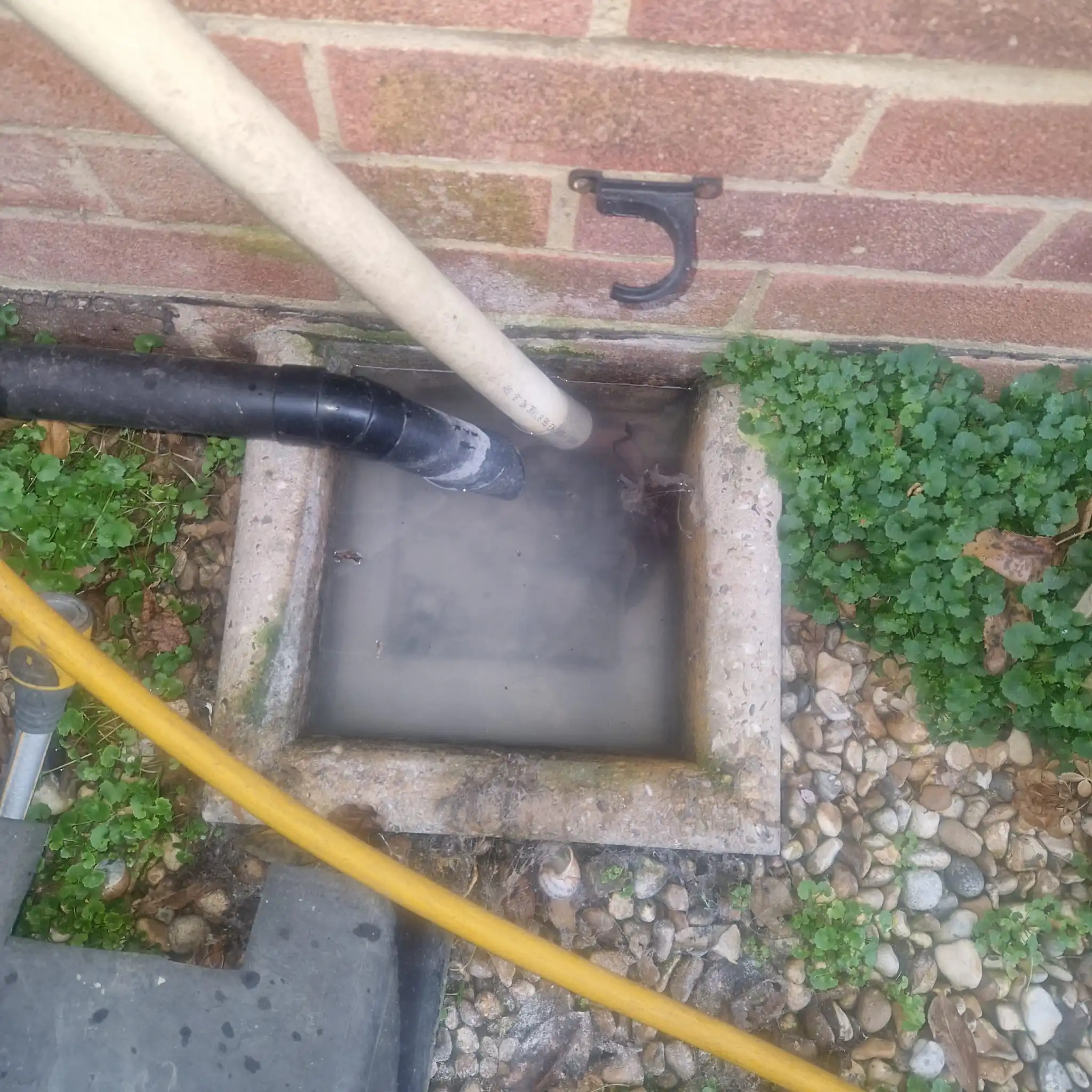
Stop reaching for rods or chemicals and call a professional the moment water backs up in a second fixture, because that’s the clearest sign the blockage sits in your main shared line rather than one isolated pipe. A single slow sink is a fair DIY attempt — a plunger, or baking soda and vinegar followed by boiling water, costs nothing and often clears light soap scum. But if flushing the toilet sends water up into the shower tray, or a manhole cover on your driveway is lifting and leaking, you’re looking at a blockage that a domestic plunger will never reach, and every hour you wait raises the odds of sewage backing up into the property.
Cost is where most people hesitate, so here’s the honest breakdown: a straightforward jetting visit to clear leaves, mud or a fresh FOG build-up sits at the cheap end of the scale, because it’s a single visit with no investigation needed. Tracking down a hidden crack or root intrusion pushes the price up, but it saves you paying for repeat callouts on a blockage that keeps returning — which is the real cost trap. A full patch repair or root-cutting job costs more upfront again, but it’s still far cheaper than a dug-up front lawn and full pipe replacement, and it stops the same blockage costing you money every few months. Always get an upfront, itemised quote before work starts — a legitimate local drainage company will tell you the price before touching a drain rod, not after. Landlords managing multiple properties in the area should also see our notes on drainage problems in Purley, since the same warning signs apply whether you own one flat or a portfolio, and catching them early is what keeps maintenance budgets under control. Tenants and homeowners further out towards Redhill facing the same symptoms can also check our page on drain unblocking in Redhill RH1 for area-specific guidance.
Never flush so-called flushable wipes, cotton buds or sanitary products, since they don’t break down like paper and are one of the most common causes of blocked drains Croydon households pay to have cleared — a habit change costs nothing and prevents the majority of repeat callouts. The Health and Safety Executive also flags standing sewage water as a genuine health hazard, not just an inconvenience, which is another reason to treat overflowing manholes as urgent rather than something to leave until the weekend. If you’re dealing with recurring smells or scratching sounds near a drain, it’s also worth ruling out pest activity — our piece on rats in drains explains how infestations exploit exactly the same cracks that cause blockages.
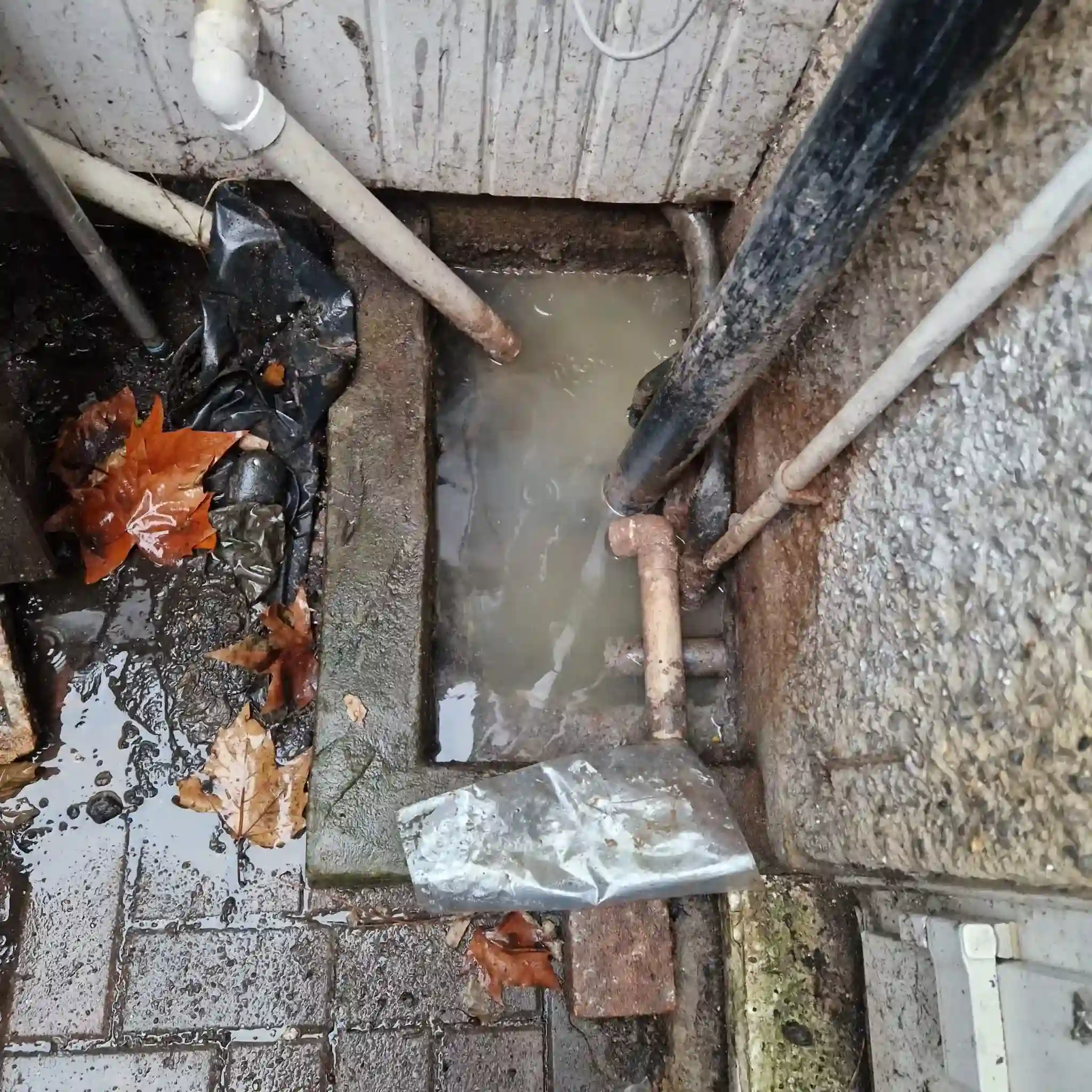

The cheapest fix, every time, is the one that happens before the blockage sets hard. Watch how fast your sinks and showers drain, keep outdoor gullies clear before autumn leaf-fall, and never treat a chemical unblocker as a permanent solution rather than a stalling tactic. If a drain in your Croydon property is already backing up, get a jetting visit booked, and where the blockage keeps returning, have the cause tracked down before it turns into a repair bill several times the size.
No comments yet. Be the first to leave a review.
Comments are closed for this post.