
 Drainage & Plumbing Ltd team
Rats in drains usually get into a house through damage that is already there: a cracked pipe, a joint that has moved apart, a broken inspection chamber, a missing stopper on an old interceptor trap, or a pipe that was cut off and never sealed. Rats come up from the public sewer and follow these gaps towards the house. Pest control deals with the rats you already have. The lasting fix is to find the way in and close it, by repairing the drain, fitting a rat blocker, or both.
Jump to:
What are the signs of rats in drains?
The clearest signs of rats in drains are scratching under the floor or behind boxed-in pipes, droppings inside an inspection chamber, and burrows along the line of a drain in the garden. Most people notice the noise first, often at night, near the kitchen, the bathroom or the soil pipe.
- Scratching or scurrying under floorboards, under a kitchen extension or inside a boxed-in soil stack.
- Droppings, nesting material or grease marks on the benching when you lift a chamber cover.
- Fresh holes in the lawn or flower beds along the route of a drain, or soil washed into a chamber.
- A rat seen in the toilet pan or near an outside gully.
- A sewage smell indoors that keeps coming back after cleaning.
- A drain that blocks again and again at the same point, because soil and debris are getting in through a break.
| What you notice | What it often means | Sensible first step |
|---|---|---|
| Scratching under the floor or near the soil pipe | A broken drain, or an old pipe left open under the house | Have the drain checked before paying for more pest treatment |
| Droppings in the inspection chamber | Rats are travelling through your drain | Look at the chamber walls, the benching and the outgoing pipe |
| Burrows along a drain run in the garden | A cracked or displaced pipe below the burrow | Trace the drain run and find the break |
| A rat in the toilet pan | Rats are in the soil pipe or the main drain | Keep the lid down, call a pest controller and get the drain checked |
| A sewage smell indoors that keeps returning | A broken pipe or open joint under the floor | Find the source before any repair is agreed |
A smell on its own has other causes too, such as a dry trap. Our guide to why drains smell covers those.
How do rats get into drains?
Rats live in the public sewers and come up into private drains wherever they find an opening. They are strong swimmers and can squeeze through very small gaps, so one open joint is often enough. These are the entry points drainage engineers find most often:
- Cracked clay pipes, and joints that have pulled apart through ground movement or tree roots.
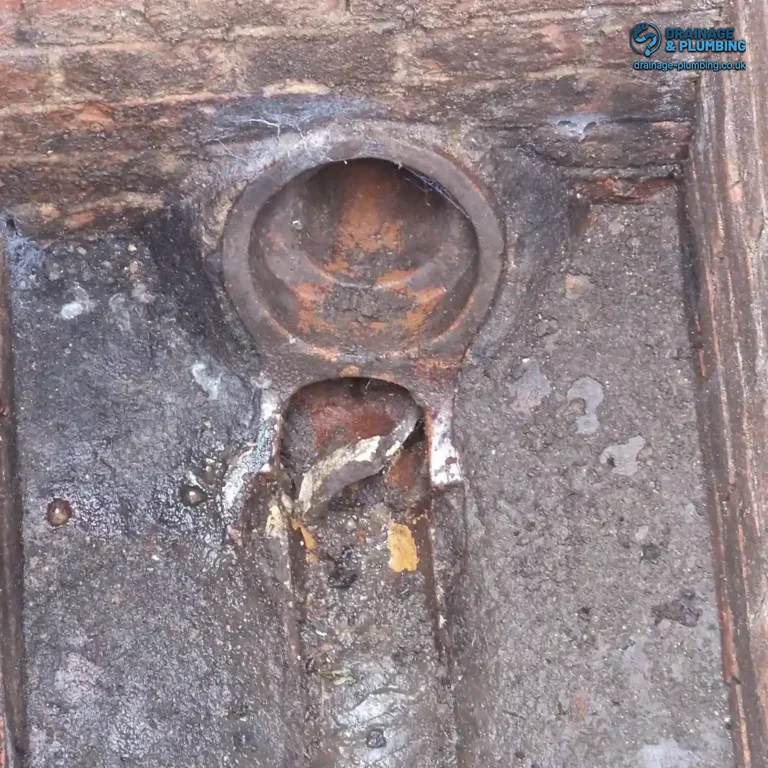
- An interceptor trap with the stopper missing from its rodding arm. Interceptor traps are common in Victorian and Edwardian houses, and without the stopper rats can bypass the water seal.
- Old pipes left open when a kitchen, bathroom or outside toilet was moved or taken out.
- Inspection chambers with missing bricks or broken benching.
- Chamber covers that are cracked or do not sit flat.
Rats mostly use gaps that are already there. They will gnaw at the broken edge of a pipe and make a gap bigger, but a sound pipe with tight joints gives them very little to work with.
What can you check yourself?
You can check your inspection chambers, make sure the covers fit and stop putting food down the drains. You cannot repair a broken pipe from the surface, and poison will not close the gap the rats are using.
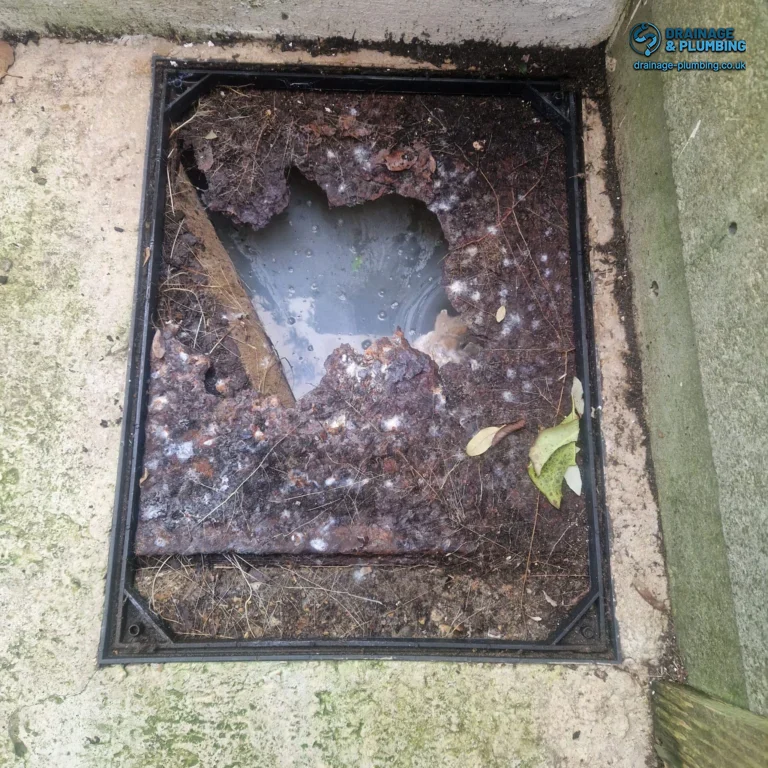
- Put on gloves and lift the inspection chamber cover nearest the house. Look for droppings, nesting material and standing water in the channel.
- If the last chamber before your boundary has an interceptor trap, check that the stopper on the rodding arm is in place.
- Make sure every chamber cover sits flat and is not cracked.
- Keep fat, food scraps and wipes out of sinks and toilets. They feed rats and build up into blockages.
- Keep the toilet lid down if you have seen a rat in the pan.
- If rats are already inside your living space, call a pest controller or your council’s pest control service.
Traps and bait reduce the number of rats in the drain. While the way in stays open, more will come up from the sewer to replace them.
What is a rat blocker and does it work?
A rat blocker is a one-way flap, usually stainless steel, fitted to the outgoing pipe in the last inspection chamber before your drain joins the sewer. Water and waste push the flap open on the way out, and it closes behind them, so rats coming up from the sewer cannot get past it.
A rat blocker works well when the rats are coming from the public sewer and your own pipes are in good condition. It needs a chamber with enough room to fit it, and the flap should be checked from time to time so debris does not hold it open. It will not fix a cracked pipe between the blocker and the house, and it will not remove rats that are already living in your drains. Where there is damage, the repair comes first.
When does the drain need repairing or relining?
A drain needs repairing when it has a crack, a joint that has moved apart, a collapsed section or an old pipe left open. The right method depends on how much of the pipe is damaged and whether a liner can get through it.
| Method | What it involves | Best for |
|---|---|---|
| Patch repair | A short resin liner is pushed into place and cured over one crack or open joint | A single defect in an otherwise sound pipe |
| Relining | A resin liner is cured along the whole run, forming a new pipe inside the old one without digging | Several cracks or open joints along one run |
| Excavation and replacement | The damaged section is dug out and replaced with new pipe | Collapsed or badly misshapen pipe that a liner cannot pass |
| Sealing old connections | Pipes left open from old kitchens, bathrooms or outside toilets are capped or sealed | Redundant pipes under floors and extensions |
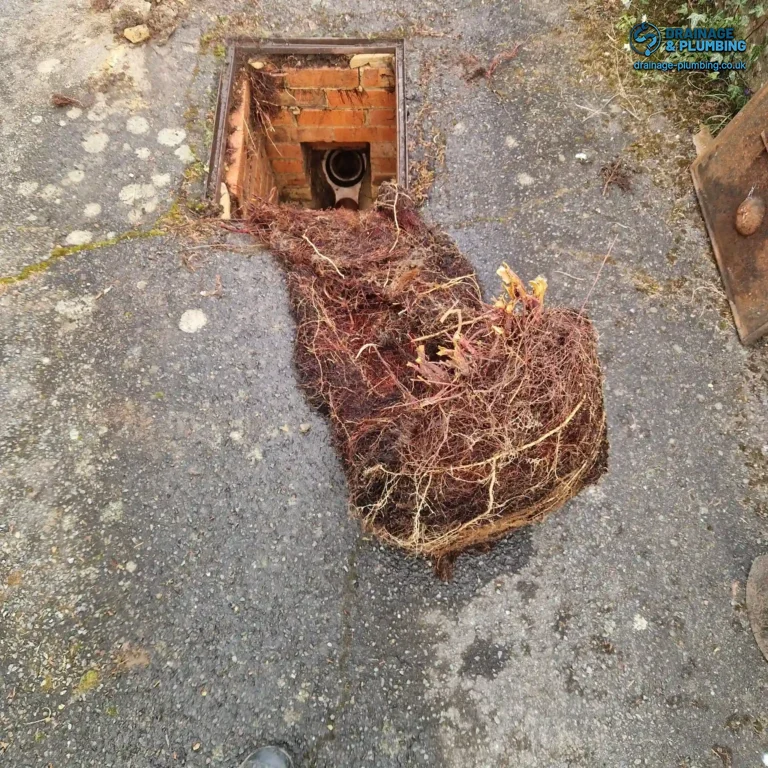
A relined pipe has no open joints, so it keeps tree roots out as well as rats. Roots and rats often use the same breaks, which is why a drain with root trouble is worth checking for rats and the other way round. Our drain repairs page explains how we repair and reline drains, and our guide on how to tell if you have a collapsed drain covers the signs of more serious damage.
Who is responsible for rats in drains: you or the water company?
In England and Wales you are responsible for the drain that serves only your property, up to your boundary. Since 1 October 2011, shared drains, lateral drains outside your boundary and the public sewer have been the water company’s responsibility. Across London and most of Surrey the sewerage company is Thames Water. Across much of Sussex and Kent it is Southern Water.
If the break is on your own drain, the repair is yours to arrange, or your landlord’s if you rent. If rats are coming from the public sewer, or the damage is in a shared or lateral drain, report it to your water company. Rats inside the home are a pest control job for your council or a private pest controller. Citizens Advice explains the split in who is responsible for repairing drains and sewers, and our Thames Water drain responsibility guide covers it for South London and Surrey homes. Some home insurance policies cover accidental damage to underground pipes, so check yours. See are blocked drains covered by home insurance.
When should you call a drainage engineer?
Call a drainage engineer when rats keep coming back after pest treatment, when you see a rat in the toilet, when there is a sewage smell indoors you cannot trace, or when a chamber keeps filling up. Those signs point to a break in the drain, and the break needs finding before anyone can fix it.
Drainage & Plumbing Ltd is based on Brighton Road in Purley and works across Croydon, Sutton, Surrey and the South East. In Croydon, Caterham, Coulsdon, Wallington and Carshalton we are usually with you within 30 minutes, and further out usually within the hour. We trace the drain, find where the rats are getting in and give you a fixed price before any work starts. Our customers rate us 5.0 from 194 Google reviews and 9.76 from 667 on Checkatrade (see our customer reviews). Call 07771 200075; the phone is answered 24 hours a day.
Common questions about rats in drains
Can rats come up through the toilet?
Yes, although it is rare. A rat in the toilet pan means rats are in the soil pipe or the main drain and have found a way in through damage nearby. Keep the lid down, call a pest controller and have the drain checked for the entry point.
Do rats chew through drain pipes?
Rats mostly use gaps that already exist, such as cracked clay pipes and open joints. They can gnaw the broken edge of a damaged pipe and make the gap bigger. A sound pipe with tight joints is hard for them to get into.
Will pest control alone get rid of rats in drains?
Pest control removes the rats that are there now. If the drain is still broken, more can come in from the sewer, so a lasting fix usually combines pest treatment with a drain repair, a rat blocker or both.
Are rats in drains a health risk?
Yes. Rats can carry diseases such as leptospirosis (Weil’s disease) and contaminate anything they touch. Wear gloves when you lift a chamber cover, and wash your hands afterwards.
Do new-build houses get rats in drains?
Less often, because modern plastic drains have fewer joints that move. Poorly made joints, ground movement and tree roots can still open gaps, so a newer house is not immune.