
 Hesam Ir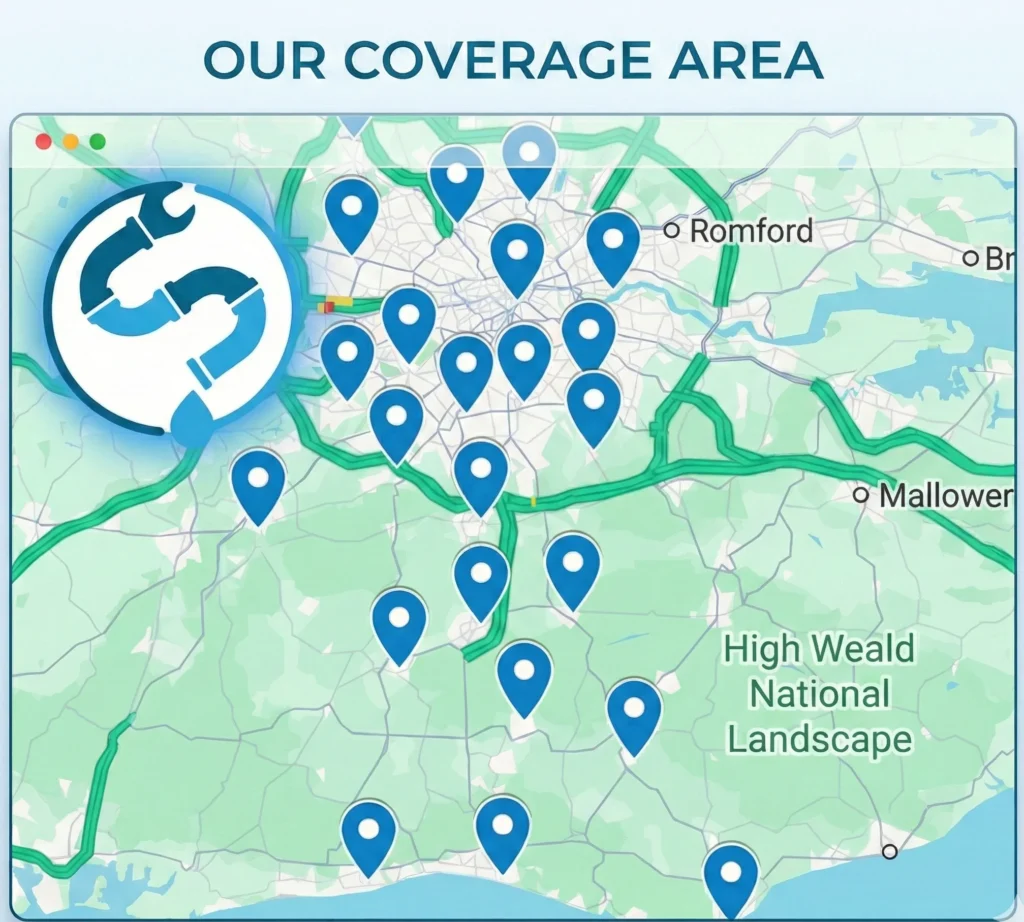
High-pressure drain jetting: the practical guide to cost, when you need it, and real results
If your drain is backing up and a plumber mentions high-pressure drain jetting, you’ll want to understand what that actually means, whether it’s the right move for your situation, and what it’s going to cost before anyone starts work.
Most drainage guides shy away from the comparison—they either sell you on jetting as a miracle cure or skip past rodding entirely. This article breaks that pattern. After 20 years clearing blocked drains across South East England, I’ll show you exactly when jetting is necessary, when it’s overkill, and the real cost difference between the two methods.
What is high-pressure drain jetting, and how does it actually work?: High pressure drain jetting
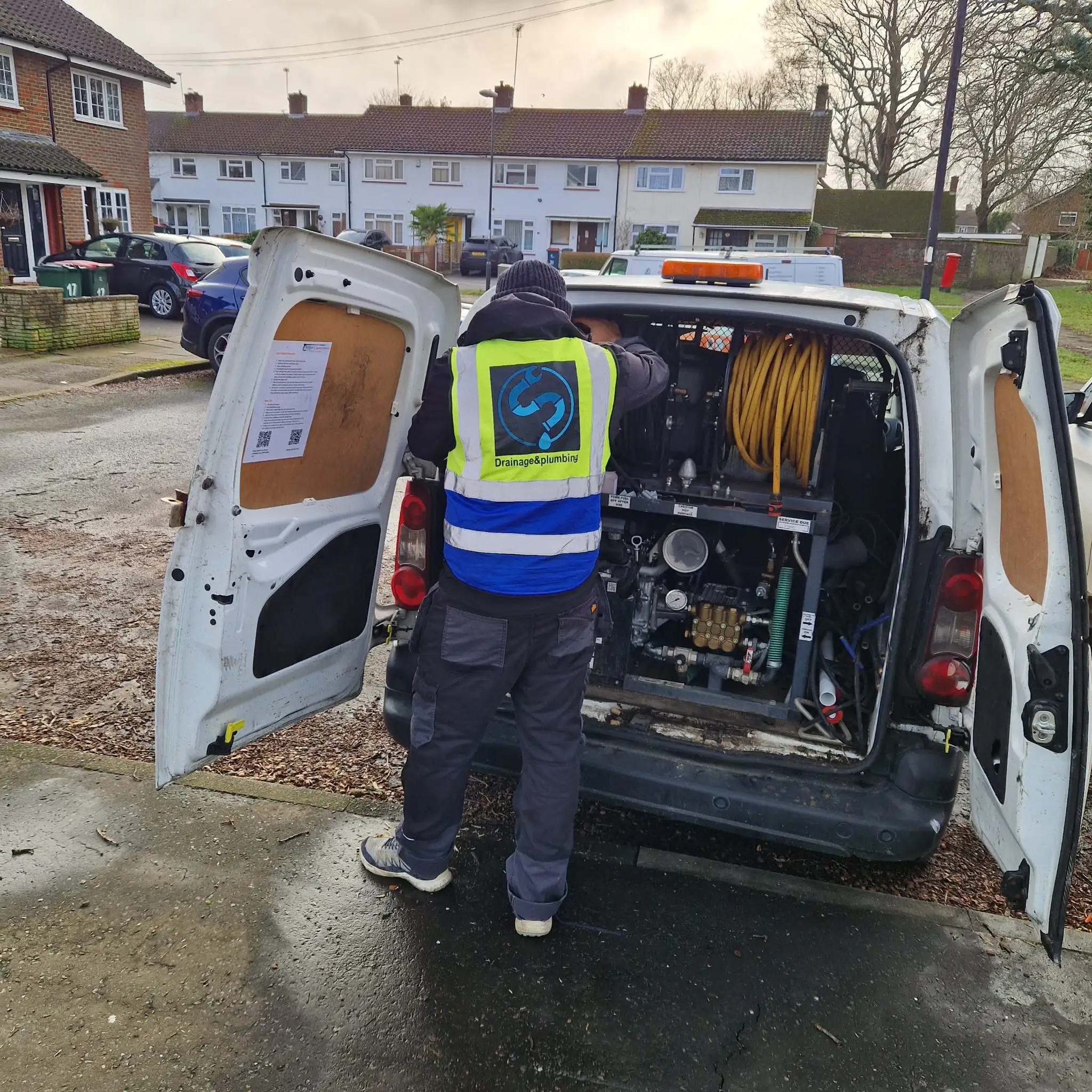
High-pressure drain jetting is exactly what it sounds like: we feed a high-pressure hose down your drain and use a powerful jet of water—typically at 150 bar (2,150 psi) or higher—to blast away blockages, grease, and built-up deposits inside the pipe.
The nozzle design matters. Most jetting nozzles have a rear-facing jet and forward-facing jets. The rear jet pulls the hose deeper into the pipe, while the forward jets cut away at whatever is blocking the flow. Unlike mechanical rodding, which pushes through the obstruction, jetting actually cleans the pipe wall and removes the debris rather than just punching a hole through it.
The key advantage: a jetting machine can work on pipes 50+ metres long and clear roots, grease, mineral scale, and silt that mechanical rods simply cannot reach or budge. It’s particularly effective in commercial kitchens, restaurants, and older systems where grease has built up into an almost solid plug.
Drain jetting versus mechanical rodding: when each method makes sense
Here’s where most plumbers stay quiet. Rodding works brilliantly for simple blockages—a single tree root, a plastic object, wet wipes lodged 3 metres down. A rod costs less upfront and solves the problem in 30 minutes.
But rodding has real limits. It doesn’t remove grease; it forces it further down the line. It can’t clean a pipe that’s lined with decades of soap, fat, and mineral deposits. And if the blockage is deep or the pipe bends sharply, the rod doesn’t go far enough.
Jetting clears all of that. It removes the cause of the blockage, not just the blockage itself. The problem: it costs more money upfront, and it requires the right access point to feed the hose in safely.
In my experience, you need jetting when:
- Grease or fat is blocking the drain (common in kitchens)
- The blockage is deeper than 10 metres or in a long run
- Rodding has been tried and failed
- You have recurring blockages in the same spot
- The pipe is lined with scale or silt deposits
You can often get away with rodding if:
- A single object is stuck (nappy, toy, jewellery)
- A tree root is blocking a short length of pipe
- The blockage is recent and hasn’t hardened yet
- You want to keep costs down and accept the risk of the problem returning
Real example: why rodding failed, and jetting worked
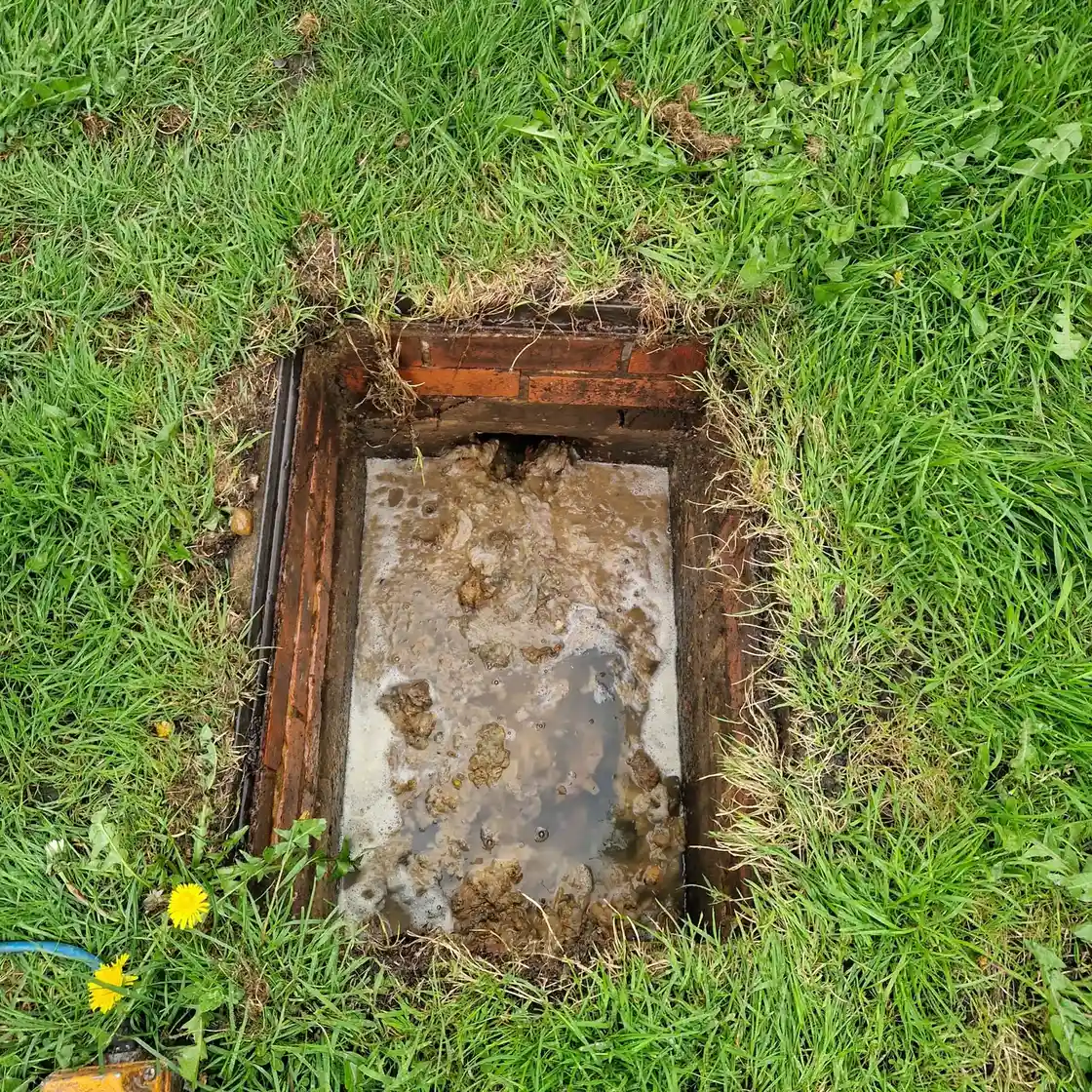
A commercial kitchen in Banstead had a 75mm outlet drain backing up twice a month. The owner had paid for rodding three times in six months. Each time, the rod operator said the blockage was cleared; each time, it returned within weeks.
When we arrived, we ran a CCTV inspection first and found the pipe was 80% blocked by compacted grease. Rodding had punched a tiny hole through it, but the grease stayed in place on the pipe wall. Within days, it re-sealed. We jetting the drain at 200 bar, and the grease dissolved and flushed away entirely. That was 18 months ago; the drain hasn’t blocked since.
The cost comparison: £120 per rodding visit × 3 visits = £360. One jetting visit at £180. The customer spent £540 before jetting was even mentioned.
High-pressure drain jetting cost breakdown: what you’ll pay in the UK
Here’s the honest pricing table. These are typical rates across South East England (London, Kent, Surrey, Sussex) as of 2026. Prices vary by location, pipe size, and blockage severity.
| Job Type | Pipe Size | Typical Cost | Time on Site |
|---|---|---|---|
| Basic drain jetting (single blockage, <15m) | 110–160mm | £80–£120 | 30–45 mins |
| Commercial kitchen drain jetting (grease-heavy) | 75–110mm | £150–£250 | 45–90 mins |
| Long-run drain jetting (>25m) | 110–160mm | £120–£180 | 60–120 mins |
| Shared building stack/riser jetting | 100–110mm | £140–£200 | 60–90 mins |
| CCTV survey + jetting (diagnostic first) | Any | £180–£300 | 90+ mins |
Most domestic drain jetting jobs fall into the £100–£160 range. Commercial jobs typically cost £150–£250 due to pressure and run length requirements. If the blockage is severe or the jetting machine needs to be hired from an external contractor, costs can exceed £250, but that’s rare for standard residential work.
Call-out charges sometimes apply if you’re outside main service areas or if the job is urgent (evenings, weekends). Always ask if the quoted price includes the call-out or if it’s additional.
What happens when the jetting engineer arrives?
Understanding the process helps you know what’s normal and spot any red flags.
1. Inspection and access. The engineer will locate your access chamber, inspection pit, or the point where the blockage is closest to the surface. If the blockage is deep and there’s no chamber in the right place, we might need to run a CCTV survey first to find it. This adds time and cost but ensures the jetting is effective.
2. Safety checks. Before the hose goes in, we verify that the pipe is clear of asbestos-containing cement (common in drains laid before 1990) and that the blockage isn’t so severe that backflow could damage your property. We also check that the jetting pressure won’t exceed the pipe’s safe rating—older clay pipes can’t handle 200 bar, for example.
3. Feeding the hose. The jetting hose is guided down the pipe. Modern hoses are colour-coded by depth, so the operator can tell exactly how far down they’ve gone. The nozzle is selected based on the blockage type: coarser jets for grease, finer jets for mineral scale.
4. Jetting the blockage. The machine is switched on, and the hose works backward and forward along the blockage, breaking it apart and flushing it down the drain. You’ll see water coming out of the clean-out, sometimes carrying debris. This is normal.
5. Verification and clean-up. Once the blockage is cleared, the engineer runs clean water through to confirm the flow is restored. If there’s any doubt, a second CCTV pass can be run to confirm the pipe is clear. The engineer will then clear up any spillage and secure the access chamber.
Is high-pressure drain jetting safe for your pipes?
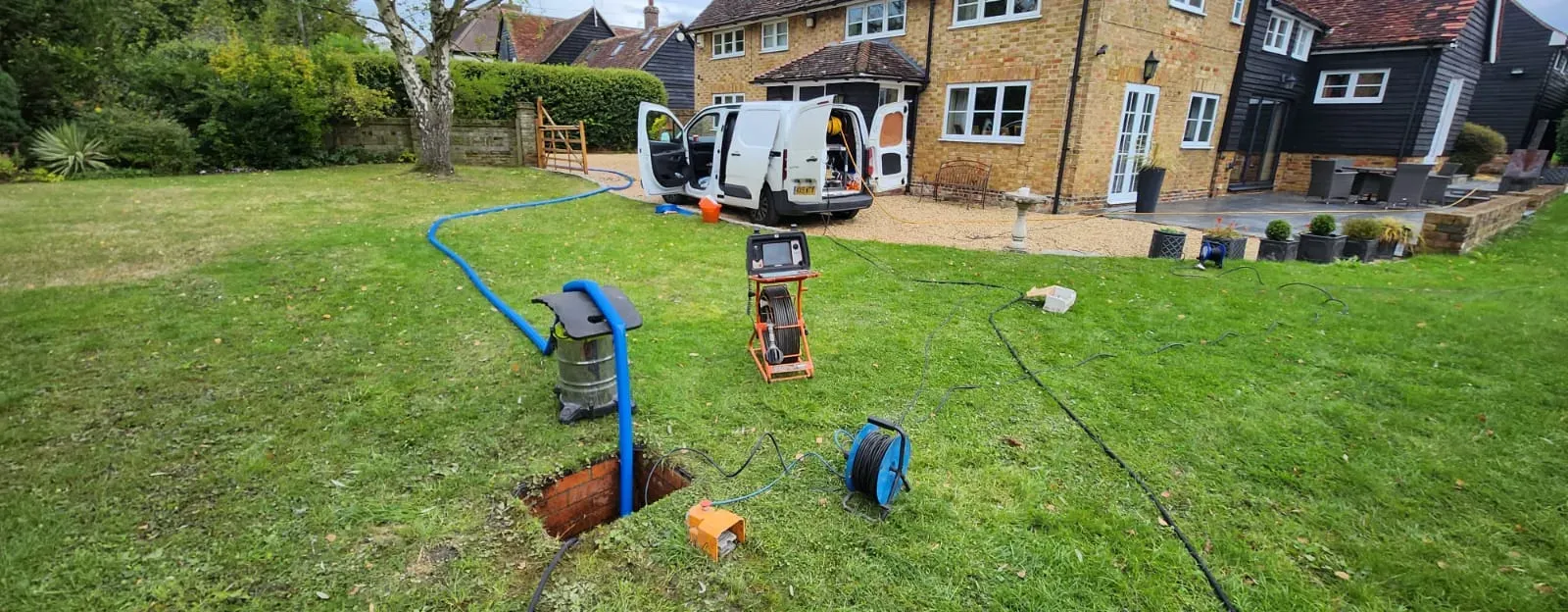
Short answer: yes, when it’s done correctly by someone who knows your pipe material and age.
Modern plastic pipes (PVC, uPVC) can handle 200+ bar without issue. Older clay or concrete pipes need lower pressure—typically 100–150 bar. Cast iron can handle up to 300 bar but may need careful assessment if it’s corroded.
A professional drainage engineer will always ask about your pipe age and material before starting. If there’s any doubt, a CCTV survey clarifies what you’re dealing with. For more detail on whether jetting is suitable for your specific setup, see our guide on high-pressure water jetting for blocked drains.
The real risk isn’t the jetting itself—it’s using the wrong pressure on the wrong pipe, which is why you should always use a qualified, insured drainage contractor.
How to find a qualified drain jetting contractor near you
Not all drainage firms offer jetting. Many plumbers only rod drains. If you’re looking for a jetting service, check these credentials:
- WaterSafe registration. Check WaterSafe.org for registered engineers. WaterSafe members carry out work to industry standards and are covered by insurance.
- Public liability and equipment insurance. Jetting machines are expensive; make sure the contractor’s insurance covers damage from pressure hose failure or backflow.
- CCTV capability. A contractor who offers CCTV surveys can diagnose the blockage and confirm it’s been cleared, rather than guessing.
- Local experience. If you’re in a town with older Victorian terraces (common in London, Surrey, Sussex), ask if the contractor has experience with your pipe age and material.
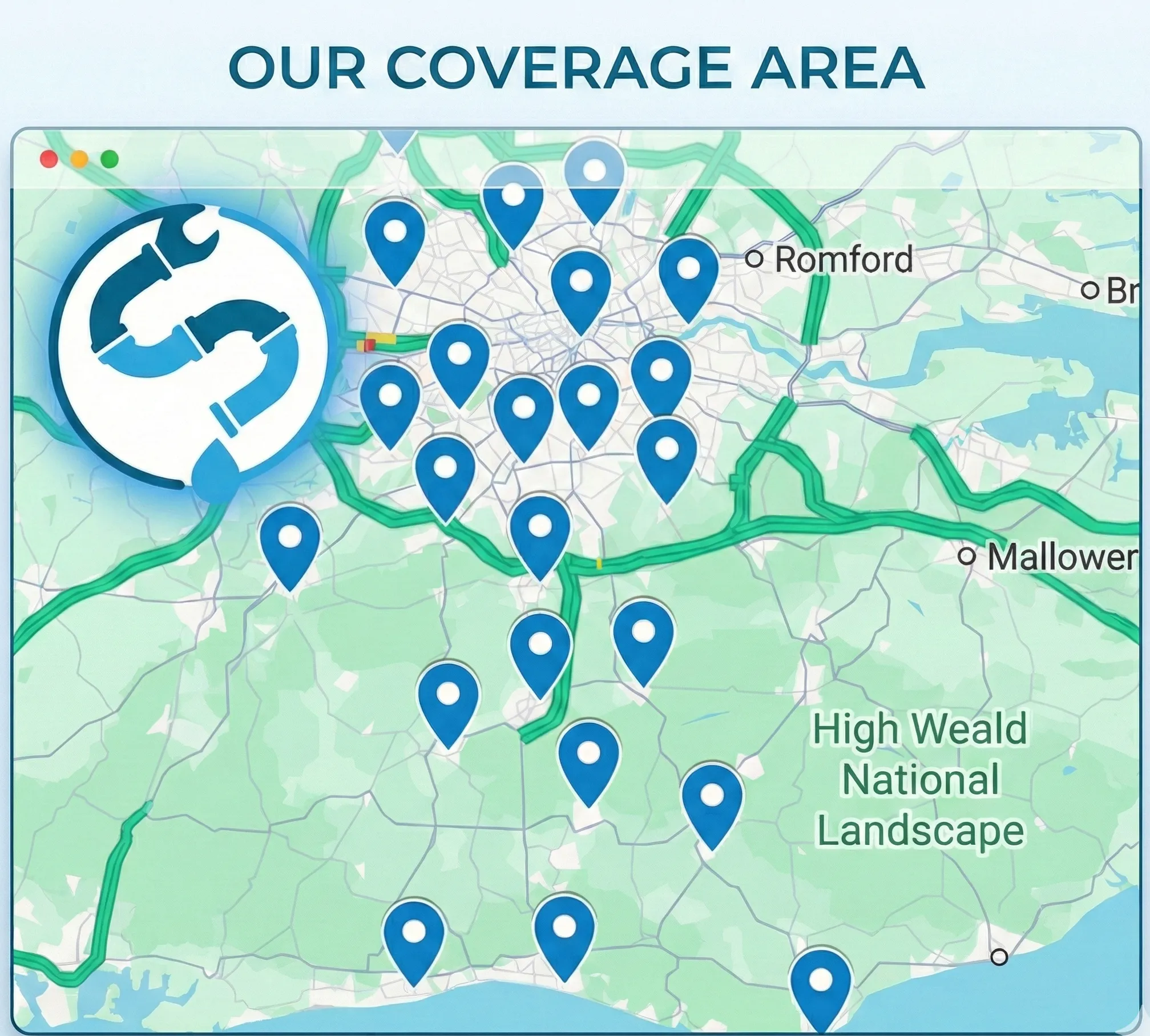
We operate across South East England, including London, Brighton, Redhill, Bromley, and surrounding areas. If you’re unsure whether jetting is the right solution for your blocked drain, we offer a CCTV drain survey to diagnose the blockage before any work starts.
When to book a drain jetting service vs. waiting and hoping
Some blockages clear themselves. Most don’t. Here’s when to book jetting sooner rather than later:
Book now if: Water is backing up into your property (bathroom, kitchen, or garden). You’ve already tried rodding and the blockage has returned. Your drain gurgles or drains slowly even in dry weather. You smell foul odours from the drain. You run a commercial kitchen or food business.
You can wait a day or two if: The blockage is minor and only affects one fixture. You’ve just had heavy rain and the blockage is temporary. You’ve had no issues for months and this is the first occurrence.
Waiting with a partial blockage often means the problem worsens. What could be cleared with a simple £100 jetting call can become a full pipe repair (£500–£2,000) if the blockage backs up into your foundations or the pipe splits under pressure.
For more information on common causes and how to prevent future blockages, check out our article on five proven causes of blocked drains London homeowners miss.
Real-world example: recurring blockages and what jetting revealed
A property manager in Nork (Banstead) had scheduled drain maintenance every six months for three years at £100 per rodding visit. When we arrived for a CCTV survey, the camera showed a 40-year-old clay pipe lined with up to 60mm of grease and mineral scale. The scale was constricting the flow, so even a clear pipe would drain slowly.
One jetting session at 120 bar (within safe limits for clay) removed all the scale and grease. That was five years ago. The building hasn’t needed a drain visit since.
Cost of the jetting: £160. Cost avoided: £300 in rod visits over the next five years.
What if the blockage comes back after jetting?
Rarely does a properly jetted drain block again quickly. When it does, there’s usually an underlying issue:
- Root intrusion. Jetting clears the roots but doesn’t stop them regrowing. If roots are the cause, you’ll need a root barrier treatment or pipe repair.
- Collapsed or cracked pipe. If the pipe has cracked, it collects soil and debris. Jetting clears it temporarily, but the crack lets material back in. This needs a repair.
- Grease production hasn’t changed. If you’re still pouring fat down the kitchen drain, grease will build up again in 6–12 months. Install a grease trap or change disposal habits.
- Incompatible jetting pressure. Occasionally, a contractor uses pressure that’s too low for the blockage type. A second, higher-pressure session sorts it.
If your drain blocks again within 30 days of jetting, the contractor should revisit it free of charge (most reputable firms offer a 30-day guarantee). If it blocks again after 30 days, ask for a CCTV survey to identify the root cause before paying for another jetting session.
Three essential questions homeowners ask about drain jetting
- Will high-pressure drain jetting damage my pipes or water supply?
- No, assuming the correct pressure is used for your pipe material. Modern plastic pipes are rated for 200+ bar, and older clay pipes are jetted at 100–150 bar, well within their safe limits. The water used is your own mains water, controlled by the engineer, so there’s no contamination risk. Pressure spikes or hose whip are rare with modern equipment and trained operators.
- How long does drain jetting take, and will I lose water supply?
- A standard residential drain jetting takes 45 minutes to two hours, depending on blockage depth and severity. You won’t lose your water supply—the jetting uses your mains water, but during the work your water may be discoloured (sediment stirred up from the pipe). Run the tap for a few minutes afterward to clear it. If you have a combi boiler, let it cool slightly before use.
- Can I claim drain jetting costs from my landlord or insurance?
- If you’re renting, your landlord is responsible for maintaining the drainage system (including blockage clearance), so costs should be their responsibility. For owned properties, standard household insurance rarely covers drainage blockages, but specialist drain cover policies do. Check your policy or ask your broker. If the blockage is due to poor contractor workmanship (a plumber damaged the pipe, for example), third-party liability insurance may apply.
What I would do if this were my house
If my own drain was backing up, here’s my approach:
First, I’d run a CCTV survey to see what’s actually blocking it. That costs £150–£200 but tells me whether it’s roots, grease, scale, or a collapsed section. Without that, I’m guessing.
If it’s grease or scale in a long pipe, I’d book the jetting immediately. Rodding is a false economy on these blockages—you’ll pay multiple times. If it’s a single root or object, I might try rodding first if it’s shallow.
Once jetted, I’d ask the contractor for a post-jetting CCTV pass to confirm the pipe is genuinely clear. Then I’d implement changes: fit a grease trap in the kitchen, avoid flushing wipes, and have the drain surveyed every two years if it’s over 40 years old.
If I’m renting, I’d report the blockage to my landlord immediately in writing (email is fine) and ask them to arrange the jetting. Don’t pay out of pocket unless it’s genuinely urgent and the landlord is uncontactable—you can claim it back later if you have evidence.
Ready to book your drain jetting?
If your drain is slow, backing up, or smells, don’t wait for it to fail completely. A quick drain cleaning service call now saves you from a costly emergency call later. We offer same-day and next-day appointments across South East England, and all quotes include a full site assessment.
Contact us today to discuss your blocked drain and get a fixed price for high-pressure drain jetting. We’ll be honest about whether jetting is what you need or if a simpler solution will do the job.
Understanding high pressure drain jetting early helps you budget and avoid bigger repair bills later. Our local engineers deal with high pressure drain jetting across South East England every week.
No comments yet. Be the first to leave a review.
Comments are closed for this post.