
 Hesam Ir
Blocked Downpipe: 6 Warning Signs and How to Fix It Safely
A blocked downpipe is one of those problems that sneaks up on you. One week the water’s running clear, the next you’re staring at water staining your brickwork or pooling around your foundation. The danger isn’t just cosmetic—ignoring a blockage can cost you £500 to £2,000 in structural repairs if moisture penetrates your walls. This guide walks you through the six signs to watch for, the five-step fix you can attempt safely, and most importantly, when climbing a ladder stops being the right call.
Spot These 6 Signs Before It Gets Expensive
Most homeowners don’t realise their downpipe is blocked until water is visibly overflowing or the damage is already done. Here are the telltale indicators:
1. Water Overflowing from the Gutter
If rain is running over the edge of the gutter instead of through the downpipe, something’s stopping the flow. You might see this during moderate rainfall or immediately after gutters are cleaned—a sure sign the blockage is in the pipe, not the gutter itself.
2. Downpipe Overflowing at a Visible Collar or Joint
Water escaping from a seam where the downpipe connects to the gutter or where sections join together is a classic symptom of back-pressure. The water can’t move down, so it forces its way out sideways.
3. Brown Water or Algae Growth on the Downpipe
Stagnant water inside the pipe breeds algae and can stain the outside surface. If your downpipe has a permanent brown discoloration or green slime, water is sitting inside longer than it should.
4. Visible Brickwork Staining Below the Downpipe Outlet
Water that doesn’t drain properly runs down the outside of the pipe instead. This creates distinctive dark stains on your brickwork directly beneath. Left untreated, moisture penetration causes genuine structural damage.
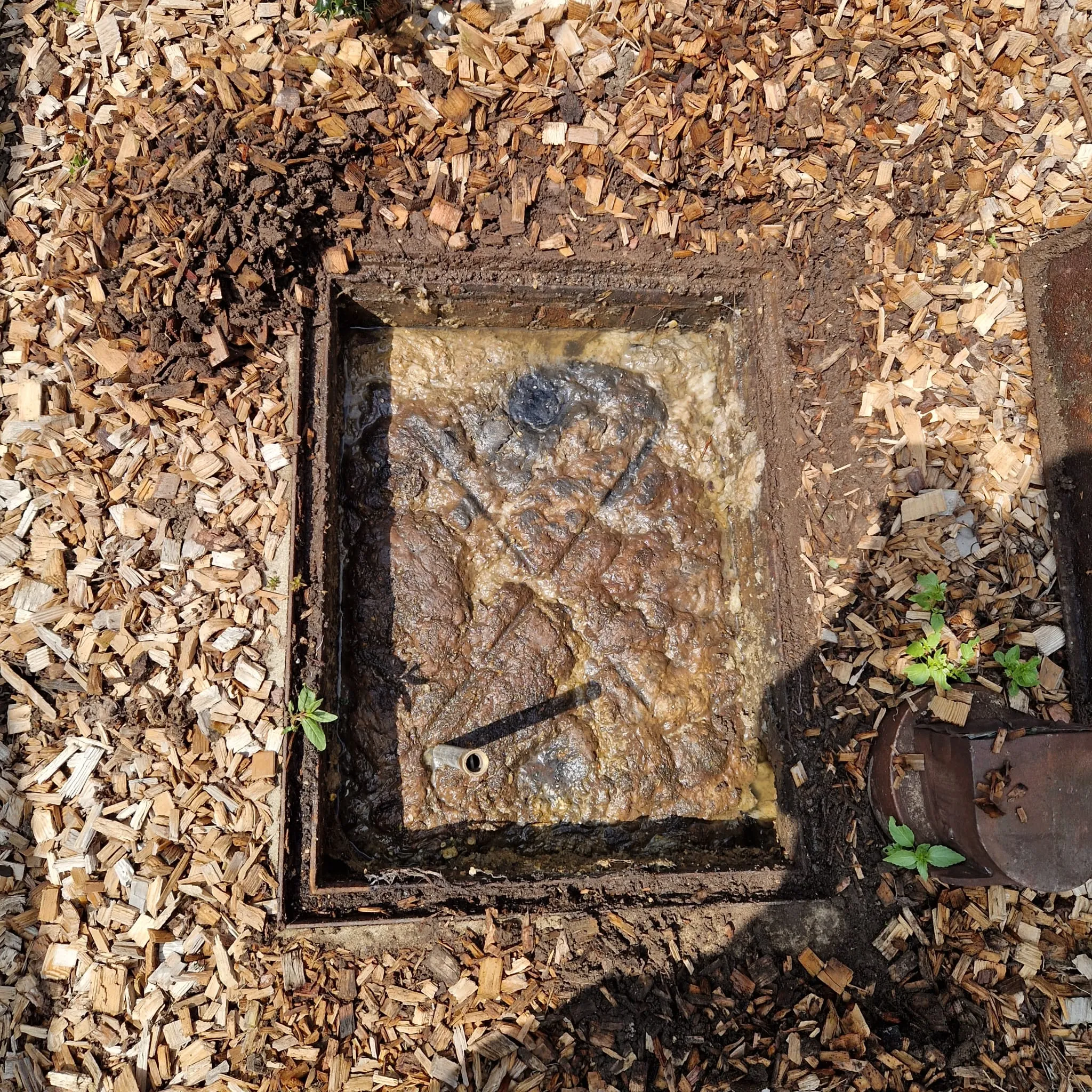
5. Pest Activity Around the Base
Stagnant water in a blocked downpipe attracts insects and, in some cases, rats. Rats in drains often begin their journey when water pooling outside makes a property attractive. If you notice unusual insect activity or droppings near the downpipe outlet, blockage could be the root cause.
6. Sagging or Pulling Away from the Wall
If the downpipe has visibly moved or the brackets holding it are loose, water weight inside is doing damage. The downpipe itself may be cracked, allowing water to escape behind it and soak into the mortar.
The 5-Step DIY Approach to Unblock Your Downpipe
Before you grab a ladder, be honest with yourself about your comfort with heights. Ladder falls send over 9,000 people to A&E each year in the UK. If you’re uncertain, skip to the professional section—the cost difference is minimal against the risk of injury.
Step 1: Safety Check and Ladder Setup
Use a three-point contact rule: two hands and one foot, or two feet and one hand on the ladder at all times. Position it on level ground, never on soil or uneven surfaces. Wear non-slip shoes and consider using a stabiliser bar if the ladder will be touching the downpipe. Follow HSE ladder safety guidance before climbing.
Step 2: Remove Debris from the Gutter Top
Leaves, moss, and twigs in the gutter feed material into the downpipe. Clear the gutter section above the downpipe opening thoroughly using gloved hands or a scoop. This alone fixes roughly 20% of apparent blockages—the water just needed an unobstructed entry point.
Step 3: Probe the Downpipe with a Stiff Wire or Plumbing Snake
Starting from the top, feed a straightened wire coat hanger or a hired plumbing snake down the downpipe. You’ll feel resistance when you hit the blockage. Twist and push gently—don’t force it, as downpipes can crack. If the snake goes through without resistance but water still won’t flow, the blockage may be below the first bend.
Step 4: Pour Warm Water to Clear Soft Blockages
For blockages made of leaves and sediment (the most common type), pour a bucket of warm water from the gutter opening. The warmth can soften up accumulated silt. You might hear a gurgle and see a gush as it clears. This simple method works in about 40% of DIY cases.
Step 5: Check the Outlet and Downpipe Bend
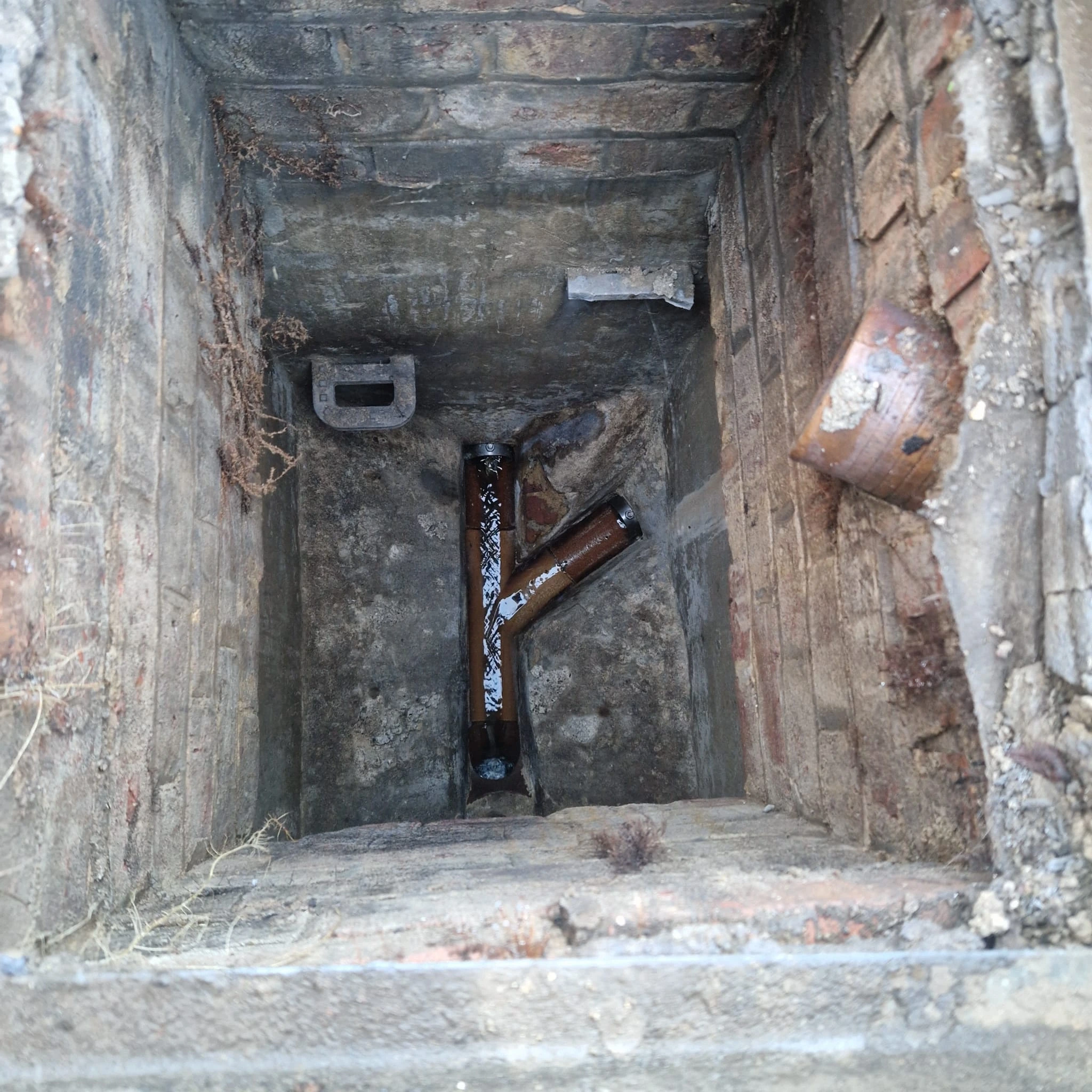
The lower bend or the outlet (where the pipe meets the gully or drainpipe) is a blockage hotspot. If you can safely access the bottom section, check for a removable collar or clean-out point. Some downpipe systems have a collar that unscrews. Once removed, you can often reach in with gloved fingers and pull out compacted debris.
Safety Pause: If the blockage is more than 1.5 metres above ground, the downpipe is corroded or split, or you’ve already spent 15 minutes without success, stop. Continuing risks a fall or damaging the pipe further. Professional unblocking costs £80–£150 and takes 30 minutes.
When a Professional Unblock is the Right Call
Three scenarios demand professional help. First, if your blockage doesn’t respond to the method above, the obstruction may be inside a bend you cannot access or the blockage is caused by a collapsed section of pipe. Second, if the downpipe is corroded or shows cracks, DIY work risks making it worse—you need a qualified assessment. Third, if you’re uncomfortable on a ladder or the property is tall (three storeys or more), hire a drainage professional.
Professional engineers use high-pressure drain jetting to blast through stubborn blockages without damaging the pipe. This method reaches blockages deep inside bends and eliminates the re-blockage risk within 18 months in over 85% of cases.
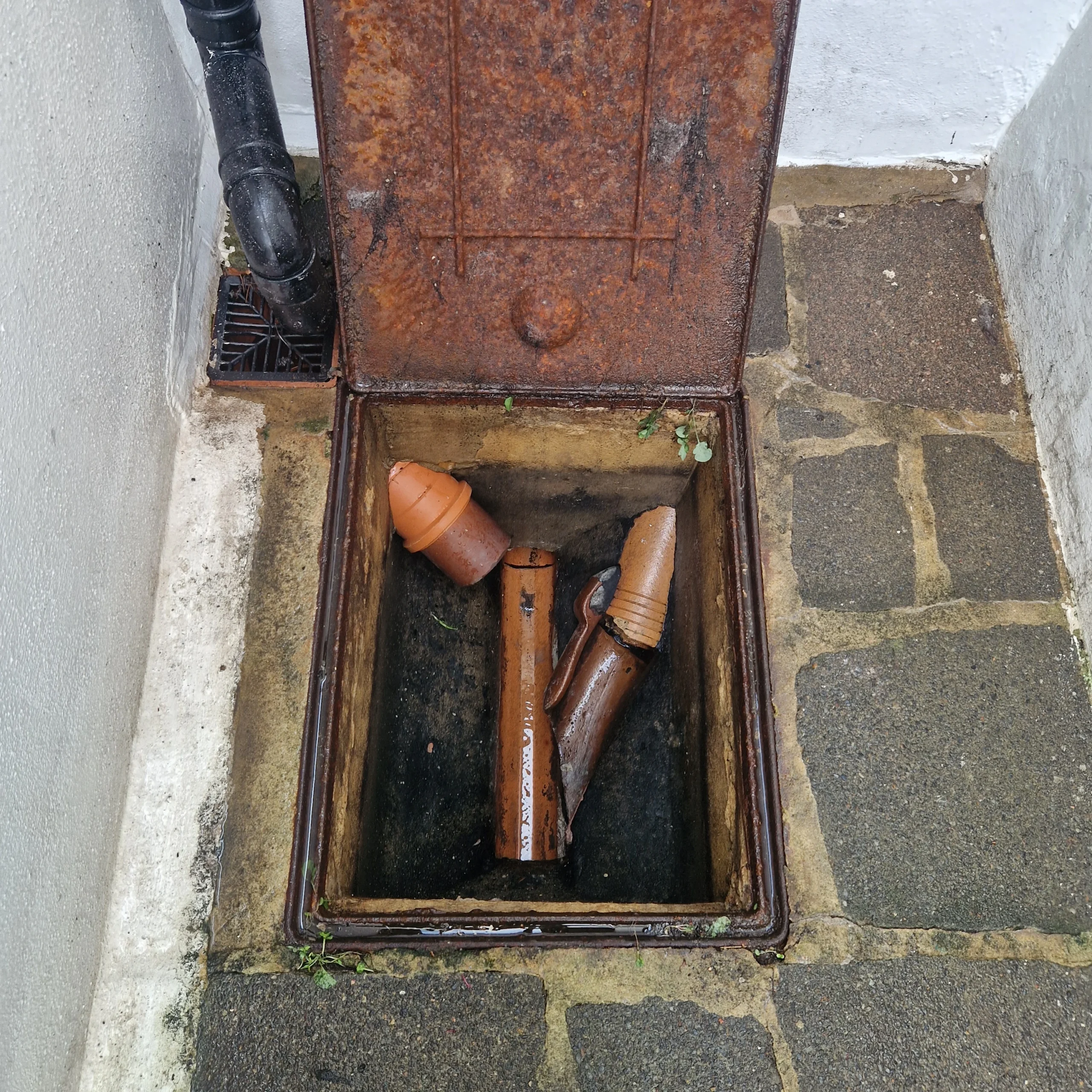
If the blockage returns within weeks or water is pooling around your foundation, don’t delay. A waterlogged garden often develops from chronic downpipe blockages. If infiltration has already caused ground saturation, you may need drainage work beyond simple pipe clearing.
Prevent Future Blocked Downpipes with These Habits
Prevention costs nothing except 20 minutes twice a year. Clear your gutters in autumn (when leaf fall peaks) and spring (when sediment builds up). Install gutter guards if you have overhanging trees—they catch debris before it reaches the downpipe opening.
Inspect the downpipe itself every three months. Look for signs of rust, cracks, or discolouration. If you spot issues early, you can book a professional inspection before a full blockage develops. Properties in areas with heavy rainfall or near trees need attention every eight weeks, not twice yearly.
Check that the downpipe outlet drains properly. Water should flow away from your property, ideally into a gully connected to the main drain or into a french drain if you’re managing surface water runoff. If the outlet is blocked or the outlet pipe is damaged, water pools and causes structural issues even if the main downpipe is clear.
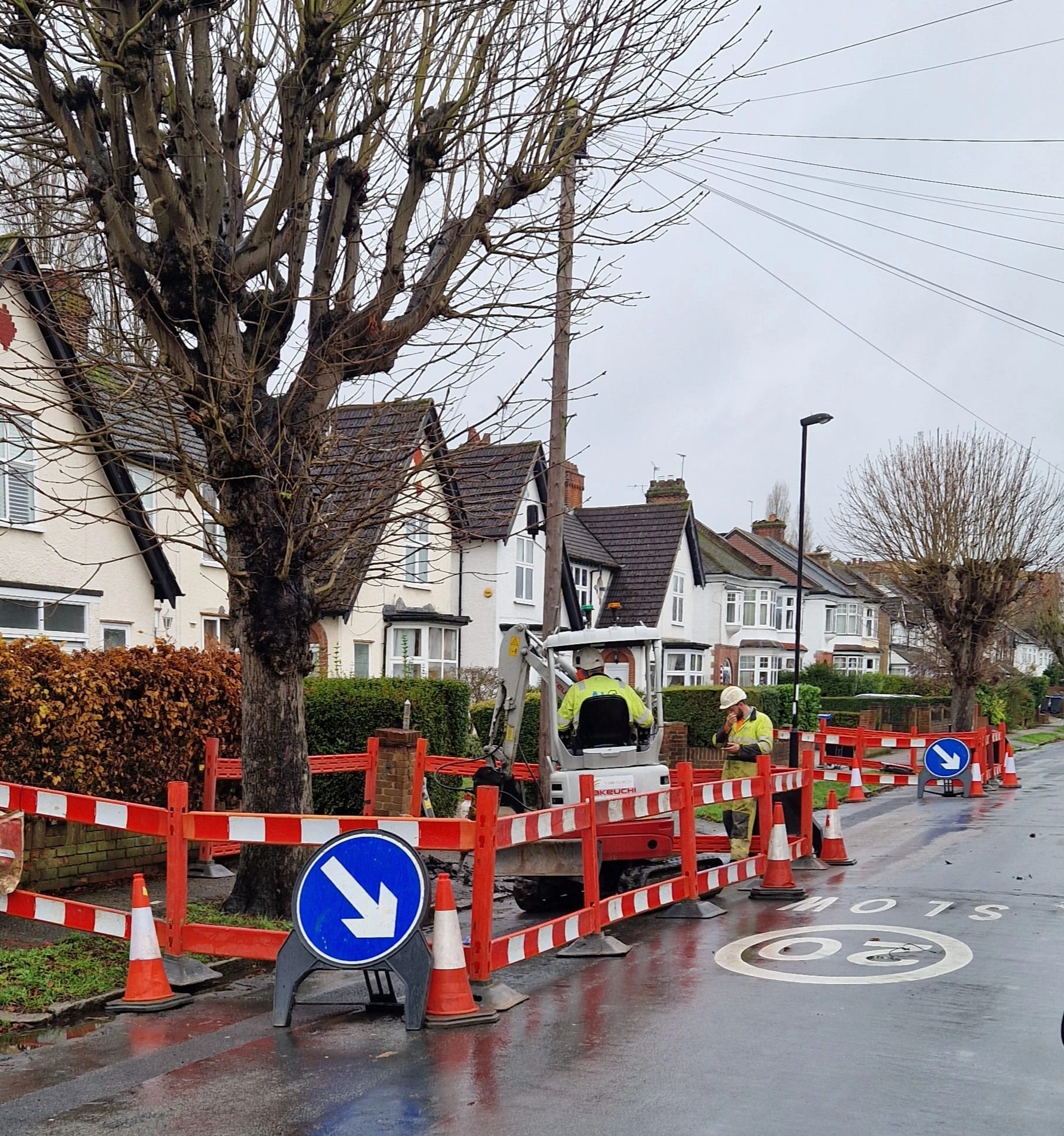
Real example: A property in Purley had a blocked downpipe that homeowners ignored for four months. By the time we were called out, water had penetrated the brickwork mortar, causing efflorescence (white salt staining) and weakening the wall structure. The repair bill was £1,800—repointing, damp-proofing, and a new downpipe section. Simple clearing would have cost £120.
Is It Time to Book a Professional Downpipe Clearance?
If you’ve spotted any of the six warning signs above and your DIY attempts haven’t worked, don’t leave it. Water pooling outside leads to more serious drainage issues if left untreated. Our engineers can clear a blocked downpipe, inspect it for damage, and fit protective guards to prevent re-blockage.
A professional inspection also catches secondary problems—loose brackets, rust, or damage to the downpipe wall—that you might miss. This prevents emergency calls during winter storms when drainage contractors are fully booked.
Common Questions About Blocked Downpipes
Can I pour bleach down my downpipe to clear a blockage?
No. Bleach won’t dissolve leaf matter or silt. It may corrode the downpipe from the inside if it sits stagnant. For organic blockages, warm water or mechanical methods (wire or snake) work. For algae growth on the outside surface, a gentle brush and water jet is safe and effective.
What’s the difference between a blocked downpipe and a blocked drain outside?
A blocked downpipe carries rainwater from the roof gutters. A blocked drain outside typically refers to surface water drains, foul drains, or underground piping that connects the downpipe outlet to the main sewer. A blocked drain outside may include the downpipe outlet, but the term is broader. The fix method differs: downpipes are accessible from outside the building, whilst external drains often require excavation.
How often should I have my downpipe cleared professionally?
Once yearly is standard in low-blockage areas. If your property is surrounded by trees or in a high-rainfall region, twice yearly is wise. If you’ve had a blockage, book a professional inspection within three months to catch any secondary damage. Installing gutter guards extends the interval significantly.
The Real Cost of Ignoring a Blocked Downpipe
Brickwork damage from water penetration costs £500–£2,000 to repair. A professional downpipe clearing costs £80–£150 and takes 30 minutes. The maths is stark: ignore a blockage for six months and you’re paying ten times more to fix the damage it caused.
Beyond money, water infiltration affects your property’s survey value and insurance claims if damp develops. It also creates conditions that attract pests—both insects and rodents thrive in the damp soil around a leaking downpipe.
Don’t wait for the damage to become visible. If you’ve spotted any of the six warning signs, or if your gutters frequently overflow during rain, book a professional downpipe clearance now. Most urgent call-outs can be arranged within 48 hours, and the peace of mind is worth far more than the cost.
Understanding blocked downpipe early helps you budget and avoid bigger repair bills later.
No comments yet. Be the first to leave a review.
Comments are closed for this post.