
Drain Cleaning That Clears the Build-Up Before It Blocks
High-pressure jetting, descaling and gully clearing that strips grease, scale and silt back to clean pipe — so a slow drain never becomes an emergency.
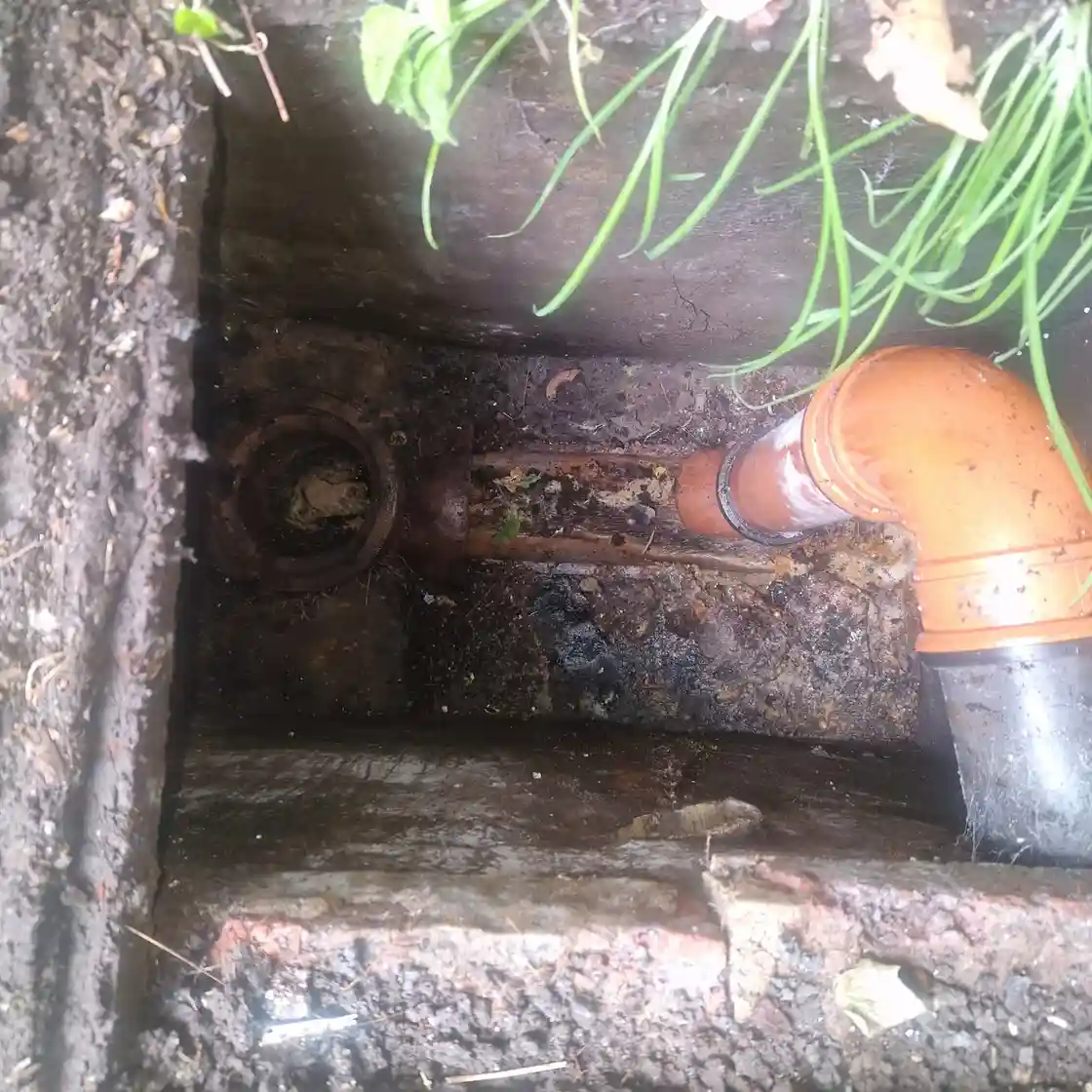
What Drain Cleaning Services Actually Involve
Drain cleaning services remove the build-up that narrows a pipe over time — fat and grease, soap scum, scale, silt and debris — before it turns into a full blockage. The work is usually done with high-pressure water jetting, backed up by rodding or descaling where needed, and finished with a flow check to prove the pipe is running clear. Regular cleaning keeps the drain flowing freely and heads off the emergency call-out that a neglected pipe eventually forces.
Most people only think about their drains when something stops flowing. The truth is that almost every blockage we clear started months earlier as a thin layer of grease or scale on the pipe wall, narrowing it a little more with each wash and each fry-up until the day it finally closed over. Cleaning catches that build-up while it's still soft and shallow, which is why a planned clean costs a fraction of a 2am emergency.
It matters most in the older drainage you find right across the region — the clay runs under Croydon and Purley, the long garden gullies out through Surrey, and the salt-worn pipework along the Sussex coast. Grease sets harder in cold clay, hard-water scale builds quietly in Surrey, and autumn leaves choke coastal gullies every year. A proper high-pressure jetting visit strips all of it back to the bare pipe rather than just punching a hole through the middle.
If you're not sure whether you need cleaning or something more, the simple rule is this: drain cleaning keeps a working drain flowing and clears build-up before it blocks, while a drain that has already stopped completely is a drain unblocking job, and a pipe that keeps re-blocking in the same spot usually needs a repair.
Drain Cleaning, Unblocking or Repair? How to Tell
All three sound similar, but they solve different problems. Picking the right one saves you money — and we'll always tell you which your drain actually needs.
Drain cleaning is preventative and maintenance work: it clears grease, scale and silt from a drain that's still flowing, so it doesn't block. Unblocking is reactive: it clears a drain that has already stopped. Repair fixes the pipe itself when it's cracked, collapsed or root-damaged. If the same drain keeps blocking after cleaning, the pipe — not the build-up — is the real problem.
| What's happening | What you need | Why |
|---|---|---|
| Drain still flows but slower than usual; smells starting | Drain cleaning | Build-up is narrowing the pipe; jetting clears it before it blocks. |
| Regular grease, scale or leaf build-up; want to prevent blockages | Cleaning / maintenance plan | Scheduled jetting keeps the run clear and avoids emergencies. |
| Drain has stopped completely right now | Drain unblocking | The blockage needs clearing first; cleaning follows to finish the job. |
| Same drain keeps blocking in the same spot | Drain repair | A structural fault is catching debris; cleaning alone won't hold. |
| Commercial kitchen, flats or managed property | Planned cleaning | High grease and heavy use need regular jetting to stay compliant and clear. |
Not sure which you're dealing with? Send us your postcode and a quick description and we'll tell you honestly, before quoting a fixed price.
Six Signs Your Drain Is Due a Clean
A drain rarely blocks without warning. Catch these signs early and a clean sorts it; ignore them and you're heading for a blockage. These are what we look for.
Water draining slowly
The earliest sign of all. A sink, bath or shower emptying slower than it used to means build-up is narrowing the pipe. A clean now is far cheaper than the blockage it's heading towards.
Smells rising from the drain
A musty or foul odour from plugholes or outside gullies usually means food, grease or organic matter is rotting inside the pipe. Jetting clears the source rather than masking it.
Gurgling sounds
Bubbling or gurgling when water drains away means air is trapped behind a partial build-up. It's the pipe telling you it's narrowing well before it closes over completely.
Repeated minor blockages
Plunging or rodding the same sink every few weeks is a sign of grease or scale on the pipe wall. A proper jetting clean strips it back so the problem stops returning.
Outside gully filling up
Leaves, silt and grit collect in outdoor gullies, especially after heavy rain along the Sussex coast. Cleared early, it's routine; left alone, the next downpour floods the patio.
It's simply been years
If a drain has never been cleaned, build-up is almost certainly there. A first jetting clean tells you exactly what state the pipe is in.
The Cleaning Methods We Use, and When
Our drain cleaning services match the method to the build-up. For most drains that's high-pressure jetting; for others, rodding or descaling does the job better. We use what actually clears it.
High-pressure water jetting
A high-pressure hose cuts through grease, scale and root debris and flushes it away, scouring the pipe back to its full bore rather than just clearing a channel.
- Clears grease, fat, silt and soft scale
- Restores the full diameter of the pipe
- Suitable for most domestic and commercial runs
- More on high-pressure flushing
Mechanical rodding
For compact debris or where jetting access is tight, rotating rods break up the blockage by hand-fed mechanical action. Often paired with jetting to finish.
- Good for reachable, compacted build-up
- Works where space limits jetting
- See jetting vs rodding
- Frequently used alongside a jet wash
Descaling
Hard-water areas across Surrey build limescale and mineral crust inside cast iron and clay pipes. Descaling cutters and jetting strip it back to a smooth wall.
- Targets limescale and mineral build-up
- Restores flow in older cast iron pipes
- Slows how quickly scale returns
- Often needed in hard-water postcodes
Scheduled maintenance cleaning
For landlords, restaurants and managed properties, regular planned jetting keeps high-use drains clear and stops emergencies before they start.
- Ideal for kitchens and flats with heavy grease
- Predictable monthly cost, no surprise call-outs
- Keeps commercial drains compliant and flowing
- See our maintenance plans
How often should you clean your drains?
| Property type | Suggested cleaning interval | Why |
|---|---|---|
| Average household | Every 18–24 months | Routine grease and soap build-up stays manageable. |
| Older home with clay drains or trees nearby | Every 12 months | Clay and root-prone runs build up and snag faster. |
| Home with a history of blockages | Every 6–12 months | Keeps a known problem run clear before it recurs. |
| Restaurant or commercial kitchen | Every 1–3 months | Heavy grease loads need frequent jetting to stay clear. |
| Flats or managed property | Every 3–6 months | Shared, high-use drains build up quickly. |
Guideline intervals from jobs across the region; the right schedule for your property depends on its age, use and history. Read more on how often to schedule drain cleaning.
What Happens, Step by Step
No guesswork and no surprise bill at the end. You agree the price before we start, and we leave you with a drain flowing as it should.
Assess the drain
We check how the drain is running and work out what has built up and where.
Same dayOne fixed price
You get a single, clear price for the clean before any work begins. No call-out fee, and nothing added later.
On the spotJet and clear
We jet, rod or descale as the build-up demands, scouring the pipe back to its full bore rather than just freeing a channel.
Most jobs, one visitCheck and confirm
A final flow check confirms the drain is clear, with the work backed by our guarantee.
Before we leave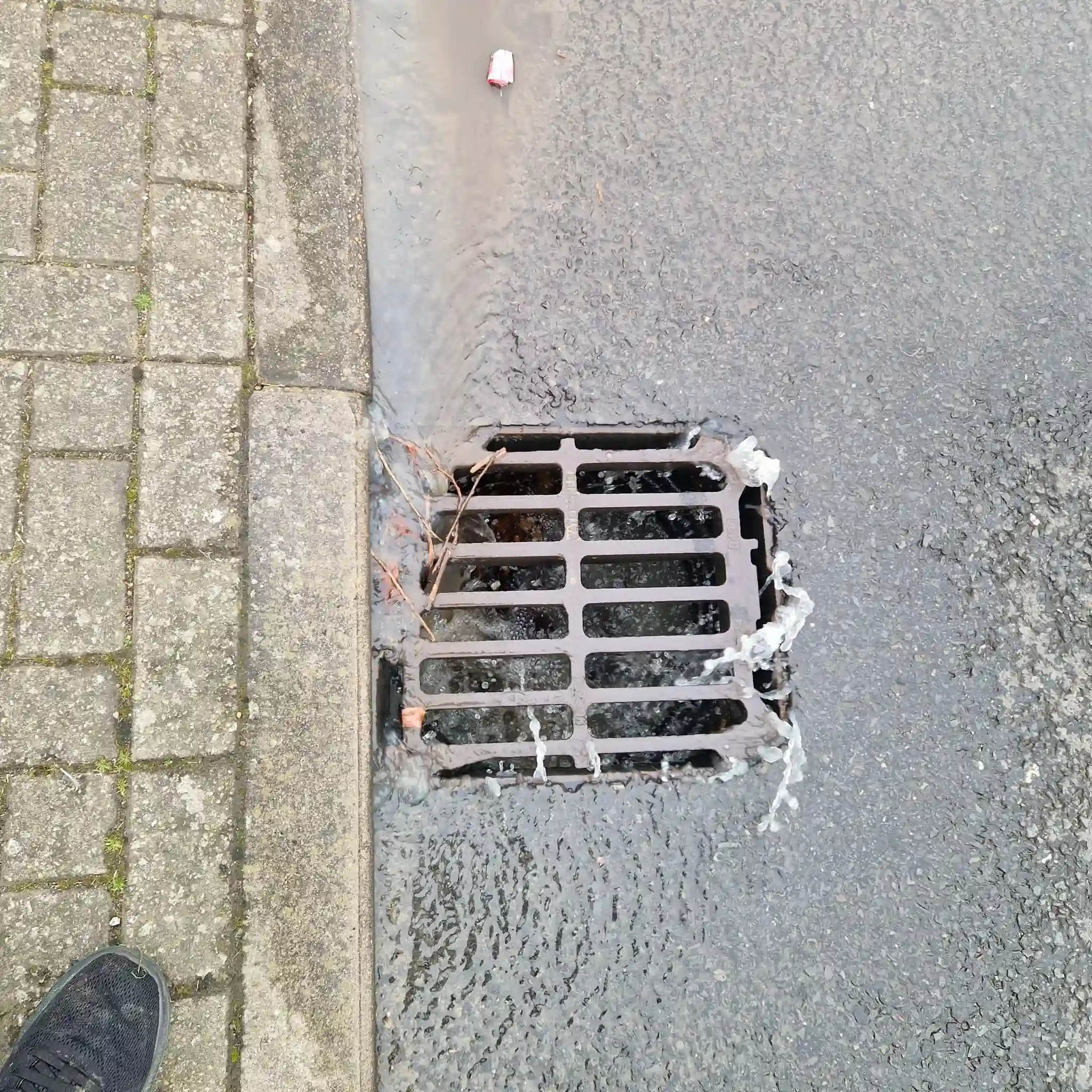
A Clean That Strips the Pipe, Not Just the Middle
Shop-bought drain chemicals and a quick rod might clear a channel through the middle of the build-up, but they leave the grease and scale lining the pipe wall — which is why the drain slows again within weeks. High-pressure jetting is different: it scours the whole inner surface back to bare pipe, so the drain runs at full capacity and stays clear far longer.
- Removes the build-up completely, not just a hole through it
- Restores the full diameter, so flow returns to normal
- No harsh chemicals that can damage older clay and cast iron
Chemicals also have a habit of making things worse in old pipework, and they rarely touch a real build-up. If you want to know why, our team explains why professional drain cleaning beats DIY and clears up the common drain cleaning myths worth ignoring.
What Decides the Cost of a Drain Clean
The price of a drain clean is set mainly by the method needed, how much build-up there is, the length and accessibility of the pipe, and whether it's a one-off clean or part of a maintenance plan. A single accessible domestic drain sits at the low end; a heavily scaled commercial run, or a property needing several drains cleaned, sits higher.
We don't publish a flat price, because every drain is carrying a different load. What we do is look at it, tell you what it needs, and give you one fixed figure that won't move once work starts. Planned maintenance cleaning almost always works out cheaper per visit than waiting for an emergency, which is why landlords and restaurants tend to put a schedule in place. For a sense of real-world ranges on jetting work, see our drain jetting cost guide.
Drain Cleaning Across London, Surrey and Sussex
Our engineers are based right across South East England rather than in one far-off depot, so a specialist with jetting kit already in the van is rarely far from your door.
Plus the towns and villages in between, right across the region — from South London's CR postcodes and the Surrey commuter belt through West and East Sussex down to the coast. Browse all the areas we cover, or send us your postcode and we'll confirm cover in seconds.
Services Often Needed Alongside a Clean
A clean rarely turns up on its own. Here's what usually sits either side of it.
Drain Cleaning: Your Questions Answered
What's the difference between drain cleaning and drain unblocking?
Drain cleaning is preventative: it clears grease, scale and silt from a drain that's still flowing, so it doesn't block in the first place. Unblocking is reactive: it clears a drain that has already stopped. The two often go together — we clear the blockage, then clean the run properly so it stays clear. If a drain keeps re-blocking after cleaning, the pipe itself usually needs a repair.
How often should drains be cleaned?
For an average household, every 18 to 24 months keeps build-up manageable. Older homes with clay drains or nearby trees benefit from a yearly clean, and any property with a history of blockages is better served every 6 to 12 months. Commercial kitchens need it far more often — every one to three months — because of the grease load. The right interval depends on your property's age, use and history.
Is high-pressure jetting safe for my pipes?
Yes, when it's done by an experienced engineer at the correct pressure for the pipe. Jetting is the standard professional method precisely because it cleans thoroughly without the harsh chemicals that can damage older clay and cast iron. We assess the pipe first — if a run is already badly damaged, we tell you and hold off jetting rather than making a weak pipe worse.
Do chemical drain cleaners actually work?
Rarely on a real build-up. Shop-bought chemicals might shift a light, fresh clog, but they don't clear set grease, scale or roots, and they can corrode older pipework. They also tend to clear a narrow channel while leaving the pipe wall coated, so the drain slows again within weeks. Jetting strips the whole surface back to bare pipe, which is why the result lasts.
How long does a drain cleaning visit take?
A straightforward jetting clean on an accessible domestic drain is usually done within an hour or two on a single visit. Heavily scaled pipes, several drains, or commercial runs take longer. You'll get a realistic timescale alongside your fixed price before anything starts, so there are no surprises.
Can regular cleaning stop blockages happening?
Largely, yes. Most blockages start as build-up that grows slowly over months, so clearing it on a sensible schedule means it never reaches the point of blocking. That's exactly why landlords, restaurants and managed properties put a planned cleaning schedule in place — it's far cheaper and less disruptive than an emergency call-out.
Do you charge a call-out fee for drain cleaning?
Never. There's no call-out fee on any drainage job anywhere in South East England. You get a fixed price for the clean agreed upfront, so you know exactly what it costs before we begin, and the quote itself is free.
Do you clean both household and commercial drains?
Both. We clean drains for homeowners, landlords, restaurants, shops, offices, schools and managed properties across the region. Every engineer is fully insured with public liability cover, Enhanced DBS-checked, and carries jetting and rodding kit, so most cleans are finished in a single visit.
Slow, Smelly or Neglected Drain? One Call, One Fixed Price, No Call-Out Fee.
Tell us what your drain is doing and we'll clean it properly — jetting it back to full flow and checking it's genuinely clear before we leave.