
Drain & Sink Unblocking Services in South London & Surrey
Fast, reliable, and available around the clock — fixed pricing agreed up front, with no hidden fees and no surprises.
Blocked Drain? We Get Things Flowing Again — Fast
A blocked drain rarely picks a convenient moment. One day water drains away as it should, and the next you are watching a sink fill up, listening to a toilet gurgle, or stepping around a puddle that should not be there.
Left alone, a small blockage doesn't stay small for long. Water starts draining slower, a smell creeps in, and if it's ignored long enough you're looking at an overflow that can damage flooring and fittings. We work across South London and Surrey clearing blockages before they get to that point, and we agree the price with you before any work starts.
It doesn't matter whether it's a kitchen sink, a slow bathroom drain, an outside gully, or a shared drainage run; our engineers have dealt with it before. Clearing what's blocking the pipe today is only step one. We check what caused it, so the fix actually holds rather than needing a repeat visit in a few months.
Every job follows the same pattern: we turn up when we said we would and tell you plainly what we found. Then we agree a fixed price and get on with the work, leaving the place as tidy as we found it. For anything urgent, the emergency team answers every day of the year, so a problem doesn't sit getting worse while you wait on hold.
How We Unblock Your Drain — Step by Step
Good drainage work is methodical, not guesswork. Our three-stage approach makes sure the blockage is found, removed, and verified — so you are not calling someone back out a week later for the same fault.
Inspect & Diagnose
We find exactly where the blockage sits and what caused it, working through the chambers and the pipe run rather than guessing.
Clear the Drain
We remove the obstruction with the right tool for the job — high-pressure water jetting or mechanical drain rodding and snaking.
Test & Clean
We run water through the system to confirm a full free flow, then leave the area as tidy as we found it.
Blocked Sinks, Toilets & Outside Drains We Clear Every Day
We clear the full range of everyday blockages, and although no two blocked drains are identical, the same culprits come up again and again across thousands of callouts. Kitchen sinks and waste pipes are the most common: cooking fat, oil and food scraps cool and harden inside the pipe until water can barely pass, so we cut through the build-up and restore the pipe to its full bore rather than pushing the problem further down the line. Blocked toilets, usually caused by wet wipes, sanitary products or excess paper, are next, followed by baths and showers slowed by hair and soap scum. Outside, we clear gullies and manholes choked by silt, leaves, grease and tree roots that have worked into the pipe joints. We handle single slow fixtures and whole properties where nothing drains, for homes and businesses alike, and our engineers carry the equipment to deal with each of these on the first visit.
Kitchen Sinks & Waste Pipes
Cooking fat, oil, and food scraps cool and harden inside the pipe, narrowing it until water can barely pass. We cut through that build-up and restore the pipe to its full bore, rather than simply pushing the problem further down the line.
Toilets That Keep Blocking Up
Wet wipes, excess paper, and items that should never be flushed are the usual cause of a recurring toilet blockage. We clear the obstruction and check the run beyond the pan to make sure nothing is left waiting to cause the next backup.
Showers, Baths & Bathroom Drains
Hair and soap residue knit together into a stubborn plug that slows every drain in the bathroom. A quick mechanical clear and a flush-through gets the water moving freely again.
Outdoor Drains, Gullies & Inspection Chambers
Leaves, silt, garden debris, and root intrusion all conspire to block external drains. Our outdoor drain cleaning and high-pressure jetting strip the pipe walls clean and get surface water draining away from your property as it should.
If you suspect something more serious than a simple blockage — repeated backups, a collapsed section, or a foul smell that will not shift — tell us. We will work out what is going on underground, and our drain repairs team can put it right.
Why choose us for drain unblocking?
Choose us for drain unblocking because plenty of companies can clear a drain, but far fewer combine real drainage experience with pricing you can trust and a finish you would be happy to show a neighbour. We focus exclusively on drainage, so the engineer who turns up does this work day in, day out rather than as a sideline, and that shows in a sharper diagnosis. As a dedicated drainage company we invest in professional jetters and modern diagnostic equipment, so blockages are cleared quickly and stay cleared instead of returning within weeks. You get one fixed price agreed before any work begins, with no call-out fee and no hourly rate creeping up because it is a weekend. We answer the phone ourselves, day or night, and the same engineer who diagnoses the problem carries out the fix and leaves the area clean. Honest advice, honest pricing, and a job done properly the first time.
As a dedicated drain unblocker company, we invest in professional drain jetters and modern diagnostic technology so blockages are cleared fast and stay cleared. Whether you need a straightforward sewer line clean out or a full emergency drain service in the middle of the night, you get the same standard: lasting results, a clear price agreed beforehand, and absolutely no hidden costs bolted on at the end.
We treat your property with respect, leave the work area clean, and explain what caused the problem so you can avoid a repeat. That is what keeps our customers across London and Surrey coming back and recommending us.
What equipment do we use for a lasting fix?
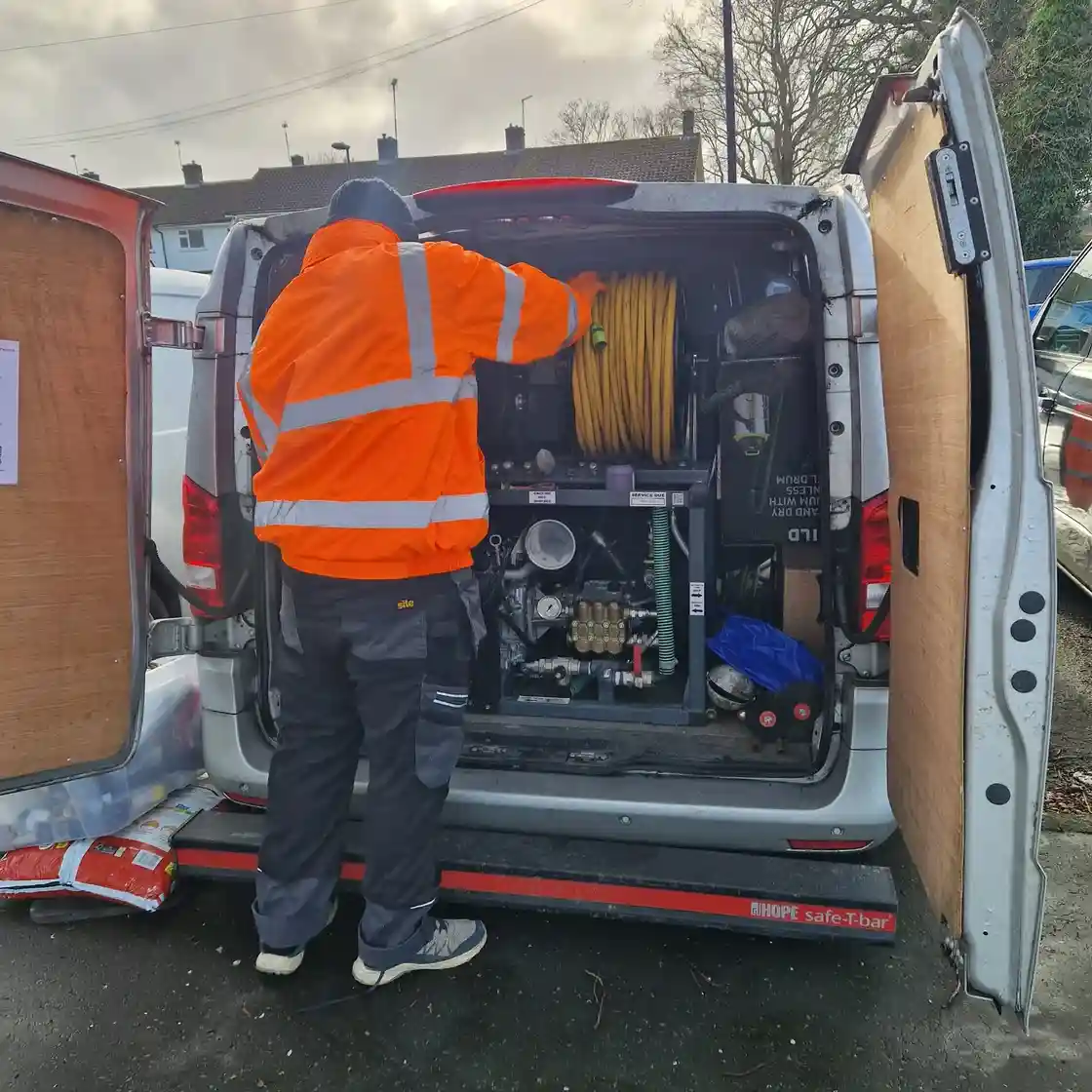
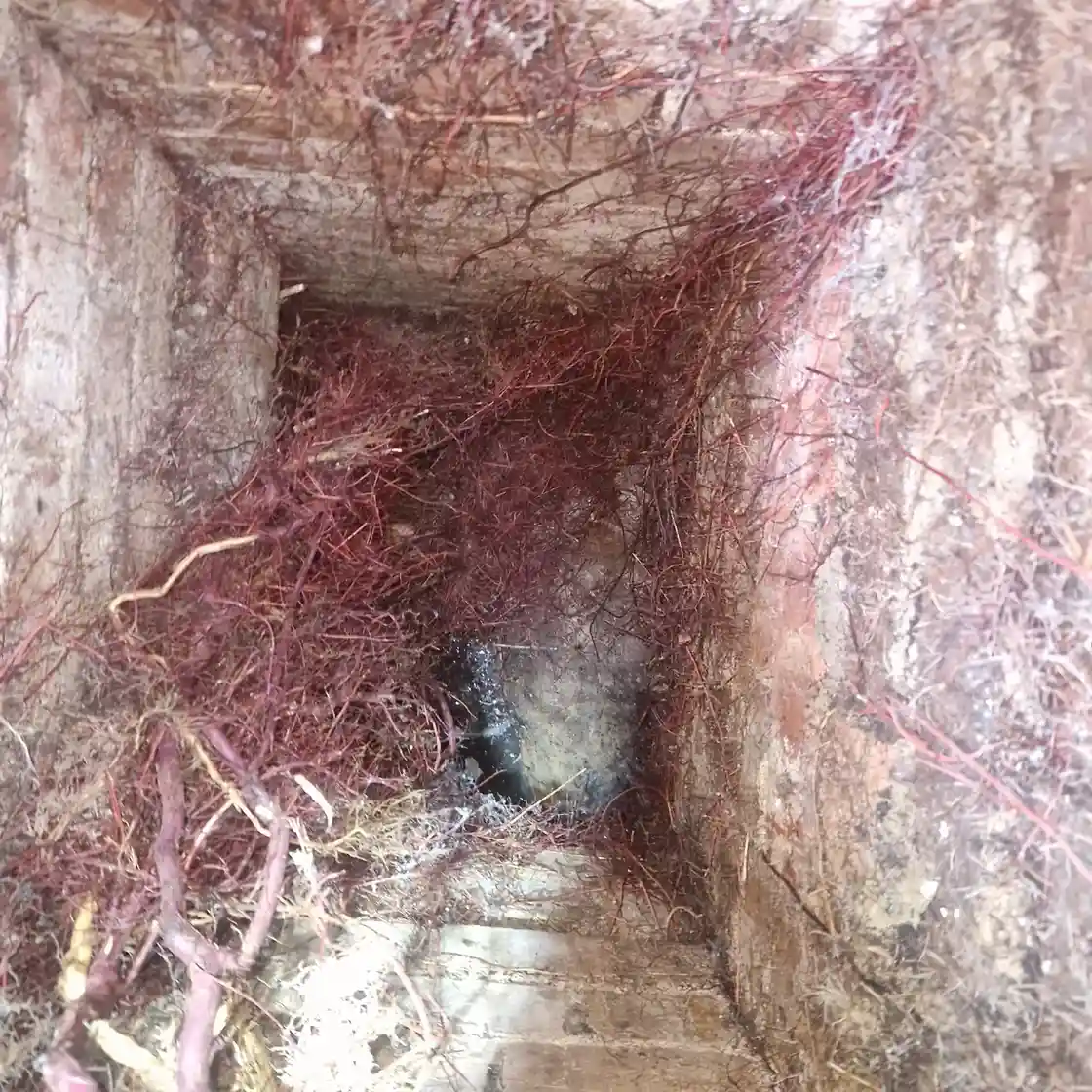
A lasting fix comes from matching the right equipment to the blockage rather than forcing one technique to do everything. Our main tool is high-pressure water jetting: a controlled jet of water scours grease, scale and debris from the full circumference of the pipe, which is far more thorough than rodding alone and ideal for a proper sewer line clean out. For solid obstructions and tight bends, mechanical drain snaking and rodding break through and pull the blockage clear without damaging the pipe. Where tree roots are the problem, we jet with a specialist root-cutting head to remove the mass and reopen the full bore. And when a drain keeps blocking, we look for the underlying structural cause, such as a cracked joint or a partial collapse, so the right repair can be done once. The result is a drain that is properly cleared, not just temporarily relieved.
High-Pressure Water Jetting
A controlled jet of water scours grease, scale, and debris from the full circumference of the pipe — far more thorough than rodding alone and ideal for a proper sewer line clean out.
Drain Snaking & Rodding
For solid obstructions and tight bends, mechanical drain snaking breaks through and pulls the blockage clear without damaging the pipe.
Root-Cutting Jetting Heads
Where tree roots have worked into the pipe, we jet with a specialist cutting head to strip the root mass out and reopen the full bore.
Want the pipework kept healthy long-term? Our regular professional drain cleaning removes the build-up that causes most repeat blockages.
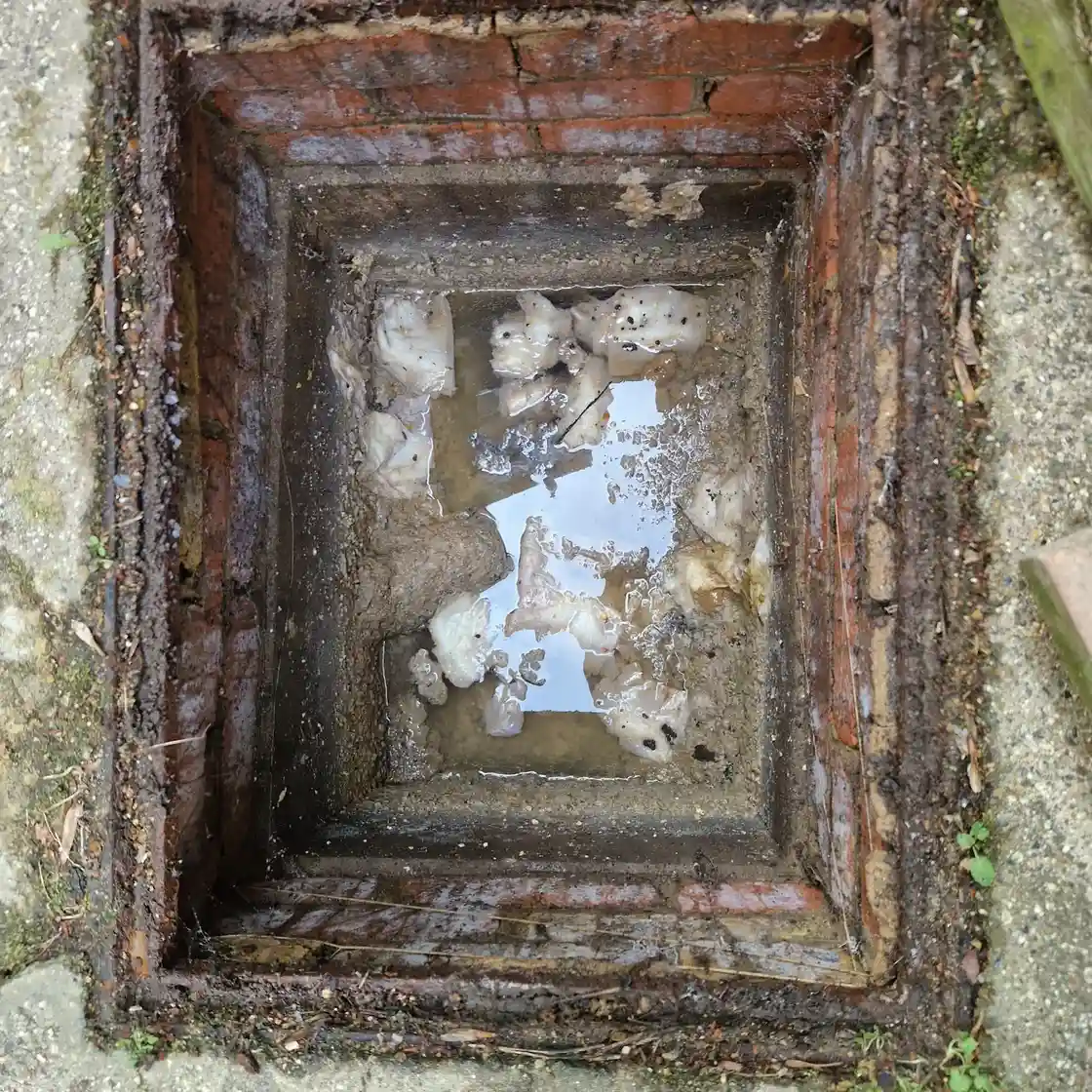
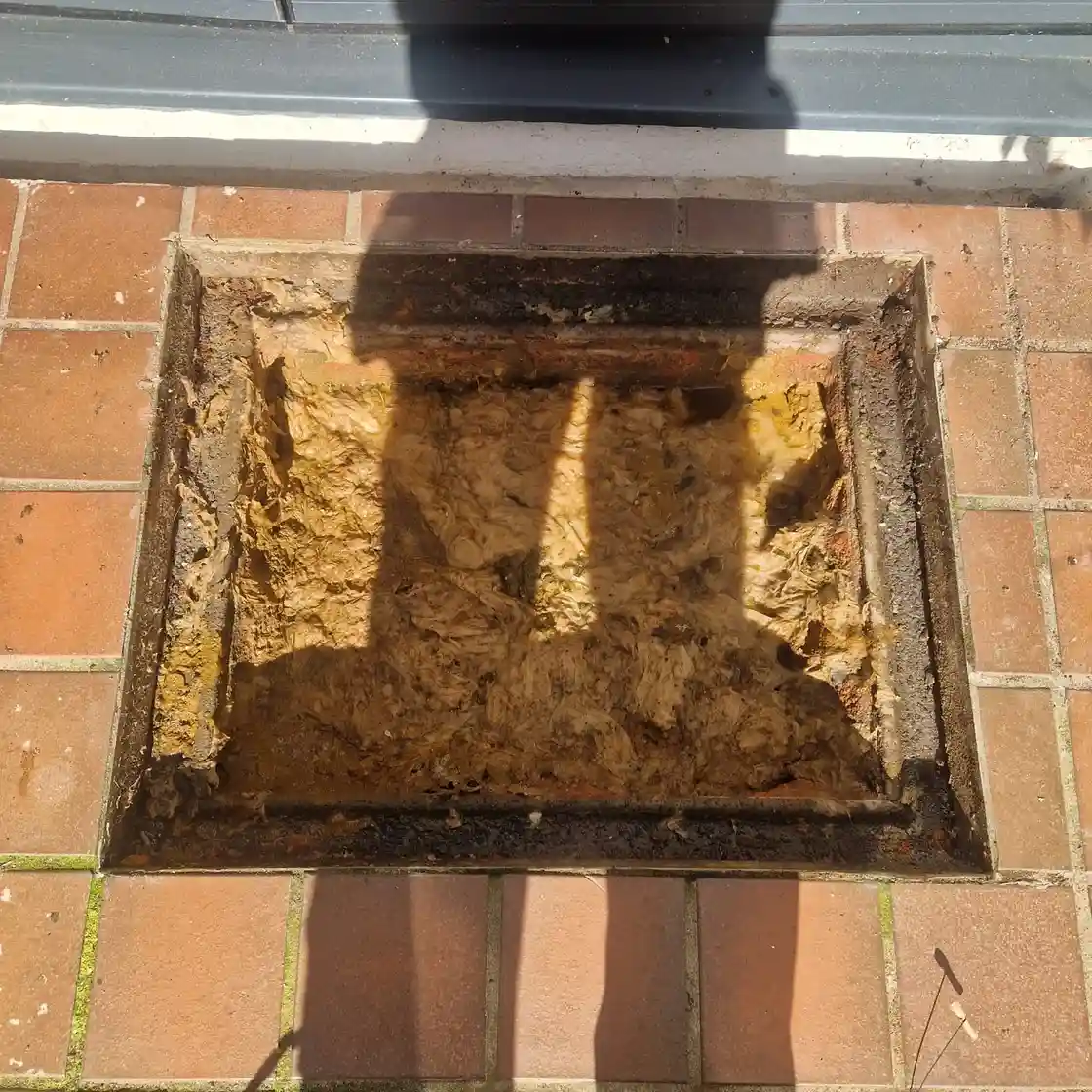
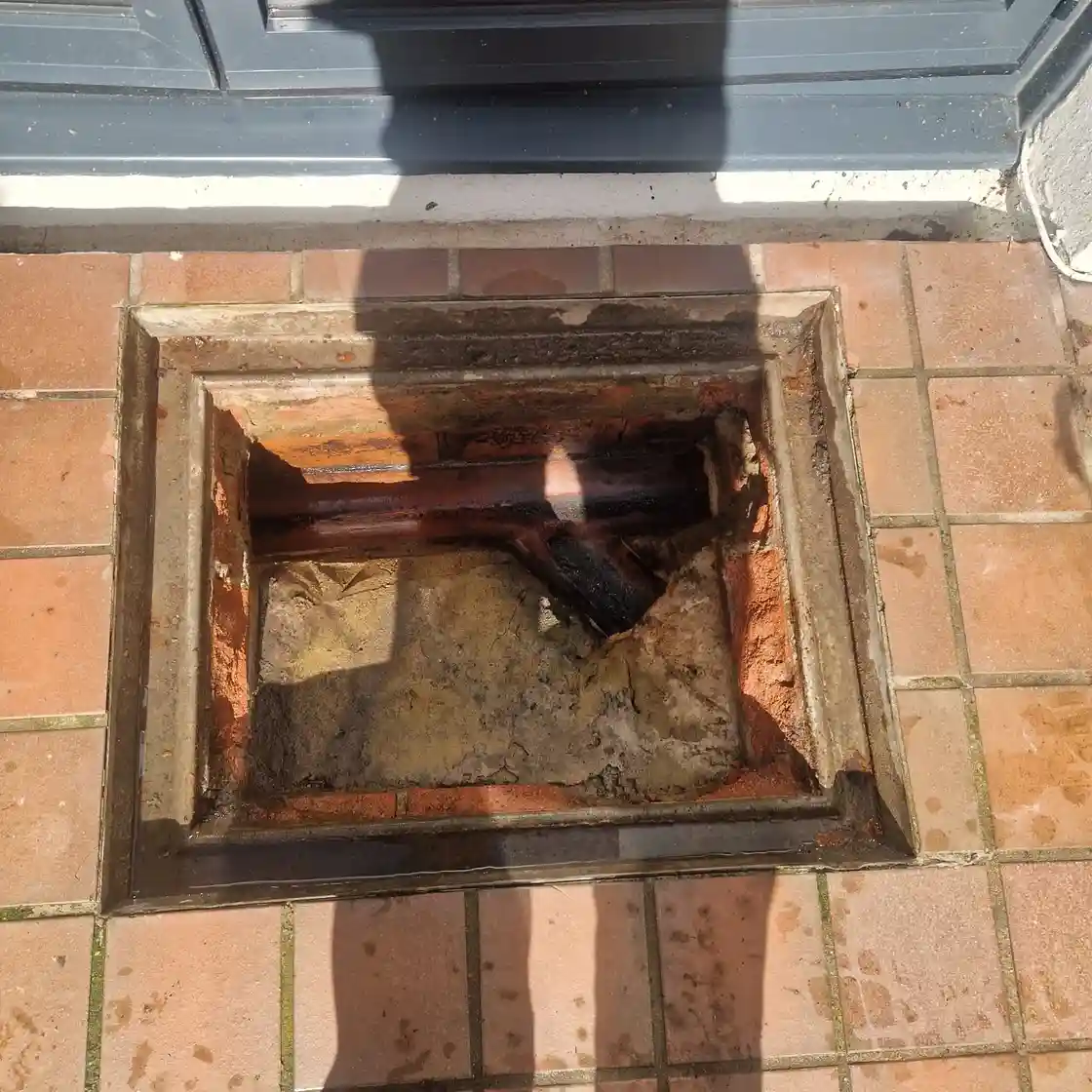
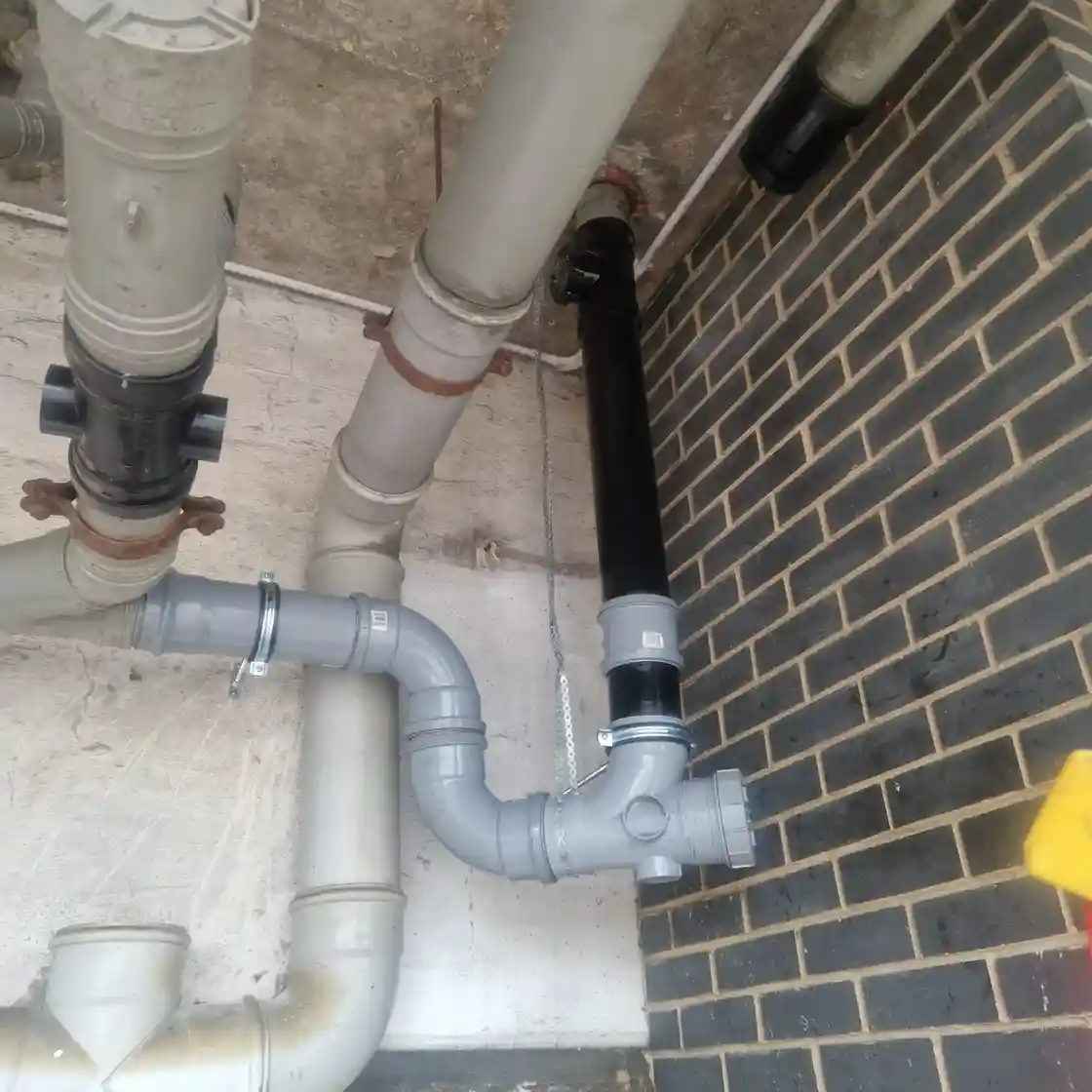
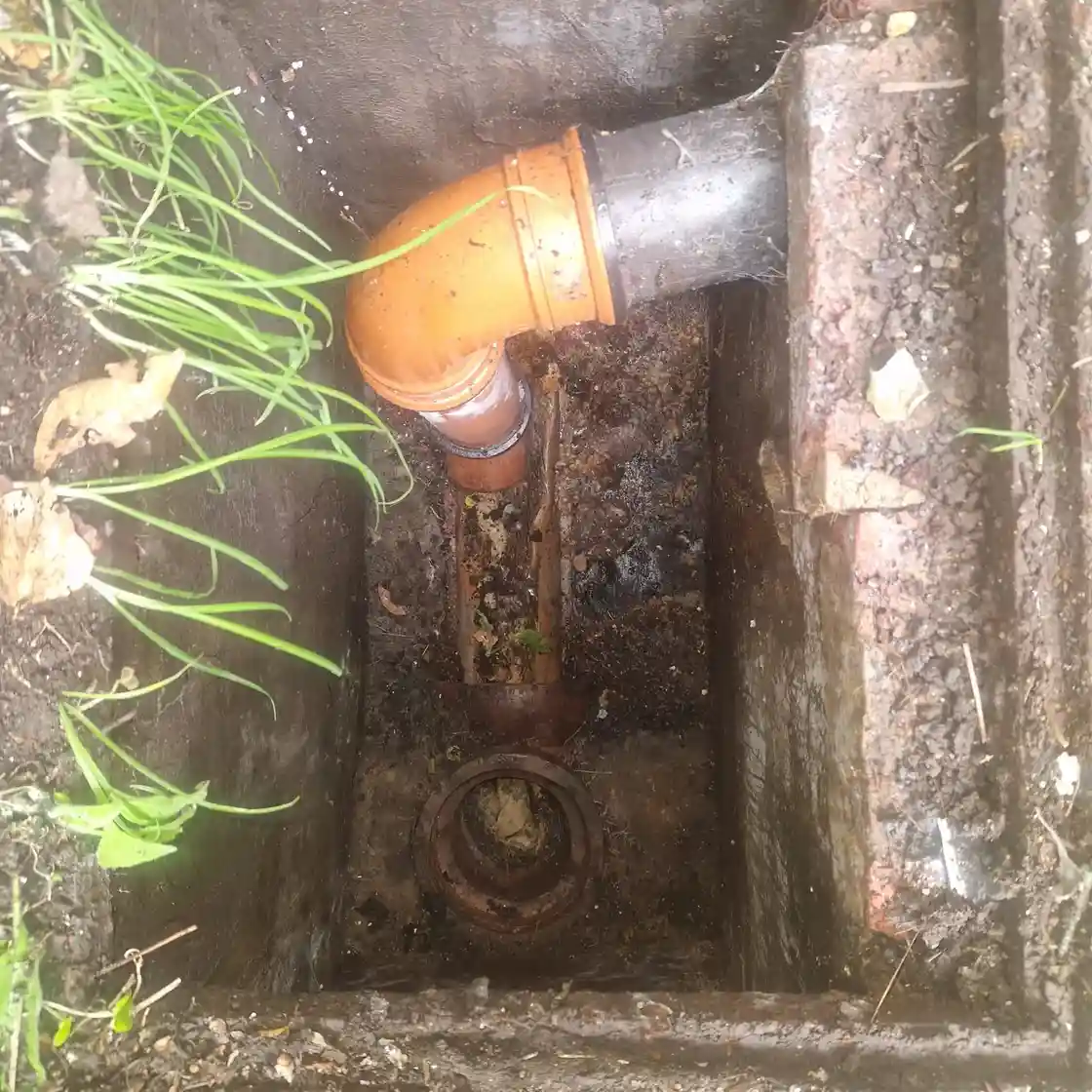
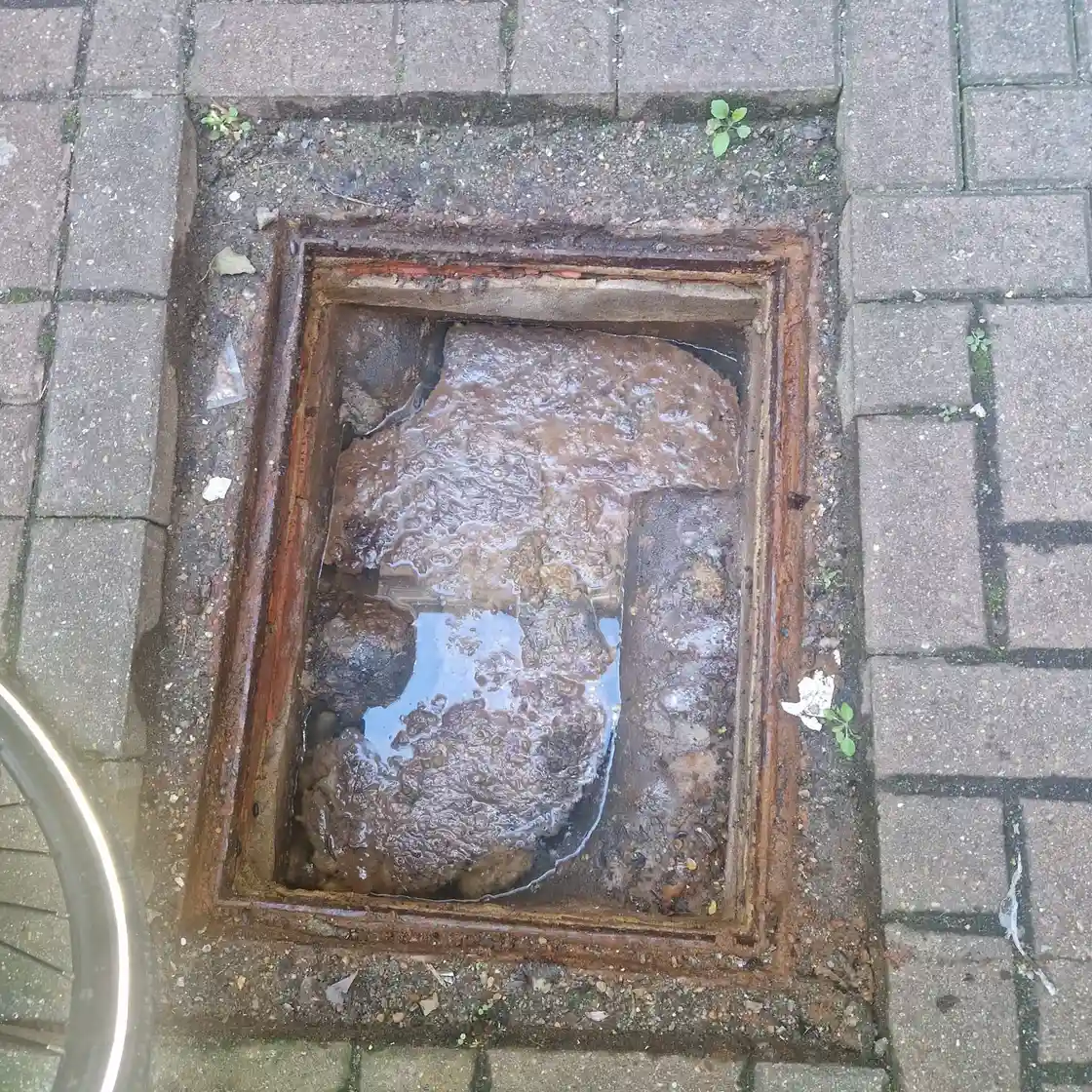
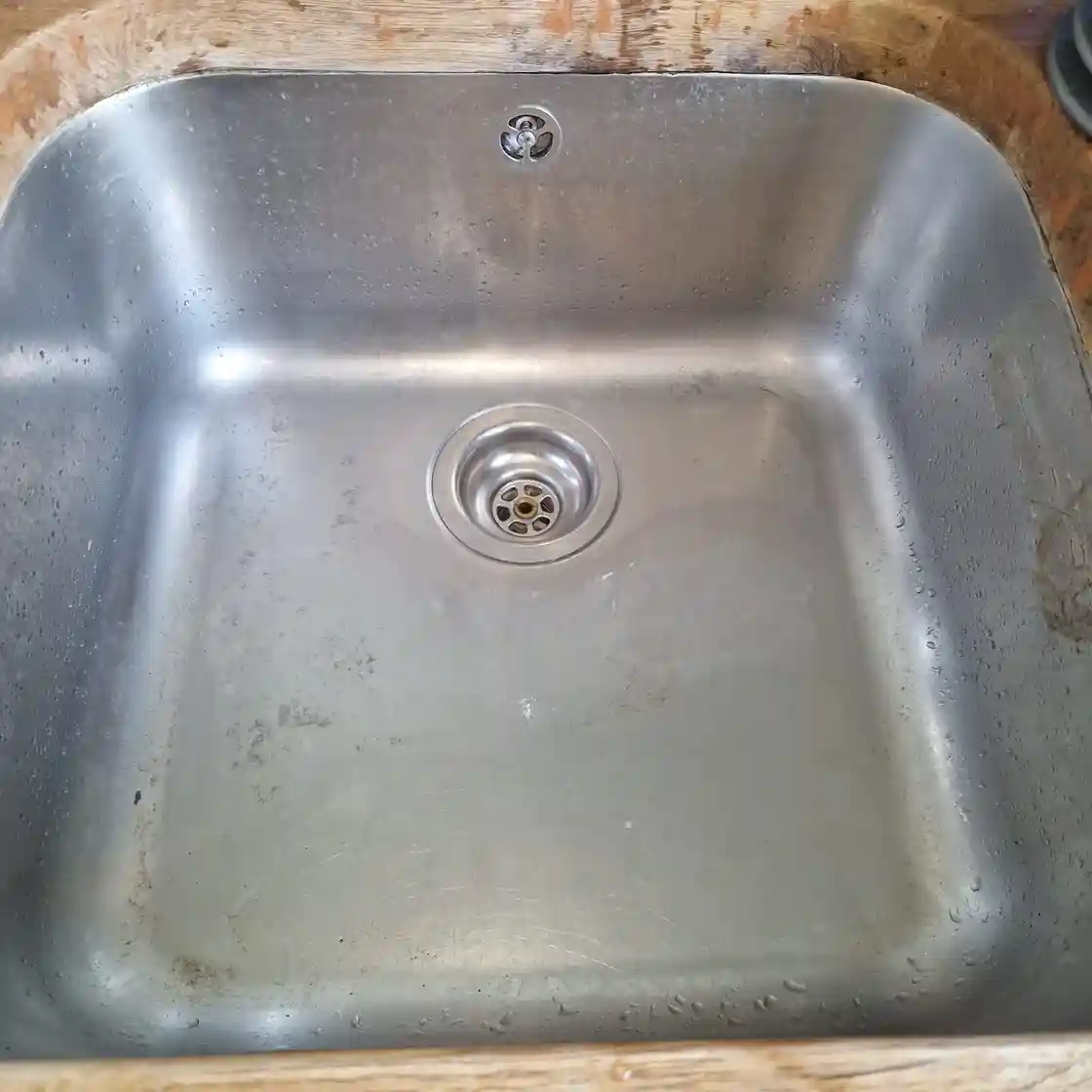
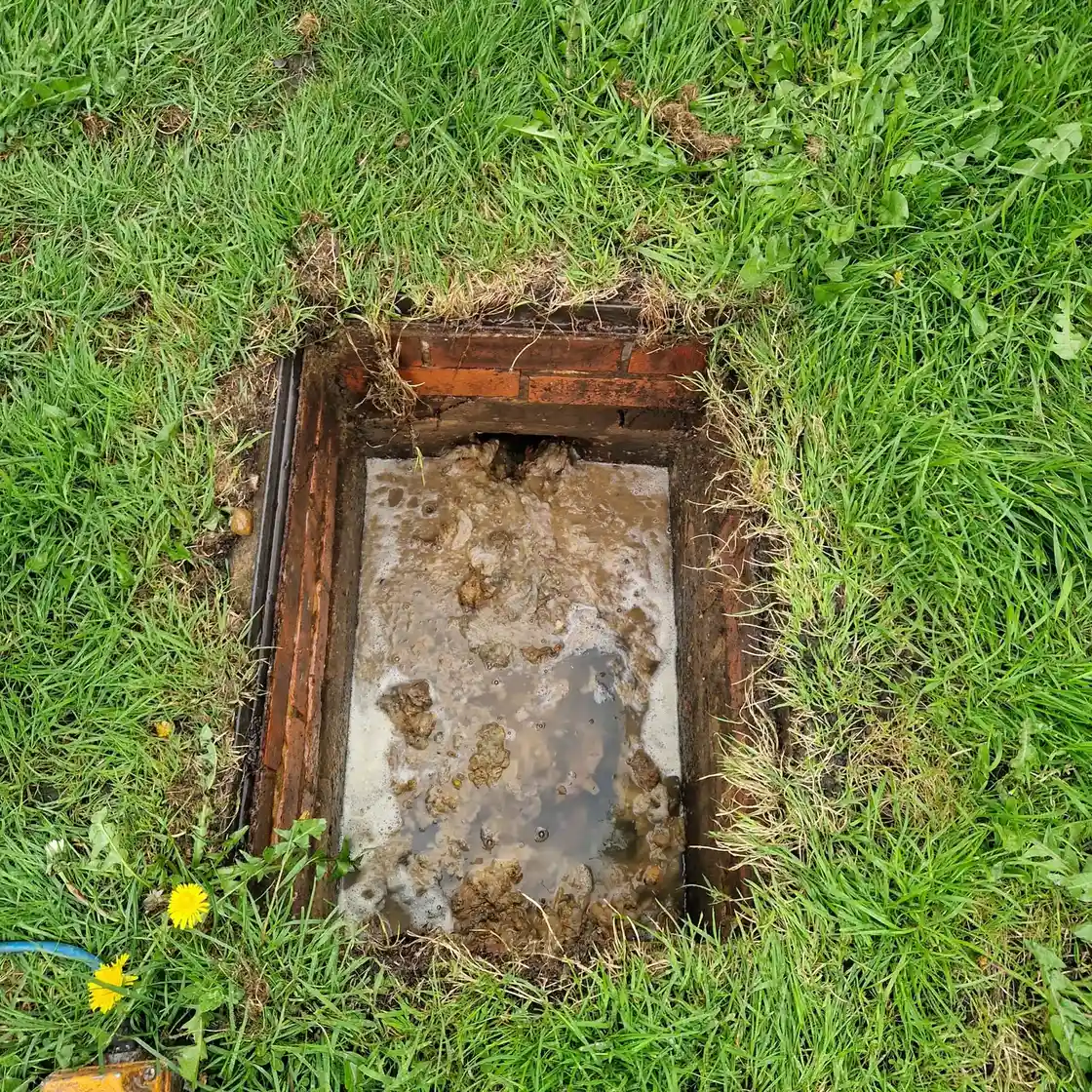
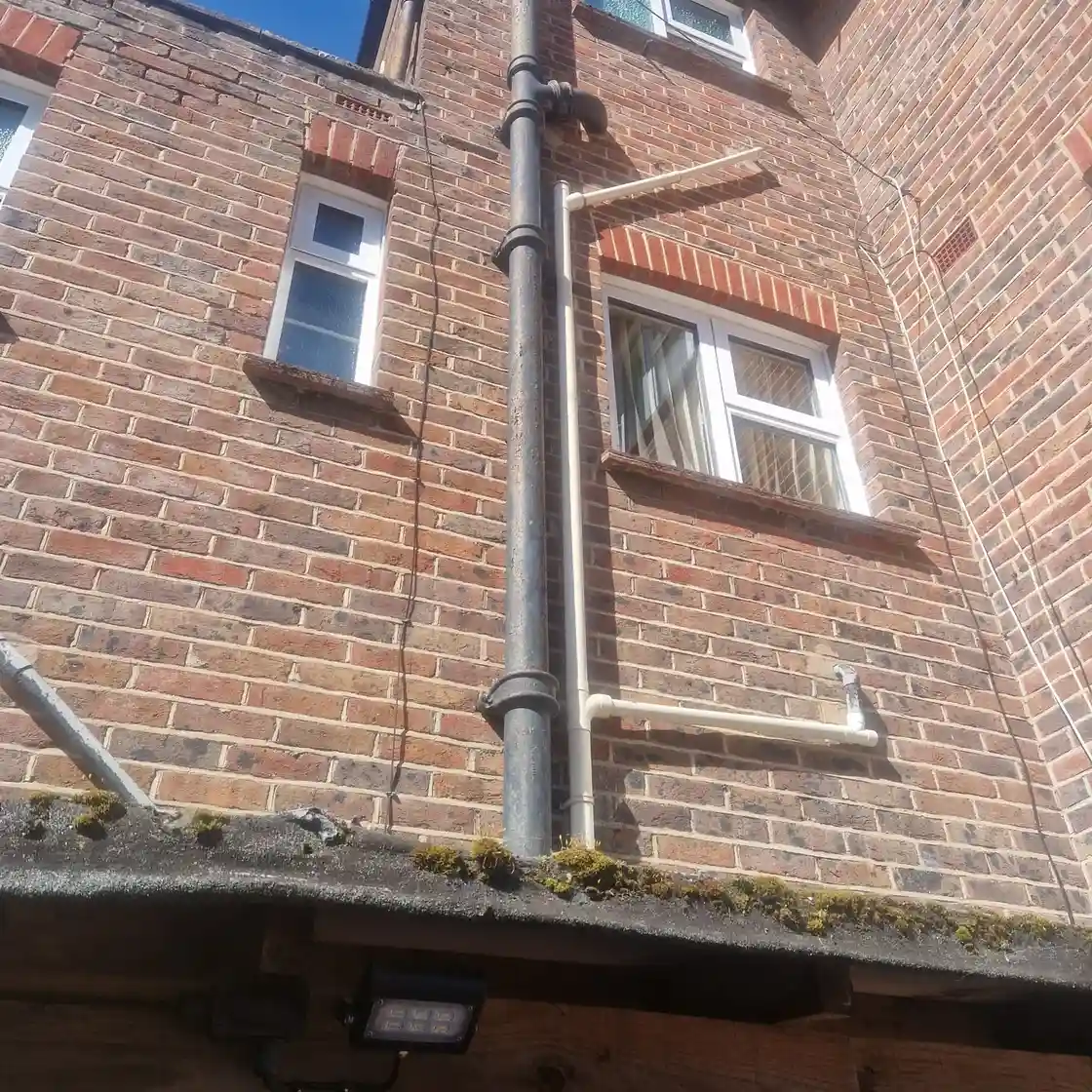
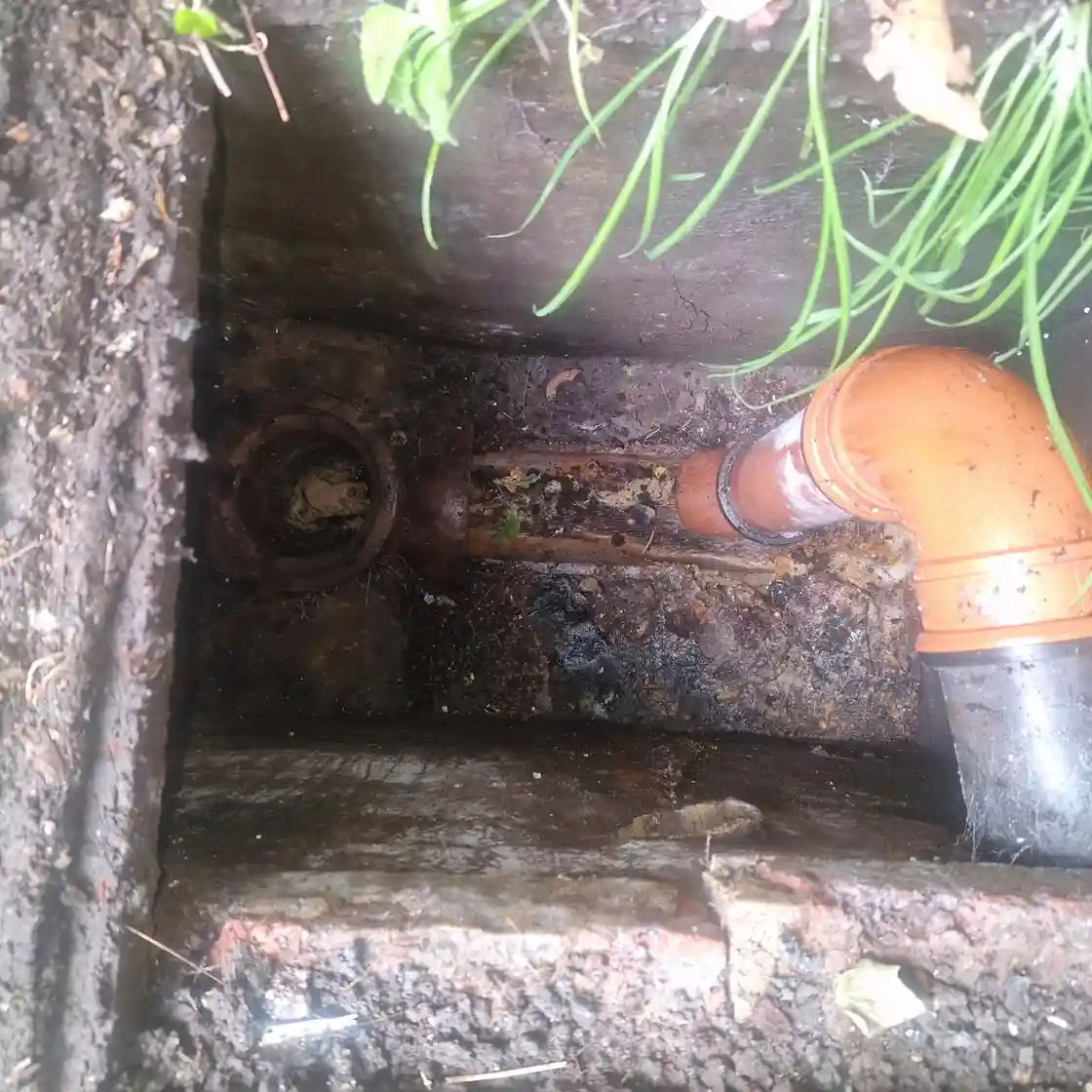
A Look At Some of the Jobs We've Completed
A quick look at real drainage jobs we have carried out for happy customers across London and Surrey — from blocked inspection chambers to full high-pressure jetting.
What Our Customers Say
Years of drainage experience, honest pricing, and same-day service are what our customers notice most — here is some of their feedback.
"Excellent service. The team arrived on time and cleared my blocked drain quickly. Very professional and friendly throughout."
"Plumber arrived on time, solved the problem efficiently, and left everything tidy. Really friendly service from start to finish."
"Kitchen sink blockage fixed fast. Polite plumber who explained everything clearly and did the work perfectly. Very happy."
"Called in the morning and the drain was cleared the same day. The team were very professional and friendly. Highly recommend."
Local Drain Unblocking Across South London & Surrey
Because our engineers are based locally, help is rarely far away. We provide drain unblocking and emergency drainage across these areas and the surrounding towns — see our full areas we cover page for details.
Our Service Area On The Map
We are centrally placed to reach Croydon, Surrey, and the wider South London region quickly for both booked appointments and emergency callouts.
Frequently Asked Questions
What causes most drain blockages?
How fast can you arrive for a drain unblocking job?
Will the unblocking process make a mess?
Can you unblock toilets, sinks and outdoor drains?
How do I know if I have a serious blockage?
Do you charge extra for emergency or out-of-hours callouts?
Explore More of Our Drainage Services
Need Fast Help? Call Our Experts Now
Available 24/7 for emergency drainage issues across London and Surrey. Fixed pricing, certified local engineers, and a job done right the first time.
Call Now: 0777 12 00075 Book OnlineEarly Signs Your Drain Needs Attention
A blocked drain almost never arrives without warning. The trouble is that the early signals are easy to ignore — a sink that empties a little slower than usual, a faint smell you blame on the bin, a toilet that takes two flushes instead of one. Catching these signs early is the difference between a quick, low-cost clearance and a full overflow that damages floors, skirting, and your weekend.
Slow-Draining Water
If water lingers in the sink, bath, or shower tray long after you have finished, the pipe is already partly obstructed. It rarely improves on its own — the narrowing only gets worse as more grease, hair, and debris cling to what is already there.
Unpleasant or Persistent Smells
A drain that gives off a foul, musty, or sewage-like odour is telling you that waste is sitting where it should be flowing. Trapped material breaks down and pushes those smells back up through plugholes and gullies, into the kitchen or bathroom.
Gurgling Sounds
That bubbling or gurgling noise when water drains away is air being forced past a blockage. It is one of the clearest early signs that a pipe is restricted and that a backup may not be far behind.
Water Backing Up
When water rises in one fixture as you use another — for example, the shower tray filling while the washing machine empties — the blockage has reached a shared section of pipe. At this stage prompt action matters, and our emergency sewer backup team can respond quickly before it becomes a flood.
If you notice any of these, it is far cheaper and far less stressful to book a clearance now than to wait for the blockage to win. A quick call is all it takes to get ahead of the problem.
When To Try It Yourself — And When To Call Us
There is nothing wrong with attempting a simple fix first. A minor, shallow blockage in a single sink can sometimes be cleared with a plunger or a careful flush of hot water. The problem is knowing where the sensible limit lies, because the wrong approach can turn a small job into an expensive one.
What's Reasonable To Try at Home
A plunger over the plughole, removing and clearing the visible trap under a sink, or fishing out a hair clump near the surface are all fair attempts for a fresh, localised blockage. If a couple of minutes of effort gets the water flowing freely, you are likely back in business.
Where DIY Goes Wrong
Caustic chemical drain cleaners are the most common mistake. They can corrode older pipes, sit harmlessly on top of a solid blockage without shifting it, and create a hazard for the engineer who later has to work on the pipe. Forcing wire down a drain can also scratch or crack the pipe and push the blockage deeper, making it harder to reach.
When It's Time To Call In Specialists
If the blockage keeps returning, affects more than one fixture, sits in an outdoor drain or inspection chamber, or simply will not budge, it is time for professional equipment. High-pressure jetting clears the cause in one visit and confirms the pipe is genuinely clear — something no household tool can do. You also avoid the very real risk of paying twice: once for a temporary patch, then again when the problem comes straight back.
How To Keep Your Drains Flowing Freely
The best blocked drain is the one that never happens. A few simple habits dramatically reduce the build-up that causes most blockages, and they cost nothing to adopt. Here is what our engineers recommend after years of clearing the same avoidable problems.
Keep Fat, Oil, and Grease Out of the Sink
Pouring cooking fat down the kitchen sink is the single biggest cause of household blockages. It looks like a liquid going in, but it cools and hardens inside the pipe like candle wax. Let it set in an old container and bin it instead.
Use Drain Guards
A cheap mesh strainer over the plughole in the kitchen and bathroom catches food scraps and hair before they ever enter the pipe. Emptying it takes seconds and saves an entire callout.
Only Flush the Three Ps
Pee, poo, and (toilet) paper are the only things that belong down a toilet. Wet wipes — even ones labelled flushable — cotton pads, and sanitary items do not break down and are a leading cause of recurring toilet blockages.
Flush Through With Hot Water
Once a week, running a kettle of hot water down the kitchen drain helps shift the early grease film before it has a chance to set hard.
Book Periodic Drain Cleaning
For busy households, shared drains, or properties with a history of blockages, scheduled professional drain cleaning keeps the pipework clear year-round, so small issues are dealt with long before they become emergencies.
Do you unblock drains for every type of property?
Yes. A blocked drain causes different headaches depending on where it strikes, so our service is built to handle both the family home and the busy business that cannot afford downtime. For homeowners and tenants, a blockage is disruptive and stressful, so we work around your day, keep mess to a minimum and explain the cause so the same thing does not happen next month, whether it is a slow kitchen sink, a blocked toilet or an overflowing outside gully. For commercial premises such as restaurants, cafes, shops, offices and rented properties, a blocked drain can halt trade or breach hygiene rules, so we prioritise these calls and can set up planned maintenance to prevent repeat failures. We cover houses, flats, HMOs, commercial kitchens and shared drainage runs across South London and Surrey, and for landlords and letting agents we can bill and report per property. Whatever the building, one local team clears it, day or night.
Residential Drain Unblocking
For homeowners and tenants, a blockage is disruptive and stressful. We work around your day, keep the mess to nothing, and explain the cause so the same thing does not happen next month. Whether it is a slow kitchen sink, a blocked toilet, or an overflowing outside gully, we restore normal life as quickly as possible.
Commercial & Landlord Drainage
For restaurants, cafés, offices, rental properties, and managed buildings, a blocked drain can stop trade or trigger an urgent tenant complaint. We respond fast, work discreetly, and provide the clear, fixed pricing that landlords and facilities managers need for their records. Regular maintenance plans are available to keep commercial drainage reliable and compliant.
Whatever the property, the standard is the same: a thorough clear, an honest price, and a drain that keeps working long after we have left.
Ash came to unblock the drain with an hour's notice. He was super friendly, knowledgeable and cleaned up after himself.
Fantastic company. Farhad came to unblock our drains in Croydon. He arrived on time, was very polite and explained everything really well, then carried out a drain unblocking inspection to make sure everything was cleared.
Fahad was amazing. I had a blocked external drain and he was super helpful getting it resolved. Could not have done more to help, and charged a very reasonable price.
Absolutely brilliant company. They came out the same day and resolved the issue within a few hours. Very reasonably priced too. Highly recommend the team!
Brilliant service! I left a message on Good Friday at 2:30pm and by 5pm everything was sorted. Saved my Easter. Highly recommend.
They came within the hour to unblock my outside sewage manhole. Very respectful, knowledgeable and efficient. Reasonably priced. Would definitely use again.