
 Admin
Admin 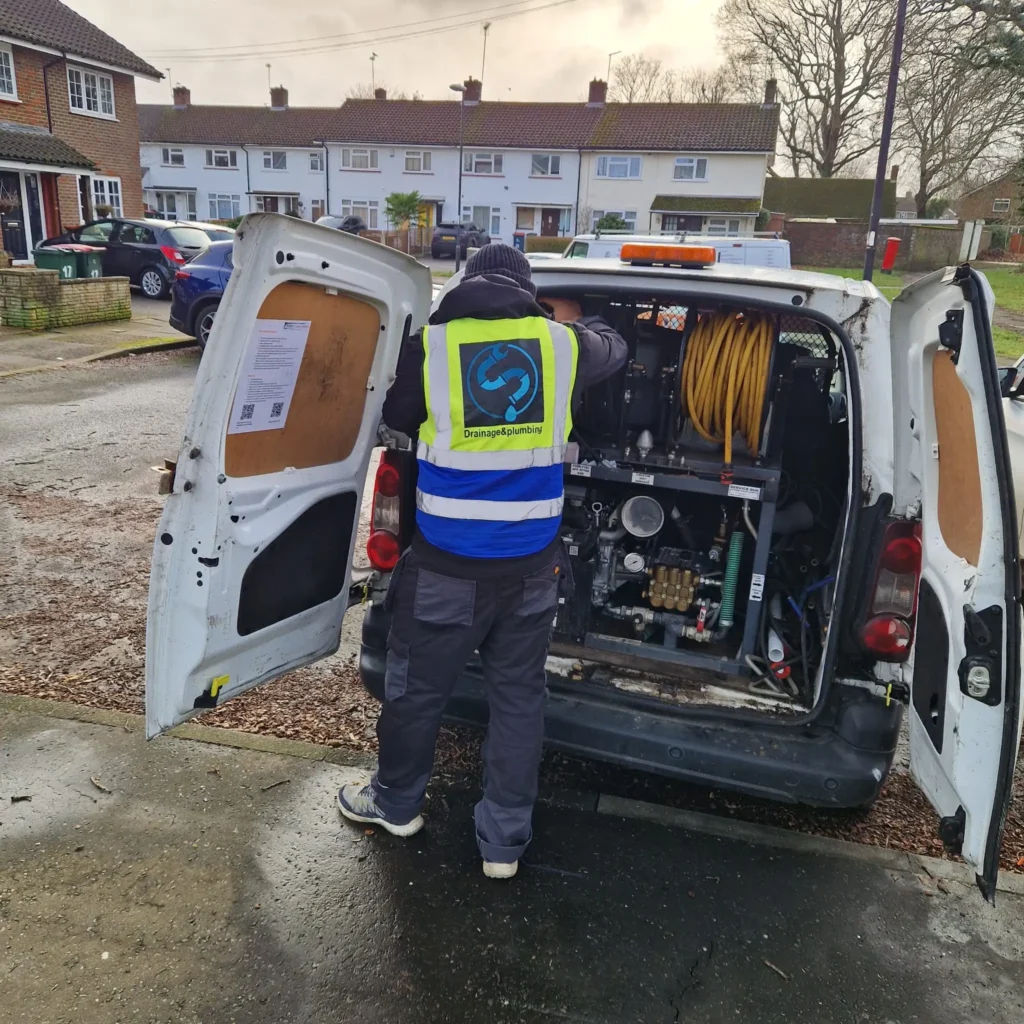
The Hidden Dangers of Ignoring a Blocked Drain
A blocked drain is rarely just an inconvenience; it is a ticking clock. What starts as a slow-draining sink or a faint smell can rapidly escalate into a major property emergency. Delaying professional drain clearance can lead to:
-
Internal Flooding: When wastewater cannot escape, it backs up through the lowest point in your property, usually a ground-floor toilet or shower, causing severe damage to floors and skirting boards.
-
Structural Damage: Constant water pressure behind a blockage can cause older clay or pitch fibre pipes to crack, leak, or completely collapse under the ground.
-
Health and Hygiene Risks: Stagnant sewage harbours dangerous bacteria and pathogens. Overflowing external manholes can contaminate your garden, driveway, and local water tables.
-
Pest Infestations: Blocked drains trap food waste and organic matter, which can quickly attract rats and severe fly infestations to your pipework.
Acting quickly by calling a local drain jetting specialist minimizes these risks and saves you from exorbitant repair bills.
Why High-Pressure Drain Jetting is the Ultimate Solution
Many homeowners rely on traditional drain rods. However, rods usually create only a temporary opening. They may poke through a soft blockage, but most of the debris stays inside the pipe. As soon as you run the tap or flush the toilet, the fat or waste closes again. The blockage quickly returns.
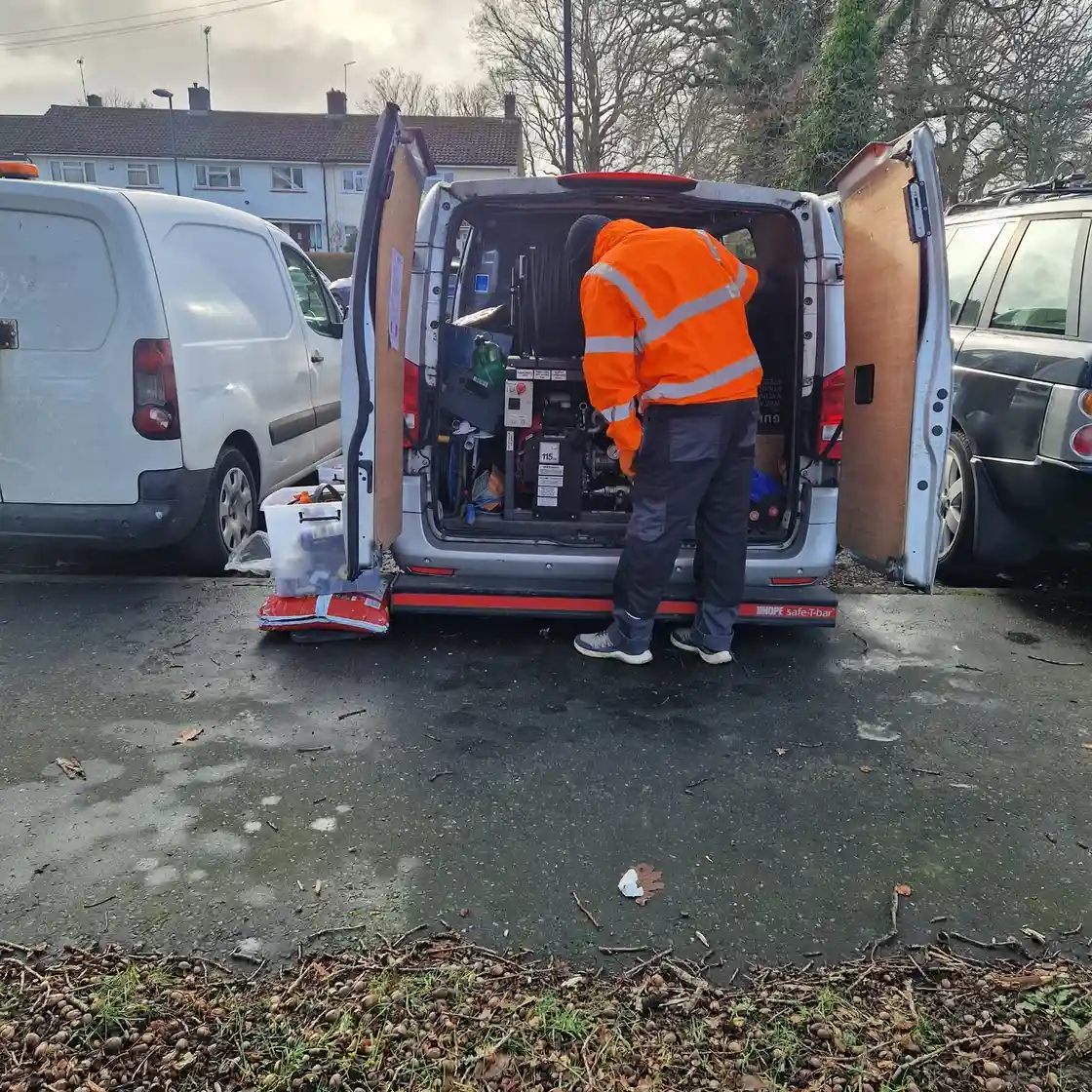
High-pressure drain jetting works differently. It is a powerful and professional cleaning method. Our van-mounted equipment uses commercial-grade jetters that blast pure water at thousands of PSI (Pounds per Square Inch). This pressure safely removes stubborn build-ups.
We use specialist retro-jet and flail nozzles. These nozzles push the hose deep into the drainage system. As the hose moves forward, it:
- Cuts through grease and fat build-up
- Breaks down compacted debris
- Removes scale from pipe walls
- Clears tree root intrusion
- Cleans the full pipe diameter
Unlike rods, drain jetting cleans the entire pipe. It scrubs the internal circumference and restores full water flow. This helps prevent recurring blockages and keeps your drainage system working efficiently.
What Our Advanced Jetting Equipment Instantly Destroys:
-
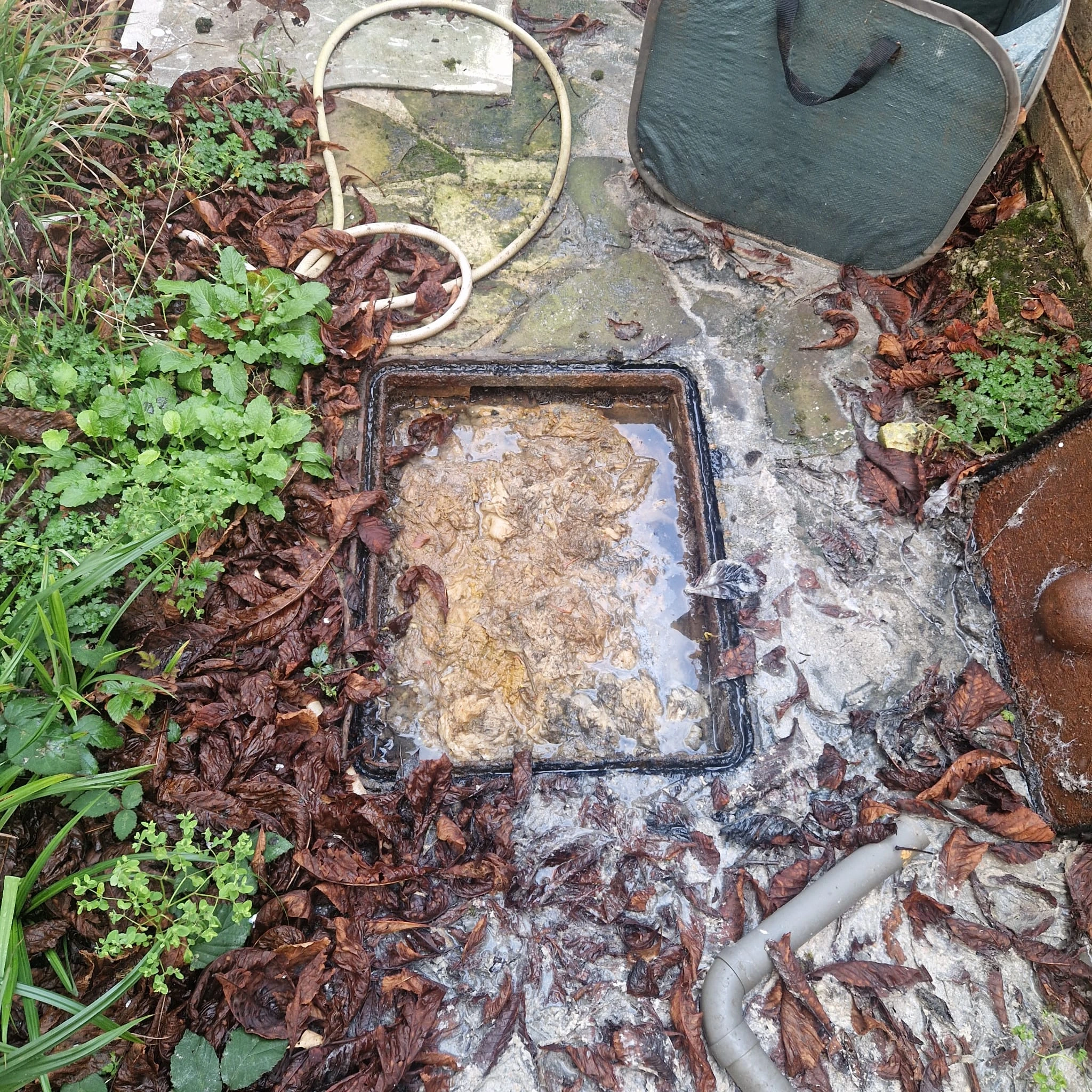
FOG (Fat, Oil, & Grease): Liquefies and flushes out hardened “fatbergs” that commonly choke domestic kitchen pipes and commercial restaurant drains. Over time, warm grease cools and solidifies like concrete; jetting is the only way to fully remove it.
-
Calcification & Hard Scale: Strips away years of hard water minerals and uric scale that narrow your pipes over time, causing slow drainage and recurring clogs.
-
Sanitary Waste & Wipes: Shreds non-biodegradable blockages (like “flushable” wipes, nappies, cotton buds, and sanitary products) that rods simply cannot shift without getting stuck.
-
Tree Root Ingress: Using specialist spinning cutting nozzles, we can slice through thick tree roots that have invaded older clay pipes through loose joints, restoring flow without needing immediate, disruptive excavation.
-
Construction Debris: Washes out silt, mud, rubble, and plaster that may have been swept into your drains during home renovations or heavy storms.
Because our system uses nothing but pure, high-pressure water, it is 100% eco-friendly and entirely avoids the corrosive, heat-generating damage caused by supermarket chemical drain cleaners.
Signs You Need Emergency Drain Jetting Right Now
Not sure if you need a professional call-out? If you notice any of the following warning signs, your drainage system is highly compromised and requires immediate jetting:
-
Gurgling Sounds: If your plughole gurgles when you flush the toilet or empty the bath, air is trapped behind a growing blockage in the main line.
-
Foul Odours: A persistent smell of sewage or rotting food inside your home or near your outdoor inspection chambers is a primary indicator of a severe blockage.
-
Raised Water Levels: If the water in your toilet bowl rises dangerously high when flushed before slowly draining away, the pipe is heavily restricted.
-
Multiple Blocked Fixtures: If your sink, bath, and toilet are all draining slowly at the same time, the blockage is deep in the main soil stack or exterior sewer line.
-
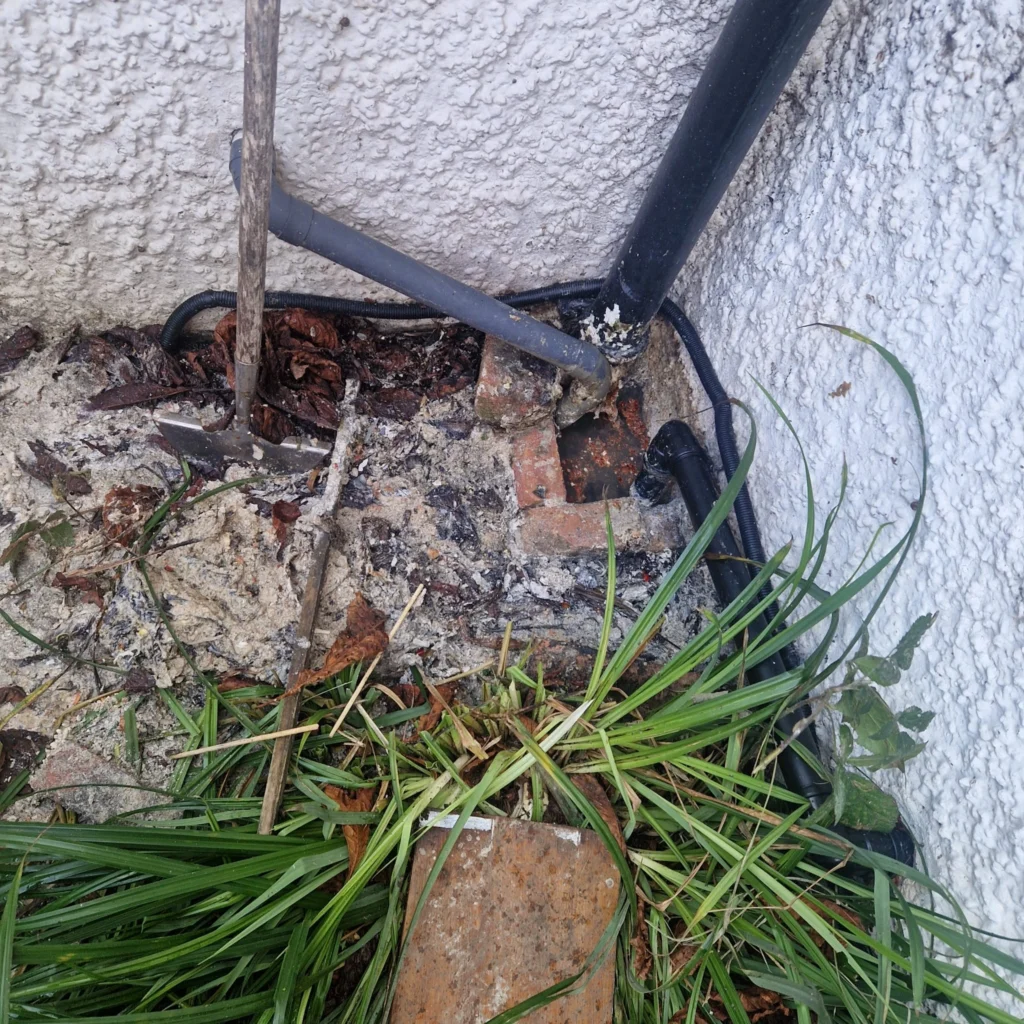
Overflowing Manholes: If the metal inspection chamber cover on your driveway or patio is lifting, or sewage is pooling around it, you have a total system failure that requires immediate jetting.
Our Step-by-Step Drain Jetting Process
When you call Drainage & Plumbing LTD, we do not guess. We follow a strict, professional process to ensure your drains are cleared safely and permanently.
-
Free On-Site Assessment: Upon arrival, our local engineer will safely lift your inspection chambers and assess the symptoms to locate the exact source of the blockage.
-
Fixed Price Quote: Once we understand the problem, we provide a clear, fixed price to clear it. No hourly rates, no hidden surprises.
-
High-Pressure Jetting: We deploy our van-mounted jetter, selecting the specific pressure (PSI) and nozzle type suited to your pipe material (PVC, clay, cast iron, etc.) to ensure maximum cleaning without causing damage.
-
Flow Testing: After the blockage is destroyed and the pipe walls are scoured clean, we run heavy volumes of water through the system to guarantee the flow is 100% restored.
-
Clean-Up: We disinfect the affected area, securely close all manholes, and leave your property exactly as we found it—just with perfectly functioning drains.
Commercial & Industrial Drain Jetting
For restaurants, pubs, offices, and retail units, a blocked drain means lost revenue, forced closures, and severe hygiene risks. We offer heavy-duty commercial jetting to clear massive grease trap overflows, urinal scale build-ups, and main sewer line blockages. We work efficiently to get your business operational fast, minimizing downtime.
For stubborn blockages, our high pressure drain jetting service can clear grease, debris, and root intrusion quickly.
Why Trust Drainage & Plumbing LTD?
Real Example: Drain Jetting in Action
Recent Emergency Call-out in the South East
We received an urgent call from a property owner experiencing severe sewage backup in their ground-floor bathroom and patio area. The customer had spent hours trying to clear the external inspection chamber with basic drain rods, which only succeeded in compacting the blockage further.
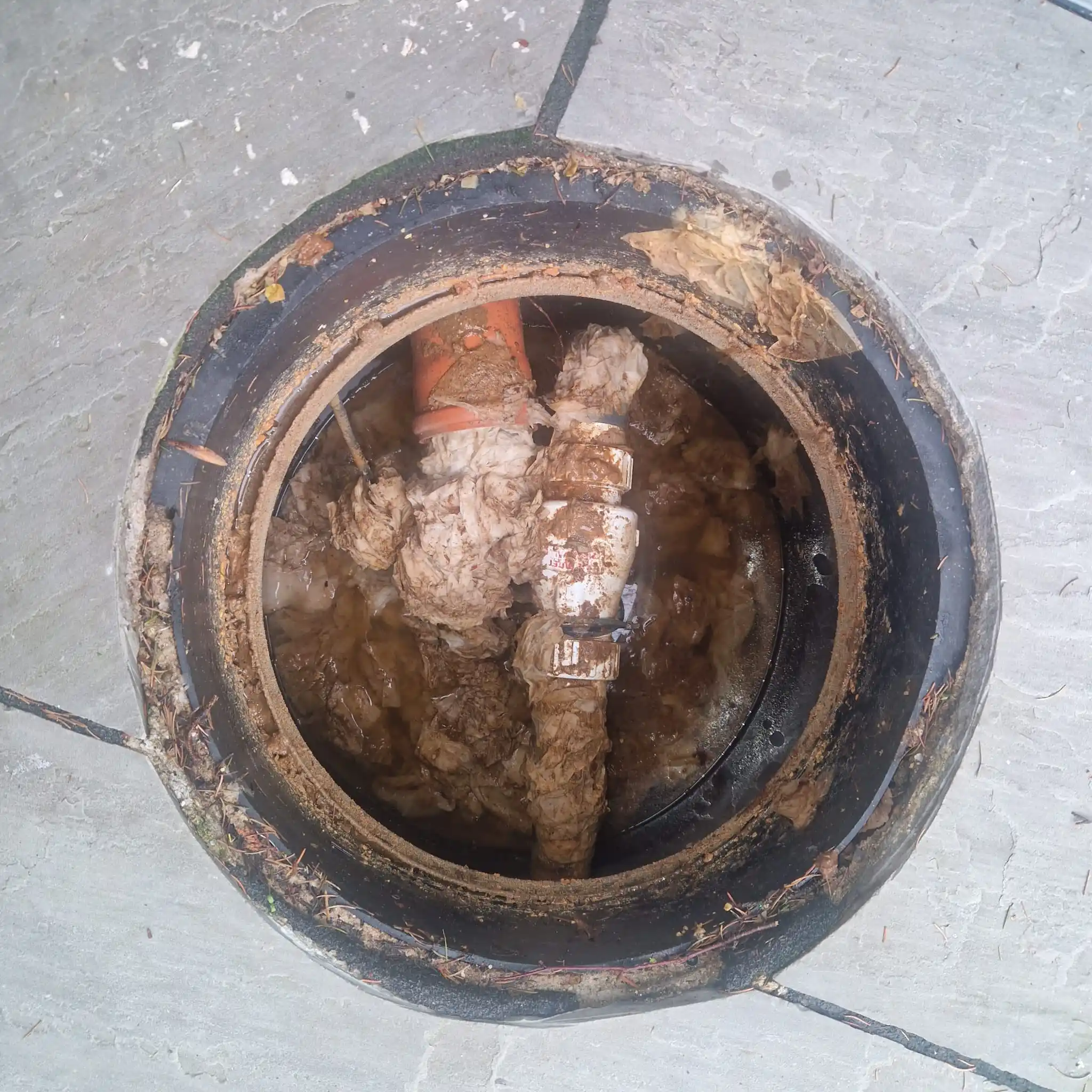
Upon arrival, Fred safely opened the manhole and identified a massive, solid build-up of flushed wet wipes and solidified cooking grease blocking the main 4-inch sewer line. We immediately deployed our high-pressure jetter with a forward-penetrating nozzle.
The 3000 PSI water stream broke through the dense core of the mass within minutes. We then switched to a rear-facing flusher nozzle, dragging it back through the pipe to pull the shredded debris into the main sewer and scour the pipe walls entirely clean. Within 45 minutes, the pipe was completely restored to its full internal diameter, flowing freely, and the customer avoided a highly expensive and unhygienic internal flood.
What Makes Our Drain Jetting Different?
Many companies offer drain jetting, but not all deliver the same results.
✅ We clean the entire pipe, not just the blockage
✅ We use adjustable pressure to protect older pipework
✅ We focus on long-term prevention, not temporary fixes
✅ We work efficiently with minimal disruption
Result: Fewer repeat problems and better long-term drainage performance.
When Should You Call for Drain Jetting?
Call us early if you notice:
- Water draining slower than usual
- Gurgling sounds from pipes
- Persistent sewage smells
- Repeated blockages despite plunging
- Overflowing outdoor drains or manholes
Acting early often prevents serious damage and unnecessary expense.
For general background information, you can also read UK guidance on drainage and sewer systems provided by Water UK.
How High Pressure Flushing Services Work
It’s rarely just “point and spray”. A proper jetting job starts by working out where the blockage sits and what it’s made of, then matching the nozzle and pressure to the pipe. The jetting hose is fed into the line and the nozzle fires water both forward (to cut the blockage) and backward (to propel the hose and flush debris toward the sewer). Our drain cleaning service uses this method to restore pipes that a snake would only briefly unblock.
The Pressure Scale (PSI)
A 4,500-Year-old Blueprint
Around 2500 BC, engineers at Lothal in the Indus Valley Civilisation were building communal sewers from brick bonded with gypsum mortar, laid at calculated pitches with inspection holes at regular intervals — the direct ancestors of the cleanout points a jetting crew uses today. The tools have changed from gypsum-bonded brick to 4,000 PSI nozzles; the problem hasn’t. A pipe you can’t clean is a pipe that will eventually fail. That was true at Lothal and it’s true now. We also provide the drain jetting Biggin Hill homeowners rely on.
The “Hole-Punch” Fallacy: Why Your Drain Snake Keeps Failing
When a lateral line slows down, the DIY instinct is to rent a mechanical auger, or “snake”. Here’s some tough love: a snake is a temporary fix, not a cure. The auger’s head bores through the centre of a clog to get water moving, but it leaves the pipe walls coated. It doesn’t touch the calcified scale, the congealed grease, or the periphery of invasive tree roots. Jetting, by contrast, scours the entire internal diameter — so you’re paying for a clean pipe, not a brief relief of symptoms.
Drain Snake / Auger
- Bores a hole through soft, central clogs
- Leaves grease & scale on the pipe walls
- Doesn’t clear root intrusion fully
- Debris re-catches on “sticky” walls
High Pressure Flushing
- Scours the full pipe diameter
- Removes grease, scale & root matter
- Restores original flow capacity
- Clears back to the bare pipe wall, so the real cause shows up
Lethal Liquid: The Terrifying Power of 4,000 PSI
Because we’re talking about water, people often mistake a drain jetter for a glorified garden hose. That’s a dangerous mistake. At 4,000 PSI, water is no longer a liquid you can treat casually — it’s a precision cutting tool that can slice through skin and tissue, causing catastrophic injection injuries. This is exactly why drain jetting is a professional-grade task and never a Sunday DIY project.
Why this is never a DIY job
- Injection injuries: a high-pressure puncture can look minor but cause irreversible internal damage if treatment is delayed.
- Carbon monoxide: petrol and diesel jetting units produce CO — running them in a garage or basement, even with doors open, can be fatal.
- Kickback: the recoil force can throw a grown adult off a ladder.
For an authoritative overview of high-pressure equipment risks, the UK’s Health and Safety Executive (HSE) sets out why trained operators, correct PPE and proper risk assessment are non-negotiable.
Pressure Is Vanity, Volume Is Sanity
Beginners obsess over PSI. Masters obsess over GPM (gallons per minute). Pressure is what breaks the blockage; volume is what transports the debris out of the line. If you have 4,000 PSI but only 2 GPM, you’re just carving a thin channel through the sludge. Effective jetting matches both figures to the pipe.
High pressure with low flow only cuts a hole. The right volume is what actually clears the line.
| Equipment | Flow (GPM) | Best for |
|---|---|---|
| Portable jetters | 2–5 GPM | 2-inch residential branch lines (kitchens, laundries) |
| Trailer-mounted units | 18–25 GPM | 8-inch to 12-inch municipal mains — heavy scouring |
Expert tip: the 100°F rule
- Never use water above 100°F (38°C) — high temperatures warp and destroy the pump’s internal seals.
- Never siphon standing water; the pump needs a clean, pressurised source to avoid cavitation and failure.
The “Basement Backup” Litmus Test
How do you diagnose the health of your hidden system? Start with the traps and vent pipes. If only one fixture — say, the kitchen sink — is gurgling, you likely have a local “house” problem in a branch line. But if the whole system is sluggish, or you see waste backing up through a ground-floor or basement drain, you have a “main” problem in the sewer lateral, and that’s when professional jetting earns its keep.
Accessibility is the great variable in your bill. Building regulations require cleanouts, but they aren’t always easy to find. If we can hook up to a ground-level exterior cleanout, the job is straightforward. If we have to remove a toilet to access the line or carry equipment to a rooftop vent, expect an additional £150 to £400 in labour. Keeping your cleanouts accessible is a genuine hedge against a bigger invoice. If you’re not sure what you’re dealing with, our 24-hour emergency team can diagnose it fast.
Frequently Asked Questions
How much does drain jetting cost near me?
The cost of drain jetting depends on the severity of the blockage, the location of the drain, and how long the work takes. At Drainage & Plumbing LTD, we offer fixed and transparent pricing with no hidden fees. We always explain the issue before starting work, so you know exactly what to expect.
How quickly can you attend if I need emergency drain jetting?
If you’re searching for drain jetting near me, you likely need urgent help. We provide 24/7 emergency response across London, Surrey, Sussex, and the wider South East England area. In most cases, we can attend the same day, often within a few hours depending on your location.
Is high-pressure drain jetting safe for pipes?
Yes. Professional drain jetting is safe when carried out by trained engineers using controlled pressure. We use commercial-grade equipment with adjustable settings to ensure your pipework is cleaned thoroughly without causing damage.
What problems can drain jetting solve?
Drain jetting is effective for removing:
-
Grease, fat, and oil build-up
-
Wet wipes and sanitary products
-
Food debris and soap residue
-
Tree root intrusion
-
Hard scale and mineral deposits
It doesn’t just push the blockage — it cleans the entire internal surface of the pipe.
Do you charge a call-out fee?
No. We do not charge hidden call-out fees. Our pricing is clear and discussed before work begins. We focus on long-term solutions, not unnecessary add-ons.
Do you cover my area?
We provide drain jetting services across London, Surrey, Sussex, and surrounding areas within a 25-mile radius. If you found us by searching for drain jetting near me, there’s a strong chance we already operate in your area. Call us to confirm availability and response time.
Contact Drainage & Plumbing LTD Today
If you need drain jetting near me, help is just a call away.
📞 Emergency 24/7 Line: 07771 200075
(Call now for an immediate response)
Prefer to book online? Use our contact form — web enquiries are answered within 2 hours.
Reliable Drain Jetting Near You – Done Properly.
Drainage problems are stressful, but choosing the right local expert makes all the difference. At Drainage & Plumbing LTD, we deliver fast, eco-friendly, and professional results you can rely on.
Contact us today and get your drains cleared properly — the first time.
No comments yet. Be the first to leave a review.
Comments are closed for this post.