
 Nima Fazli-Pour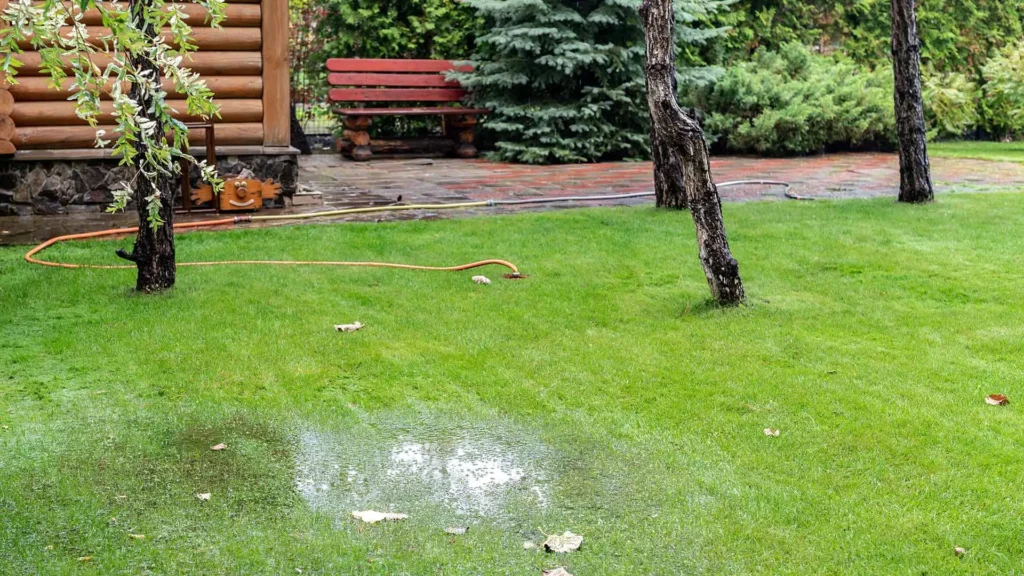
Did you know that blocked drains are the single most reported home maintenance issue in the UK, with millions of call-outs logged every year? If you’ve ever stood in a slowly filling shower tray or caught a whiff of something unpleasant near your kitchen sink, you already know how disruptive common drainage problems UK homeowners face can be. The good news: some you can tackle yourself — and others you absolutely should not.
What Are the Most Common Drainage Problems UK Homes Face?

Think of your drainage system like the circulatory system of your home. When everything flows freely, you never notice it. The moment something blocks or breaks, the whole body feels it. Here are the five issues our engineers encounter most often:
| Problem | Typical Cause |
|---|---|
| Blocked drain | Grease, hair, food waste, wet wipes |
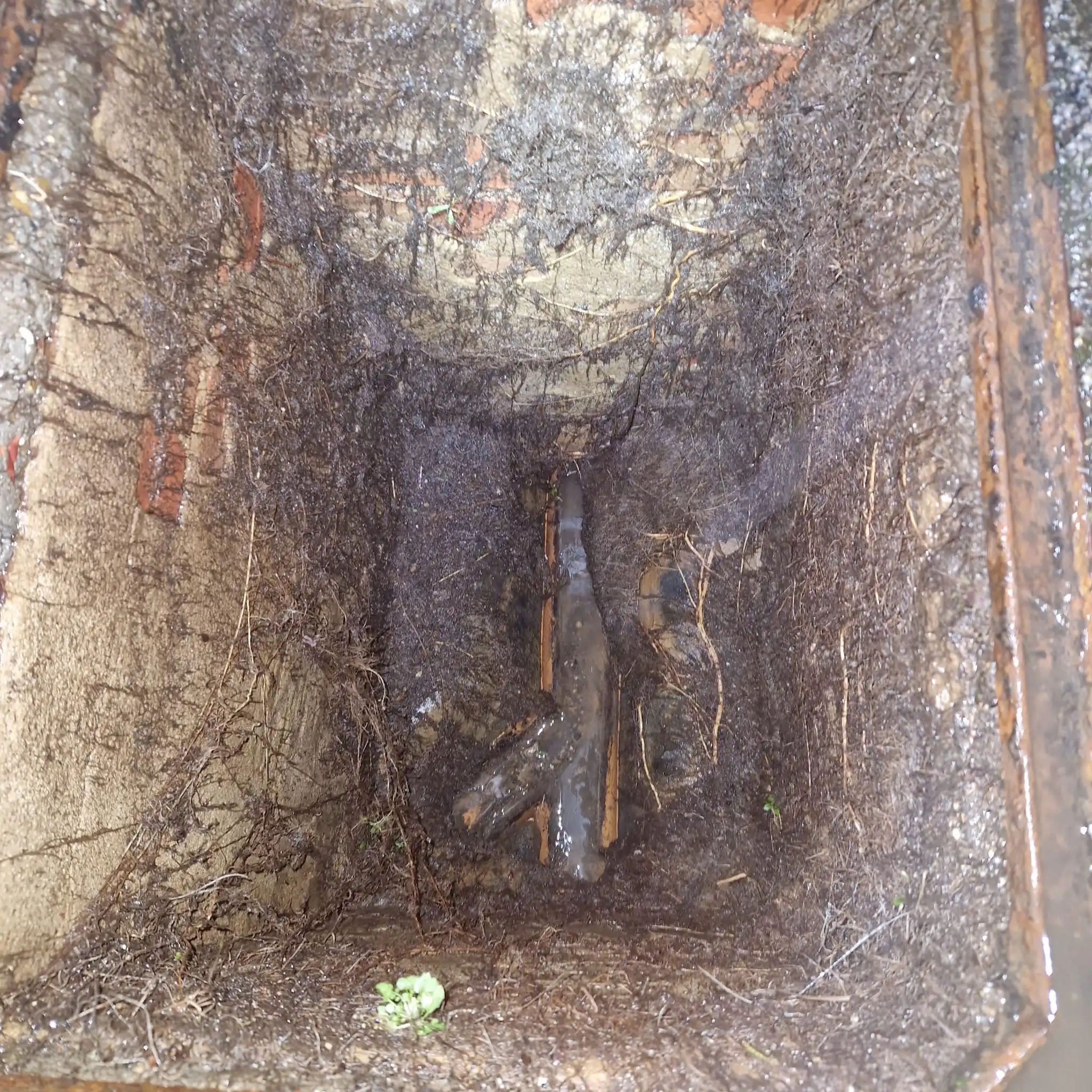
| Tree root ingress | Roots entering cracked underground pipes |
| Collapsed or cracked pipe | Ground movement, aging clay pipes, heavy traffic |
| Surface water flooding | Poor drainage design, blocked gullies, high rainfall |
| Foul odours | Blocked vents, trapped debris, dry P-traps |
South East England is particularly susceptible because of its mix of Victorian-era clay pipes, dense tree coverage, and above-average annual rainfall. Older pipe systems were simply not designed for modern water usage volumes.
What Can a Homeowner Safely Do Themselves?

Here’s the honest answer most companies won’t give you: quite a lot, actually — for surface-level blockages. Think of it like a car. You can top up the windscreen wash and change a wiper blade. You should not, however, attempt to rebuild the engine.
Safe DIY tasks include:
- Clearing a slow sink drain with a plunger or a drain snake (no chemicals needed)
- Removing visible debris from an outdoor gully or gulley trap
- Pouring boiling water down a kitchen drain to dissolve light grease build-up
- Checking and cleaning the P-trap under a sink to eliminate foul smells
Stop and call a professional when:
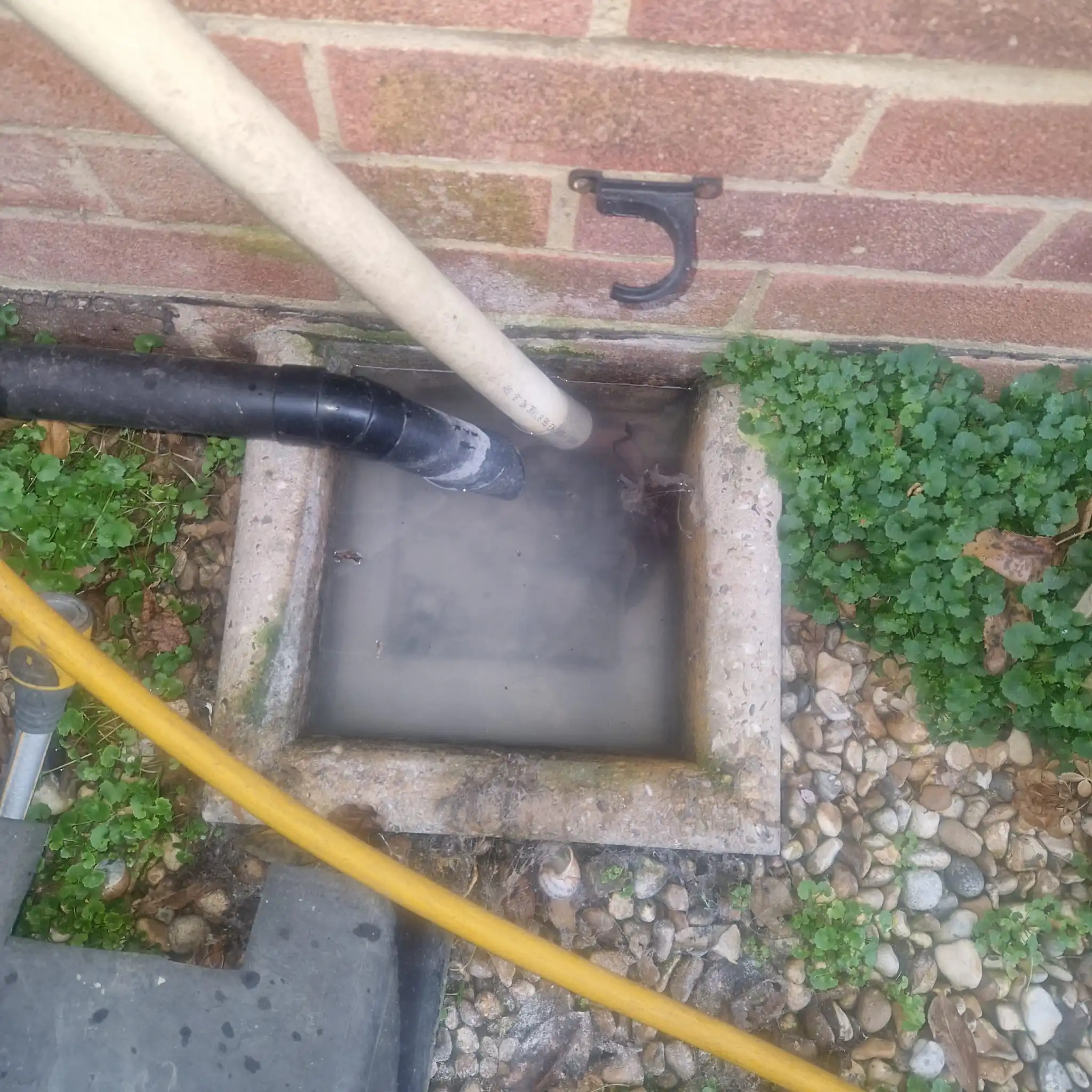
- Multiple drains are slow or blocked simultaneously — this signals a shared underground problem
- You hear gurgling from toilets or other fixtures when water drains elsewhere
- There is sewage smell outside your property near inspection chambers
- Water is backing up rather than draining at all
According to the Health and Safety Executive (HSE), working in or around confined drainage spaces carries serious risks, including toxic gas exposure. This is not a job for an enthusiastic weekend DIY-er.
How Professionals Diagnose and Fix Drainage Issues
CCTV Surveys: The Definitive Diagnostic Tool
A professional blocked drain solution almost always begins with a CCTV drain survey. A small waterproof camera travels through your pipework and sends live footage back to the engineer’s monitor. It sounds high-tech — and it is — but the result is simple: you know exactly what the problem is and where it sits, without a single hole being dug in your garden.
Once the survey is complete, the fix depends on the finding. High-pressure water jetting clears most blockages in minutes. Tree root ingress — one of the trickier common drainage problems UK engineers deal with — is addressed using root-cutting tools followed by pipe relining, a no-dig technique that effectively creates a new pipe inside the old one. Collapsed sections may require patch repairs or, in severe cases, excavation and replacement.
The Water Industry Act 1991 sets out who is responsible for which part of the drainage network — private homeowners are generally responsible for lateral drains within their boundary, while water companies manage public sewers. Understanding this boundary matters when it comes to repair costs.
Warning Signs You Should Never Ignore
Drainage problems rarely announce themselves dramatically at first. They whisper before they shout. Watch for these early signals:
- Slow drainage in one or more fixtures lasting more than a day or two
- Gurgling sounds from plug holes or toilet pans after flushing
- Persistent damp patches on walls or ceilings near pipework
- Sunken or soft ground in the garden above buried drain runs
- Recurring blockages in the same location despite clearing
If you’re in the Haywards Heath area and noticing any of these, a local blocked drain specialist in Haywards Heath can attend quickly and assess the situation before it escalates. For properties in more rural Surrey locations, a Woldingham drainage specialist can survey and diagnose issues specific to older rural pipe systems.
Common Misconceptions We Correct Every Week
Part of building trust is being straight with you. Here are three things customers tell us they believed — and why those beliefs can cost money:
- Misconception 1: “Bleach and chemical drain cleaners fix blockages.” In reality, caustic chemicals can corrode older clay and plastic pipes, worsening the problem and potentially causing leaks. They also rarely reach the root cause of a deep blockage.
- Misconception 2: “If water is draining, there’s no problem.” Slow drainage is often the first sign of a partial blockage or root intrusion. Waiting until it stops completely means the repair is usually more extensive and expensive.
- Misconception 3: “The water company will fix it.” Lateral drains within your property boundary are your responsibility. The Water Services Regulation Authority (Ofwat) confirms that private drain maintenance falls to the property owner in most cases.
Frequently Asked Questions
- What are the most common drainage problems UK homeowners report?
- Blocked drains caused by grease, hair, and wet wipes top the list, followed by tree root ingress, cracked or collapsed pipes, surface water flooding, and persistent foul odours from drain vents or dry traps.
- How do I know if my drain is blocked or just slow?
- A slow drain that takes more than 30 seconds to clear after use, or that gurgles when another fixture is used, is almost certainly partially blocked. If multiple fixtures are affected at once, the blockage is likely in a shared underground pipe.
- Can I unblock a drain myself without calling a professional?
- For surface-level blockages in sinks or baths, a plunger or drain snake is often effective. However, if the blockage is underground, recurring, or involves sewage backing up, you need a professional with jetting equipment and a CCTV camera.
- How much does a professional drain unblocking cost in the UK?
- Costs vary by location and severity, but a standard drain jetting service typically starts from around £80–£150. A CCTV survey usually ranges from £100–£250. Getting a clear quote before work begins is always recommended.
How to Keep Your Drains Healthy Year-Round
Prevention is genuinely cheaper than cure. The most effective habits take less than five minutes a month. Use a drain guard in every plug hole to catch hair and debris. Never pour cooking fat or grease down the sink — let it cool, then bin it. Run hot water through kitchen drains after washing up to flush residual grease. Have an outdoor gully inspected and cleared each autumn before leaf fall peaks.
For landlords and homeowners with older properties, a planned annual CCTV survey is one of the smartest investments you can make. It catches root ingress and pipe deterioration before they become emergency repairs. The Water Regulations Advisory Scheme (WRAS) recommends regular inspection of private drainage infrastructure as part of responsible property maintenance.
Understanding the common drainage problems UK properties face — and knowing which ones you can handle and which ones need expert hands — puts you firmly in control. When in doubt, call early. A small investigation fee today is always better than a collapsed pipe bill tomorrow.
No comments yet. Be the first to leave a review.
Comments are closed for this post.