
 Nima Fazli-Pour
It’s 6am. You step into the shower and the water climbs past your ankles — and then the smell arrives, that sulphurous drift rising before you’ve even registered the pooling. If you’ve faced drain problems Reigate homeowners know all too well, you already think you understand the cause. What most people get wrong is why it keeps happening after the first fix.
Is a Slow Drain Really Just a Minor Inconvenience?
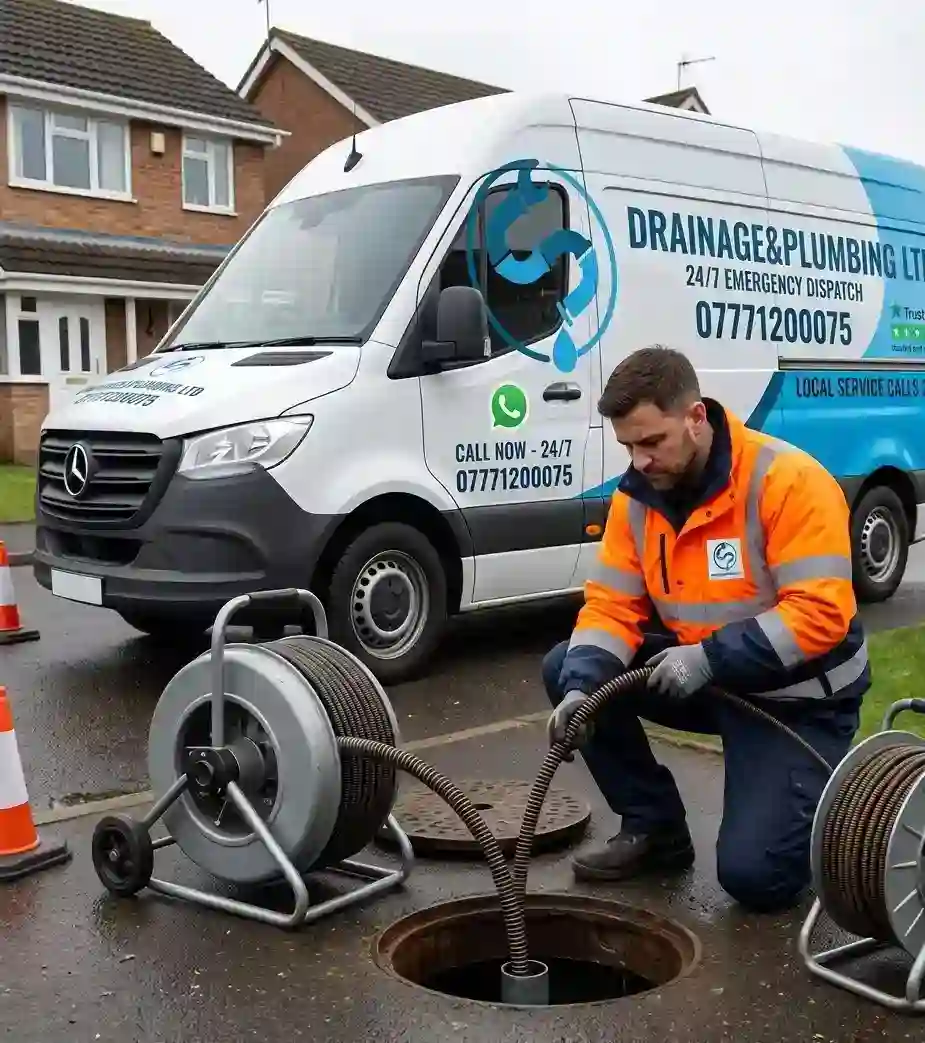
Most people assume a slow drain is a surface-level nuisance — a clump of hair, a smear of soap scum, something a bottle of supermarket unblocker can handle in ten minutes. In reality, slow drainage is almost always the first visible symptom of a deeper structural problem. Reigate’s older housing stock, much of it built on clay-rich Surrey soil, sits above Victorian-era drainage infrastructure that has been shifting, cracking, and accumulating debris for well over a century.
According to Water UK, the majority of sewer blockages in England are caused by fat, oil, grease, and non-flushable wipes — but in older pipe networks, even minor accumulations cause disproportionate restriction. A slow drain today can become a full sewage backup within weeks. If your drain runs slowly more than once a month, book a CCTV survey rather than waiting for a full blockage to force your hand. Next step: Contact our team to arrange a CCTV drain survey before the situation escalates into an emergency call-out.
What Actually Causes Drain Problems Reigate Properties Face Most Often?
There’s a widespread belief that blocked drains are always caused by what residents flush or pour away. That’s only half the story. In Reigate, the underlying causes are frequently structural — and no amount of chemical cleaner will fix them. Understanding the root cause, rather than just clearing the symptom, is what separates a lasting fix from a temporary one.
The most common causes we diagnose on-site include:
- Tree root intrusion — Mature trees along Reigate’s residential streets send roots into clay pipe joints, fracturing them from the inside out over years of slow, relentless growth. For a real example of this in the wider region, see our tree root blockage South London case study.
- Fat, oil, and grease (FOG) build-up — Solidified grease narrows pipe diameter over time, catching debris and forming hard, stubborn blockages that jetting alone may not fully clear.
- Collapsed or cracked pipes — Ground movement in Surrey’s clay-heavy soil causes pipe sections to shift, crack, or collapse entirely, often with no warning at the surface.
- Displaced pipe joints — Older clay drainage systems rely on push-fit joints that deteriorate and separate over decades of seasonal ground movement.
- Debris from rainwater gullies — Leaf matter, silt, and garden debris block surface drainage, causing water to back up toward the property during heavy rainfall.
For a detailed breakdown of the top causes of overflowing drain pipes and how to stop them, the evidence points clearly to structural issues being far more common than most homeowners expect. Next step: Request a CCTV drain survey to confirm whether your blockage is behavioural or structural before spending anything on repairs.
Myth vs Reality: Common Misconceptions We Correct Every Week
Here are three things customers tell us they believed — and what the evidence actually shows:
Misconception 1: “Chemical drain unblockers fix the problem.” Chemical products dissolve organic matter temporarily but do nothing for grease hardened deep in the pipe, root intrusion, or collapsed sections. With repeated use, they can also corrode older clay and plastic pipework, making structural damage worse over time.
Misconception 2: “If water is still flowing, the drain is fine.” Partial blockages allow water through — until they don’t. By the time flow stops completely, the blockage is typically severe and the repair considerably more involved. Gurgling sounds from your drain are an early warning sign that should never be dismissed as harmless. Our guide on blocked drains in South London explains exactly why quick fixes fail and what to do instead.
Misconception 3: “Drain problems are always the homeowner’s responsibility.” Under the Water Industry Act 1991, shared drains and public sewers are the responsibility of the water company — not the homeowner. Knowing exactly where the boundary lies matters before you authorise or pay for any repair work.
Pros of Acting Early on Drain Problems
- Repairs are significantly cheaper before a pipe collapse occurs
- Drain jetting clears most blockages in a single visit with no excavation needed
- Early CCTV surveys identify tree root intrusion before it causes structural failure
Cons of Delaying Drain Repairs
- Partial blockages become full sewage backups requiring costly emergency call-outs
- Structural damage worsens with every rain event, pushing repair costs progressively higher
- Damp and subsidence can follow a collapsed drain left untreated for months
Next step: Not sure who’s responsible for your drain? Ask us to identify the boundary during your survey — it could save you hundreds of pounds.
How Do Professionals Actually Fix Drain Problems in Reigate?
Professional drainage engineers don’t guess — they diagnose. A CCTV drain survey sends a high-definition camera through the pipe network, identifying exactly where the problem lies and what caused it. This removes guesswork entirely and ensures the correct repair method is applied first time, without unnecessary excavation or cost.
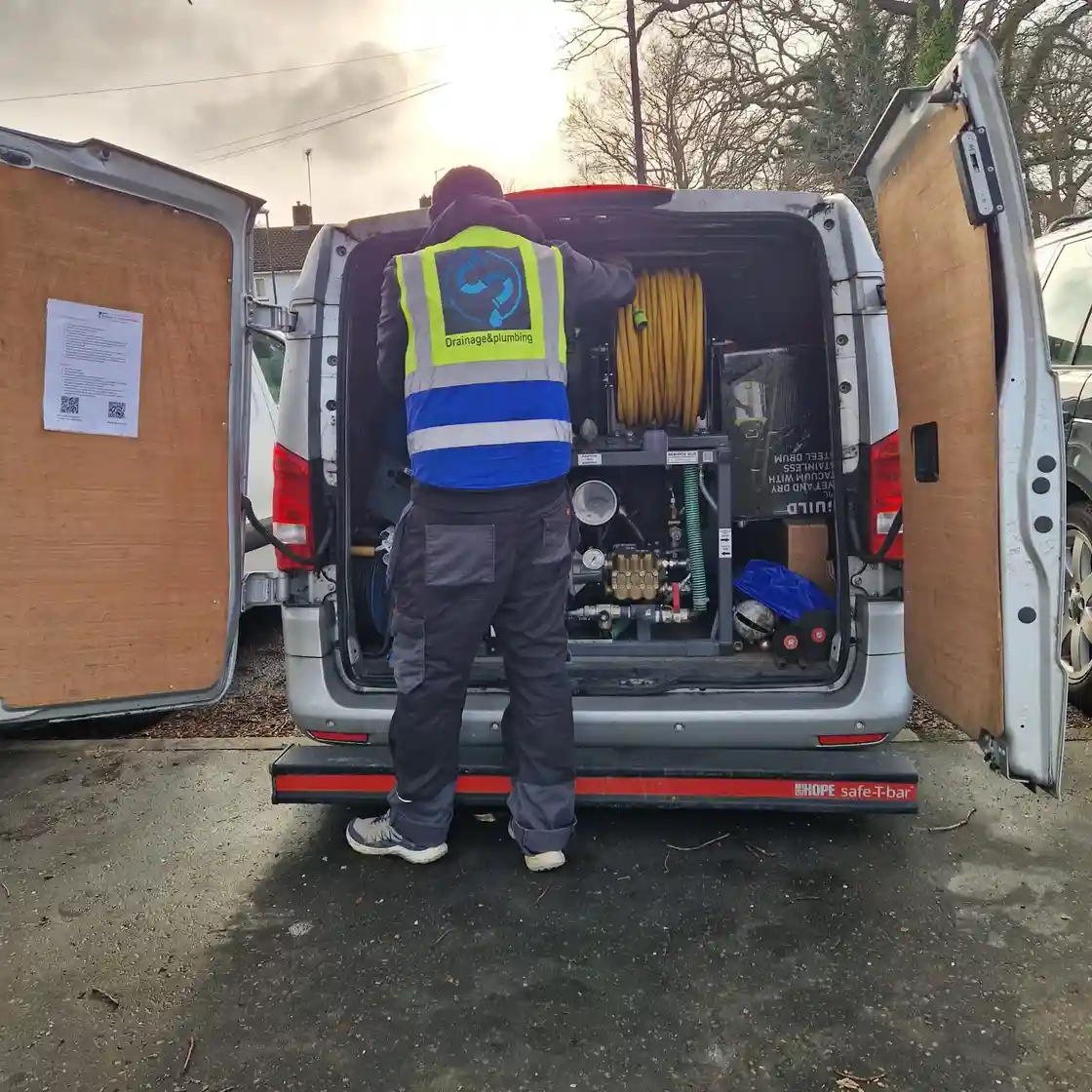
For most blockages, high-pressure water jetting (hydro-jetting) is the first-line solution. It clears grease, debris, and soft root growth without damaging the pipe wall. Where structural damage is confirmed — cracked pipes, displaced joints, or partial collapse — drain relining offers a trenchless repair that restores full function without digging up your garden or driveway. The Health and Safety Executive guidance on confined space and drainage work underpins our safe working practices on every job. Next step: Call us to book a same-day CCTV survey and get a clear diagnosis before committing to any repair cost.
Why Do Drain Problems Reigate Residents Report Keep Recurring?
Recurring drain problems Reigate residents report almost always point to one of two things: the wrong fix was applied the first time, or a structural issue was never properly identified. Clearing a blockage without inspecting the pipe is like treating a symptom without diagnosing the illness — the blockage returns, often within weeks, because the underlying cause remains completely untouched.
Reigate’s combination of ageing Victorian drainage, clay soil movement, and mature street trees creates conditions where structural deterioration is genuinely common. Thermal expansion and contraction in older pipes accelerates joint displacement over time, particularly through Surrey’s variable seasons — a factor that compounds existing weaknesses year on year. If you’re unsure whether your situation counts as urgent, our guide on what to do when your toilet overflows at night covers the immediate steps to take before an engineer arrives.
The fix is straightforward: insist on a CCTV survey before any repair, confirm the root cause, and choose a method that addresses the structure — not just the symptom. You can read more about who we are and how we work on our About Us page. We serve Reigate and the surrounding areas including Redhill, Banstead, Caterham, and Coulsdon. If drain problems Reigate properties keep throwing at you are becoming a pattern, it’s time for a proper diagnosis — not another temporary fix. Call us on 07771 200075 — we respond 24/7. Next step: Book your CCTV drain survey today and stop the cycle for good.
No comments yet. Be the first to leave a review.
Comments are closed for this post.