
 Admin
Admin 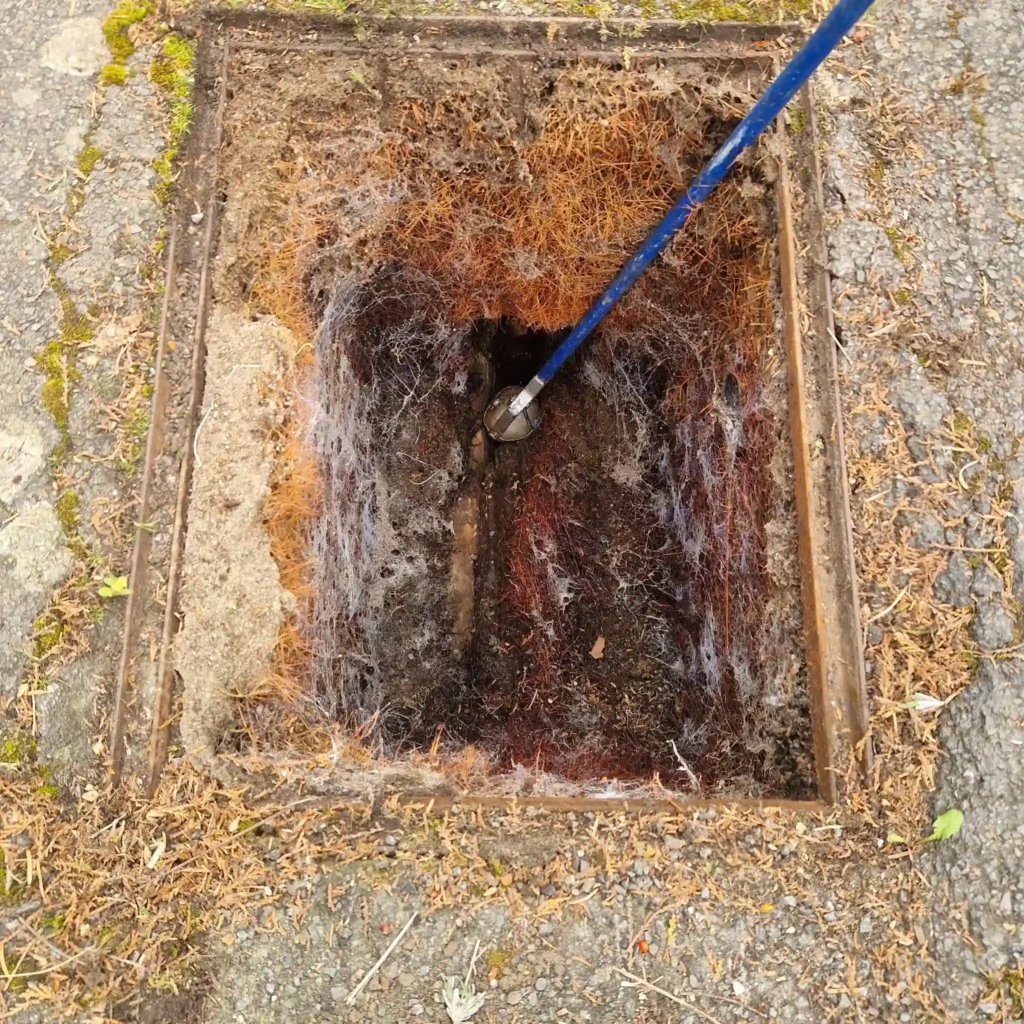
Most articles about blocked drains tell you to act fast. Here is the contrarian truth: acting fast on the wrong diagnosis wastes time and money. A tree root drain blockage South London homeowners face is rarely what it first appears — and treating it like an ordinary blockage is exactly how a manageable problem becomes a structural emergency. This guide cuts through the noise so you can make the right call, first time.
Why a Tree Root Drain Blockage South London Properties Face Is Different From a Standard Blockage
The instinct when a manhole overflows is to reach for rods or call the cheapest option available. That works for grease or wipes. It does not work for root ingress — and here is why the two situations are fundamentally different.
A standard blockage sits in one place, breaks apart under pressure, and stays gone. Root ingress is a living, growing obstruction that entered through a structural defect. Clear the roots without addressing the defect and you have bought time, not a solution. The roots will return, often faster the second time, because the access point remains open and the pipe interior now holds moisture-rich debris that actively attracts further growth.
Under the Water Industry Act 1991, homeowners are responsible for private drains up to the point they connect to the public sewer. That means the cost of repeated callouts, structural repairs, and any consequential damage sits with you — not the water company. Getting the diagnosis right the first time is not just convenient; it is financially important.
Clay pipe systems, which remain common across South London’s older housing stock in areas like Coulsdon, Purley, Croydon, and Bromley, are particularly vulnerable. Their joints can displace over decades, and even a hairline crack is enough for a root tip to find moisture and force its way in. Once inside, the root mass expands, traps passing waste, and accelerates pipe deterioration — a cycle that BS EN 752, the European standard for drain and sewer systems outside buildings, identifies as a key risk factor in ageing gravity drainage networks.
Seasonal Reality: Why Spring Turns a Hidden Tree Root Drain Blockage South London Problem Into a Crisis
Spring is the season most drainage engineers dread for root-related jobs — and it is the opposite of what most homeowners expect. People assume summer drought stresses trees into searching for water. In reality, spring triggers the most aggressive root growth because soil temperature rises, moisture levels are high, and trees are pushing energy into new growth across their entire root network.
A drainage line that has been coping poorly through winter — slow to drain, occasionally gurgling, smelling faintly outside — can fail completely within weeks once spring root activity intensifies. The blockage does not build gradually at that point; it accelerates. By the time a manhole is visibly overflowing, the root mass inside has often been developing for months or years.
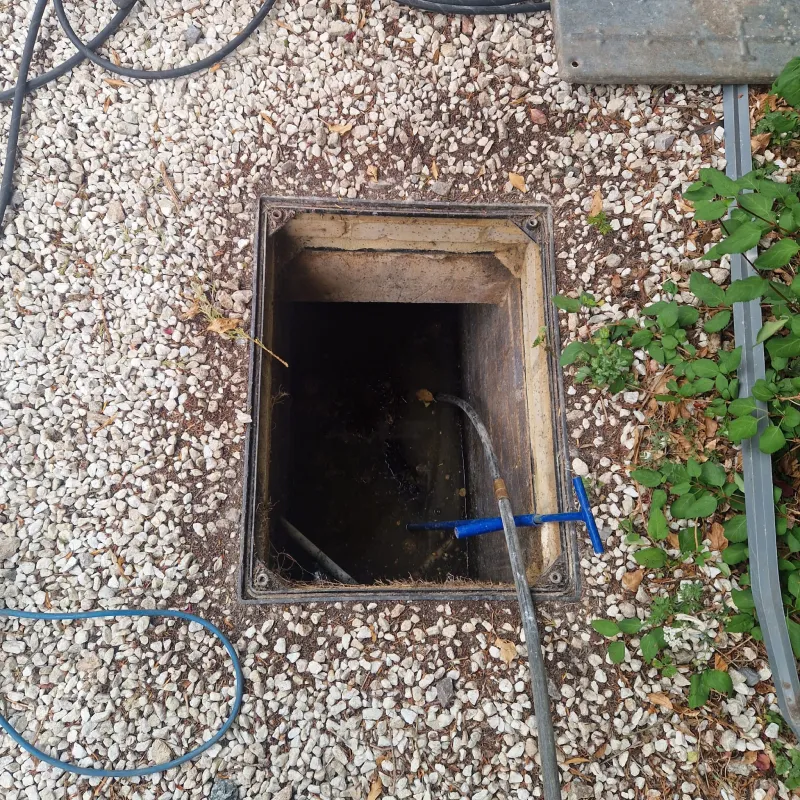
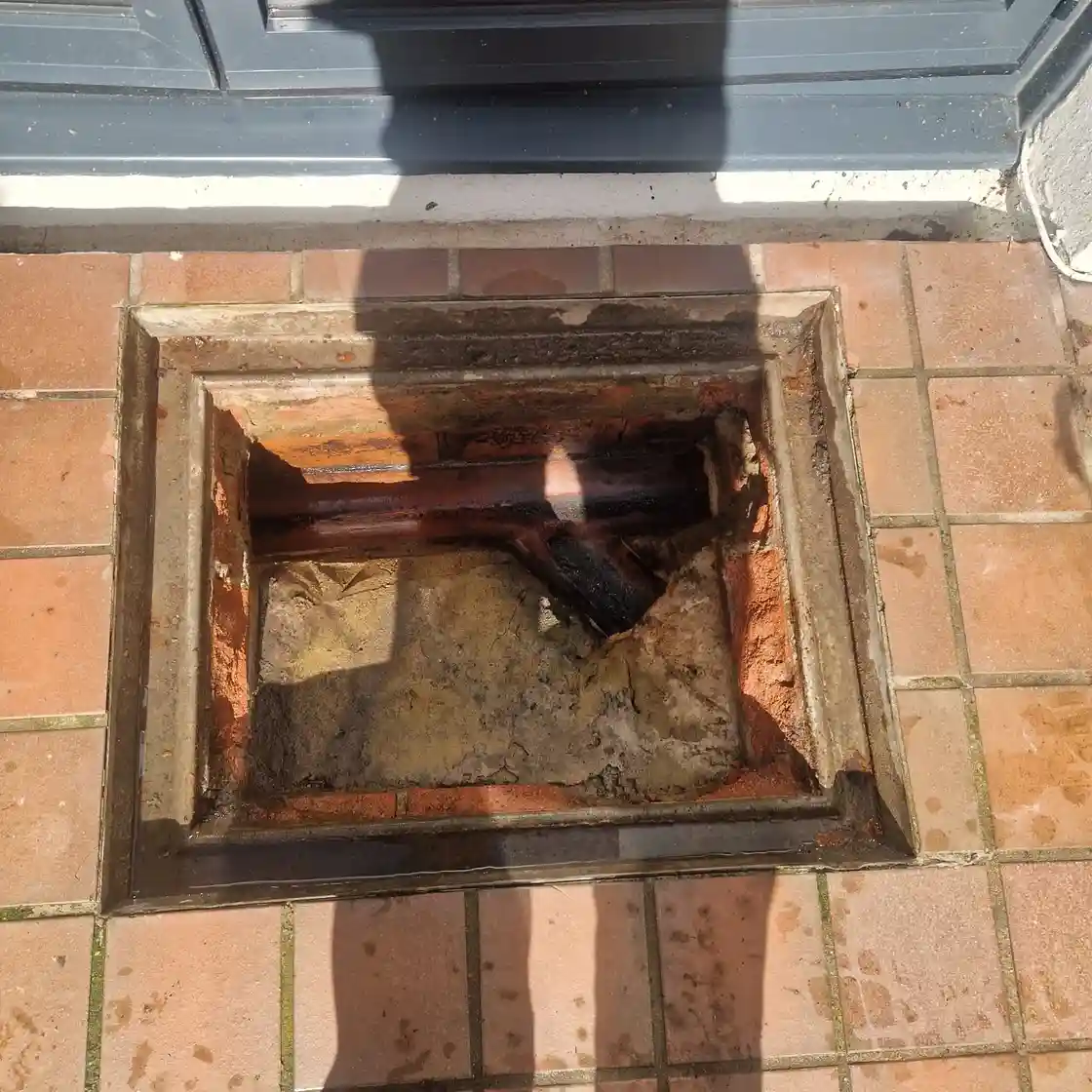
In a real South London case at a semi-detached property in Coulsdon, exactly this pattern played out. The rear manholes were overflowing badly in spring. The front chamber showed different conditions — a classic sign that the obstruction was not at the surface but deep in the line between chambers. The root mass eventually extracted from that system was one of the largest seen in a domestic clay drain: thick, dense, and heavily established, having trapped waste material around it over a long period.
The warning signs had almost certainly been present for some time before the overflow. Recognising those signs earlier — and understanding what they mean in a spring context — is the difference between a drain jetting callout and a structural repair bill.
Common early warning signs to watch for, especially in spring:
- Slow-draining toilets, baths, or gullies that seem worse than usual
- Gurgling sounds from multiple fixtures simultaneously
- Foul smells near inspection chambers or garden manholes
- Wastewater sitting higher than normal in a chamber
- Recurring blockages that cleared previously but keep returning
- Soft or wet ground near drainage runs with no obvious surface cause
If your property has mature trees within several metres of the drainage line and you notice any of these signs in spring, treat it as a root ingress indicator until proven otherwise. If you also have blocked channel drains on your driveway, root pressure on surrounding pipework may be contributing to multiple drainage failures at once.
How to Respond: Step-by-Step Checklist for a Suspected Root Blockage
When symptoms point to root ingress rather than a standard blockage, the response sequence matters. Do these steps in order — skipping ahead wastes time and can worsen the situation.
- Stop using toilets, sinks, and other waste outlets immediately to prevent additional wastewater backing up into already-full chambers.
- Check all accessible manholes on your property to identify which chambers are full or overflowing and which are clear — this tells an engineer where the obstruction is likely to be.
- Note any trees, large shrubs, or boundary hedges within five metres of the drainage run, as this information helps the engineer assess root ingress risk before arrival.
- Call a specialist drainage company (not a general handyman) and request emergency drain unblocking with high-pressure jetting capability, specifying that root ingress is suspected.
- Ask the engineer to locate the defect that let the roots in once the drain is clear, and to assess it for repair.
- Do not accept clearing alone as a complete fix — request a written recommendation on whether drain repair or lining is needed to close the root entry point.
- Follow up on any repair recommendation promptly; roots re-enter cleared but unrepaired lines faster than they entered originally.
If the situation has already reached overflow stage, 24-hour emergency drain unblocking is the appropriate first call — not a wait-and-see approach.
Clearing vs Repairing: Choosing the Right Fix for a Tree Root Drain Blockage South London
This is the decision that separates a resolved problem from a recurring one. Clearing and repairing are not the same thing — and choosing between them (or combining them correctly) defines the long-term outcome.
Option A: Clearing Only (High-Pressure Jetting and Root Extraction)
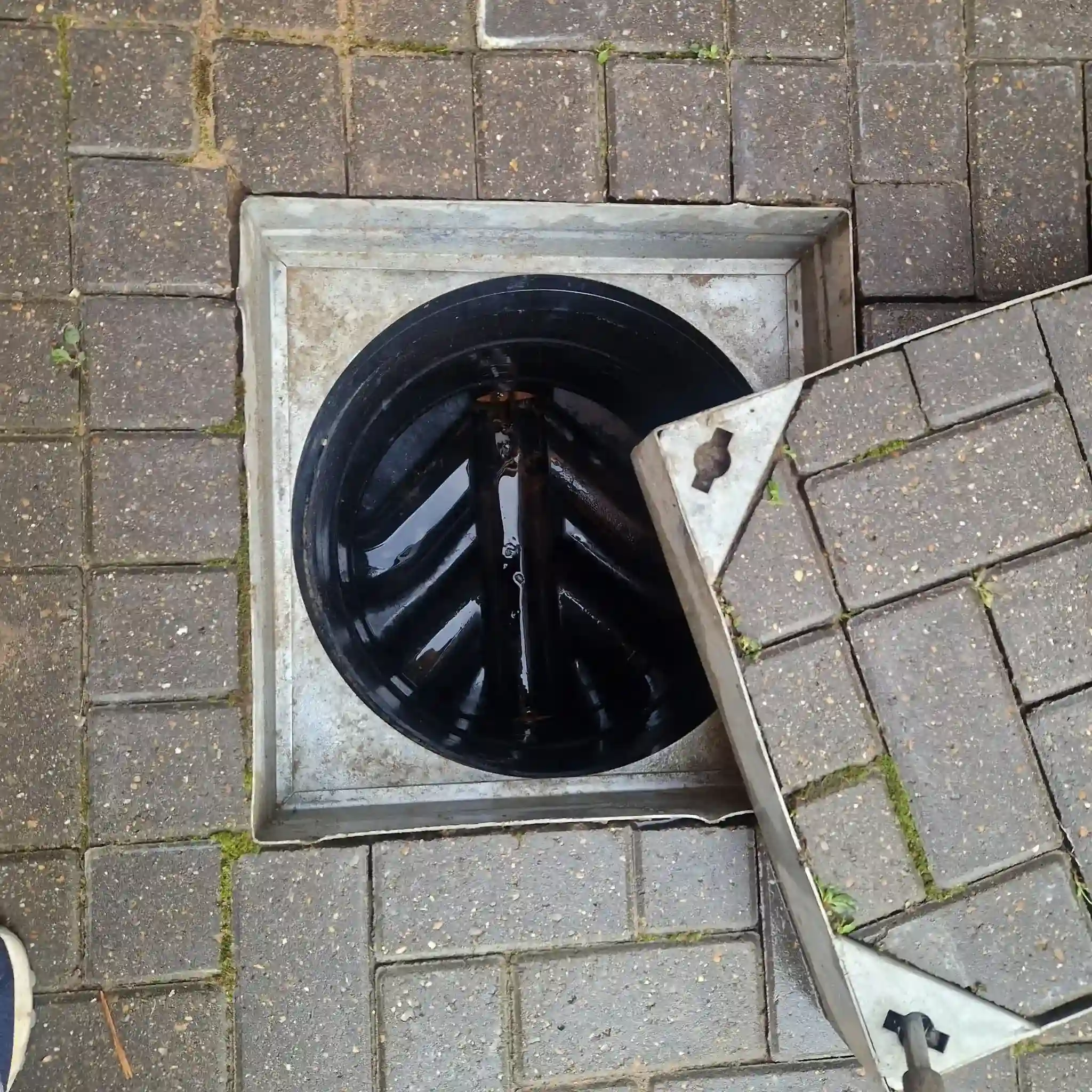
High-pressure water jetting is the professional standard for breaking down root masses, flushing debris, and restoring flow. On a severe root job, jetting is used in combination with physical extraction — loosening the mass, flushing sections clear, then removing material from accessible chambers. This process can take several hours on a heavily established blockage.
Clearing alone is the right immediate response when a system is in active overflow. It stops the emergency. It restores flow. It is essential. But it does not close the crack or displaced joint that let the roots in. If the pipe defect remains, roots will re-enter — typically within one to three growing seasons, sometimes faster in clay systems with multiple weak joints.
Option B: Clearing Followed by Drain Repair or Lining
The more complete solution combines emergency clearing with a proper check of the pipe afterwards to locate the entry defect, followed by targeted repair — either excavation and pipe replacement, or no-dig drain lining where the pipe condition allows it. Building Regulations Part H requires that drainage systems are maintained in a condition that prevents leakage and structural failure; repairing a root-entry defect is not optional maintenance — it is the standard expected of a properly managed private drain.
For properties in Coulsdon, Purley, Sanderstead, Kenley, Sutton, Bromley, and the wider South London area with older clay systems, Option B is almost always the right long-term choice. The cost of one proper repair is consistently lower than the cumulative cost of repeated emergency callouts over two or three years.
How to Decide Which Applies to Your Situation
Ask one question after clearing: was there a structural defect at the root entry point? If yes, repair is needed. If the roots came in through a joint that has since re-seated and there is no ongoing structural weakness, a monitoring approach with annual jetting may be defensible. A specialist drainage engineer — not a general contractor — is best placed to make that call based on what the pipe actually shows, not what is convenient to recommend.
No comments yet. Be the first to leave a review.
Comments are closed for this post.