
Blocked Drains Solutions: Fast, Lasting Clearance & Repairs
Practical blocked drains solutions for homes and businesses across South London and Surrey — from a quick clear to fixing the cause for good.
Blocked drains never pick a convenient moment. It's usually a Sunday evening, the sink's full of grey water, and there's a smell creeping up from the plughole that wasn't there yesterday. The good news is that most blocked drains solutions are quicker and cheaper than people fear — we've spent years sorting them across South London and Surrey, and the pattern rarely changes. Small warning signs get ignored, then the whole run stops moving at once.
The trick is matching the right fix to the right problem. Below we walk through the practical blocked drains solutions that actually work — from a ten-minute home job to professional jetting and repair — and how to tell which one you need.
What are the best blocked drains solutions? The right solution depends on the cause. Minor indoor blockages can be plunged or flushed clear at home. Compacted grease, scale and silt usually need professional rodding or high-pressure jetting, while recurring or underground blockages need the cause tracked down first and, where there's a defect, a no-dig pipe repair. Matching the method to the cause is what makes a fix last.
Key takeaways
- Most domestic blockages clear in under an hour — soft waste rods out fast, grease and roots need jetting or cutting.
- The big causes are fat, oil & grease indoors and tree roots in old clay pipes outdoors.
- A drain that blocks repeatedly in the same place points to a pipe defect, not just debris.
- Avoid caustic chemical cleaners — they make professional clearance harder and can damage older pipework.
What Clearing Blocked Drains Actually Involves
It's rarely just "shove a rod down and hope". A proper clearance starts with working out where the blockage sits — kitchen waste pipe, soil stack, gully, or the underground run out to the sewer. Each one needs a different approach, and getting it wrong can push the obstruction deeper.
Our drain unblocking services typically combine manual rodding for soft blockages with jetting for compacted ones. Where a drain keeps blocking in the same spot, that's usually a pipe defect talking — a dropped joint, a belly in the run, or roots. In most cases you'll know within twenty minutes whether it's a one-off or something structural.
Why Drains Block Around London and the South East
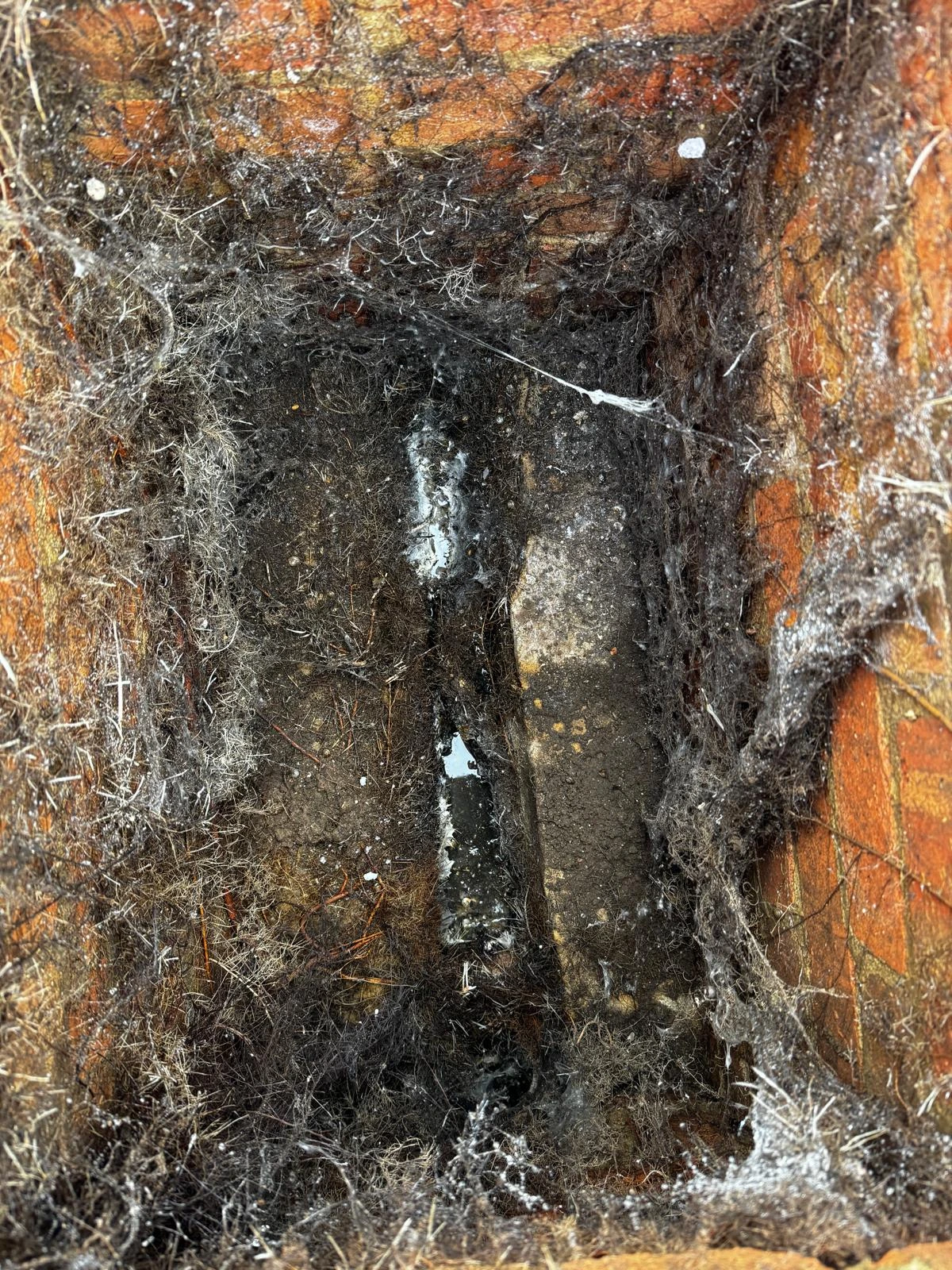
Some of it's down to what goes in the pipes. Some of it's down to the pipes themselves — much of the housing stock around Croydon, Sutton and Caterham still runs on Victorian-era clay drainage, which cracks, shifts and lets roots in. Cooking fat is the other big offender; cooled grease binds with wipes and forms the rock-hard masses you'll know as fatbergs. Water UK's advice on drains and sewers is blunt about it: only the three Ps belong down a toilet. Regular drain cleaning keeps build-up from reaching that stage.
Fat, oil & grease
Liquid going in, solid coming out. It coats the pipe wall layer by layer until almost nothing gets past.
Tree root intrusion
Roots find the tiniest joint gap in old clay pipes. Very common near mature gardens in Purley and Coulsdon.
Wipes & sanitary items
"Flushable" on the packet doesn't mean flushable in a 100-year-old drain. These snag and gather everything else.
Collapsed or shifted pipework
Heavy clay soil moves with the seasons. Pipes crack, joints drop, and silt settles where flow slows down.
How We Clear Blocked Drains, Step by Step
Every job's a bit different, but the bones of the process don't change much.
- 1
Locate the blockage
Lift the inspection chambers, check water levels, and work out which section's holding back.
- 2
Choose the right method
Rodding for soft, local blockages. High-pressure flushing for grease, scale and compacted waste.
- 3
Clear and flush through
The blockage is broken down and washed to the sewer — not just punched with a hole that closes again in a week.
- 4
Check the cause
If it's a repeat offender, we work out what's going on inside the pipe before it happens again.
Signs You're Heading for Blocked Drains
Drains complain before they quit. A sink that empties slower than it used to. Gurgling from the bath when the washing machine drains. A whiff of sulphur near the outside gully. By the time water's standing in the chamber, you're already at the serious end of the scale — and that's the point where our 24-hour emergency drainage team tends to get the call.
Blocked Drains Solutions: DIY or Call Someone In?
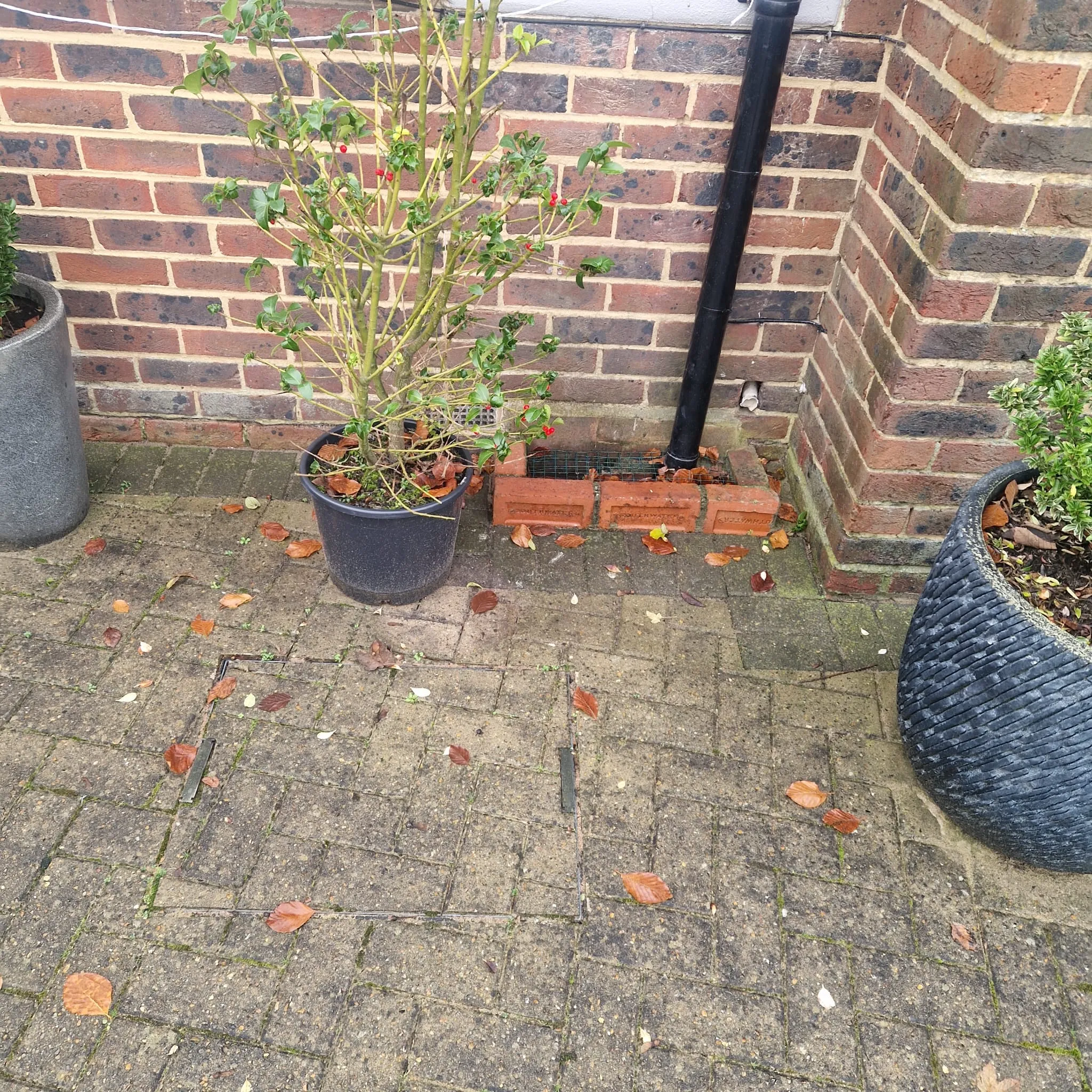
Honest answer: try the simple stuff first. A plunger and hot soapy water clear a fair share of kitchen sink blockages, and it costs you nothing but ten minutes. Where we'd draw the line is anything underground or anything chemical — caustic drain cleaners sit in blocked pipes and make the job nastier for whoever ends up clearing it. And entering chambers or deep gullies isn't a homeowner job at all; the HSE's confined space guidance exists for good reason.
Worth trying yourself
- Plunging a slow sink or basin
- Clearing hair from plugholes and traps
- Lifting leaves off outside gully grates
- Pouring caustic chemicals down the pipe
One for the professionals
- Underground or repeat blockages
- Sewage backing up into the property
- Jetting, rodding beyond the trap, root cutting
- Anything involving inspection chambers
How to Stop Drains Blocking in the First Place
Prevention is dull, cheap and almost always works. The vast majority of the blockages we attend would never have happened with a few simple habits — and none of them cost more than a sink strainer.
- Scrape plates into the bin and let fat cool and solidify before binning it — never pour it down the sink.
- Fit a cheap strainer over kitchen and bathroom plugholes to catch food scraps and hair.
- Stick to the three Ps in the toilet — pee, poo and (toilet) paper. Wipes go in the bin, "flushable" or not.
- Flush kitchen drains weekly with a kettle of hot water to shift early grease build-up.
- Keep gully grates outside clear of leaves, especially through autumn.
- If you have mature trees near the drain run, have it checked over now and then so root intrusion is caught early.
For properties that block repeatedly — older homes, shared drains, or anywhere with a known defect — a scheduled clean takes the worry out of it entirely. That's the thinking behind our monthly drainage maintenance plans.
Blocked Drains in South London & Surrey: A Local Picture
Geography matters more than people expect. The heavy clay soil across Croydon and Sutton swells in wet winters and shrinks in dry summers, which slowly works pipe joints apart. Head south towards Caterham and the Surrey chalk, and you'll find old soakaways and steep garden runs that silt up instead. Around Purley CR8, blocked drain clearance often means root cutting — the tree-lined avenues are lovely until a willow finds your clay pipework.
There's a wider responsibility too. Blocked drains that overflow can wash foul water into surface drains and watercourses, which is why the Environment Agency takes pollution from private drainage seriously. Sorting a blockage early is cheaper than dealing with what it causes.
What Affects the Cost of Clearing Blocked Drains?
No two jobs price the same, and anyone quoting a fixed figure before seeing the drain is guessing. What actually moves the number:
Where the blockage sits
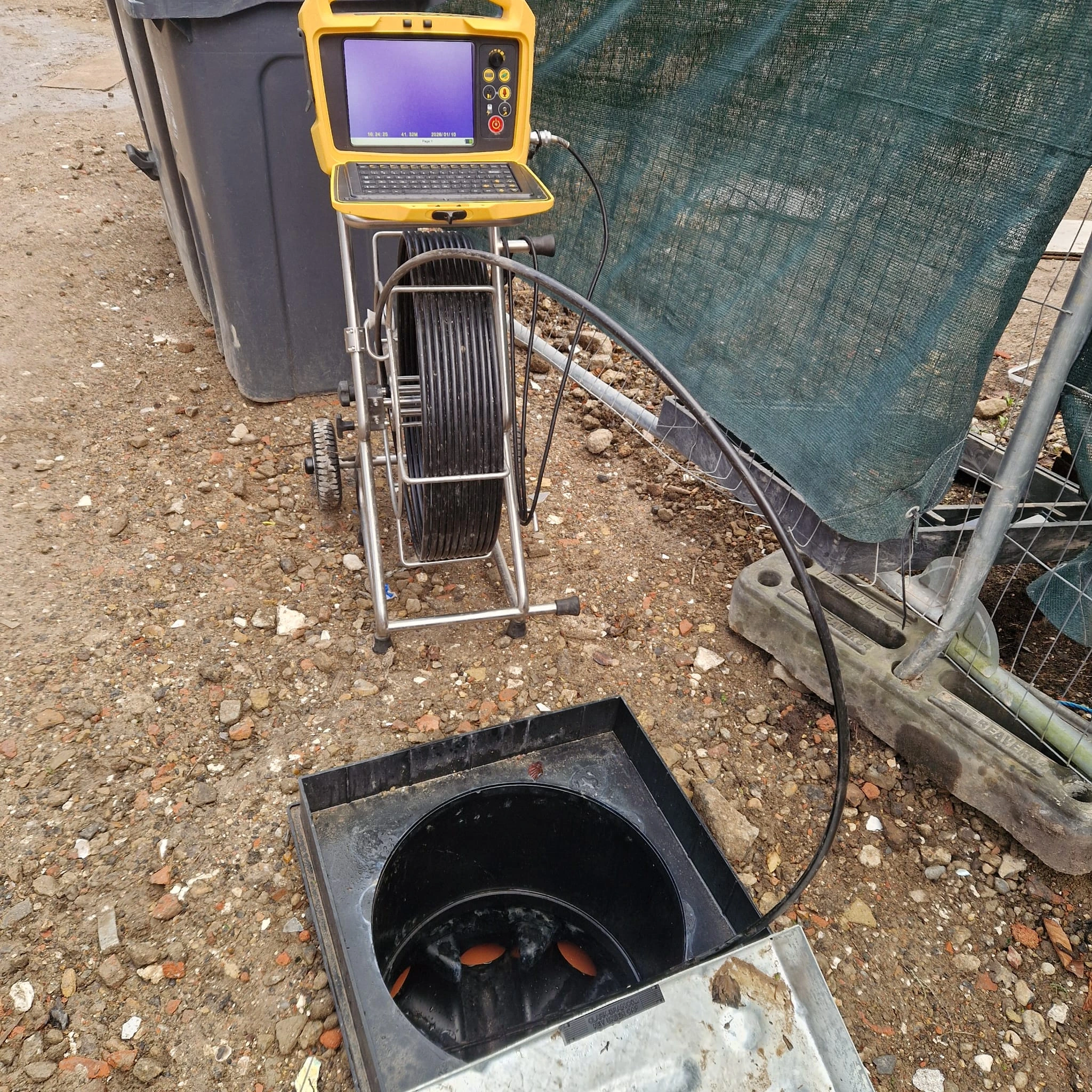
An internal waste pipe is quick. An underground run shared between properties, less so. Access makes a real difference — a buried or paved-over chamber adds time before any clearing starts.
What's causing it
Soft waste rods out fast. Compacted grease, scale or roots typically need jetting or cutting, which takes longer and uses heavier equipment.
Whether it keeps coming back
Repeat blockages usually point to a defect. Getting to the bottom of it costs a bit more upfront but often saves paying for the same clearance three times a year. Our monthly drainage maintenance plans exist for exactly this situation.
Timing
Out-of-hours emergencies cost more than a booked daytime visit, depending on the company. Catching the problem at the "slow drain" stage nearly always works out cheaper.
Blocked Drains: Frequently Asked Questions
What is the most common cause of a blocked drain?
Indoors, the most common cause is fat, oil and grease cooling and hardening inside waste pipes, often combined with wipes and food debris. Outdoors and underground, tree root intrusion into older clay pipework is the leading cause — particularly across South London and Surrey, where Victorian-era drainage is common.
Can I clear a blocked drain myself?
Often, yes, for minor indoor blockages. A plunger and hot soapy water clear many kitchen sink and basin blockages. Avoid caustic chemical cleaners, as they sit in the pipe and make professional clearance harder. Underground blockages, sewage backing up, or anything involving inspection chambers should be left to a professional.
How long does it take to unblock a drain?
Most domestic blockages are cleared within an hour. Soft blockages rod out quickly, while compacted grease, scale or roots may need high-pressure jetting or cutting, which takes longer. You usually know within about twenty minutes whether a blockage is a one-off or a sign of a structural defect.
Why does my drain keep blocking in the same place?
A drain that repeatedly blocks in the same spot almost always points to a pipe defect — a dropped joint, a belly (sag) in the run, a partial collapse, or root intrusion. Finding out what's happening inside the pipe is what lets the cause be fixed, rather than the symptom being cleared over and over.
What are the warning signs of a blocked drain?
Early signs include slow drainage, gurgling sounds when water drains, and bad smells near plugholes or outside gullies. As a blockage worsens, water backs up and eventually stands in the inspection chamber, which is the emergency stage.
Who is responsible for a blocked drain?
Generally, you're responsible for the drains within your property boundary, while the water company is responsible for the shared sewer beyond it. Blockages in a private drain serving a single property are usually the homeowner's responsibility. If you're unsure where the blockage sits, we can work that out for you.
Got a blocked drain right now?
Our engineers cover South London, Surrey and Sussex 24 hours a day. Same-day attendance in most areas, with a fixed quote before any work starts.
Drains are one of those things you forget about until they force the issue. Pay attention to the early grumbles, keep fat out of the sink, and most blocked drains never get the chance to ruin your weekend. And when one does, knowing what's underneath your property — clay, roots, old pipework and all — is half the battle won.
Ash came to unblock the drain with an hour's notice. He was super friendly, knowledgeable and cleaned up after himself.
Fantastic company. Farhad came to unblock our drains in Croydon. He arrived on time, was very polite and explained everything really well, then carried out a drain unblocking inspection to make sure everything was cleared.
Fahad was amazing. I had a blocked external drain and he was super helpful getting it resolved. Could not have done more to help, and charged a very reasonable price.
Absolutely brilliant company. They came out the same day and resolved the issue within a few hours. Very reasonably priced too. Highly recommend the team!
Brilliant service! I left a message on Good Friday at 2:30pm and by 5pm everything was sorted. Saved my Easter. Highly recommend.
They came within the hour to unblock my outside sewage manhole. Very respectful, knowledgeable and efficient. Reasonably priced. Would definitely use again.