
 Admin
Admin 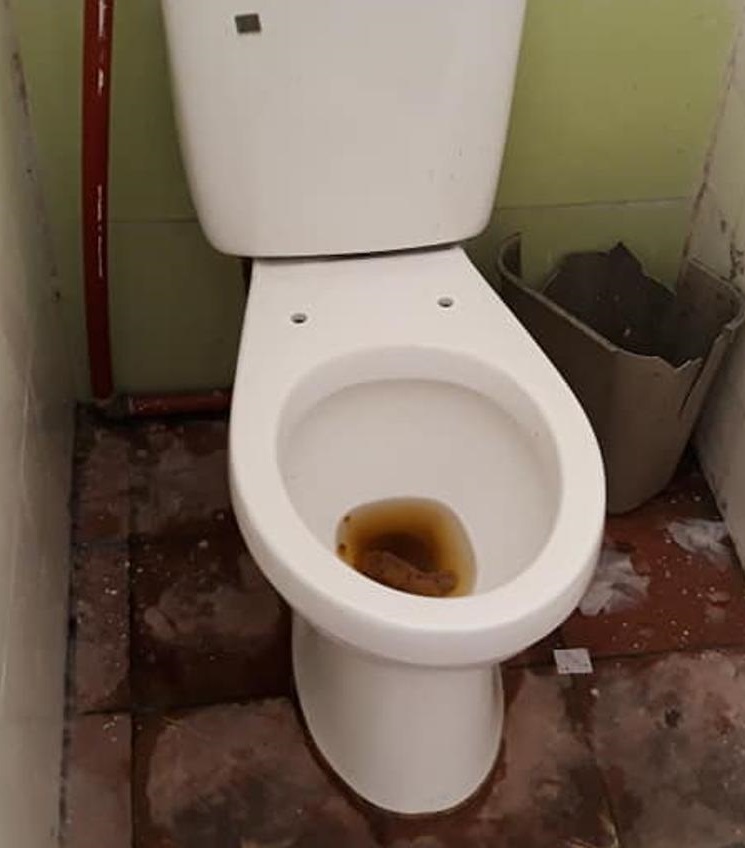
A blocked toilet is more common than most homeowners realise — drainage engineers across the UK attend thousands of toilet blockage callouts every single month, and hard water regions see the problem compound faster than anywhere else. Understanding blocked toilet causes UK homeowners face most often is the fastest route to stopping the problem before it floods your bathroom floor. I’ve spent over 15 years clearing UK drains, and the same handful of culprits show up on almost every job.
1. Flushing Items That Were Never Meant to Break Down
The single biggest driver behind blocked toilet causes UK-wide is people flushing things that simply won’t dissolve. Wet wipes are the worst offender — even products labelled “flushable” hold together for hours in water, unlike toilet tissue which disperses within minutes. Cotton pads, ear buds, sanitary products, nappies, and dental floss behave the same way, snagging on minor pipe imperfections and building into a solid mass.
Once that mass forms, it acts like a dam. Every subsequent flush adds paper and waste until the pipe is fully blocked. On a callout in Redhill last winter, a family had been flushing “flushable” wipes for months without issue — until three of them tangled at a pipe joint and stopped the toilet dead overnight. The fix was straightforward rodding, but the root cause was entirely preventable. Keep a bin in every bathroom and treat the toilet as a waste-and-paper-only route.
2. Limescale Narrowing the Pipe from the Inside
In hard water areas — much of the South East included — limescale builds up steadily on the inside of toilet pipework. It doesn’t happen overnight, but over several years it narrows the internal diameter of the pipe, leaving far less room for waste and paper to pass through freely. This is one of the more overlooked blocked toilet causes UK plumbers see, because homeowners rarely think to check the state of the pipe itself.
How Limescale Turns a Minor Clog into a Recurring One
A pipe with 20% less clearance doesn’t cause an obvious problem straight away. Instead, you’ll notice slower flushes, more frequent minor blockages, and a toilet that struggles every time paper use is slightly above normal. Left unaddressed, that narrowing becomes the reason a single wipe or extra sheet of paper is enough to cause a full stoppage. Descaling treatments and periodic professional cleaning keep the bore of the pipe clear and reduce how often blockages recur.

3. Excessive Toilet Paper Use in a Single Flush
Toilet paper is engineered to break apart in water, but that process takes time and volume of water working together. When too much paper goes down in one flush — especially in older homes with narrower, more angled pipe runs — it can clump before it has fully dispersed. This is a particularly common issue in households with children who aren’t yet mindful of how much they use.
The practical fix is simple: use only what’s needed and flush twice if a larger amount has gone down. It sounds basic, but in my experience this single habit change prevents more callouts than almost any other piece of advice I give homeowners.
4. Tree Roots Breaking Into Underground Drainage
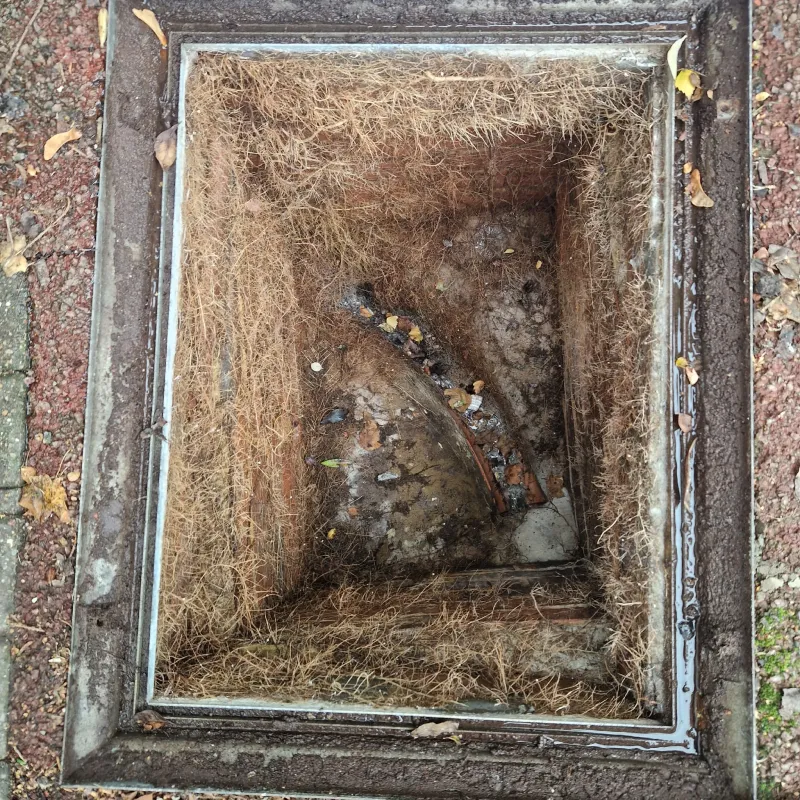
Not every blockage starts inside the house. Tree roots are drawn to the moisture and nutrients inside underground drainpipes, and they’re relentless — a hairline crack or a slightly open joint is all they need to get in. Once established, roots expand inside the pipe and catch paper, wipes, and waste travelling from every fixture on that run, not just the toilet.
Recognising a Root Intrusion Before It Gets Worse
The tell-tale sign is a toilet that blocks repeatedly alongside gurgling from other drains in the same property, particularly after heavy rain when root growth and ground movement are both more active. The only reliable way to confirm root intrusion, and to pinpoint exactly where along the run it’s happening, is to have the line inspected properly rather than guessing and re-digging. For a deeper look at how widespread this issue is regionally, our analysis of blocked gullies across Surrey council data shows just how often root and debris intrusion drives repeat callouts.
5. Ageing, Cracked, or Misaligned Pipework
Homes built more than three decades ago often still run on their original clay or early plastic drainage pipework, and that pipework doesn’t stay perfectly aligned forever. Ground movement, subsidence, and general wear cause sections to crack, sag, or shift out of alignment at the joints. Once a dip forms in the pipe run, waste and paper settle there instead of flowing through, and that low point becomes a recurring blockage site regardless of how carefully the household flushes.
These structural issues won’t show up from ground level. Only an inspection of the pipe itself will tell you whether ageing pipework is the underlying cause rather than a one-off flushing mistake.
What to Do the Moment Your Toilet Blocks
Immediate Steps Before You Call a Professional
Stop flushing straight away — every additional flush adds more water and pushes the blockage further into the system, raising the risk of overflow. A plunger will clear many minor clogs within a few attempts; if water keeps rising dangerously, turn off the isolation valve behind the toilet to stop it refilling. If the blockage doesn’t clear or keeps returning within days, that’s a strong signal the cause sits deeper in the pipe run than a plunger can reach, and you’ll want a proper diagnosis rather than repeated attempts at the same fix — our guide on what to do when your toilet won’t flush walks through the full decision tree. For genuinely stubborn or repeat blockages, comparing drain jetting against traditional rodding will help you understand which method actually suits your situation before you book a callout.
Frequently Asked Questions About Blocked Toilet Causes UK Homeowners Report
What is the most common cause of a blocked toilet in the UK?
Flushing non-degradable items — particularly wet wipes — is consistently the leading cause reported by UK drainage engineers, followed by excessive paper use and limescale narrowing in hard water areas.
Why does my toilet keep blocking even after I unblock it?
A recurring blockage usually points to a structural issue further down the line, such as root intrusion, a cracked pipe, or a misaligned joint, rather than a simple flushing mistake. An engineer can confirm the exact cause on site.
Can hard water actually cause a toilet blockage?
Yes. Limescale builds up gradually inside the pipe and narrows its internal diameter, meaning less waste and paper can pass through before a clog forms — a slow-building but genuine cause of blocked toilet issues.
Is it normal for tree roots to block a toilet drain?
It’s more common than most homeowners expect, especially in properties with mature trees and older clay pipework. Roots enter through small cracks and expand inside the pipe, catching debris from every connected fixture.
Getting Professional Help With Recurring Blockages
Most toilet blockages come down to a handful of preventable habits, but when a clog returns again and again, that’s your drainage system telling you something structural needs attention. Regular professional inspections catch limescale narrowing, early root intrusion, and pipe misalignment long before they cause an overflow at 11pm on a Sunday. If Thames Water manages the section causing your recurring issue, it’s worth reading who’s responsible for a Thames Water blocked drain and what to do first before booking any work, so you’re not paying for a repair that isn’t yours to fix. For blockages that happen out of hours, our same-day emergency drain unblocking service across South East England is built for exactly that scenario. Water quality and drainage standards in England are set out under guidance from the UK government’s drainage and sewerage guidance, and pipework materials and installation should always meet the requirements laid out in Water Regulations Advisory Scheme (WRAS) standards. Design and construction of drainage systems more broadly follows the principles set out in HSE guidance on safe working around drainage systems. Understanding blocked toilet causes UK-wide isn’t just about avoiding embarrassment — it’s about protecting your home from the kind of damage a slow leak or overflow can cause when it’s left unchecked. If your toilet has blocked more than once this year, that repeat pattern is worth a proper diagnosis rather than another round of plunging.
No comments yet. Be the first to leave a review.
Comments are closed for this post.