
 Admin
Admin 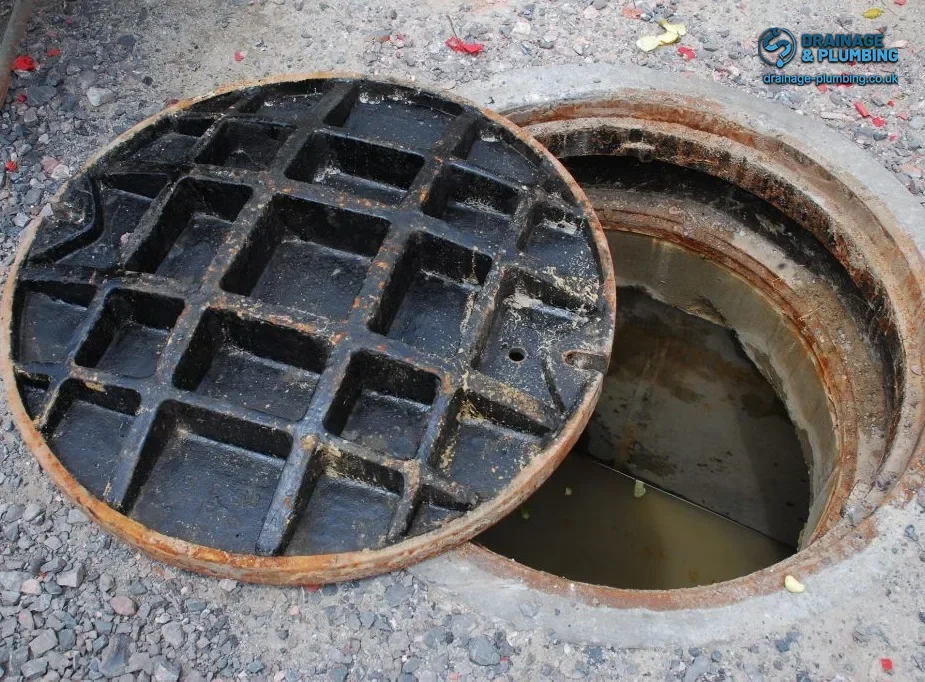
If you’ve ever stood over a slow-draining sink wondering how to prevent blocked drains before the whole system backs up and ruins your evening, you’re not alone — it’s one of the most common questions we hear from homeowners across the South East. A blocked drain rarely happens out of nowhere; it builds quietly for weeks before it announces itself at the worst possible moment. The reassuring truth is that most blockages are entirely avoidable once you understand what causes them and put a few simple habits in place.
Why Drains Block in the First Place
Before you can tackle how to prevent blocked drains, it helps to know what you’re actually fighting. In UK households, the same handful of culprits show up again and again, and nearly all of them are things we put down our sinks and toilets without a second thought.
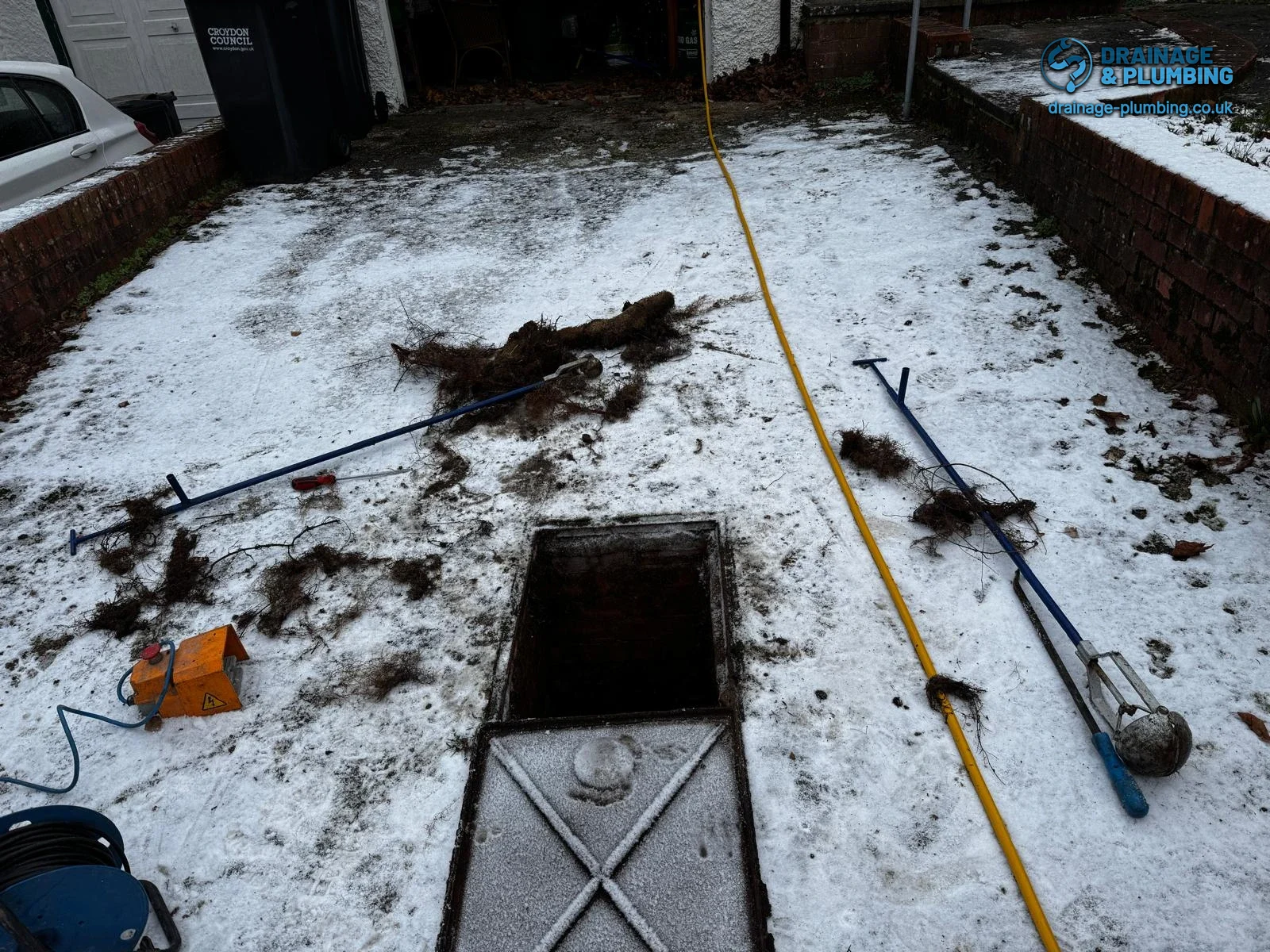
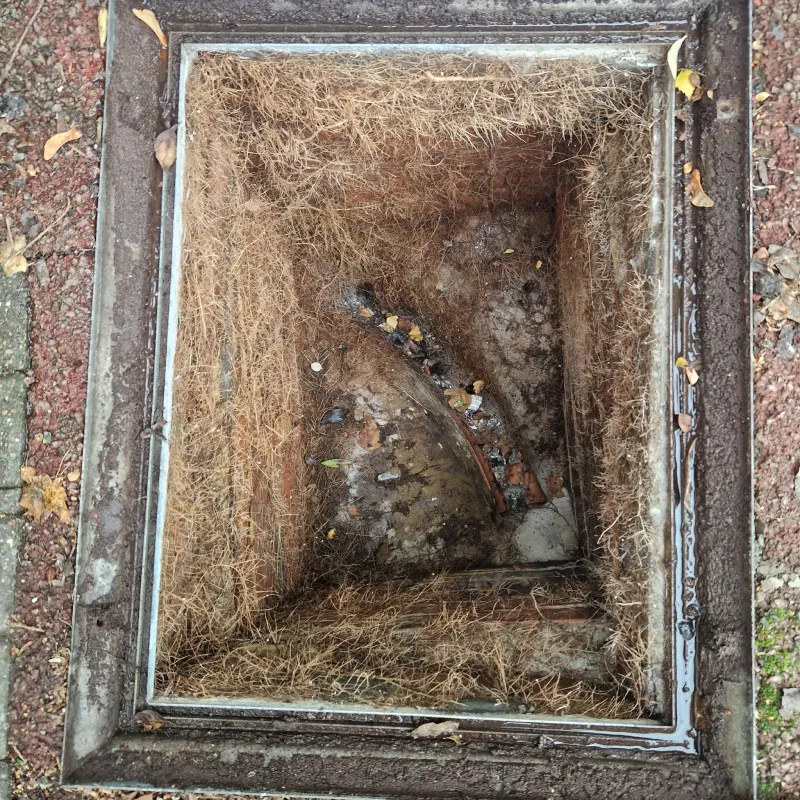
Fats, oils and grease are the number one offender. They go down warm and liquid, then cool and solidify inside the pipe, gradually narrowing the passage until nothing can get through. Hair and soap scum do the same job in bathrooms, binding together into a dense mat that traps everything else that follows. Wet wipes, cotton buds and sanitary products are another major cause — even those labelled “flushable” rarely break down fast enough to avoid snagging on pipe joints. Outside, tree roots seeking moisture can force their way into ageing clay pipework, and fallen leaves and silt clog gullies after every autumn storm.
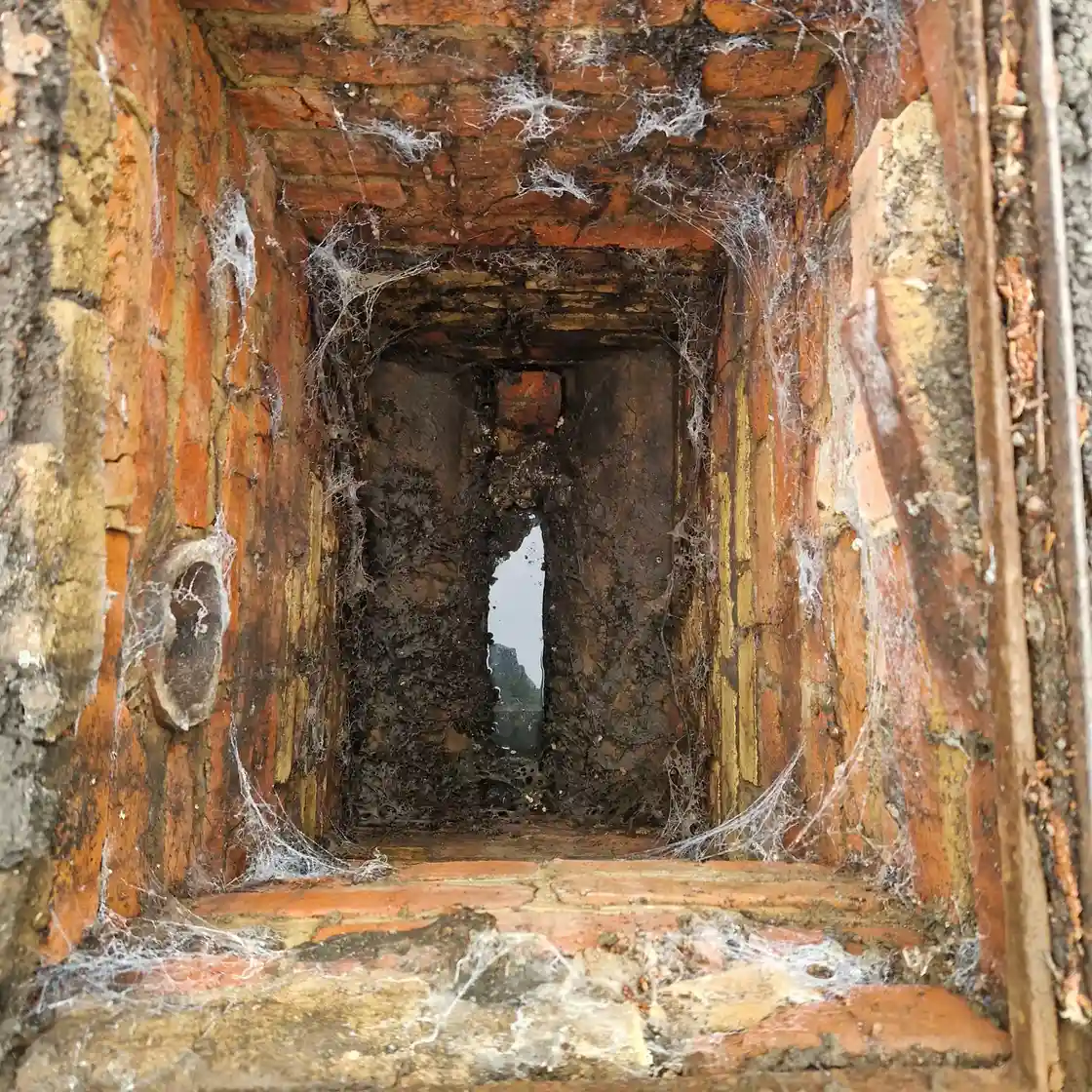
Older properties are particularly vulnerable. Clay and cast iron pipework, common in homes built before modern plastic systems became standard, is more prone to cracking, root ingress and internal scaling, which is why understanding drainage design standards such as BS EN 752 for drain and sewer systems matters even for a domestic property.
What Our Engineers Actually See on the Job
In fifteen years of crawling under floors and jetting pipes across the South East, I can tell you the calls follow a pattern: a kitchen sink that’s been sluggish for a fortnight suddenly stops altogether on a Sunday night, or a bathroom that “just started smelling odd” turns out to have a solid mat of hair and soap scum sitting eighteen inches down the pipe. Most of what we clear out didn’t need to be there — it built up gradually because nobody was watching for the early warning signs. The properties that call us least are the ones where someone runs hot water through the system weekly and has an engineer look the pipework over every couple of years. It’s rarely dramatic engineering that saves people money; it’s the boring, consistent habits.
Room-by-Room Habits for How to Prevent Blocked Drains
The best defence against a blockage is built into your daily routine, not bolted on afterwards. Here are the habits that make the biggest difference, broken down by where they matter most.
- Never pour fat, oil or grease down the sink. Let it cool in a container and put it in the food waste or general bin instead.
- Fit a sink strainer and empty it daily so food scraps, rice and coffee grounds never reach the pipe.
- Run hot water through the kitchen sink after use to flush away the residue before it has a chance to set.
- Use a hair catcher in every shower and bath and clean it out weekly — hair is the single biggest cause of bathroom clogs.
- Flush only toilet paper. Wipes, sanitary items, cotton buds and nappies belong in a bathroom bin, not the pan.
- Clear leaves, moss and silt from outdoor gullies every few weeks, especially through autumn and after heavy storms.
- Watch for tree roots near older pipework — slow drainage or unexplained damp patches in the garden are early warning signs.
- Flush drains monthly with hot water, bicarbonate of soda and vinegar to break down light grease build-up and freshen odours.
- Get the drains checked over every year or two if your property is older or has a history of blockages, so problems are caught before they become emergencies.
Heavy rainfall adds extra strain to the whole system, washing debris into gullies faster than usual and putting pressure on pipework that’s already partially restricted. If you want to go deeper on seasonal risk, our guide on DIY drain cleaning: what works and what makes it worse covers which home remedies are genuinely safe to try before you need to call anyone out.
When Prevention Isn’t Enough
Even with every precaution in place, some blockages are outside a homeowner’s control — root ingress, a collapsed section of old clay pipe, or a shared drain that a neighbouring property is misusing. Under the Water Industry Act 1991, responsibility for drains and sewers can sit with the homeowner, a water company, or be shared, depending on where the blockage occurs — which is exactly why it pays to establish where the fault actually sits before you assume the worst.
Know the Warning Signs Early
Gurgling sounds from plugholes, slow-draining water, or a persistent bad smell near an outdoor gully are all signals that a blockage is forming. Catching these early, rather than waiting for a full backup, is what keeps a routine visit cheap and a genuine emergency rare.
Get a Professional Diagnosis, Not a Guess
If you’re seeing recurring symptoms, an engineer can pin down the exact cause and where it sits rather than leaving you to guess. That’s especially worth doing in older homes or properties on clay soil, where root ingress and pipe movement are more common. For a fuller picture of what’s involved and when it’s the right call, our drainage consultancy and reports guide explains the process in plain terms.
Know When Repair Becomes Necessary
Sometimes prevention has done its job and the pipe itself simply needs attention — a cracked joint, a root-damaged section, or standing water that won’t clear with jetting alone. If it gets to that stage, understanding likely costs upfront takes a lot of the anxiety out of the process; our drain repair cost guide walks through what typically drives the price up or down. For gardens or driveways that struggle with standing water even when the drains themselves are clear, a French drain installation can solve the underlying drainage issue permanently.
Preventing blocked drains isn’t about perfection — it’s about consistency. A sink strainer here, a hair catcher there, a hot water flush once a week, and a proper inspection every year or two will keep the vast majority of homes clog-free. When something does go wrong despite your best efforts, don’t wait for a small gurgle to become a Sunday-night emergency. A local, WRAS-aware engineer who follows current Water Regulations Advisory Scheme guidance can usually resolve the issue in a single visit, and a quick chat now costs a lot less than an emergency call-out later.
No comments yet. Be the first to leave a review.
Comments are closed for this post.