
 Admin
Admin 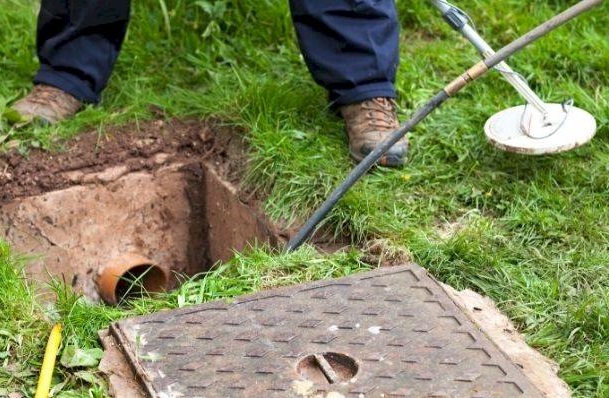
The Problem: A Drain That Won’t Behave
In the next 24 hours, a blocked drain can go from a minor inconvenience to a £3,000 structural problem. Here’s what to watch for: gurgling when you run the kitchen tap, water backing up in the shower tray, or a manhole cover in the garden that’s started to smell. If you’re weighing up drain jetting vs rodding to sort it, you’re already ahead of most homeowners, who tend to wait until the water’s lapping at the doorstep before calling anyone.
We see this pattern across Croydon, Coulsdon, and the Surrey borders every year, especially once the ground shifts with the seasons. Clay soil across South East England expands in the summer heat and contracts again once the autumn rain sets in, and that movement puts real stress on older clay and pitch-fibre pipe joints. Add in tree roots seeking moisture in a dry August, or leaf litter and grease clogging things up as the nights draw in, and you’ve got a drain that’s one bad week away from a full backup.
The warning signs are rarely subtle if you know what to look for. Slow-draining sinks that used to empty in seconds. A toilet that needs two or three flushes to clear. Damp patches near an external drain run, or a smell that lingers by the back door on a still day. None of these fix themselves, and by the time water’s pooling on the patio, you’re no longer choosing between jetting and rodding calmly — you’re choosing under pressure, often at a premium out-of-hours rate.
A homeowner in Coulsdon rang us last winter certain her recurring kitchen blockage just needed rodding again, same as always. The actual cause was root ingress at a joint thirty feet down the run — no rod was ever going to reach it, and jetting alone cleared it in twenty minutes.
That’s the trap with DIY rodding kits from the hardware shop: they treat the symptom, not the cause. You push the immediate clog through, feel relief for a fortnight, and then it’s back — because whatever caused the buildup, whether that’s grease coating the pipe wall or a root hair-net forming at a joint, is still there waiting.
Drain Jetting vs Rodding: How Each Method Actually Works
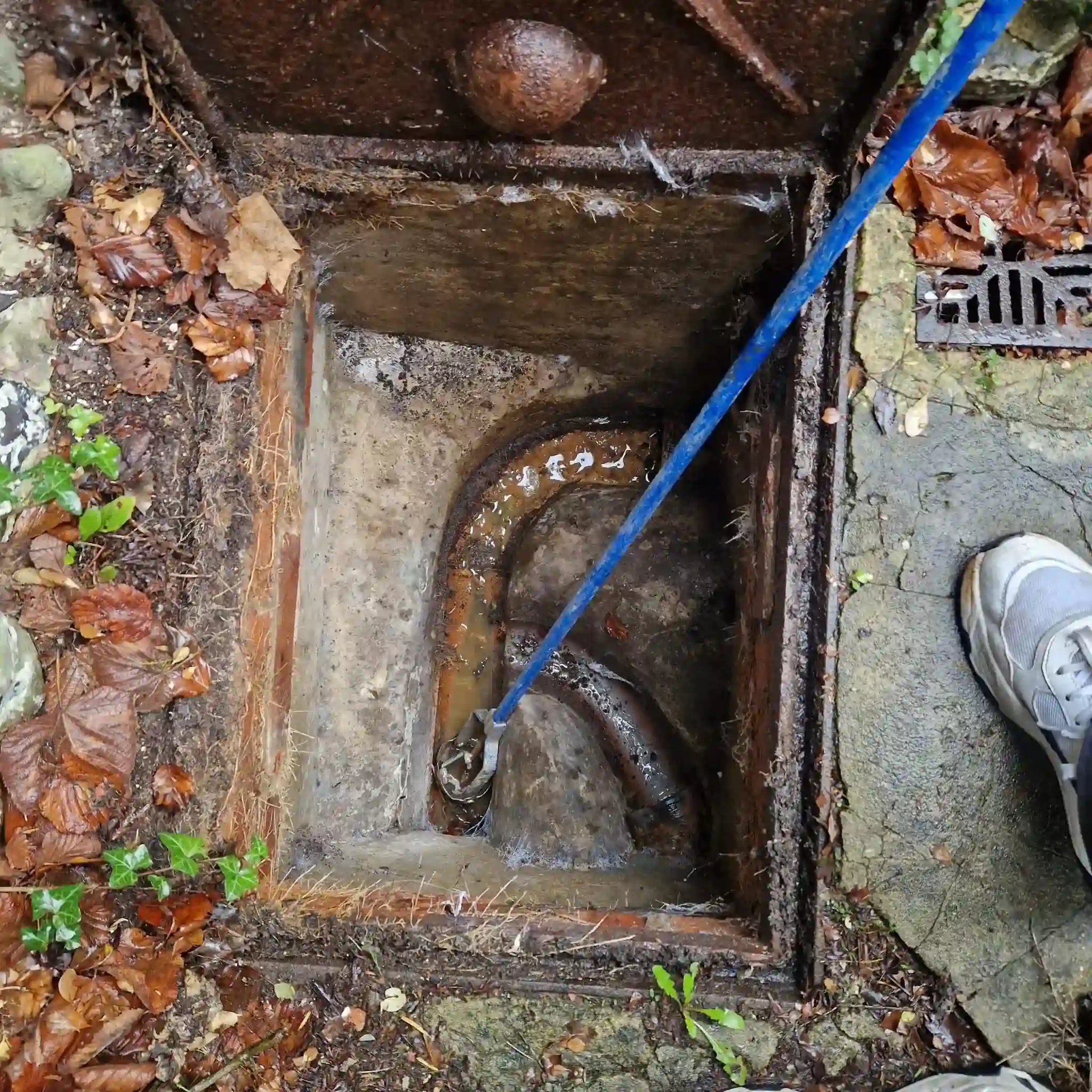
Understanding drain jetting vs rodding starts with what each tool is physically doing inside your pipe. Rodding pushes a flexible rod through the line to punch a hole through the blockage or hook it back out. Jetting fires water at high pressure through a nozzle, scouring the entire internal diameter of the pipe as it goes.
- Rodding is fast, low-cost, and needs no water or power supply — good for a single, shallow, soft blockage like tissue or hair.
- Jetting clears the full pipe wall, not just a channel through the clog, which matters for grease, scale, and silt.
- Jetting is the only realistic option against established tree roots; rods will snag on them or slide past.
- Rodding carries a slightly higher risk of pipe damage on older, fragile clay runs if too much force is used.
- Jetting works on long or curved runs where a rod can’t be pushed round the bend.
- Rodding is often the right first step for a single, obviously shallow blockage close to an access point.
Neither method is universally “better” — that’s the honest answer, even though it’s not the exciting one. A rod is the right tool for a sock stuck six feet down a straight run. A jetting machine is the right tool for eighteen metres of grease-lined Victorian clay pipe under a Beckenham driveway. Choosing wrong doesn’t just waste a call-out fee; it can mean a second visit once the “fixed” drain blocks again within days.
The Water Regulations Advisory Scheme sets out best practice for how drainage work should be carried out without risking contamination or damage to the wider system, and a competent engineer will work within those WRAS guidelines whichever method they choose. Pipe design and capacity standards, meanwhile, are set out in BS EN 752, which is part of why an experienced engineer will consider your pipe’s age and material before reaching for either tool.
The Resolution: Getting It Right the First Time
Here’s the after-state you’re aiming for: water draining in seconds, no smell by the back door, and a drain run that’s been actually cleaned rather than just unblocked. Getting there reliably starts before either a rod or a jet ever goes near the pipe.
We always pin down the cause first wherever it isn’t obvious: where the blockage sits, what it’s made of, and whether the pipe itself has cracked, dropped, or been invaded by roots. Those few minutes save a lot of guesswork and stop you paying for the wrong fix twice.
- Check what’s actually draining slowly — one fixture usually means a local clog; several at once often means a shared run further down.
- Note the season: root ingress tends to show up in autumn as roots chase moisture toward pipe joints, so a persistent autumn blockage is a strong hint jetting will be needed.
- Don’t pour a second bottle of drain cleaner down after the first hasn’t worked — it won’t reach a deep blockage, and you’ve paid twice for the same non-result.
- Ask what the engineer actually found. A reputable one tells you the cause before recommending a method, not just a price for clearing it.
- If a drain has blocked more than twice in six months, treat it as a jetting job, not another rodding call-out.
On the cost side, rodding is usually the cheaper call-out for a genuinely minor, shallow blockage, while jetting sits a little higher because of the equipment and water involved — but it clears the pipe properly, which usually means fewer repeat visits and less spent over a year. For anyone weighing up value rather than just the invoice on the day, that’s the number that actually matters. If root ingress or cracked pipework turns out to be behind it, it’s worth reading up on when a drainage specialist beats a DIY fix, since some jobs genuinely aren’t safe to attempt without the right kit.
Drain Jetting vs Rodding: Local Advice for South East England Homes
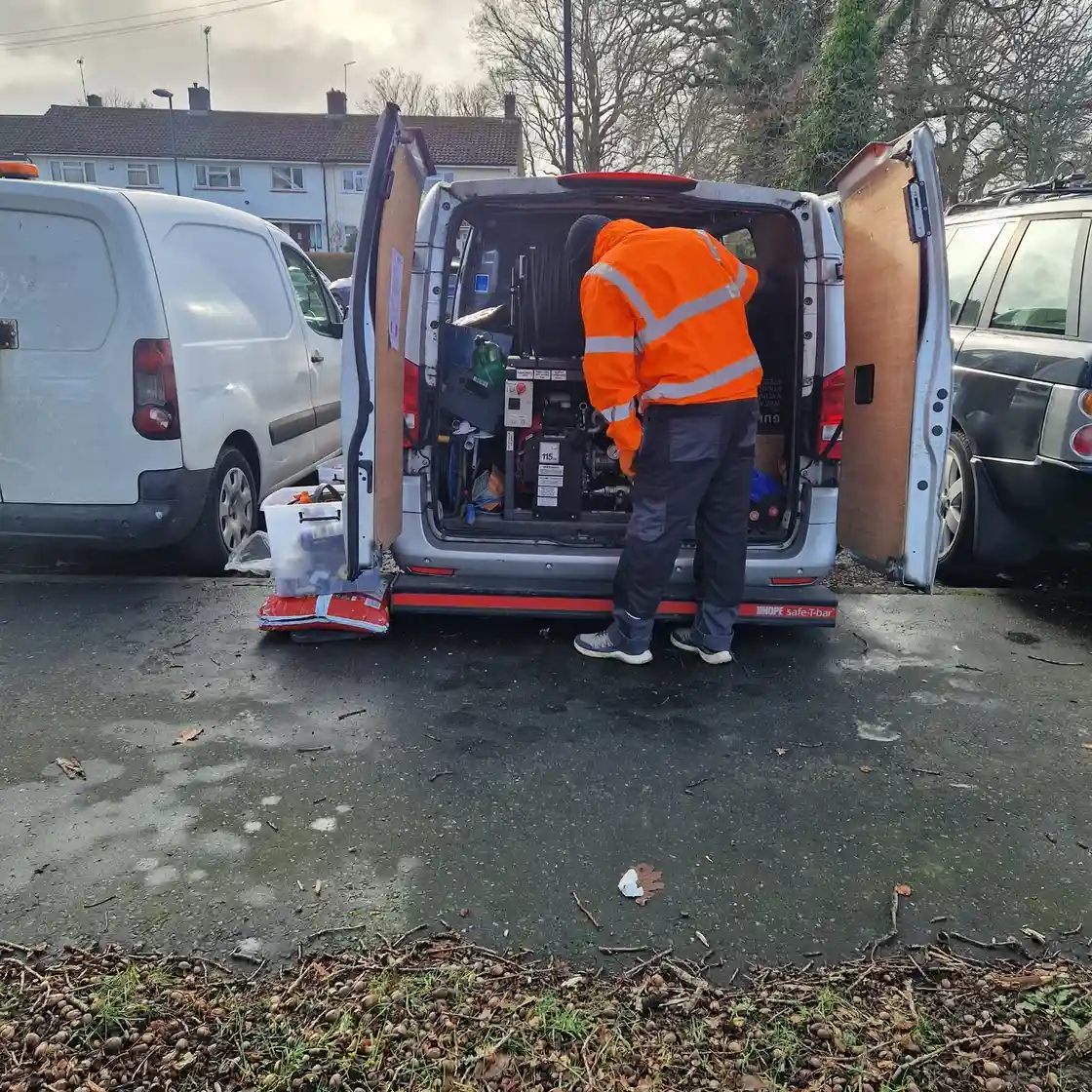
If you’re searching for drain jetting near me, a blocked drain fix in Croydon, or general drain cleaning across the wider South East, the answer usually comes down to the same question we’ve covered here: how deep is it, and what caused it? We carry both rodding and jetting equipment on every van across Croydon, Coulsdon, Brighton, and Beckenham, so there’s no waiting for a second visit once we know which the job needs.
Winter brings its own pattern worth knowing about. Freeze-thaw cycles through a South East England winter can crack older pipework that was already under strain from summer clay movement, and a blockage that seemed minor in November can turn into a split pipe by January if it’s left. If you’re in RH3 or the surrounding villages, our guide to drain unblocking in RH3 covers what local ground conditions tend to cause. For a wider look at keeping drains clear across the region before they become emergencies, see our overview of drain cleaning across South London and Surrey.
The Health and Safety Executive publishes guidance on safe working around drainage and confined spaces, which is worth knowing if you’re ever tempted to inspect a manhole yourself rather than calling it in — some access points are genuinely unsafe to open without training, and the HSE’s confined spaces guidance explains why. Legislation around sewer and drain responsibility, including where your liability ends and the water company’s begins, is set out under provisions referenced on legislation.gov.uk, which is handy to check if you’re ever unsure whether a blocked run is your responsibility or theirs.
Whichever way your drain jetting vs rodding decision goes, the goal is the same: a drain that’s properly clear, not just temporarily passable. We offer 24/7 emergency call-outs with no hidden call-out fee, and every van is stocked to handle either job on the same visit. If your drain’s been slow for more than a day or two, don’t wait for the smell to get worse — book a call-out and get a straight answer on what it actually needs.
No comments yet. Be the first to leave a review.
Comments are closed for this post.