
 Admin
Admin 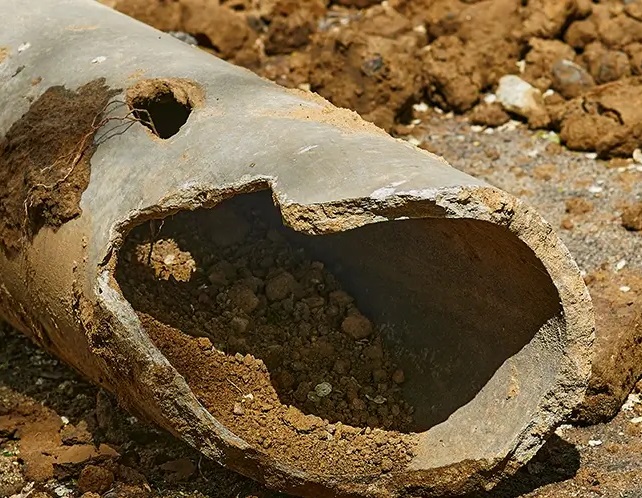
You’ve probably heard that a collapsed drain always announces itself with a dramatic sinkhole in the garden. It’s wrong — and it’s why so many drains get worse instead of better. Knowing how to spot a collapsed drain early, before the visible damage appears, is what separates a straightforward trenchless repair from a five-figure excavation bill.
Myth: “A Collapsed Drain Always Looks Obvious”
Most homeowners assume a collapsed drain will announce itself instantly — a hole opening up in the lawn, water bubbling up through the patio. In reality, the majority of collapses start underground and stay invisible for weeks or months while the damage quietly spreads. Learning how to spot a collapsed drain means paying attention to the subtle clues, not waiting for the obvious ones.
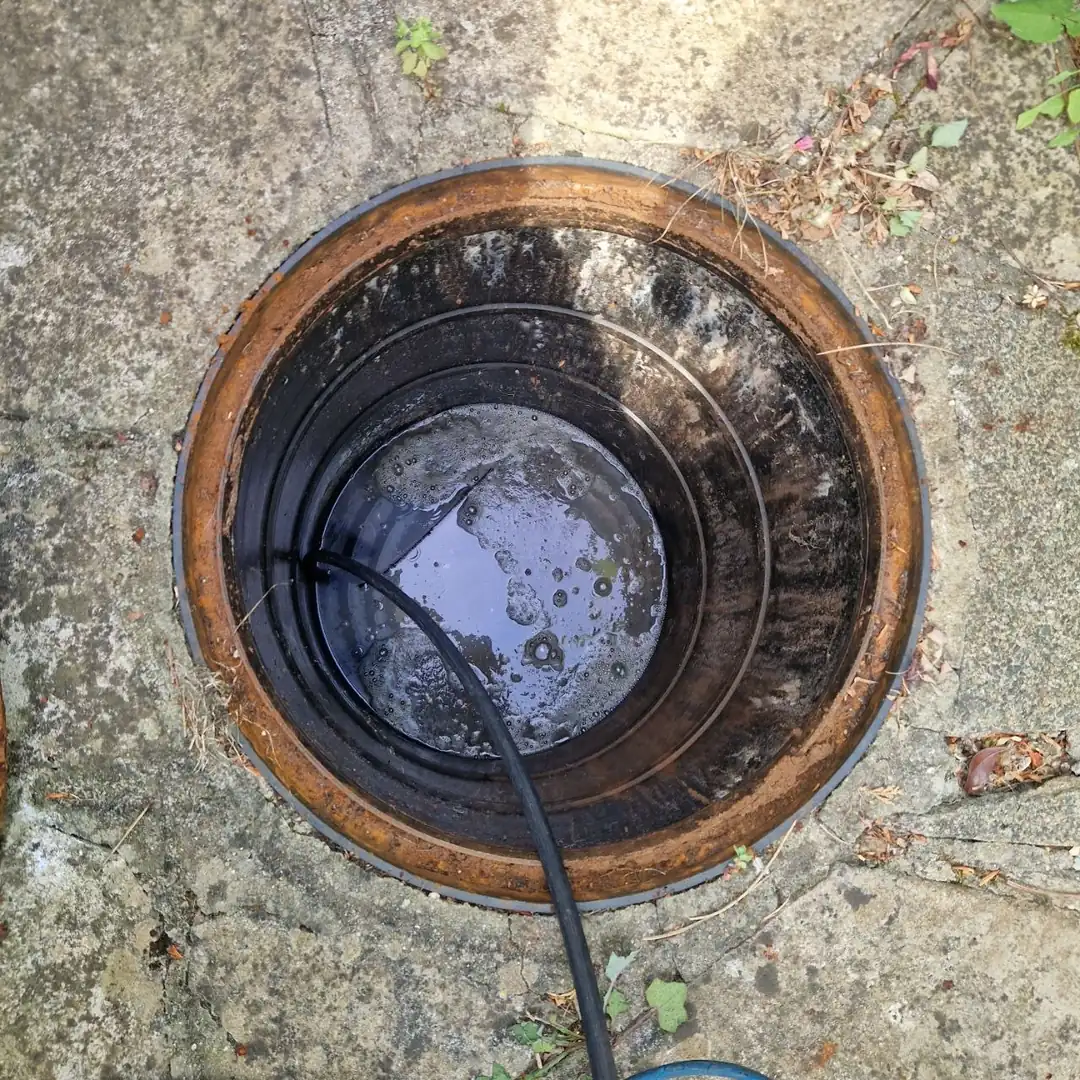
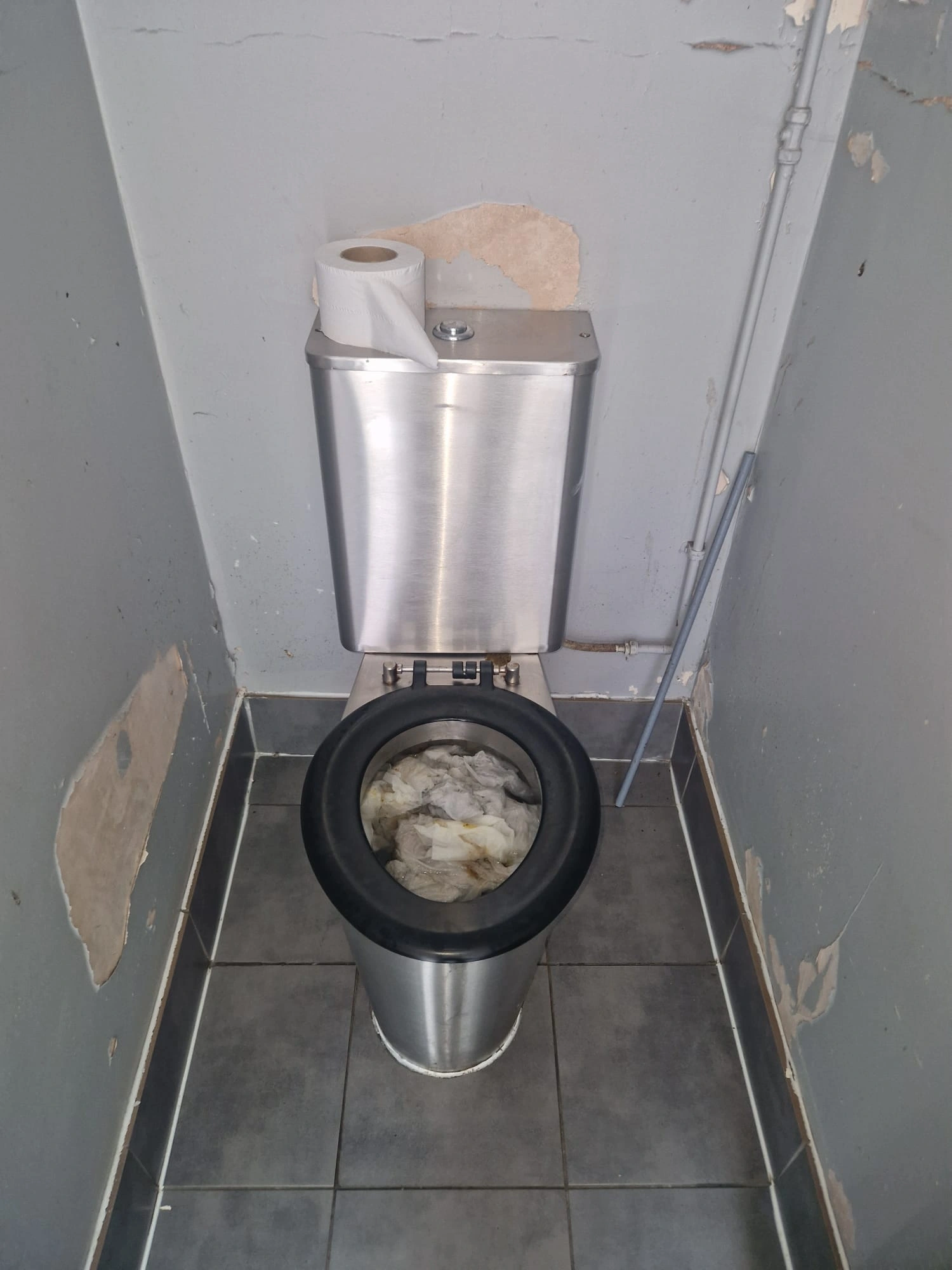
The early signs are usually inside the house, not outside it. Persistent sewage smells that don’t clear after cleaning, gurgling noises from toilets or sinks, and blockages that return within days of being cleared are all early warning signs. A pipe doesn’t need to fully cave in to disrupt flow — a partial fracture or offset joint is enough to trap waste, and that’s often the first stage of a full collapse. If you’re already dealing with recurring gurgling, our guide on how to fix a gurgling toilet or sink drain covers the difference between a simple blockage and something more structural.
Myth: “If a Drain Snake Clears It, the Pipe Must Be Fine”
This is one of the most costly assumptions homeowners make. A rod or plunger can push through a partial collapse just as easily as a normal blockage, giving a false sense that the problem is solved — until it returns a week later, often worse than before. Repeated clearances without diagnosis waste money and buy time for the pipe to deteriorate further.
The only reliable way to tell a genuine blockage from structural pipe failure is to have the run checked properly by someone who knows what they are looking at. That is the difference between DIY clearance and a proper diagnosis, summarised below.
| DIY Rodding / Plunging | Professional Diagnosis |
|---|---|
| Clears surface blockages temporarily | Identifies the exact cause and location of the fault |
| Cannot detect cracks, offsets or root ingress | Reveals structural damage invisible from ground level |
| Blockage often returns within days if pipe is damaged | Pins down the fault well enough to plan the correct repair |
If your drains keep blocking despite regular clearing, it’s worth reading up on the range of professional drain cleaning methods available before assuming a simple rod-through will solve a structural issue.
Myth: “Collapsed Drains Only Happen in Old Victorian Houses”
Older clay pipework is certainly more vulnerable — decades of ground movement, tree root growth and material fatigue take their toll. But newer properties are not immune. Poorly compacted backfill during construction, heavy vehicles parked over shallow pipe runs, and rushed installation work can all cause a modern drain to fail years ahead of schedule.
What Actually Causes a Drain to Collapse
In practice, we see the same handful of causes repeatedly across South East England, regardless of a property’s age:
- Tree root intrusion — roots exploit tiny joint gaps and expand, cracking the pipe from within
- Ground movement or subsidence — clay soils common across the South East expand and contract with moisture, stressing buried pipework
- Corroded or brittle clay pipework — common in properties built before plastic piping became standard
- Surface loading — vehicles, skips or heavy machinery parked above shallow drain runs
- Poor original installation — misaligned joints or inadequate pipe bedding
The Water Regulations Advisory Scheme sets out standards for how drainage systems should be installed and maintained to avoid exactly this kind of premature failure — see the WRAS guidance for more detail. Design standards for underground drainage, including pipe bedding and jointing, are also covered under BS EN 752, the British Standard for drain and sewer systems outside buildings.
Myth: “You Can Just Wait Until the Damage Shows Above Ground”
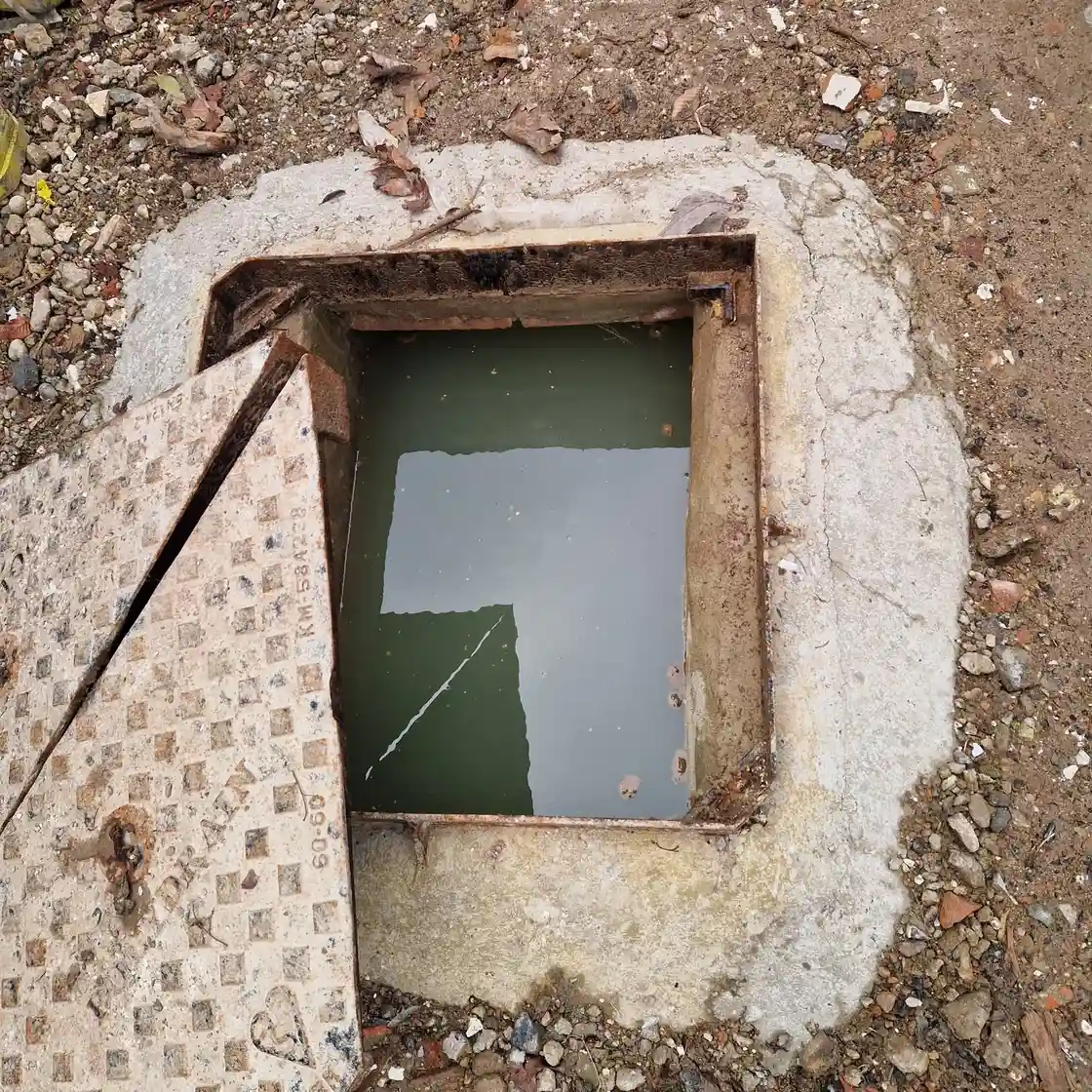
Waiting is the single most expensive mistake homeowners make with drainage faults. Every week a collapsed section goes unrepaired, wastewater continues leaking into the surrounding soil, softening the ground and accelerating structural risk to nearby foundations, patios and driveways.
Watch for these escalating signs, which typically appear in this rough order as a collapse worsens:
- Persistent bad smells indoors or in the garden that don’t clear after cleaning
- Frequent blockages that return quickly after being cleared
- Slow-draining sinks, baths or toilets even once cleared
- Damp patches or soft, sinking ground above the pipe run
- Cracks appearing in nearby walls or paving as saturated soil shifts
- Sudden rodent activity, since damaged pipes give pests an easy route into the property
By the time cracks or sinkholes appear, the problem has usually been developing underground for some time. The Health and Safety Executive notes that uncontrolled ground subsidence and unstable excavation sites carry genuine safety risks, which is part of why any suspected collapse near a building’s foundations should be assessed by professionals rather than left — see HSE guidance on excavation safety.
If you’re dealing with any of these symptoms right now, don’t wait for it to escalate into an emergency — our emergency drain unblocking service can get a same-day inspection booked before the situation worsens.
Myth: “Repair Always Means Digging Up the Garden”
Full excavation is what most people picture when they hear “drain repair,” and it puts many homeowners off having the problem looked at at all. In reality, the repair method depends entirely on how severe the collapse is — and modern trenchless techniques mean many faults never require digging up a garden or driveway at all.
Common Misconceptions We Correct Every Week
Talking to homeowners across South East England, three misunderstandings come up again and again:
| What People Believe | What’s Actually True |
|---|---|
| “Getting the cause diagnosed is expensive and unnecessary” | It’s usually the cheapest way to avoid paying for the wrong repair twice |
| “Any collapse means full excavation” | Many partial collapses can be fixed with trenchless lining, avoiding groundwork entirely |
| “If water is still draining, the pipe is fine” | Partially collapsed pipes can still pass water while slowly failing further |
Once the extent of the fault is confirmed, the right fix usually falls into one of three categories:
- Drain relining — a trenchless resin lining suitable for cracks, fractures and minor collapses
- Root removal and patch repair — where root ingress is the primary cause and the pipe structure is otherwise sound
- Excavation and full pipe replacement — reserved for severe or extended collapses where lining isn’t viable
Getting this diagnosis right matters just as much outside the house as inside it — if standing water or poor drainage in the garden is part of the picture, it’s worth checking our guide on unblocking outdoor drains, or considering whether a French drain installation is needed alongside the repair to manage surface water long-term.
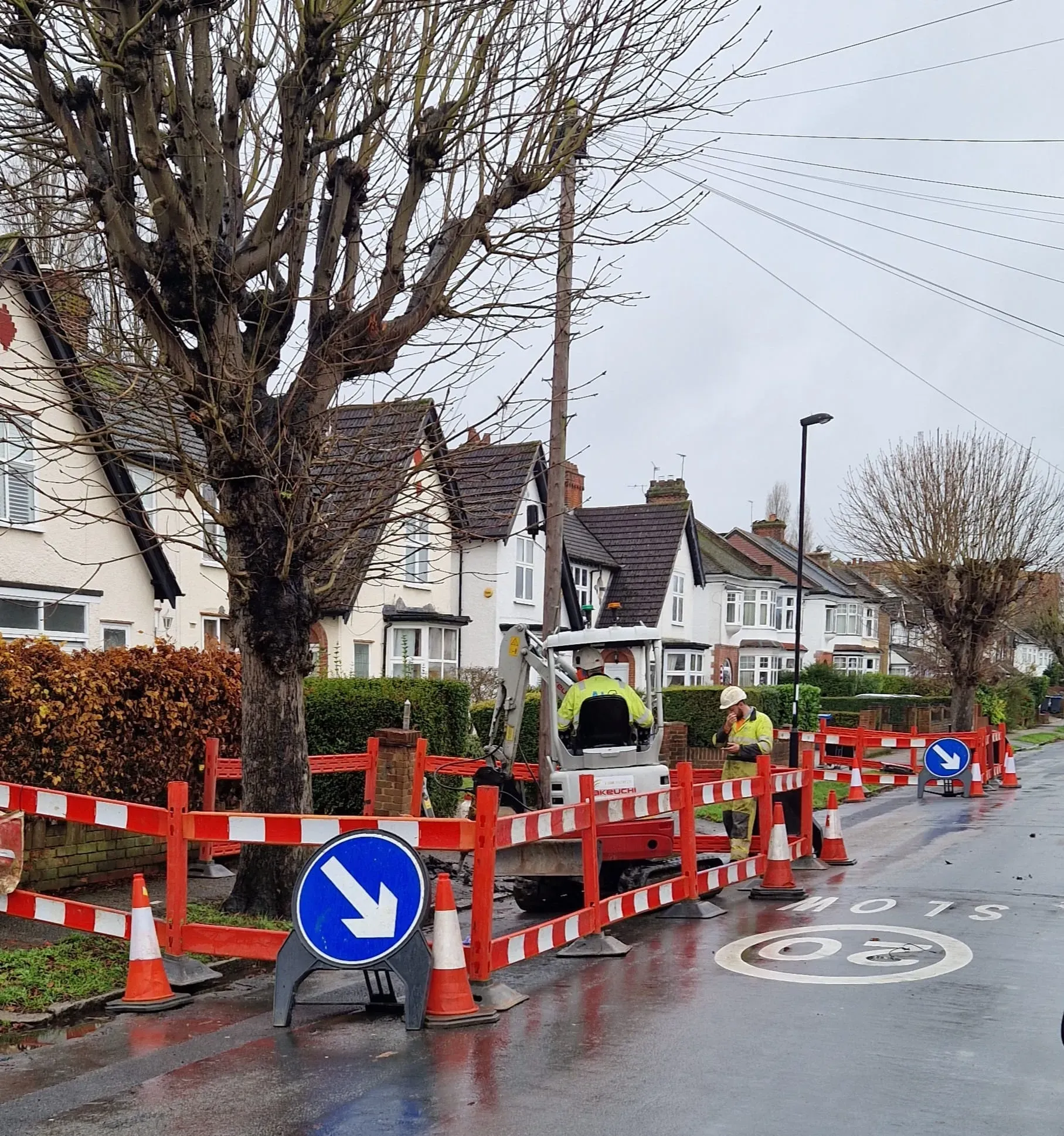
Understanding how to spot a collapsed drain early, and knowing that repair doesn’t automatically mean a wrecked garden, should make it easier to act quickly rather than putting it off. The myth of “wait and see” is exactly how a £300 relining job turns into a £3,000 excavation. If you recognise any of the warning signs above, the next step isn’t guesswork. Get an engineer out to confirm what’s actually happening underground, and you’ll have a clear, honest repair plan before the damage spreads any further.
No comments yet. Be the first to leave a review.
Comments are closed for this post.