
 Admin
Admin 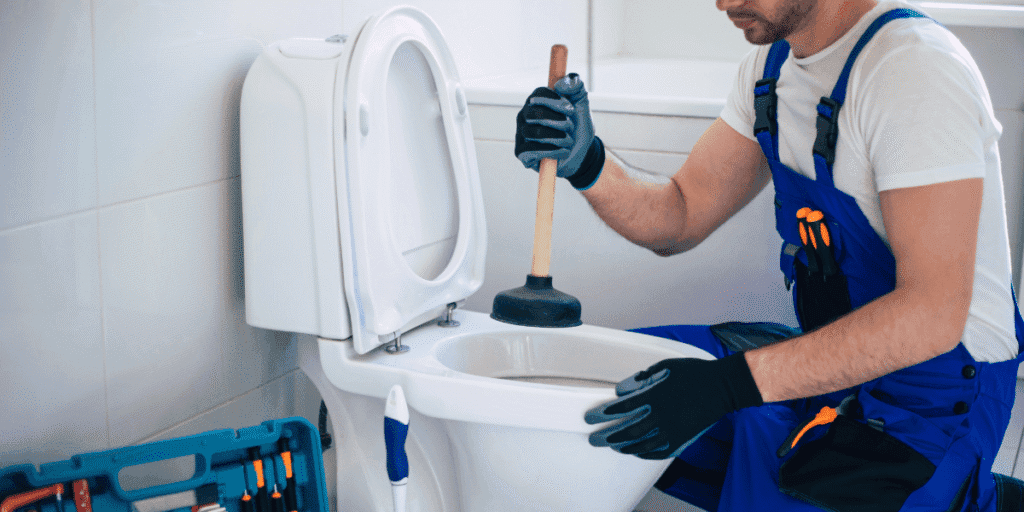
A toilet that keeps backing up in South East England typically costs between £80 and £350 to fix if it’s a straightforward blockage, rising to £400–£1,200 once the pipe itself needs repairing. Here’s exactly what determines where you land on that scale, and why the usual DIY advice often makes things worse before it makes them better.
The Toilet Backing Up Causes You Can’t See From the Bathroom
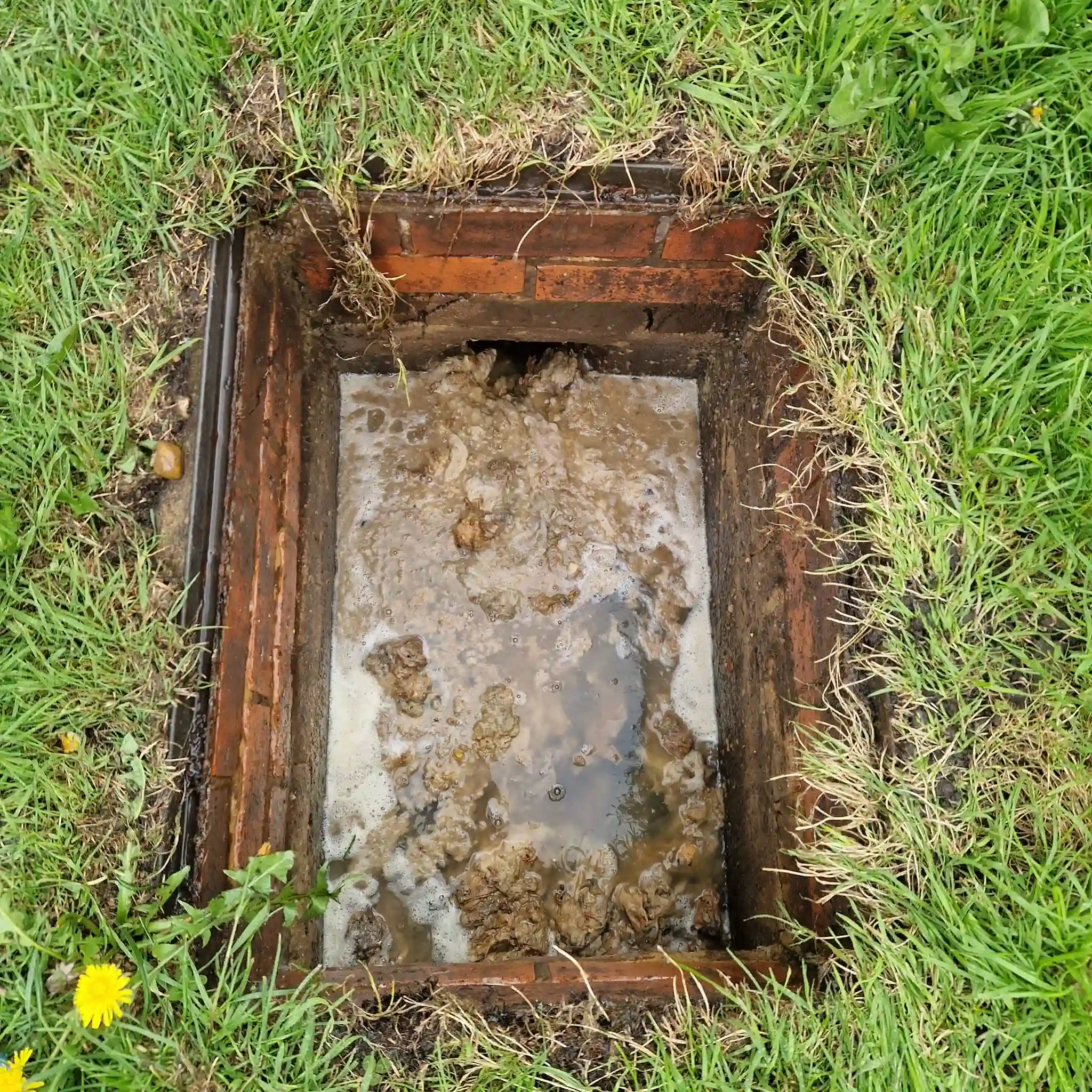
Most homeowners assume a backing-up toilet is caused by something flushed too close to home: too much paper, a wet wipe, a stray cotton pad. Sometimes that’s true. But a huge proportion of the calls we take across Croydon, Sutton, Wallington and Bromley turn out to be downstream problems that have nothing to do with what was flushed at all — and that distinction matters, because treating a sewer line collapse like a simple clog wastes time, money, and can make the eventual repair more disruptive.
Understanding how your toilet actually works helps explain why. When you flush, a siphon effect draws water and waste through the trap, into the connecting drainpipe, and onward to the main sewer line. Anything that interrupts that chain — a narrowed pipe, a blocked vent, a dip in the underground run — stops the system working as designed, even if nothing was ever flushed incorrectly. If you’re only ever treating the symptom in the bowl, you’re not addressing the actual toilet backing up causes further down the line.
A word of caution before you reach for a plunger or shop-bought chemical drain cleaner: repeated plunging on a toilet that’s backing up due to a sewer line problem can force waste back up through other fixtures in the house, and caustic drain chemicals can damage older pipework — a real risk in the many Victorian and Edwardian terraces across this region that still have original clay drainage runs. If a toilet has backed up more than once in a month, that’s your signal to stop self-treating and get a proper diagnosis.
When Old Pipework Meets Clay Soil: A Coulsdon Case Study
A homeowner on a quiet cul-de-sac in Coulsdon called us after her downstairs toilet had backed up three times in six weeks, each time seeming to resolve itself after a day or two. We found the culprit twenty metres out: a section of 1930s clay pipe that had sagged slightly where the clay-rich subsoil beneath the garden had shifted with the seasons, creating a shallow dip where waste and paper were settling instead of flowing through. High-pressure jetting cleared the immediate blockage, but the permanent fix meant relining that section of pipe so it couldn’t collect debris again.
This kind of scenario is common on the clay soils that dominate much of Surrey and the wider South East. Clay expands when saturated and shrinks when it dries, and that seasonal movement — most pronounced after the hot, dry summers typical of the region followed by wetter autumns — puts real stress on rigid pipe joints. Properties built before the 1970s, particularly those still running on original clay or early pitch fibre drainage, are the most exposed. Pitch fibre pipe in particular is known to deform and blister over time, effectively narrowing itself from the inside until a toilet flush simply can’t push waste through.
Autumn brings a second seasonal risk: tree root intrusion. Roots actively seek out the moisture and nutrients inside sewer pipes and will exploit any hairline crack or loose joint, particularly as trees draw more water ahead of dormancy. Once inside, a root mass can catch paper and waste exactly like a net, and it will keep regrowing after a basic clearance unless the entry point is repaired. Winter adds freeze-thaw cycling to the list: ground movement around shallow pipe runs can open joints that were previously stable, which is why we tend to see a small spike in intermittent backups every January and February.
What’s Actually Blocking the System: A Practical Breakdown
In our experience, the toilet backing up causes we diagnose fall into a fairly consistent pattern. Working through them roughly in order of how often we see them:
- Flushed items that don’t break down — wipes (including those labelled “flushable”), sanitary products, cotton pads and dental floss snag on rough or corroded pipe walls and slowly build into a solid mass.
- Grease and fat migration from the kitchen — fat poured down a kitchen sink cools and hardens further along the shared drainage run, coating the pipe wall and trapping toilet paper that would otherwise have flowed through freely.
- Tree root intrusion — roots entering through cracked or poorly sealed joints, most active in the autumn growth-and-moisture-seeking period described above.
- Sagging or “bellied” pipe sections — caused by ground movement or clay soil shift, creating a low point where waste collects instead of draining away.
- Collapsed, corroded or deformed pipework — common in older clay, cast-iron or pitch fibre systems nearing the end of their service life.
- Blocked vent stacks — leaves, debris or nesting birds/animals restrict the air pressure the system needs, causing gurgling, slow drainage and eventual backup even with no physical clog in the pipe itself.
- Underpowered older low-flow toilets — early water-saving models that don’t generate enough flush force to clear waste over a longer horizontal run.
If your household is on a shared drainage run with neighbouring properties — common in terraced streets and some 1960s–80s estate housing across the region — a backup can also originate entirely outside your boundary. In that case, responsibility may sit with the water company rather than the homeowner, and it’s worth checking your position before commissioning private repair work.
Why You Shouldn’t Ignore a Toilet That Keeps Backing Up
We’d urge real caution here: a toilet that backs up once and seems to “sort itself out” is not a toilet that has fixed itself. It’s usually a partial blockage that hasn’t yet become total. Left alone, the risks escalate in fairly predictable ways. Raw sewage carries bacteria and pathogens that pose a genuine health hazard to anyone in the property, particularly children, elderly residents and anyone immunocompromised — the Health and Safety Executive treats sewage contact as a notifiable biological hazard in workplace settings for good reason. An overflow can also soak through flooring and into subfloor timbers, and persistent damp of that kind is a well-documented trigger for mould growth and, in timber-framed older properties, structural decay.
There’s a financial risk too, and it compounds the longer the problem sits. A blockage that would have cost under £150 to jet clear can, left for months, progress into a full pipe collapse requiring excavation — a very different bill. If you’re on a Thames Water-supplied system and unsure whether a recurring backup is your responsibility or theirs, it’s worth reading our guide on who pays for a Thames Water blocked drain before booking any work, so you don’t pay privately for something that isn’t yours to fix.
How We Diagnose the Real Cause
Wherever a toilet has backed up more than once, we work the run properly before we quote for anything, because guessing at an underground cause wastes time and money. That tells us where the blockage actually sits, whether it’s a foreign object, root ingress, or a structural defect like a bellied or cracked pipe, and it means we can plan a fix that holds instead of one that buys you a fortnight.
How We Clear It Safely
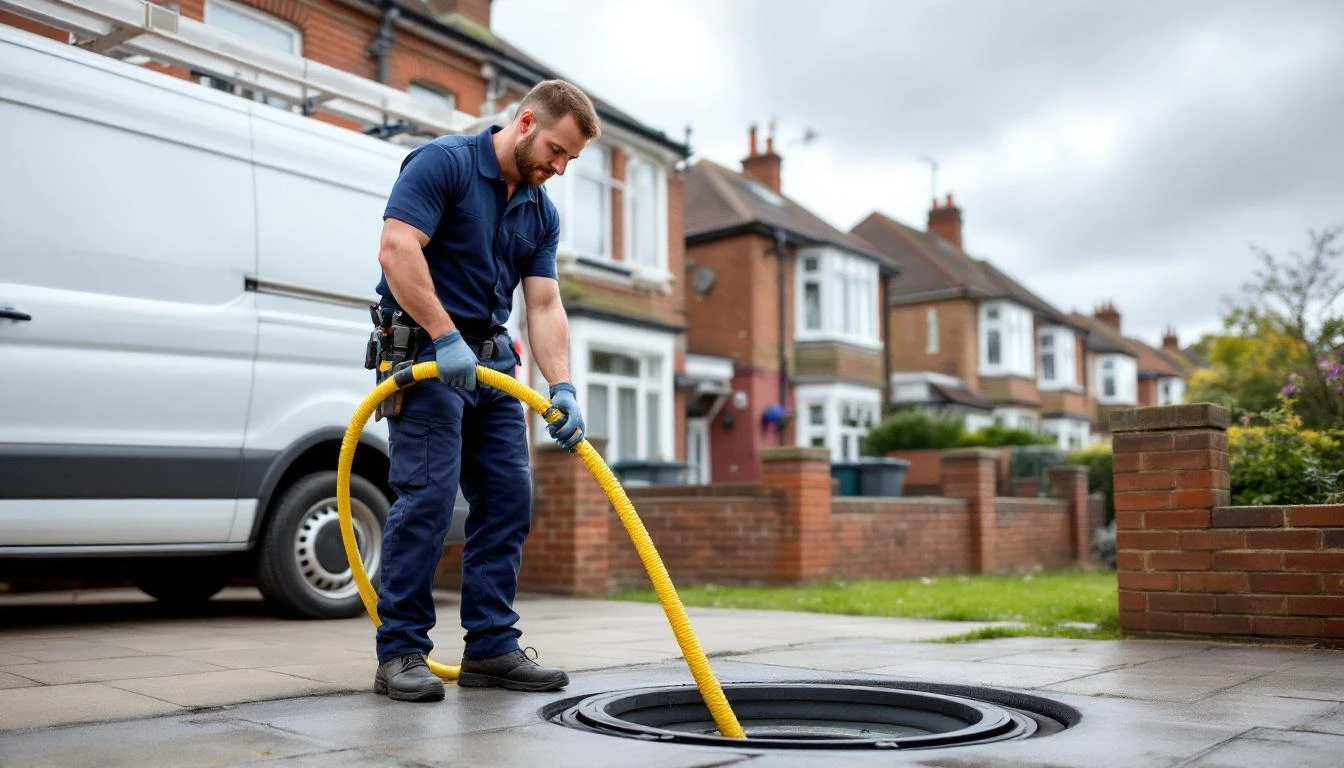
High-pressure water jetting is our default method for grease, scale and root regrowth, because it clears the full internal diameter of the pipe without the corrosive risk that shop-bought chemical cleaners pose to older clay or pitch fibre pipework. For solid obstructions or trapped objects, mechanical drain snakes retrieve or break apart the clog directly. Any work on a shared or public sewer is carried out with reference to the relevant Water Regulations Advisory Scheme guidance, and structural pipe repairs follow the standards set out in BS EN 752 for drain and sewer systems outside buildings.
Preventing It Happening Again
Where a property has a known history of root intrusion or grease build-up — often the case in older terraces we’ve worked on around Biggin Hill and similar tree-lined streets — we recommend scheduled drain cleaning roughly every one to two years rather than waiting for the next backup. It’s a modest ongoing cost against the alternative of emergency excavation, and it’s particularly worthwhile ahead of autumn, when root activity and leaf debris both peak.
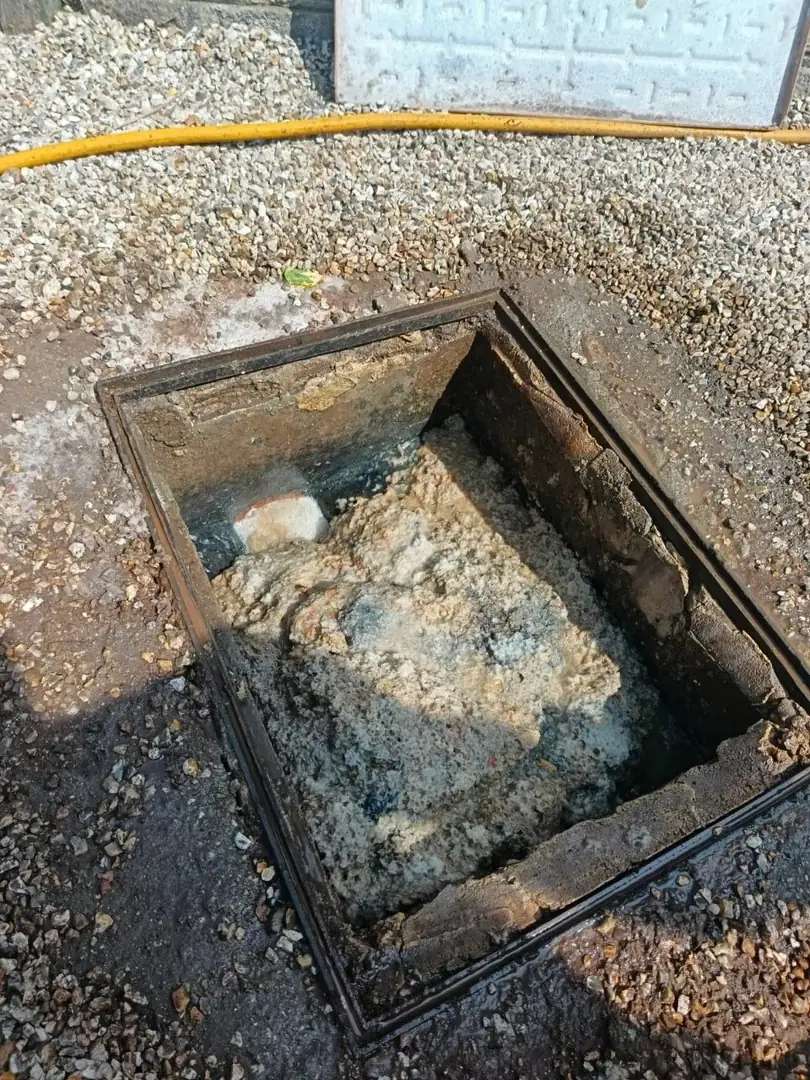
If you’re dealing with a slow-draining or gurgling toilet right now and want to try something safe before calling for help, our guide on how to unblock an outdoor drain safely covers the precautions worth taking before you touch any external access point. And if a full blockage has already taken hold in Redhill or the surrounding RH1 postcode, our drain unblocking in Redhill page has local response details. Homeowners over 85 dealing with a recurring toilet backup may also want to check our current drain unblocking discount before booking a callout.
Ultimately, a toilet that keeps backing up is telling you something about the condition of the pipework behind the wall, not just the habits of whoever last used the bathroom. Treat repeat backups as a diagnostic problem rather than a plunging problem, get the cause found properly the second time it happens, and you’ll generally spend less overall than repeatedly clearing the same symptom. If you’re ever unsure whether what you’re seeing is a simple clog or something more serious, the safest move is always to stop, and call a professional before it escalates.
No comments yet. Be the first to leave a review.
Comments are closed for this post.