
 Admin
Admin 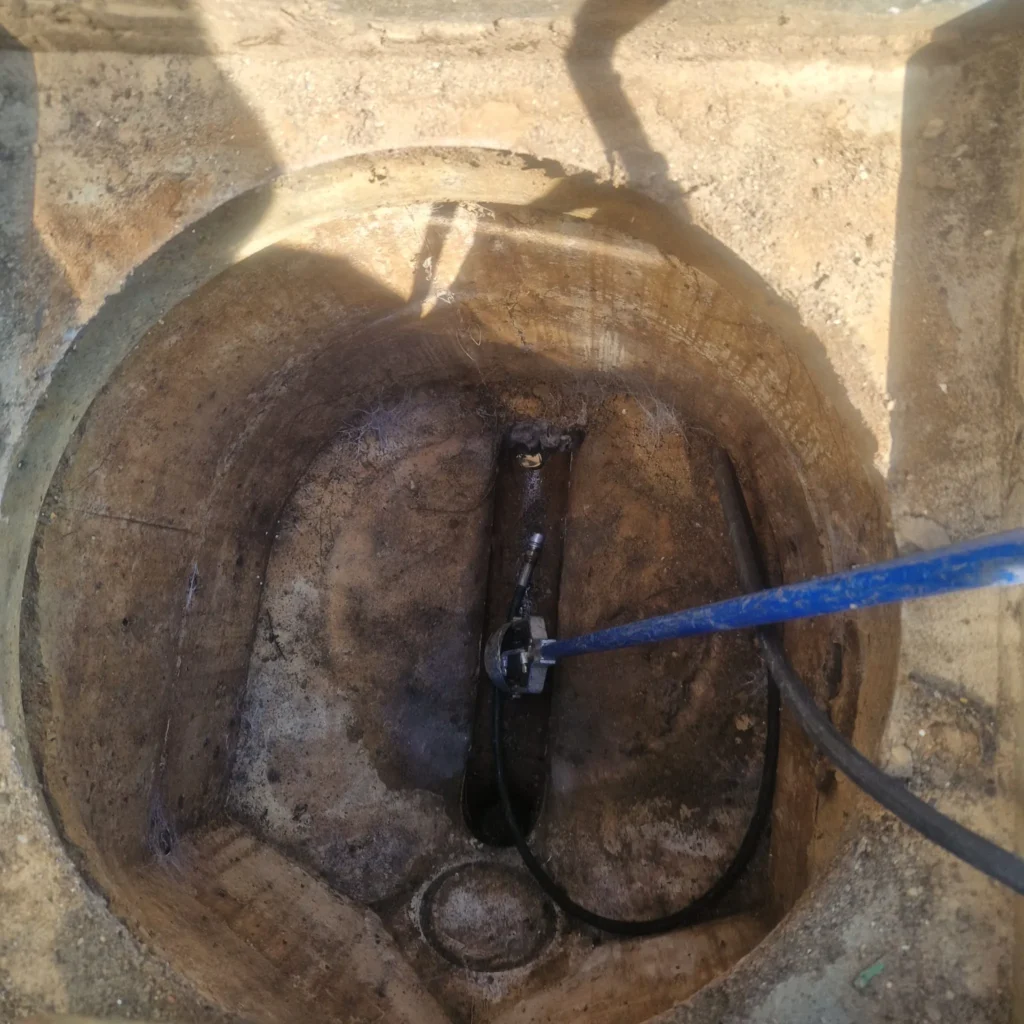
Most drainage advice tells you to blame tree roots or fat build-up first — but vehicle damage to drains is one of the most under-diagnosed causes of pipe failure on residential streets across the South East, and almost nobody checks for it until the driveway starts sinking. That’s backwards. If your drains sit under a driveway, verge, or shared access road, traffic should be the first suspect, not the last.
Symptoms: What Vehicle Damage to Drains Actually Looks Like Above Ground
Think of this the way a GP would approach an unexplained ache — start with what the patient (your property) is telling you. Slow-draining sinks and gurgling toilets are the mild symptoms. Persistent foul odours drifting from gullies, damp patches on the lawn that never quite dry out, and hairline cracks appearing in block paving are the more serious ones. On their own, each looks trivial. Together, they often point to a shallow drain run being repeatedly loaded by cars, delivery vans, or bin lorries passing overhead.
- Water draining noticeably slower than it did a few months ago
- Gurgling from toilets or sinks after use, especially near driveways
- Sunken or cracked paving directly above a known pipe run
- Damp, soft ground or unexplained pooling after rain
- A smell of sewage near manholes or gullies close to parking areas
The pattern that separates traffic-related damage from a simple internal blockage is location. If the symptoms cluster near a driveway, on-street parking bay, or access route rather than inside the house, vehicle loading is a realistic cause worth ruling out early.
Causes: Why Vehicle Damage to Drains Happens Even Under Ordinary Cars
You don’t need a lorry to cause a problem. Repeated loading from ordinary family cars, parked over years on the same patch of ground, compacts the soil around a pipe and gradually transfers that pressure downward. Clay and older concrete pipework, common in properties built before modern British Standards were introduced, is particularly vulnerable to this kind of cumulative stress.
The mechanism tends to progress in stages. First, soil compaction shifts the bedding around the pipe, causing slight misalignment. That misalignment creates low points where debris collects. Continued loading then produces hairline fractures at the pipe wall or, more often, at the joints — historically the weakest point in any drainage run. Once a joint separates or a crack opens, water escapes into the surrounding soil, roots find their way in, and what started as a structural issue becomes a blockage issue too. In the worst cases, particularly where pipes were laid at shallow depth, the run collapses outright and drainage stops completely.
“We rarely get called out for ‘vehicle damage’. We get called out for a slow drain or a bad smell, and it’s only once we’re into the pipe itself that the fractured joint under the driveway tells the real story.”
Design standards such as the Water Regulations Advisory Scheme (WRAS) and building regulations guidance set minimum depth and bedding requirements precisely because surface loading was anticipated as a risk — yet many older installations predate those standards or were retrofitted under driveways added later, without reinforcement.
What Our Engineers Actually See on the Job
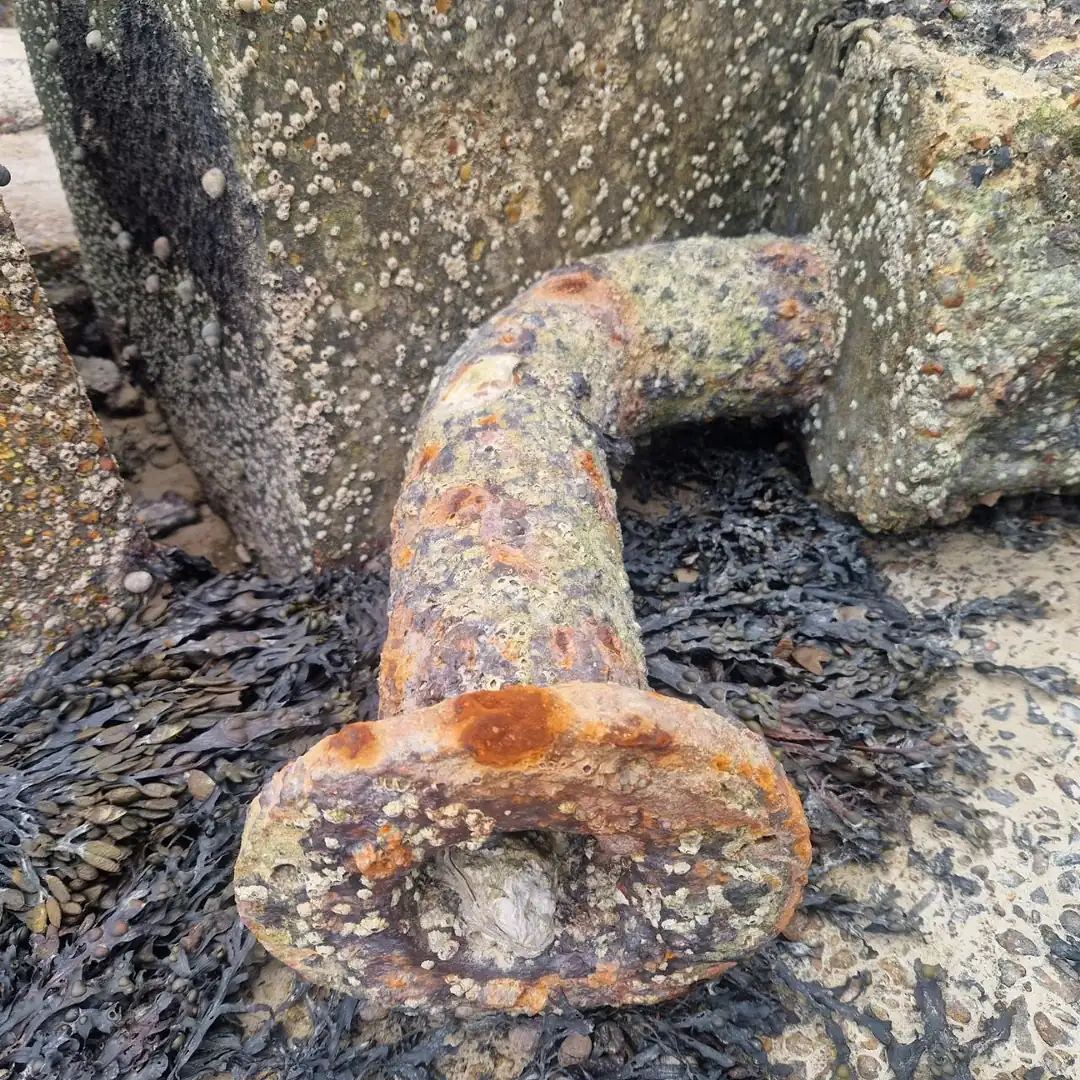
Field observation, not sales pitch: the most common site we attend isn’t a collapsed sewer under a busy road — it’s a domestic drive where a second car started parking over a shallow run five or ten years after the house was built. The pipe was never designed to take that load. We’ll often find a joint that’s opened by a few millimetres, just enough for silt and root hair to get in, with no visible surface sign until the customer notices slow drainage or a damp patch by the gatepost. The only way to be sure is to check the run itself, because the ground above can still look perfectly flat.
If you’re weighing up whether to deal with early symptoms yourself, our guide to DIY drain cleaning covers what’s safe to try and what tends to make traffic-related damage worse. If the problem is clearly structural — cracked paving, recurring blockages in the same spot — skip DIY and get an engineer out.
Treatment: Getting From Damaged to Repaired
Once vehicle damage to drains is confirmed, the path to resolution is far less dramatic than most homeowners expect. An engineer pins down the exact location and severity, then ranks the repair options from least to most invasive — lining a cracked section, replacing a failed joint, or full excavation only where collapse has occurred. Most cases never reach the excavation stage if they’re caught early.
- Have the run checked properly so the damage is pinpointed without digging up your driveway.
- Ask for a written report on what was found, not just a verbal summary.
- Get repair options ranked by severity, from lining to full replacement.
- Confirm whether the damaged section falls under your buildings insurance.
- Have any loose joints or minor cracks repaired before the next heavy rainfall.
- Reroute regular parking away from the confirmed pipe run if possible.
- Schedule a follow-up inspection twelve months later to confirm the repair held.
If the damage extends beyond your boundary or affects a shared driveway, costs and liability can get complicated — our breakdown of drain repair costs and insurance is worth reading before you commit to a quote. And if you’re in Surrey and dealing with a blockage right now rather than a long-term repair, see our page on local drain unblocking in Addlestone for same-day options.
The end state is simple: a pipe run confirmed intact, joints resealed or relined, and parking habits adjusted so the same damage doesn’t recur. That’s a far better outcome than discovering the problem only once the driveway has visibly sunk.
No comments yet. Be the first to leave a review.
Comments are closed for this post.