
 Hesam Ir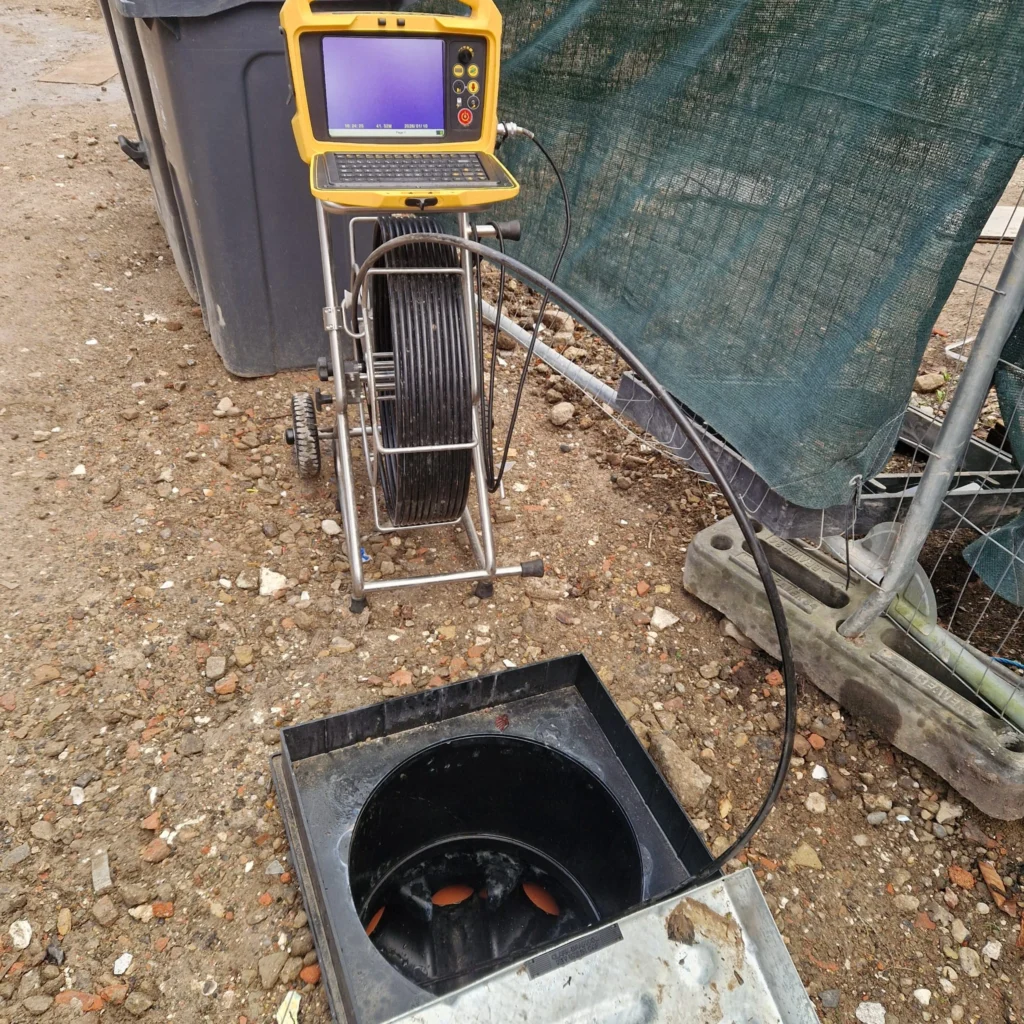
Are Blocked Drains Covered by Home Insurance? 4 Essential Scenarios UK Homeowners Must Know
Whether blocked drains are covered by home insurance depends entirely on what caused the blockage and what your specific policy includes. Most standard buildings insurance policies do not cover blocked drains caused by debris, grease, or everyday wear—but damage from external forces like tree roots, ground movement, or burst pipes often is covered. This guide cuts through the confusion with real policy language and a decision tree so you know whether you can claim before you ring your insurer.
The Direct Answer: What Your Buildings Insurance Actually Says
No—blocked drains are almost never covered under standard buildings insurance unless the blockage is caused by structural damage (like a collapsed pipe, tree root intrusion, or subsidence). If your drain is blocked because of grease, wet wipes, leaves, or debris, your insurer will refuse the claim. The ABI (Association of British Insurers) confirms this is standard across UK policies.
However, if a blocked drain results from damage your insurance does cover—such as ground movement forcing pipes out of alignment—then the resulting blockage claim may succeed.
When Blocked Drains ARE Covered by Home Insurance
1. Tree Roots Invading Your Drainage System
Root intrusion is the classic covered blockage scenario. If tree roots have cracked or penetrated your clay or concrete pipes, causing a blockage, your buildings insurance will typically cover the damage repair—not the unblocking cost, but the structural pipe replacement. This is treated as accidental damage to the property structure itself.
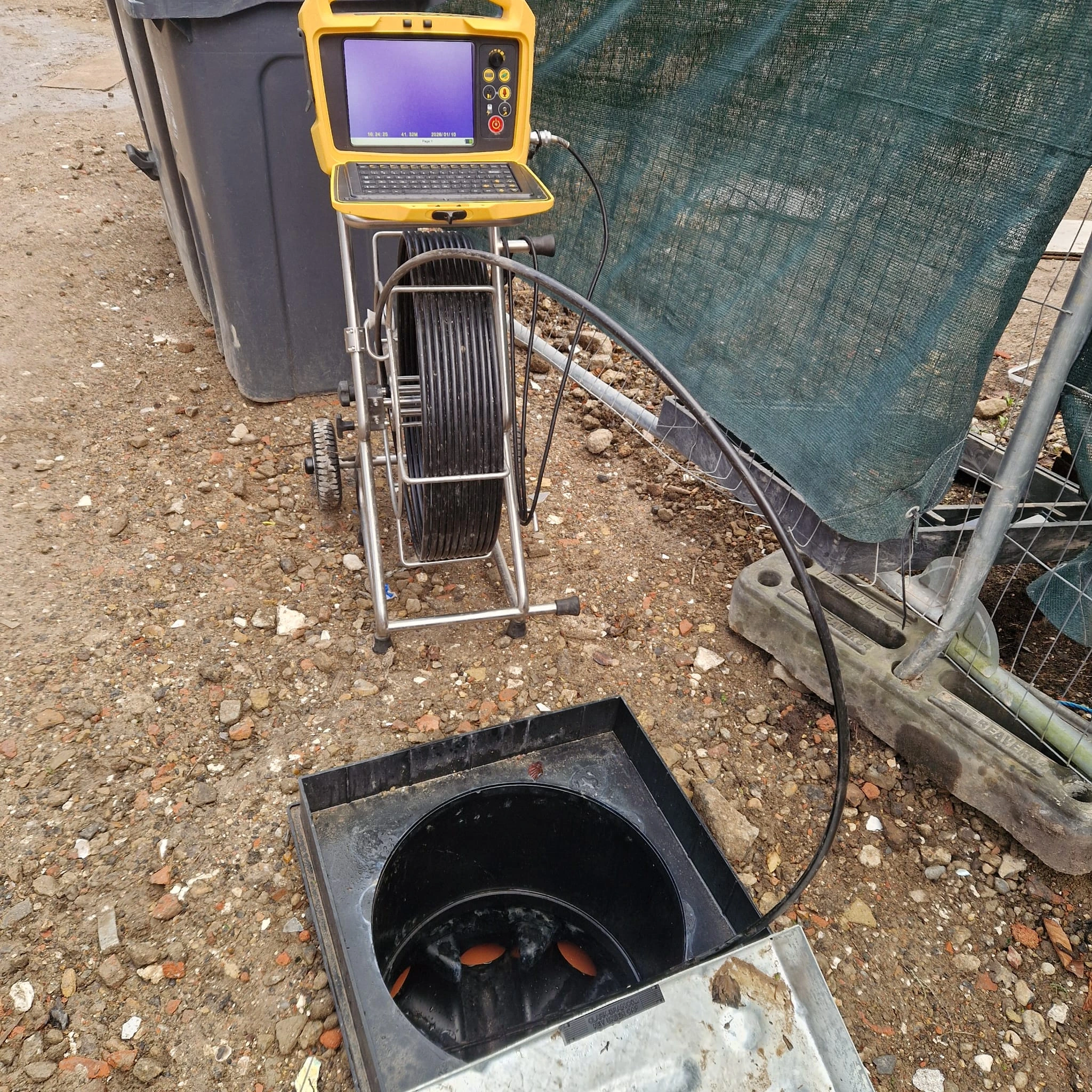
Most policies require evidence from a CCTV survey proving root damage, not just a blocked drain. You’ll need professional professional drain survey evidence before claiming.
2. Burst or Collapsed Drains from Ground Movement or Subsidence
If your drain has burst due to subsidence, ground movement, or frost damage, the resulting blockage is a consequence of insured structural damage. Your claim covers the pipe repair or replacement. Standard buildings insurance includes subsidence cover, though you may have an excess.
Again, a CCTV survey and structural engineer’s report strengthen your claim significantly.
3. Accidental Damage to Buried Pipes
If you or a contractor accidentally damaged a buried drain during renovation or excavation, and this caused a blockage, some policies with accidental damage cover will pay out. Check your policy wording—not all include accidental damage as standard.
4. Damage from Insured Perils (Fire, Flooding, Impact)
If a blocked drain results from an insured peril—for example, a fallen tree smashing your drainage connection during a storm—the damage itself is covered. The blockage is a secondary consequence of the covered event.
When Blocked Drains Are NOT Covered by Home Insurance
Grease, Fat, and Oil Buildup
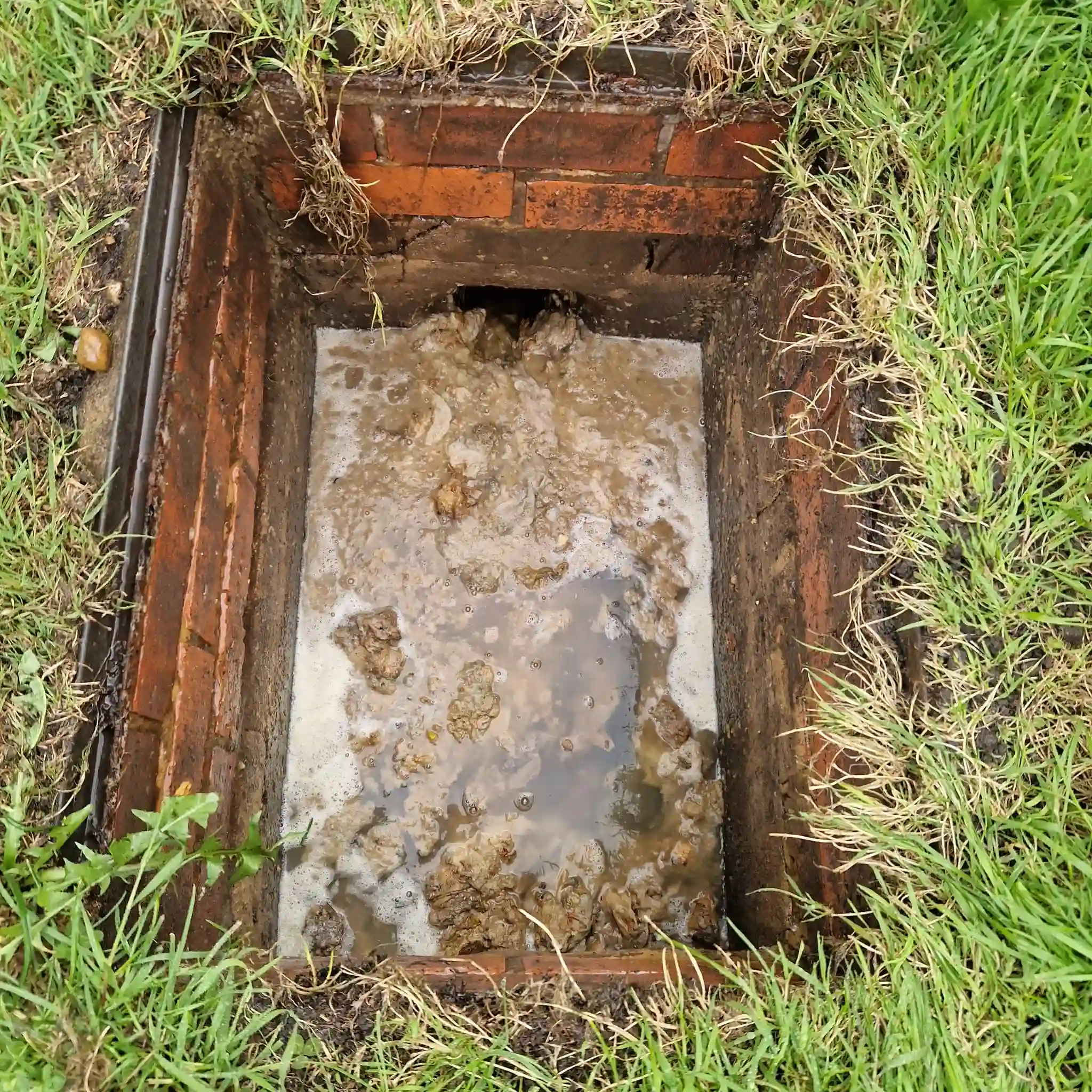
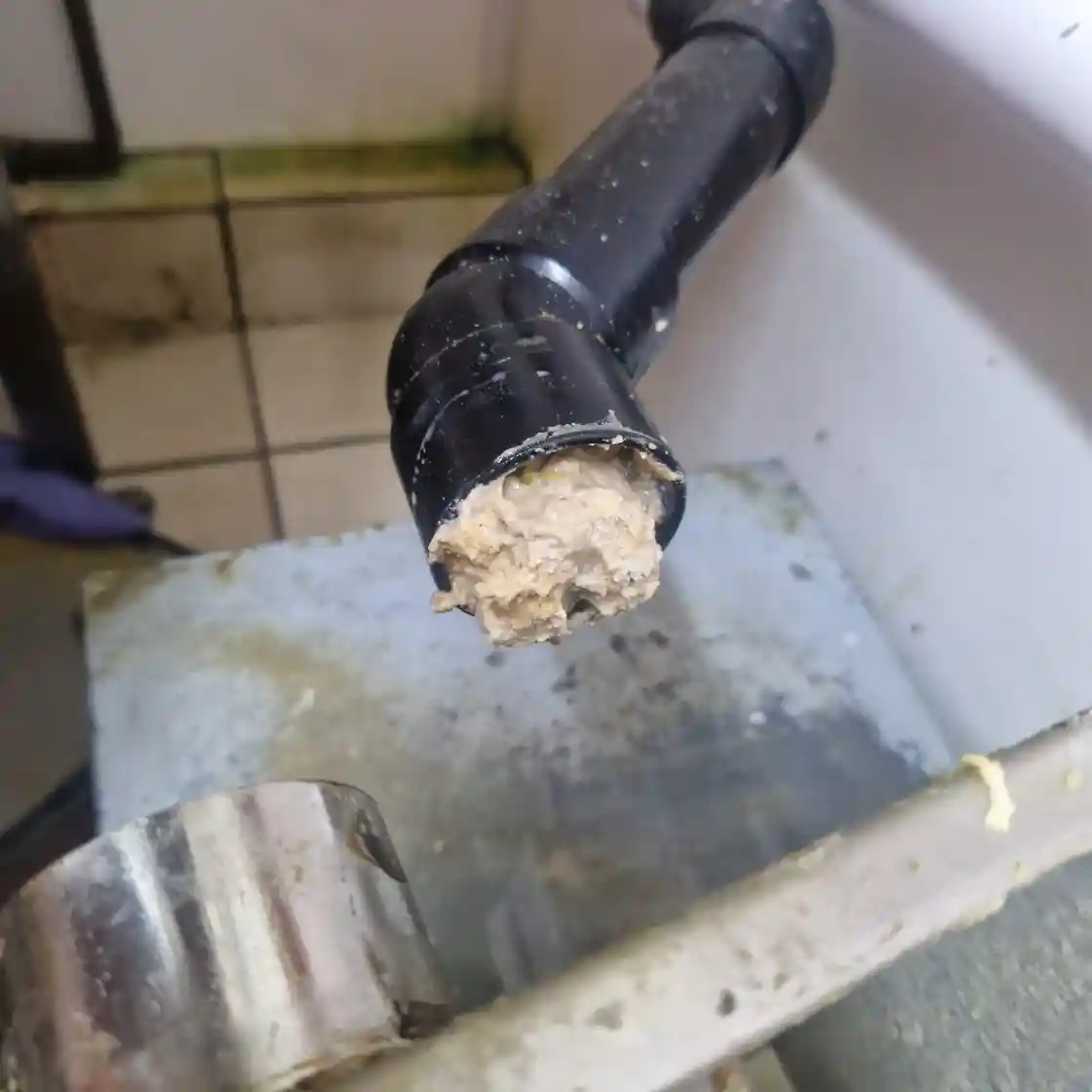
The most common blockage reason—and the one insurers refuse without exception. Grease buildup is classed as wear and tear or lack of maintenance. Insurers argue you should have been managing what you flushed down the drain. This is your responsibility, not theirs.
Debris, Leaves, and Foreign Objects
Hair, wet wipes, toilet paper build-up, leaves from gutters, and other foreign matter are treated as maintenance issues. Even if they cause a complete blockage, your insurer will decline the claim because the cause is avoidable negligence.
Lack of Maintenance or Aging Pipes
If your drain is simply old and silted up from decades of use, there’s no damage claim. Insurance covers sudden, accidental damage—not gradual deterioration. A pipe that’s been slowly degrading for 20 years will not be covered just because it finally blocked.
Blockages Caused by Neighbouring Property Issues
If a neighbour’s drain is backing up into yours, you’ll need to pursue them via building regulations or a solicitor. Your home insurance won’t cover it unless there’s structural damage to your own property.
Home Emergency Cover & Add-ons: An Alternative to Buildings Insurance
Home emergency cover is separate from buildings insurance and is specifically designed for urgent drainage, heating, and plumbing failures. It often covers blocked drains regardless of cause—including grease and debris—provided you call within the policy’s response time window.
What Home Emergency Cover Typically Includes
- Blockage unblocking—whether from grease, roots, or debris (up to a depth limit, often 3 metres)
- 24/7 emergency response—usually within 4 hours
- No cause exclusion—you don’t have to prove it was accidental or sudden; it just has to be a blockage
- Annual cost—typically £60–£150 per year
Key Limitations
Most home emergency policies exclude blockages beyond 3 metres from your external wall or inspection chamber. If the blockage is in the public sewer (the shared pipe under the road), your local water company is responsible, not your insurer. Coverage often excludes repeated blockages in the same location within 12 months.
Check whether your insurer will unblock drains on the main sewer or only your property’s lateral drain connection.
💡 Tip: If you have home emergency cover and buildings insurance with accidental damage, you’re covered twice—once for emergency unblocking (home emergency), once for structural damage (buildings insurance).
Your Coverage Decision Tree: 4 Questions to Ask Before You Claim
Use this logic to decide whether to contact your insurer or accept it’s a maintenance cost:
- “Was the blockage caused by something external (roots, ground movement, subsidence, or impact)?”
If YES → Move to Q2. If NO → Stop. It’s not covered under buildings insurance. - “Do you have structural damage or a collapsed/burst pipe confirmed by CCTV?”
If YES → You likely have a valid claim. Move to Q3. If NO → Stop. Blockage alone, without structural damage, is not covered. - “Does your policy include subsidence or accidental damage cover?”
Check your schedule. If YES → Proceed. If NO → You may still have a claim under buildings insurance’s core cover for burst/collapsed pipes; call your insurer. - “Have you called an insurer-approved or surveyor to document the damage?”
If YES → Claim with confidence. If NO → Do this now before the blockage worsens or deteriorates further.
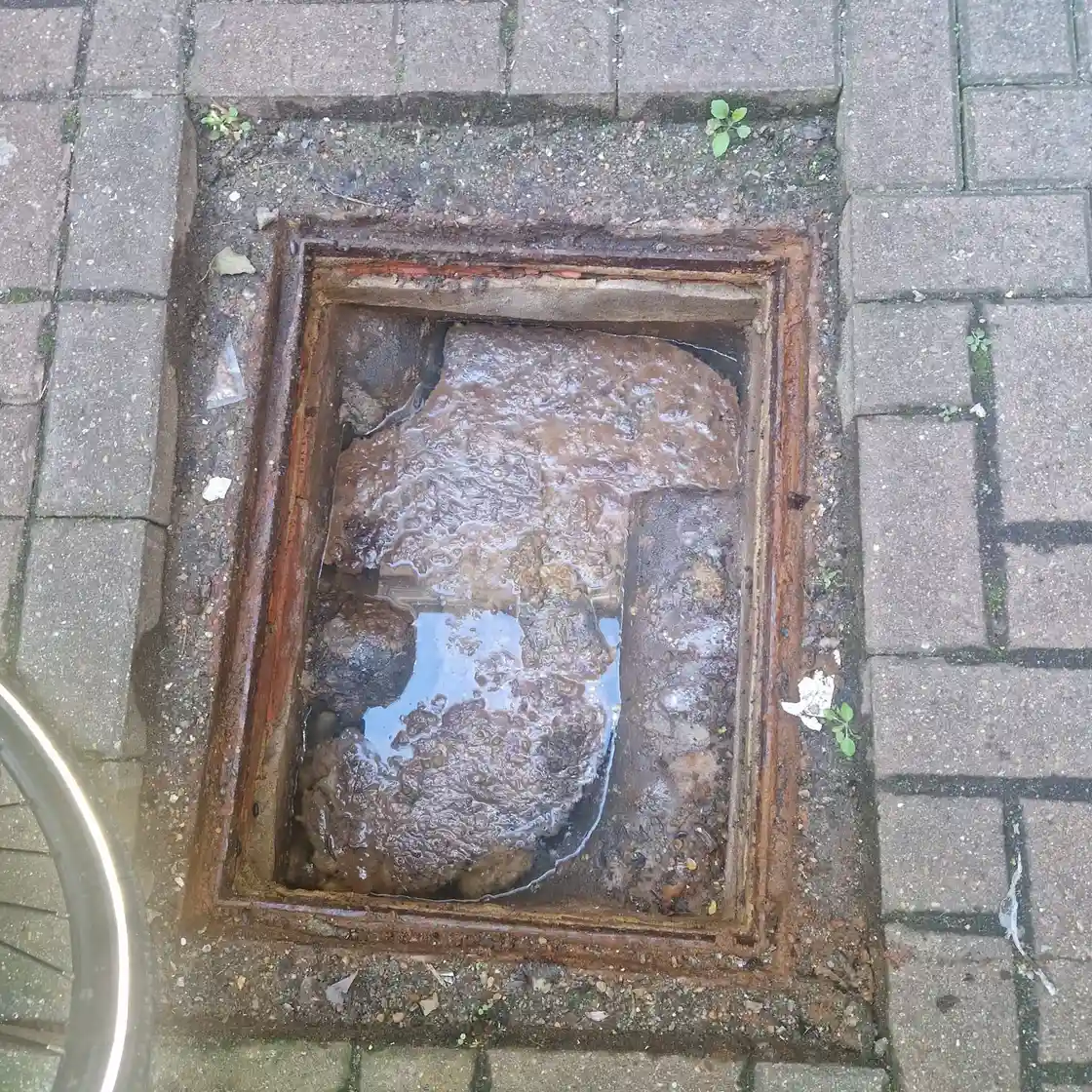
Real Example: The £340 Difference Between Covered and Not Covered
Scenario A: Tree Root Intrusion (Covered)
A homeowner in Surrey noticed their downstairs loo backing up. CCTV survey revealed roots had cracked a clay pipe 4 metres down the garden. The structural damage to the pipe itself meant their claim was valid. After paying a £250 excess, the insurer paid £3,200 for trenchless pipe repair. Total out-of-pocket: £250.
Scenario B: Grease Blockage (Not Covered)
Another homeowner’s drain blocked with grease accumulation over five years. Unblocking cost £340. Their insurer refused to pay because grease buildup is maintenance, not sudden damage. Total out-of-pocket: £340.
The lesson: The cause, not the severity, determines coverage. Root damage costs more to repair but is covered. Grease costs less to clear but is your own cost.
What UK Homeowners Actually Pay for Emergency Drain Unblocking
Without insurance, UK drain unblocking costs typically range from £150–£400 depending on blockage location and severity. If you need a CCTV survey first, add £180–£300. If pipes need replacement (as in the tree root example), expect £2,000–£5,000. This is why home emergency cover, at £60–£150 annually, offers real value.
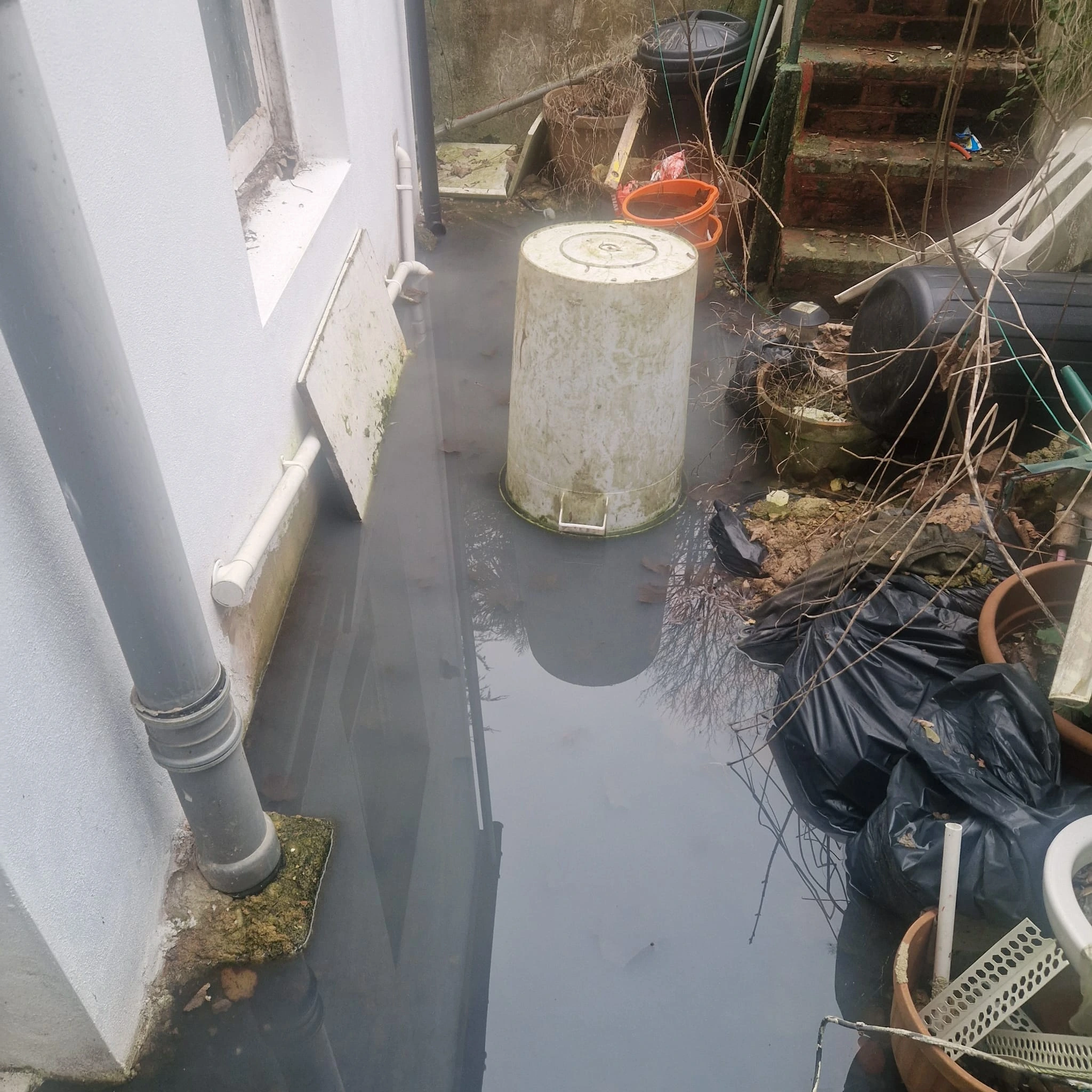
Who Pays if the Blockage Is in the Public Sewer?
If the blockage is in the public shared sewer—the pipe under the street—your local water company is responsible, not you or your insurer. Contact them; service is free. Most blockages found beyond 5 metres from your property are in the public sewer. You can check who owns a drain via Citizens Advice or your water company’s website.
🔧 Get a Professional Assessment Before You Claim
Don’t guess whether your blockage is covered. A CCTV survey costs £180–£300 and gives you proof to send your insurer. Our specialist team can advise whether your damage meets your policy’s terms. Call for an emergency drainage assessment or speak to our drainage consultant in Addington.
Frequently Asked Questions About Blocked Drains and Home Insurance
Q: Will my buildings insurance cover a blocked drain caused by tree roots?
A: Yes, if the blockage is caused by root intrusion that has structurally damaged your pipe (cracking, collapse, or invasion). You’ll need CCTV evidence proving root damage, not just a blockage. The claim covers the pipe repair/replacement, not the unblocking service alone. Most insurers require you to use their approved contractor and will apply an excess (typically £250–£500).
Q: Is grease buildup in my drains covered by home insurance?
A: No. Grease, fat, and oil accumulation is classed as lack of maintenance, not sudden accidental damage. Insurers refuse all grease-related blockage claims because you control what enters your drains. Home emergency cover, however, will cover grease blockage unblocking—this is where it adds real value.
Q: What’s the difference between buildings insurance and home emergency cover for drains?
A: Buildings insurance covers structural damage (collapsed pipes, subsidence, root intrusion). Home emergency cover covers the unblocking service itself, regardless of cause, within limits (usually 3 metres from your property). Both are useful; together they’re comprehensive. Buildings insurance is mandatory; home emergency is optional but affordable.
Q: If my neighbour’s drain is backing up into mine, who pays?
A: Neither you nor your insurer. Your neighbour is responsible for their drain. If they refuse to fix it, consult a solicitor or contact your local building control authority. This is a legal matter between properties, not an insurance matter. Your insurer will only pay if your own property suffers structural damage from the backup.
Q: Do I need a CCTV survey before claiming for a blockage?
A: Not mandatory, but strongly recommended. Insurers require proof of the cause. A CCTV survey costs £180–£300 and gives you documented evidence to support your claim. Without it, your insurer may deny the claim based on assumption (e.g., “it’s probably just grease”). Get the survey done by an insurer-approved contractor if possible.
Q: What if my drain is blocked and I’m unsure of the cause?
A: Call a drainage professional for a CCTV survey. This costs far less than arguing with your insurer and losing. The survey will reveal the cause—roots, structural damage, debris, or grease—and you’ll know immediately whether to claim or pay the clearance cost yourself. See our professional blocked drains solutions for fast diagnosis.
Q: Can I claim for repeated drain blockages?
A: Repeated blockages (same location, within 12 months) are treated differently. One blockage from grease? Not covered. Three blockages from the same grease trap in six months? Insurers may deny the claim entirely, arguing you failed to maintain the property or that it’s a chronic issue, not sudden damage. Your responsibility is to prevent recurrence through maintenance.
Q: Who’s responsible for blocked drains—me or my water company?
A: If the blockage is in your lateral drain (from your property to the boundary) it’s your responsibility. If it’s in the public sewer (beyond your boundary, under the road), your water company is responsible and will unblock it free. You can check ownership via your water company or Citizens Advice. See our guide on who is responsible for blocked drains for the full breakdown.
Key Takeaways: Blocked Drains and Home Insurance Coverage
- Blocked drains are almost never covered by standard buildings insurance unless the blockage results from structural damage (roots, subsidence, collapsed pipes).
- Grease, debris, and wear-and-tear blockages are always your responsibility, not your insurer’s.
- Home emergency cover is a separate, affordable product (£60–£150 annually) that covers blockage unblocking regardless of cause.
- CCTV evidence is essential before claiming for any blockage; it costs £180–£300 and can save you thousands in repair disputes.
- Check your policy’s excess—even if you have a valid claim, you may pay £250–£500 before the insurer covers the rest.
- If the blockage is in the public sewer, your water company handles it free; don’t attempt to claim or pay privately.
Next Steps: Get Clarity Before You Claim
If your drain is blocked and you’re considering an insurance claim, the smart first move is a professional CCTV survey. This costs around £200 and gives you the evidence insurers demand. If structural damage is confirmed, you claim with confidence. If it’s just grease or debris, you’ll know to budget for the unblocking cost yourself.
Our drainage specialists can carry out emergency drain surveys and advise whether your blockage meets your policy’s coverage criteria. We’ve helped hundreds of UK homeowners navigate this process before spending money unnecessarily.
🔍 Get a Quote Before You Claim
Don’t let your insurer dictate the outcome. Get professional CCTV evidence now. Contact us for a fast, honest assessment: call today for an emergency drainage survey or visit our Addlestone drain unblocking service. We’ll tell you straight whether you have a claim or whether it’s a maintenance cost. No obligation, honest advice.
About ABI and UK Insurance Standards
The Association of British Insurers (ABI) sets industry standards that most UK insurers follow. According to their guidance, standard buildings insurance excludes blockages caused by negligence or maintenance failure. Blockages resulting from insured perils (subsidence, root intrusion, structural collapse) are treated differently. Always verify your own policy wording with your insurer—exclusions vary by provider. More information: Association of British Insurers official guidance.
For free, impartial advice on insurance claims, Citizens Advice provides guidance on disputed home insurance claims.
No comments yet. Be the first to leave a review.
Comments are closed for this post.