
 Nima Fazli-Pour
A blocked drain in an older South East England home typically costs between £80 and £450 to clear, rising to £1,500+ if a cracked clay pipe or tree root intrusion needs excavation. Here’s exactly what determines where you land on that scale, and how to prevent drain blockages older homes suffer from becoming a recurring bill.
Why Prevent Drain Blockages Older Homes Suffer From Getting Worse Every Year
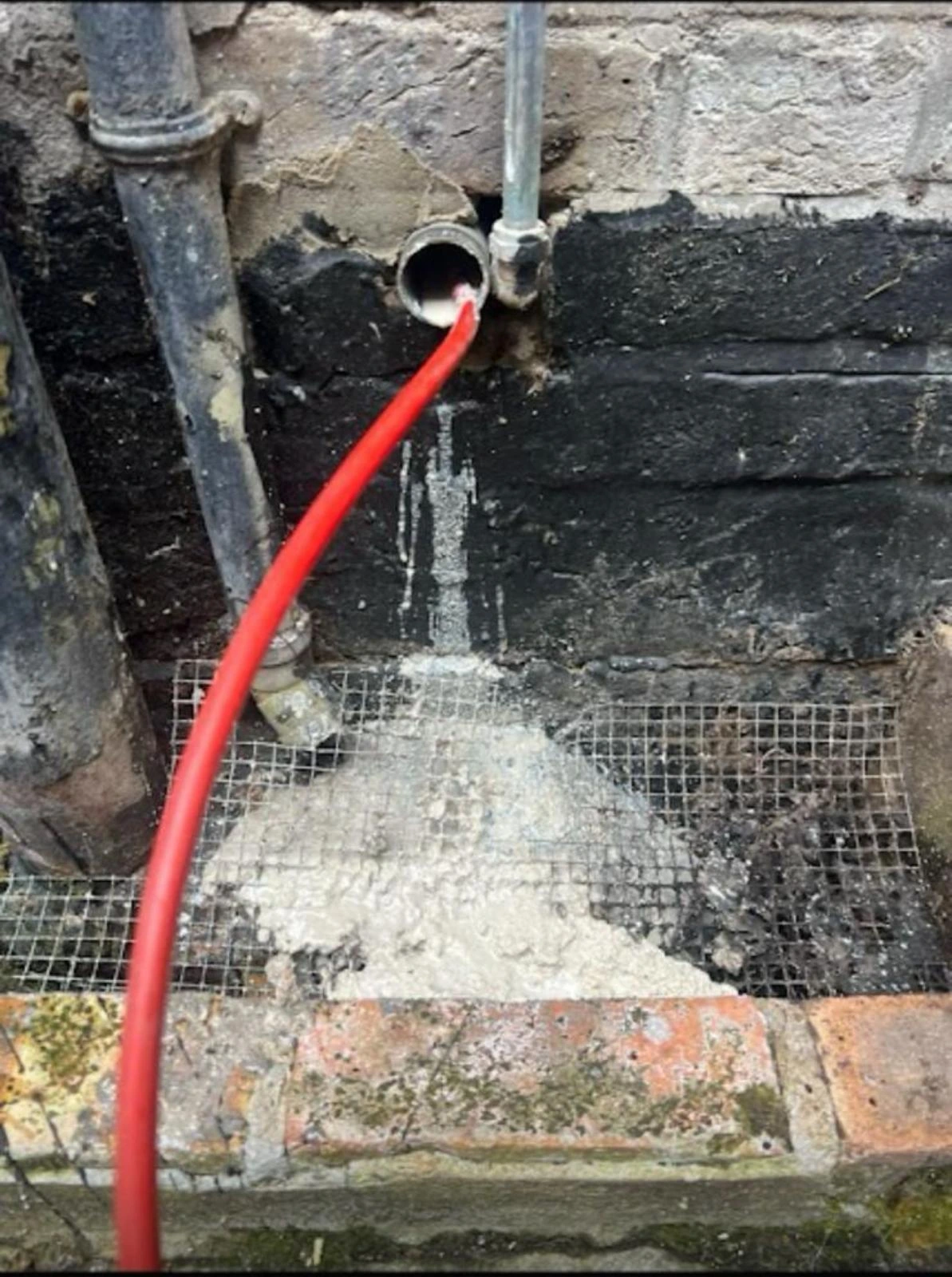
Most homes in Croydon, Sutton, Bromley, Epsom, and Kingston upon Thames were built long before plastic pipework existed. Their drains are usually cast iron or clay, materials that were excellent for their era but were never designed for today’s volume of wet wipes, cooking fat, and washing machine discharge. That mismatch is the single biggest reason older properties call us more often than new-builds.
Cast iron corrodes internally, leaving a rough, pitted surface that snags debris instead of letting it flow past. Clay pipe joints shift and crack as clay-heavy South East soil expands and contracts with the seasons, particularly through a dry summer followed by a wet autumn. Once a joint opens even slightly, it becomes an entry point for tree roots and a low spot where waste can collect. Decades of ground settlement can also leave sections of pipe sagging into a “belly,” a permanent dip where water pools and solids drop out instead of continuing to the sewer.
If you’re already seeing slow drainage or gurgling and want it sorted this week, our drain unblocking experts near you can usually attend the same day.
A Wallington Semi in October: What Actually Goes Wrong
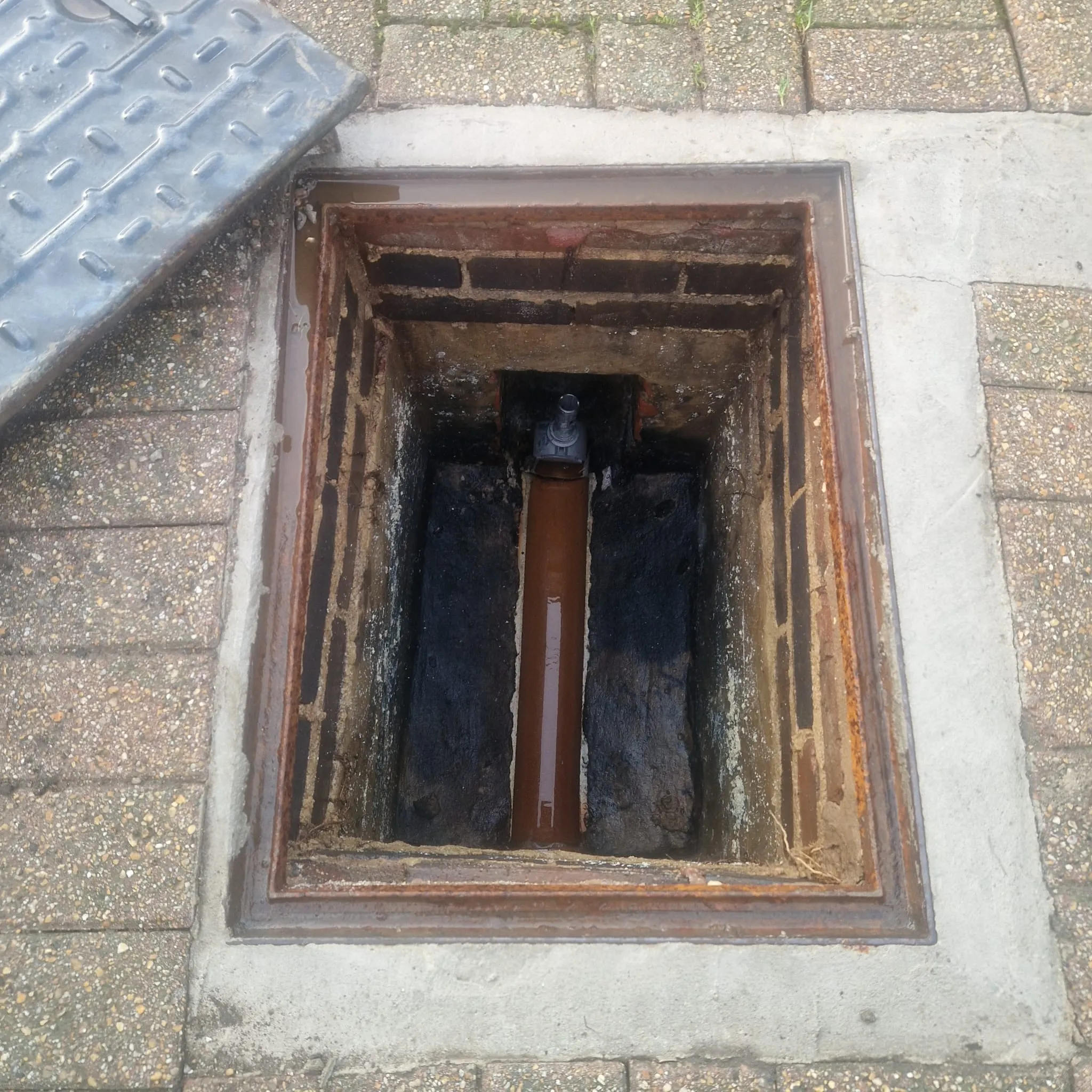
A homeowner on a 1930s semi off a quiet close near Wallington called us in mid-autumn after the kitchen sink began draining slowly and the garden gully started gurgling whenever the washing machine emptied. A CCTV survey found a cracked clay junction under the front path, with fine roots from a nearby ornamental cherry threading through the gap and catching fat and food debris. What looked like a simple blockage was actually a structural failure that had been building for years, triggered into visibility by heavy autumn leaf fall and rain saturating the surrounding clay soil.
This is a textbook case of what happens when age, soil, and seasonal weather combine. Root intrusion like this is increasingly common across South East London gardens with mature trees; if you suspect something similar, our guide to tree root drain blockages in South London explains what to look for before you dig or call anyone out.
Everyday Habits That Prevent Drain Blockages Older Homes Are Prone To
Structural age is only half the story. Most call-outs we attend are accelerated, if not caused outright, by what goes down the drain every day. Changing a handful of habits meaningfully reduces risk in a pipe that’s already narrower and rougher than a modern one.
- Stop pouring fat, oil, and grease down the sink. Scrape pans into the bin or a container before washing; FOG solidifies on cold, corroded cast iron far faster than it would on smooth new plastic pipe.
- Fit and clean drain screens in showers and baths. Hair combined with soap scum forms a dense mat that catches everything behind it, and older narrow-bore pipework has less spare capacity to cope.
- Scrape food waste into the bin, not the sink. Fibrous scraps like celery, coffee grounds, and pasta snag easily on the pitted internal walls of aged cast iron.
- Treat the toilet as waste-only. Wipes, cotton wool, and sanitary products don’t break down and are the leading cause of blockages downstream of Victorian and Edwardian soil pipes.
- Run a hot water flush after greasy meals to keep residual fat moving rather than settling in a sagging or bellied section of pipe.
If a slow sink is your main symptom rather than a full block, it’s worth ruling out a simpler cause first. See why your sink is draining slowly before assuming the worst.
What Our Engineers Actually See on the Job

Our engineers see the same pattern on older properties across Croydon, Epsom, and Reigate repeatedly, and it’s rarely as dramatic as homeowners expect.
It’s usually a combination, not one cause
A pure fat blockage is straightforward. What we actually pull out of a Victorian terrace drain is more often a mix: hardened grease binding together wipes, root hair, and grit that’s worked its way in through a hairline crack. Treating only the visible symptom without checking the pipe condition means the same job comes back within months.
The blockage location tells you the real problem
A block right at the gully is almost always a habits issue and clears fast with jetting. A block found 4–8 metres down the run, especially near a boundary wall or mature tree, usually means a structural issue: a cracked joint, a belly, or root ingress. We only know which one it is once a CCTV camera has actually been down the pipe.
DIY chemical cleaners do more harm than good on old pipework
We regularly attend older homes where repeated use of caustic drain cleaner has thinned an already-corroded cast iron pipe wall, turning a simple clear into a full repair. On pipework this age, mechanical jetting or rodding by a professional is safer than anything poured down the sink. If you’d rather not gamble on DIY, our guide to affordable drain clearance in South London sets out realistic pricing before you call.
Under the Water Industry Act, homeowners remain responsible for the private drains within their boundary, so knowing where your responsibility ends matters when a blockage sits near the property line; the government’s guidance at gov.uk on shared and blocked drains explains the split with your water company. New and replacement drainage work should also meet the design and gradient standards set out in WRAS guidance and the relevant British Standard, BS EN 752, for drain and sewer systems outside buildings, which is worth mentioning if you’re getting a section replaced rather than just cleared. For anything involving excavation near a boundary or shared drain, the HSE has separate guidance on safe digging near buried services that any contractor should be following.
Regular CCTV inspection is the single most effective way to prevent drain blockages older homes develop from turning into emergency excavation. A yearly check costs a fraction of a collapsed pipe repair, and catches root ingress or a failing joint while it’s still a jetting job rather than a dig.
No comments yet. Be the first to leave a review.
Comments are closed for this post.