
Drain Repairs Services: 4 Proven Fixes That Last
Cracked, leaking, root-damaged or collapsed drains repaired at the source, with no-dig relining wherever it saves digging up your garden or drive.
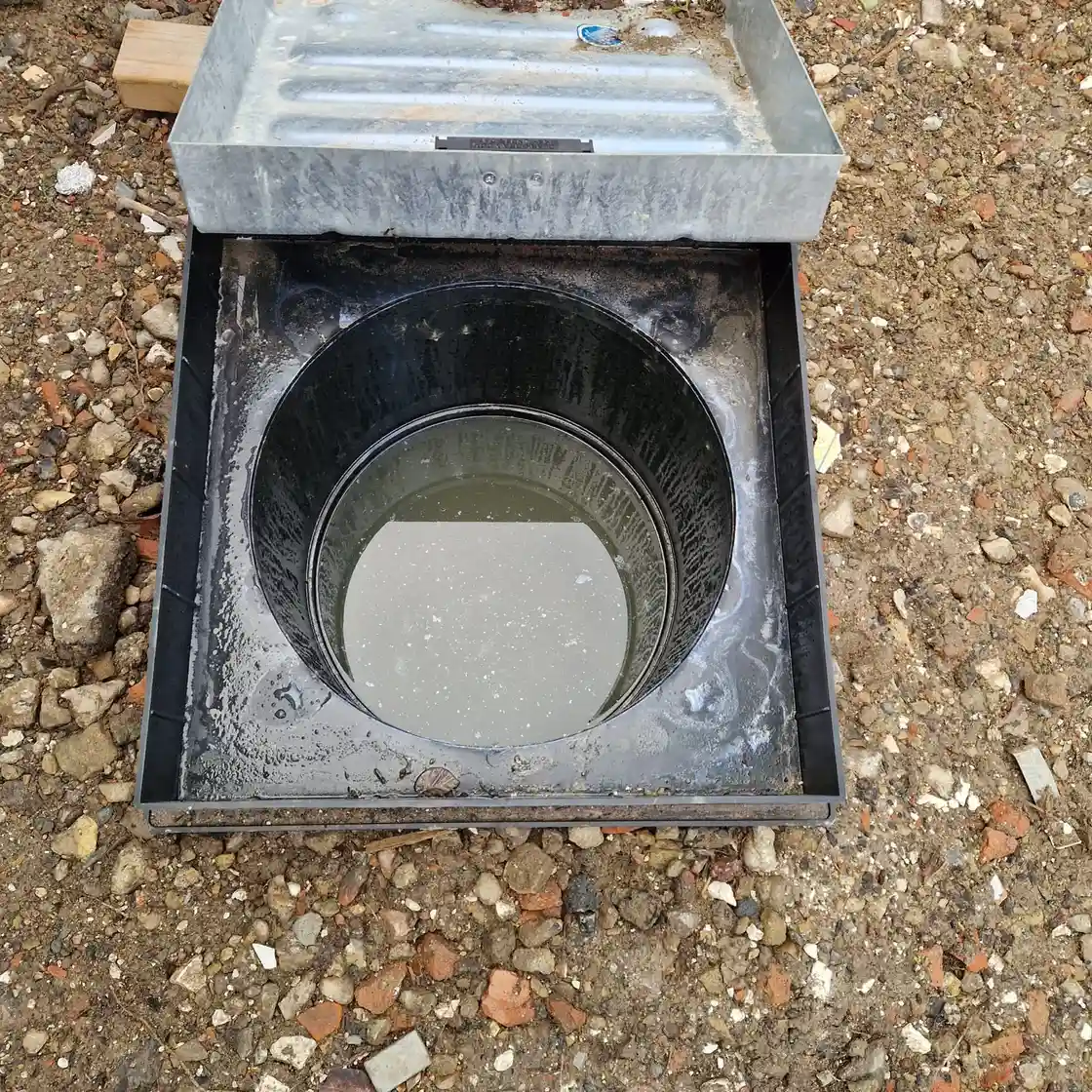
Drain Repairs Services Across South East England
Drain Repairs Services fix physical damage to the pipe itself — cracks, fractures, slipped joints, root ingress and collapse — rather than clearing whatever has built up inside it. The work starts by pinpointing the fault, then the pipe is repaired with one of four proven methods: patch repair, full relining, pitch fibre re-rounding, or excavation where the damage is too severe to line. Done correctly, the repair restores the pipe and stops the drain blocking in the same place again.
Most people come to us for Drain Repairs Services at the point where a drain has blocked for the third or fourth time. It gets rodded, it clears, and a fortnight later they're standing over the same gully watching it back up. That pattern is the giveaway. A one-off blockage is a clearance job. A blockage that keeps returning to the same spot is almost always a broken pipe catching debris, and no amount of jetting changes that until the pipe itself is repaired.
We see it constantly in the older clay drainage under Croydon terraces, the long garden runs out through Purley and Caterham, and the salt-worn pipework along the Sussex coast. A hairline crack, a dropped joint, a root that found a gap — any one of them will snag waste and rebuild the blockage from scratch. Finding exactly where the pipe has failed ends the guesswork, and a one-off blockage is usually a drain unblocking job rather than a repair.
What are the signs you need drain repairs, not just clearing?
Clearing a drain removes what is blocking it, but if the pipe itself is damaged, no amount of clearing lasts, and drain repairs are what actually fix it. The clearest sign is a drain that keeps blocking in the same spot every few weeks, because a structural fault is catching waste each time. Other signs point the same way: water draining slowly again soon after a clearance, foul smells that linger once the blockage is gone, damp patches, sunken ground or unusually lush grass along the pipe run, and cracks or displaced sections visible in an inspection chamber. Rats appearing indoors can also mean a broken pipe they are travelling through. Any of these suggests the pipe is cracked, displaced or partly collapsed rather than simply blocked. We confirm the cause before quoting, so you only pay for a repair when the pipe genuinely needs one.
It keeps blocking in the same spot
The clearest sign of all. A drain that re-blocks every few weeks has a structural fault catching waste, and clearing it only buys a little time. See collapsed drains.
Roots have found their way in
Roots chase moisture and push through the smallest gap in old clay. Learn how to prevent root damage and why tree roots block pipes.
Damp patches or sinking ground
Water leaking from a cracked pipe softens the soil above. A lawn that stays soggy or paving that dips usually means the pipe is losing water.
A smell that survives cleaning
A foul odour that lingers after a clean often means waste is escaping through a break rather than sitting in a trap. The smell is the leak.
Rats turning up
Rats travel along sewers and slip out through broken underground pipes. Seeing them near the house hints at a fracture in the run below.
Nothing drains at all
When a drain stops dead and rods hit a wall, you may have a collapsed drain — which can't be jetted clear.
What drain repair methods do we use, and when?
We always lean towards the least disruptive method that still gives a lasting fix, and for most faults that means no-dig repair carried out through the existing access chambers. For a single crack, fracture or open joint, a resin patch is set over the exact defect and cured hard in place, sealing the pipe from the inside, often the same day the fault is found. Where damage runs along a longer section, a full-length liner is installed inside the old pipe to form a new jointless pipe within it. When a pipe has genuinely collapsed or lost its shape and cannot be relined, we excavate only the affected section and replace it, keeping the dig as small as possible. Tree-root damage is cut out and the entry point sealed so it cannot return. We recommend the method the fault actually needs rather than selling a reline that will not hold.
1. Patch repair
For a single crack, fracture or open joint, a resin patch is set over the exact defect and cured hard in place, sealing the pipe from the inside out.
- Often carried out the same day the fault is found
- No trench, no broken paving, nothing to reinstate
- Permanent fix for cracks, holes and minor displacement
- Works on clay, uPVC and cast iron
2. Full relining (CIPP)
Where damage runs along a length of pipe, a full liner is drawn in through an existing manhole and cured to leave a smooth, jointless pipe inside the old one.
- Seals a long run and several defects in one go
- Shuts out future root ingress for good
- A structural rebuild from within, not a patch-up
- Planned in advance rather than done on the spot
3. Pitch fibre re-rounding
Older pitch fibre pipes blister and lose shape with age. Where the pipe will take it, we re-round the bore and reline it instead of digging the run out. Unsure what terms like pitch fibre or relining mean? See our drainage glossary.
- Common in 1960s and 70s homes
- Re-rounding restores the original bore
- Followed by relining for a lasting fix
- More on pitch fibre drains
4. Dig-down replacement
When a pipe has broken apart or fully collapsed, a liner has nothing to bond to. We open the ground over the damaged section, replace it, and reinstate the surface.
- The right call for a genuine collapse
- The failed section swapped for new pipe
- Ground reinstated properly, not left a state
- Only used when no-dig honestly can't work
Drain Repair or Replacement? How We Decide
The right method is dictated by what we find in the pipe, not by what's quickest to sell. This is the call we make on site, fault by fault.
A cracked, fractured or root-damaged pipe with its shape intact can almost always be repaired without digging — by patch lining a single defect or relining a longer run. Full replacement by excavation is reserved for pipes that have genuinely collapsed, fragmented or lost their structure, where a liner has nothing solid to bond to.
| What we find in the pipe | Our usual method | Why |
|---|---|---|
| Single crack, fracture or hole; pipe round and stable | Patch repair | One defect sealed from inside; often same-day, nothing dug up. |
| Multiple defects or root ingress along a length of pipe | Full reline | One jointless liner restores the whole run and shuts roots out. |
| Deformed pitch fibre pipe (1960s–70s homes) | Re-round, then reline | The bore is reshaped first, then lined to hold permanently. |
| Pipe collapsed, fragmented or badly deformed | Excavate & replace | No structure left for a liner to bond to; the section is renewed. |
Method shown is our typical recommendation; the final call is always made from what we find in your own pipe and confirmed in the fixed-price quote. For heavier jobs, see our collapsed drain repair cost guide.
How does our drain repair process work, step by step?
Our drain repair process is built so there is no guesswork and no surprise bill. First we find out exactly what is wrong and where, and show you, usually the same day you call. Next we give you a single fixed price for the repair before any work begins, with no call-out fee, so you can decide with the full picture in front of you. Once you are happy, the engineer carries out the repair, choosing the least disruptive method the fault allows, which for most cracks, fractures and root damage means a no-dig repair through the existing access chambers. Finally we check the repaired section so you can see the pipe is sound and flowing freely before we leave. You see the fault, agree the cost, and get proof the problem is fixed, all in one visit wherever the job allows.
Find the fault
We pinpoint exactly what's wrong and where, and show you.
Same dayOne fixed price
A single clear price for the repair before any work begins. No call-out fee.
On the spotClean, then repair
The pipe is jetted clean, then patched, relined or replaced as the fault demands.
Most jobs, one visitFinal check
A closing inspection confirms the repair has held, with the work guaranteed.
Before we leave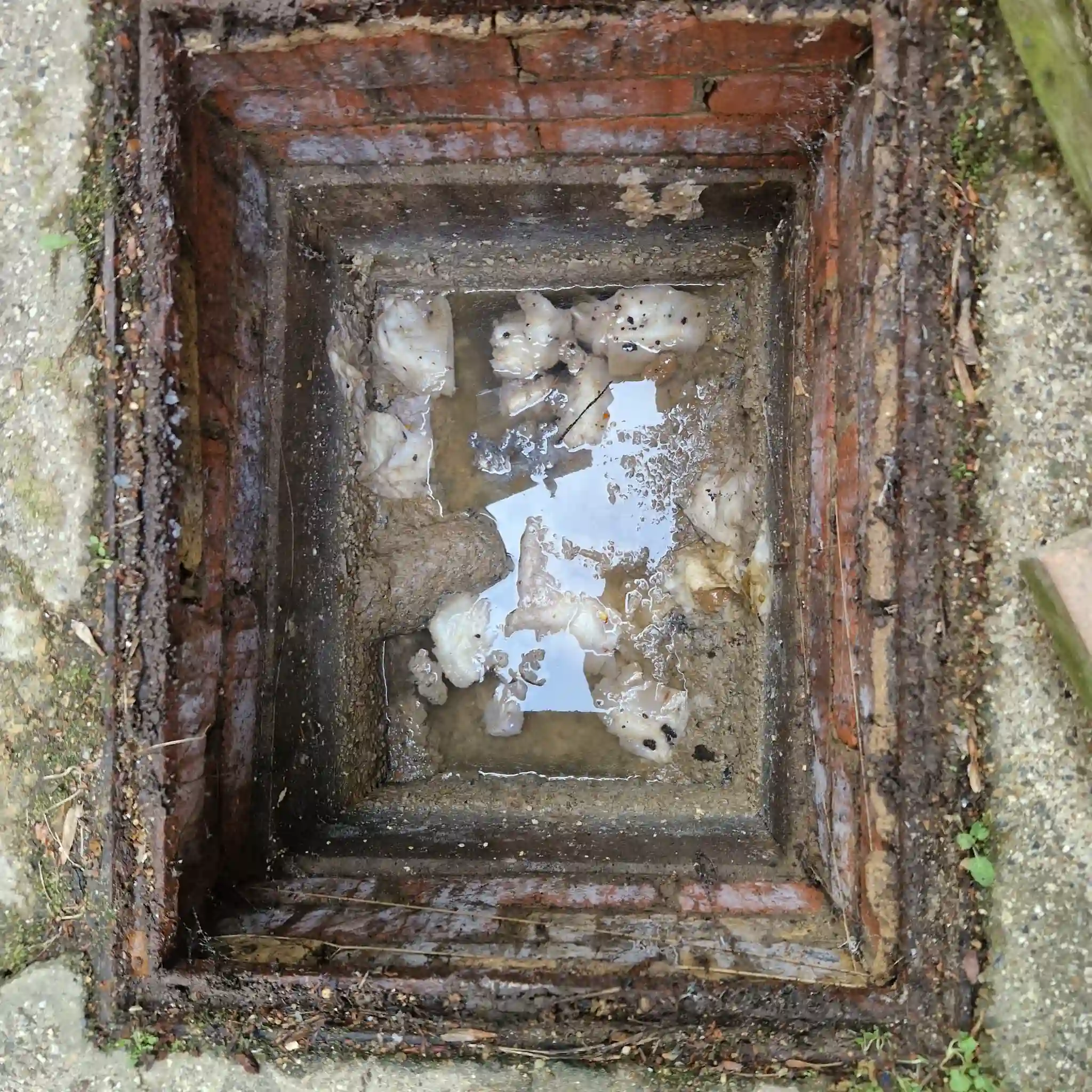
Can you repair a drain without digging up my garden?
In most cases, yes. There was a time when fixing a broken drain meant a trench across the lawn or a hole knocked through the drive, followed by a second bill to put it all back. No-dig relining changes that by repairing the pipe through the inspection chambers already in place, so for most cracks, fractures and root damage nothing gets dug up. The benefits are straightforward: no trench, no broken paving and no reinstatement to pay for; a quicker job on site, with many patch repairs finished the same day; and a smooth, jointless internal finish that roots struggle to get back into. It is usually cheaper overall than excavation once you account for making good afterwards. No-dig will not suit every fault, and where a pipe has fully collapsed we may still need to excavate one short section, but we always tell you honestly which your drain needs.
- No trench, no broken paving, no reinstatement to pay for
- Quicker on site, with many patch repairs finished the same day
- A smooth, jointless finish that roots struggle to get back into
- Usually cheaper overall once you count the ground you'd rebuild
Not every drain can be lined — a pipe that has fully given way still needs digging out. The Water Research Centre's industry guidance, the UK Sewerage Sector Guidance, sets the standards trenchless repairs are carried out to. Want to read more first? See our guide to drain repair experts near you and how to know if you have a collapsed drain.
Drain Repairs Services Across London, Surrey and Sussex
Local engineers based right across South East England, so a specialist with relining kit is rarely far from your door.
Services Often Needed Alongside Drain Repairs
A repair rarely turns up on its own. Here's what usually sits either side of it.
Drain Repairs Services: Your Questions Answered
How do I know if my drain needs repairs rather than cleaning?
The giveaway is repetition. A blockage clears and stays cleared; a damaged pipe re-blocks in the same place because the fault keeps catching waste. Add a foul smell that survives cleaning, damp or sinking ground, or rats appearing, and you're most likely looking at structural damage. We find the exact defect and where it sits before quoting.
Should I repair or replace a damaged drain?
If the pipe is cracked, fractured or root-damaged but still holding its shape, it can almost always be repaired without digging, by patching a single defect or relining a longer run. Full replacement is reserved for pipes that have collapsed or lost their structure. We make that call once we have seen the state of the pipe, and confirm it in the quote.
Do drain repairs always mean digging?
No, and in most cases we avoid it altogether. The majority of cracks, fractures, open joints and root damage are fixed with no-dig methods, either a patch over a single defect or a full reline, both worked through existing access points. Digging is only needed when a pipe has completely collapsed.
How long do Drain Repairs Services take?
A localised patch is often done in a couple of hours, frequently on the same visit. A full reline is booked in advance and takes most of a day. An excavated repair takes longer because the ground has to be opened and reinstated. You get a realistic timescale with your fixed price before anything starts.
What makes drain pipes crack or collapse?
Age and ground movement do most of the damage. Much of the South East still runs on Victorian clay or 1960s pitch fibre. Tree roots prise open hairline cracks, shifting soil pulls joints apart, freeze-thaw takes its toll, and debris and limescale wear the pipe down. A heavy vehicle over a shallow drain can crack one too.
Will a repair stop the problem coming back?
Yes, because it fixes the cause rather than the symptom. Once the broken section is sealed or relined, there's nothing left to snag waste, so the recurring blockages stop. A relined pipe is also smooth and jointless, which makes it far harder for roots to take hold again. We finish by checking the repair so you can see it is sound.
Do you charge a call-out fee for repairs?
Never. There's no call-out fee on any drainage job anywhere in South East England. You get a fixed price for the repair agreed upfront, so you know exactly what it costs before we begin, and the quote itself is free.
Do you cover domestic and commercial drains?
Both. We repair drains for homeowners, landlords, restaurants, shops, offices, schools and managed properties across the region. Every engineer is fully insured with public liability cover, Enhanced DBS-checked, and carries jetting and relining kit, so most repairs are finished in one visit.
Need Drain Repairs Services? One Call, One Fixed Price, No Call-Out Fee.
Tell us what your drain is doing and we'll diagnose it first, then quote a fixed price to repair it — going no-dig wherever it saves your garden or drive.