
 Admin
Admin 
What Does It Cost to Find Out Why a Drain Keeps Blocking?
There is no flat rate, and there shouldn’t be one. What you pay comes down to how the run is reached, how long it is, and what turns out to be causing the blockage. If a company quotes you a fixed fee before they’ve even asked what pipe material you have or how far the run is, be sceptical, because that number is a guess rather than a quote.
We’ve covered South East England for years, and the pattern is always the same: the customers who book us in before the drain gives up pay roughly a third of what the customers who call us in a genuine emergency end up paying. Finding out what is actually wrong is the cheap part of drainage. Leaving it until the pipe has to be rebuilt is not. Our team background and accreditations are worth a look if you want to see who you’d actually be letting onto your property.
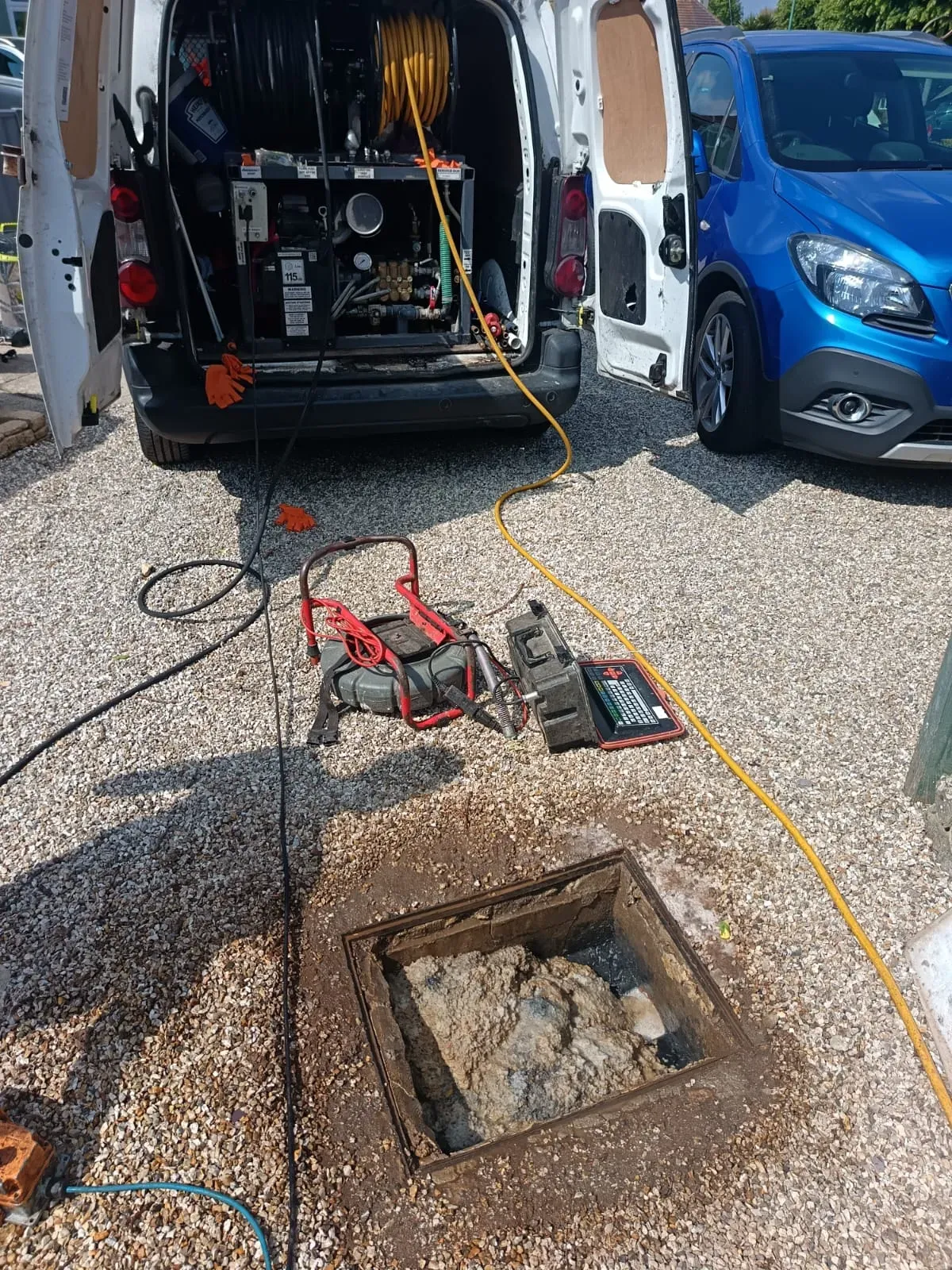
Why the range? Three things drive it: access (is there an inspection chamber, or does a manhole cover that hasn’t moved in years have to come up), pipe length (a 10-metre domestic run is quicker to work than 40 metres of shared drain), and what the engineer finds once he is in there. If it turns out to be root ingress, a collapsed section, or misaligned joints, you’ll want that translated into a repair quote on the spot rather than paying for a second visit. Ask upfront whether you get the findings in writing, because some cheaper quotes only run to a verbal summary, which is worthless if you need evidence for a landlord or an insurer.
Why Do Drainage Costs Vary So Much Between Properties?
South East England’s housing stock is the real reason prices swing so widely. If your property was built before the 1970s, there’s a reasonable chance your original drain runs use pitch fibre pipe — a material that was cheap and quick to lay at the time but is now notorious for deforming, blistering, and collapsing under root pressure decades later. Victorian-era terraces, common across Croydon, Sutton, and parts of Guildford, often still run on clay pipework, which is durable but prone to cracked joints and root intrusion at the joints themselves. Anything built from the 1980s onwards is more likely to be modern PVC, which is far more resistant to root damage but can still suffer from poor jointing or ground movement.
An engineer who knows this local context can often predict roughly what he’ll find before the chamber is even open, which matters because it affects how long the job should reasonably take. A pitch fibre run has to be worked gently, since pushing too hard risks damaging already-soft pipe walls, so it takes longer and costs slightly more than a straightforward modern PVC line. If you’re quoted the same flat price regardless of your property’s age or pipe material, ask the engineer directly what he expects to find; a competent one will have an answer, not a shrug.
Shared drains add another layer of complexity, and cost, that a lot of homeowners aren’t aware of until they’re already dealing with a blockage. Under UK water industry rules, some drains from Victorian-era terraces became shared responsibility with the water company from October 2011, which can affect who’s actually liable for the repair once the cause has been identified. It’s worth checking your specific situation against the guidance on wras.co.uk before assuming the whole bill is yours. Design and construction standards for the drainage network itself are set out in BS EN 752, which is the benchmark any reputable engineer will reference if you ask about pipe condition standards. If you’re weighing up getting to the cause against just clearing the blockage and hoping for the best, our breakdown of how much a drain unblock costs in the UK lays out that comparison in more detail.
Why Landlords Cannot Afford to Let a Slow Drain Ride
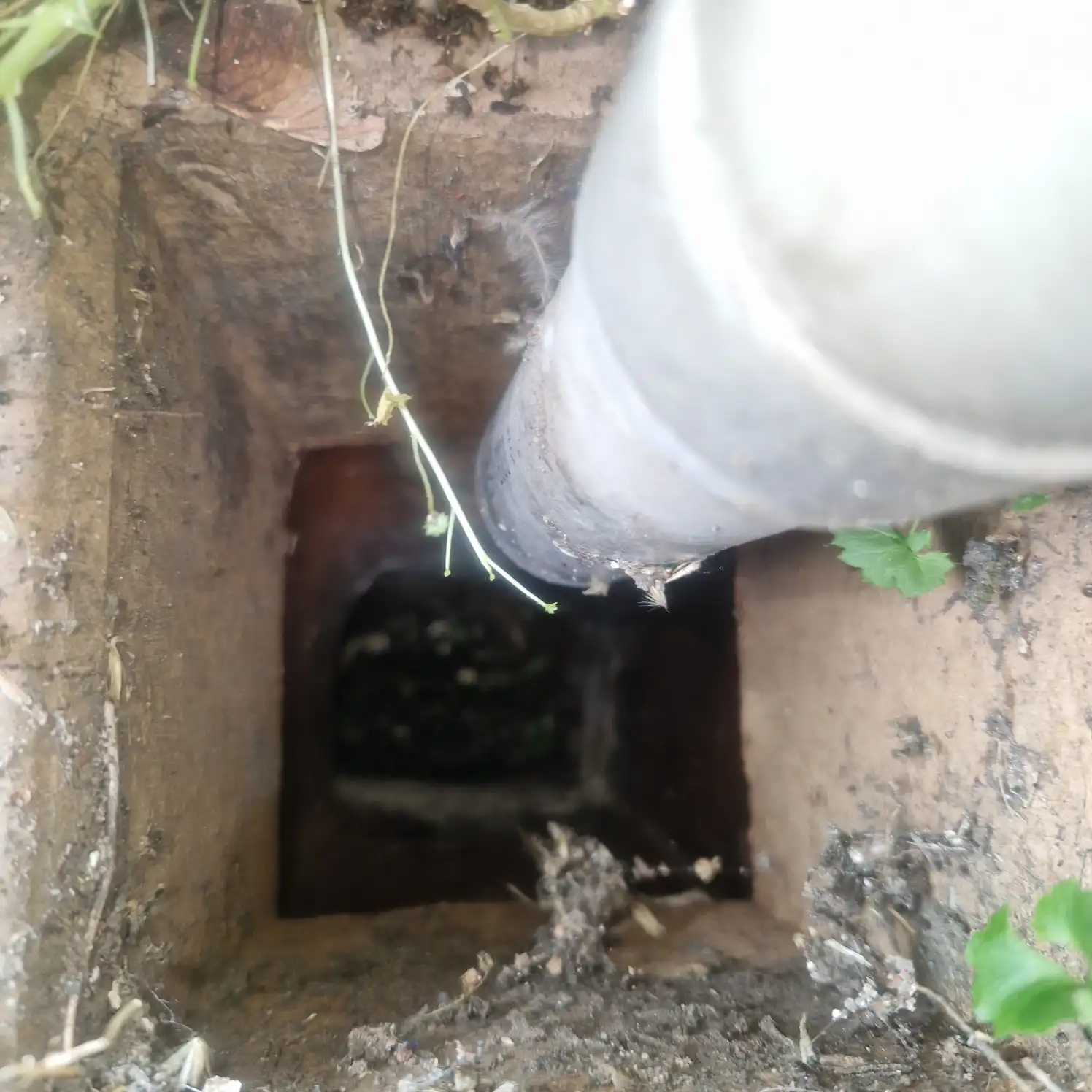
A blocked or collapsed drain at a rented property isn’t just a repair bill. It’s a habitability issue, potential environmental health involvement, and lost rent while access is arranged. The Health and Safety Executive’s guidance on drainage and sanitation, available at hse.gov.uk, makes clear that landlords carry real responsibility for keeping drainage systems functional and safe. Dealing with a slow drain early, especially on a property with clay or pitch fibre pipework, is cheaper across a five-year hold than the average emergency repair triggered by neglect.
If you’re dealing with a property in an area with a known blockage pattern, whether that’s tree roots, flat-lying pipework, or older terraces, it’s worth reading our guide on why drains block in Esher and how to fix the underlying causes, since the same causes apply across most of the South East’s older housing.
The honest answer for tight-budget homeowners and landlords alike: if your drains are running slowly, gurgling, or smelling even slightly off, that’s the system telling you it is cheaper to deal with now than to wait. Getting it sorted properly leaves you with a fixed number to plan around instead of an unknown one waiting to surprise you.
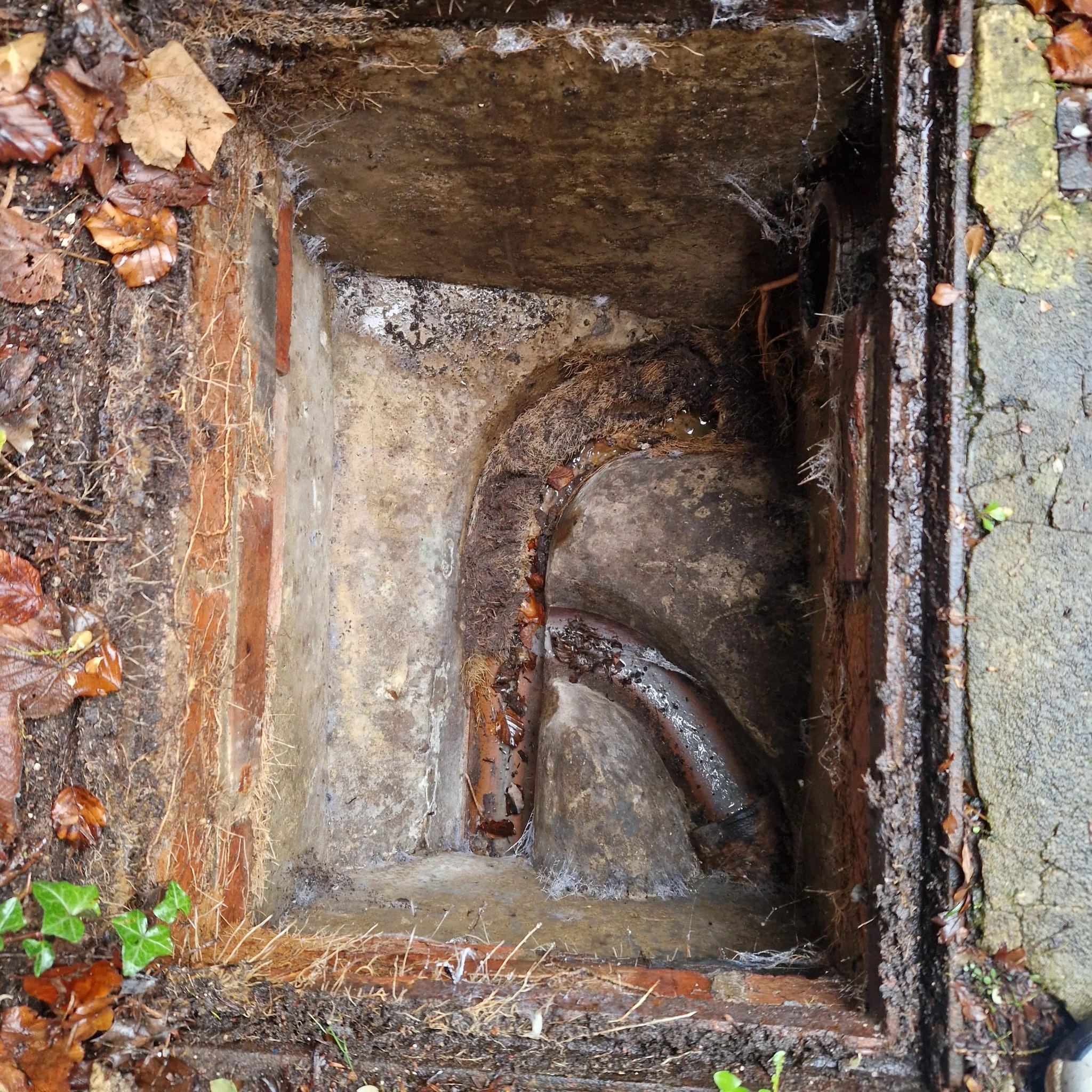
If you want a straight answer on what your own drain will cost to sort out, get the pipe age and access details ready before you call. It’s the fastest way to an accurate number rather than a ballpark one. We quote on what’s actually in the ground, not a generic price list, and we’re on the phone around the clock for anyone who’d rather deal with a slow drain now than a flooded one later.
No comments yet. Be the first to leave a review.
Comments are closed for this post.