
 Admin
Admin 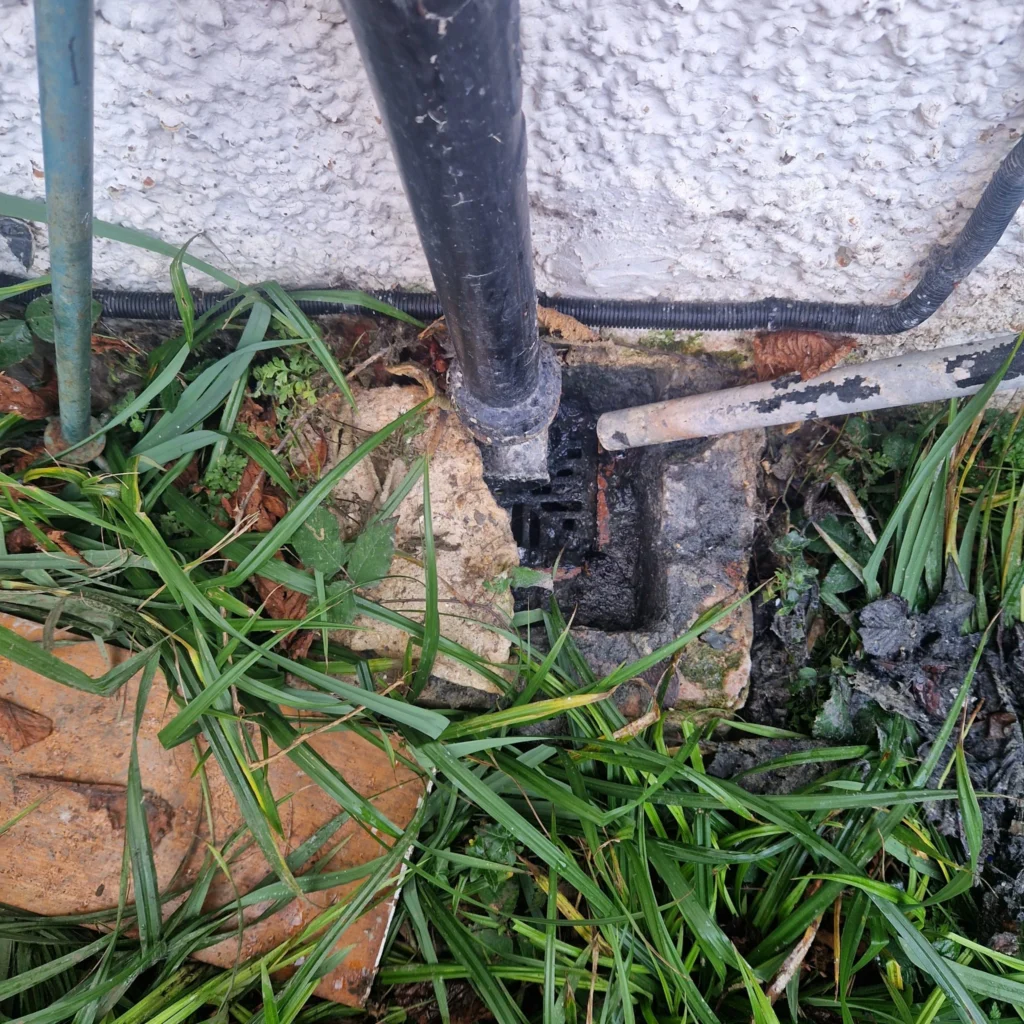
Most drainage articles tell you to call an engineer the moment you smell something odd. We’re going to say the opposite: the smell is rarely the real problem — it’s the last symptom of a fault that’s often been building for months, and treating only the smell is why so many UK homeowners end up calling out an engineer three times for the same drain. Understanding home drainage solutions properly means comparing reactive fixes against preventative ones, not just reaching for the nearest quick patch.
Reactive Fixes vs Preventative Home Drainage Solutions: Which Wins?
Every homeowner eventually faces the same choice: fix the drain when it fails, or maintain it so it doesn’t. Reactive callouts feel cheaper in the moment because you only pay when something goes wrong. But compare that against a planned maintenance visit, and the maths flips quickly once you factor in emergency rates, water damage, and repeat visits for the same recurring fault.
UK properties add a specific wrinkle to this comparison. Many homes still run on ageing clay or pitch-fibre pipework laid decades ago, and shared drainage runs mean a blockage two doors down can back up into your own system. Combine that with heavier seasonal rainfall and root ingress, and a small reactive fix this winter can become a structural repair by spring.
Left unmanaged, drainage neglect tends to lead to the same short list of outcomes: internal flooding, damp and mould, foundation movement, and drawn-out insurance disputes over who’s liable for the damage. Weighed against a modest annual maintenance cost, preventative home drainage solutions usually come out ahead — the exception being very new-build properties with modern PVC pipework, where reactive-only cover is a reasonable, lower-cost choice for the first several years.
Old Property vs New Build: Reading the Warning Signs
The warning signs your drains give you depend heavily on your property’s age, and comparing the two contexts helps you judge how urgently to act. In an older property with clay or pitch-fibre pipes, slow-draining sinks and gurgling toilets often point to root ingress or joint collapse — problems that develop gradually and rarely announce themselves loudly until they’re advanced. In a newer build, the same symptoms are more likely to be a one-off blockage from misuse (wipes, fat, food waste) rather than structural failure.
Either way, the symptoms worth tracking are consistent:
- Slow drainage from sinks, baths, or showers
- Gurgling sounds when flushing
- Persistent unpleasant smells indoors or in the garden
- Water backing up in toilets or external gullies
- Damp patches or mould near floors and skirting
An old property showing two or more of these signs together is a stronger candidate for a full professional blocked drains assessment rather than a DIY plunger session. A new build showing just one, in isolation, is more likely a quick clear. Either way, the drains regulations under the Building Act 1984 and Building Regulations Part H set the standard for how domestic drainage should be designed and maintained, and it’s a useful benchmark when judging whether a property’s system is performing as it should.
DIY Clearance vs Professional Intervention: The Checklist Approach
Reaching for shop-bought chemical unblockers versus calling in professional equipment is the choice most homeowners face first, and it’s worth being honest about the trade-off. Chemical products can shift light fat blockages but do nothing for root ingress, collapsed pipework, or scale build-up — and repeated use can actually damage older pipe joints. Professional high-pressure jetting costs more upfront, but it gets at the actual cause instead of masking it.
Use this checklist to decide which route fits your situation before you spend money on either:
- Note how many fixtures are affected — one sink suggests a local blockage, several suggests a main line issue.
- Check whether the problem recurs within weeks of a previous clear.
- Look outside for surface water pooling near manhole covers or external gullies.
- Rule out obvious causes like wipes, fat, or garden debris before assuming a structural fault.
- If symptoms persist after one DIY attempt, get an engineer out rather than repeating the same fix.
- Ask for a written report and repair recommendation, not just a verbal opinion.
- Compare a one-off repair quote against a planned maintenance plan before committing.
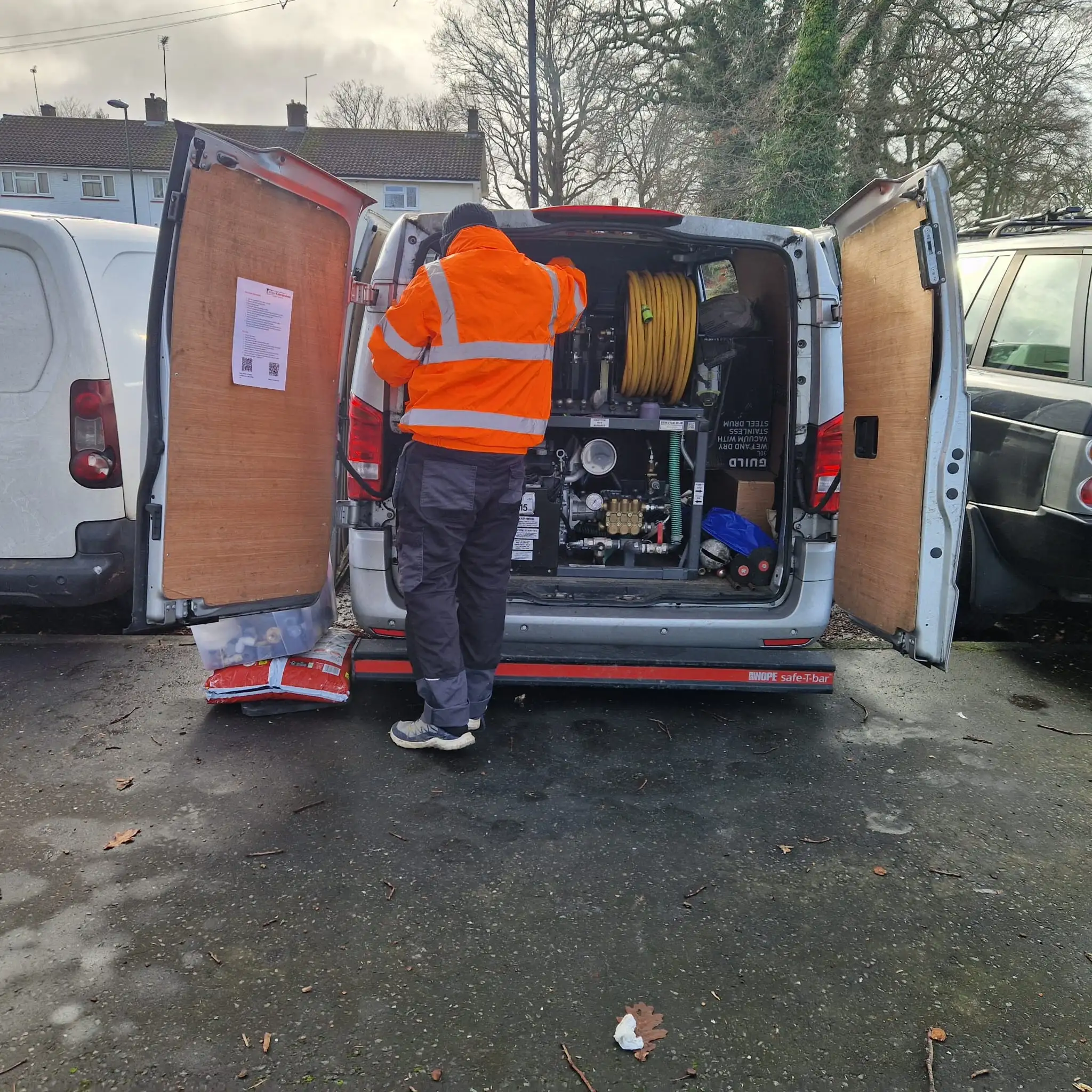
Having the run properly checked is what turns guesswork into a documented diagnosis, and that documentation is what homebuyers, insurers, and anyone arguing about a recurring fault actually need. It also means root ingress, cracks, or scale get found without digging up your garden or driveway first.
Choosing the Right Home Drainage Solutions for Your Property Type
Not every drainage fix suits every property, so it helps to compare the main options against the context they’re built for.
Terraced and Older Housing Stock
Shared drainage runs and ageing clay pipework mean root ingress and joint failure are the most common faults. No-dig drain relining is often the better comparison against full excavation here, sealing cracks from inside the pipe and avoiding disruption to a shared driveway or a neighbour’s boundary. Water companies’ responsibilities for shared lateral drains are set out under the Water Industry Act 1991, which is worth checking if you’re unsure who’s liable for a shared run.
Detached Family Homes with Gardens
Tree root ingress and garden debris are the recurring themes. Routine high-pressure jetting every year or two, compared against waiting for a full blockage, tends to be the more cost-effective long-term choice, since it clears scale and root intrusion before it hardens into a full obstruction. Design and construction of below-ground drainage is guided by BS EN 752, the British Standard covering drain and sewer systems outside buildings.
Flats and Commercial Conversions
Multiple households sharing a single stack means one property’s misuse (fat, wipes) can affect everyone. Getting the shared stack checked before purchase or lease renewal is the sensible comparison against discovering a fault after you’ve moved in, and it gives you clear evidence if the management company disputes who’s responsible.
Whichever category your property falls into, comparing a single emergency callout against a planned jetting and maintenance schedule almost always favours the latter over a two-to-three-year horizon. If you’re weighing up costs before booking anything, it’s worth reading our guide to drain repair costs near you so you know what a fair quote looks like, and if you’re local to Surrey, our Redhill blocked drains guide covers area-specific advice in more depth. Homeowners over 85 can also compare costs against our current unblocking discount offer before booking a callout.
Ultimately, the comparison that matters most isn’t chemical versus jetting, or DIY versus professional — it’s reactive versus preventative. Whichever side of that line your household currently sits on, moving even one step toward planned maintenance will save more money than it costs, and it keeps your home drainage solutions working quietly in the background, exactly as they should.
No comments yet. Be the first to leave a review.
Comments are closed for this post.