
 Admin
Admin 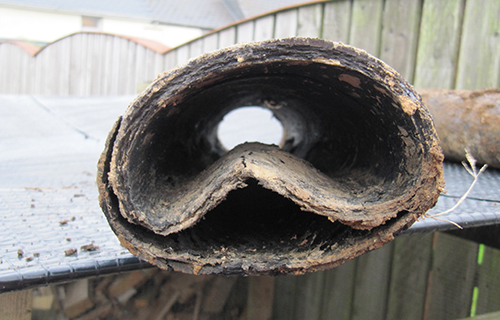
Ever noticed your toilet gurgle every time the washing machine drains, and wondered whether you actually need a pitch fibre drain repair or just a good jetting session? A homeowner in a 1960s semi near Sevenoaks asked us exactly that last month, after three blocked-drain callouts in as many months during a wet Kentish summer. What we found underground explains why pitch fibre drain repair is one of the most searched drainage terms in South East England right now, and why the answer almost never involves a spade.
1. Your Home Was Built in the Pitch Fibre Era
The Sevenoaks case started the way most do. The house was built in 1968, and like tens of thousands of homes across Kent, Surrey and Sussex, its drainage run was laid in pitch fibre pipe rather than clay. These lightweight pipes, made from compressed wood fibre bonded with coal tar pitch, were the go-to material for the era’s mass housebuilding boom.
Why Builders Chose Pitch Fibre
Pitch fibre was cheap, light and fast to lay compared with clay pipework, which made it ideal for the estates that sprang up across the South East between the 1950s and late 1970s. Whole streets were often plumbed with the same batch of material, laid by the same contractor, in the same week.
Why That Matters Decades Later
Pitch fibre has a working lifespan of roughly 40 to 50 years. That means most of it installed during the original boom is now at, or well past, the point where problems become likely. If your postcode falls into that build era, a pitch fibre drain repair is a question of when, not if.
2. You’re Getting Blockages Every Few Weeks, Not Every Few Years
By the time the Sevenoaks homeowner called us in, the pattern was obvious: recurring blockages roughly every three to four weeks, always in the same downstairs run, always worse after heavy rain had saturated the surrounding clay soil and shifted pressure on the pipe.
What our engineers actually see on the job: after fifteen-plus years crawling round South East gardens, the pitch fibre jobs all look the same before we’ve even lifted the manhole cover. There’s a soft dip in the lawn or driveway that the homeowner “always meant to ask about,” the toilet gurgles on a full washing machine cycle, and inside the pipe you find blistered, delaminated walls that have squashed from a circle into an oval. Wipes and fat catch on those blisters constantly, which is why jetting alone buys a few weeks at best before the same call comes back in.
That repeat pattern is exactly what separates a genuine pitch fibre drain repair from a routine unblock. If your drains are misbehaving on a fixed, frustrating schedule, that’s your first clue. For a wider list of red flags worth watching for, our guide on signs you need a drainage specialist is worth a read before you decide your next move.
Pitch fibre doesn’t fail gradually and then stop. It fails gradually, then collapses. The gap between “annoying” and “urgent” is often shorter than homeowners expect.
If the blockage is a one-off after a big autumn leaf-fall or a misplaced wet wipe, DIY rodding or a call to a professional unblocking team may be all you need. See our drain unblocking experts near you if that sounds like your situation. But if it’s the third callout this year, get the whole run looked at properly rather than paying for the same jetting job on repeat.
3. Gurgling, Ground Dips, or a Neighbour’s Recent Drain Repair
Three signs tend to show up together once pitch fibre starts to fail properly, and the Sevenoaks job had all three by the time our van arrived.
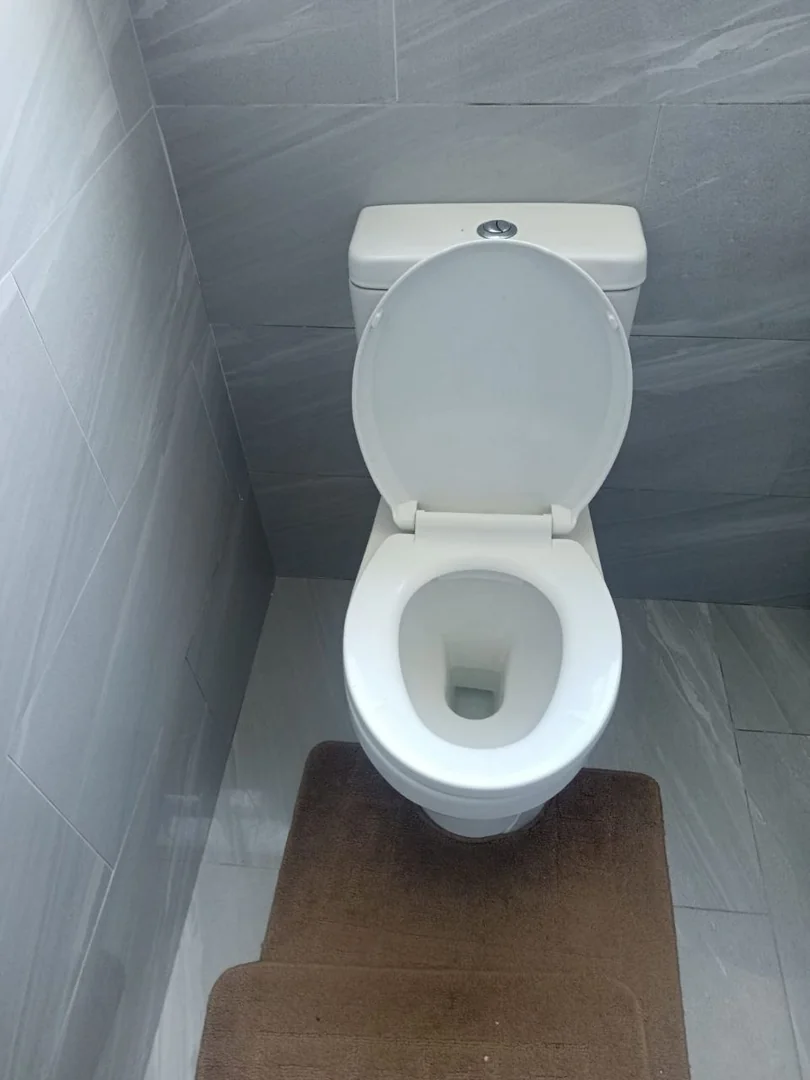
First, gurgling or “glugging” noises when another appliance drains, which usually means the pipe has squashed into an oval and is trapping air as water passes through. If that sound is familiar, our piece on why your drain is gurgling, banging or making strange noises explains what’s happening underground in more detail.
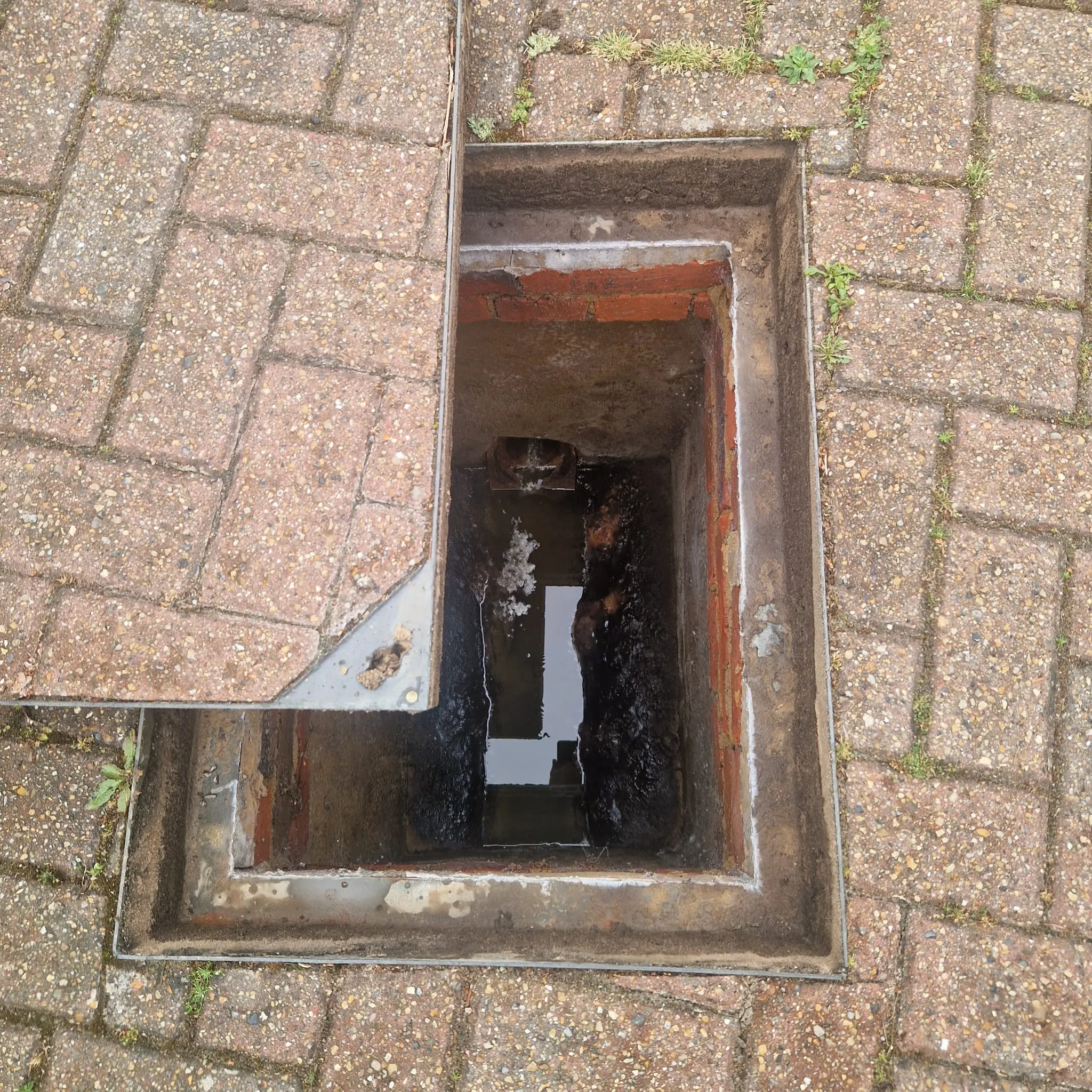
Second, small dips or soft patches appearing in a driveway, patio or lawn along the line of the drain run. This is often the first visible sign that a section has deformed or partially collapsed beneath the surface, well before sewage or standing water becomes an issue.
Third, and easy to overlook: a neighbour on the same street having drain work done. Entire estates were frequently laid with pitch fibre from the same supplier in the same year, so if next door’s drains have just failed, yours are very likely built to the same timeline. This clustering effect is one reason South East England sees seasonal spikes in pitch fibre callouts, particularly after wet winters when saturated ground adds extra pressure to already-weakened pipework.
Wet weather generally accelerates every one of these symptoms, since waterlogged clay soil expands and puts lateral pressure directly onto the pipe wall. If you’ve had any of the above during a rainy spell, treat it as a prompt to have the run checked rather than waiting for the ground to dry out and the pressure to ease temporarily.
4. No-Dig Repair Is Usually Faster and Cheaper Than Excavation
The genuinely good news, and the reason we didn’t need to touch the Sevenoaks driveway, is that most pitch fibre drain repair work today is done without digging up so much as a paving slab. Trenchless repair has matured to the point where it’s now the default recommendation rather than a premium upsell.
The process runs in three stages. A jetting pass comes first, clearing internal blistering and restoring something close to the original diameter while the engineer works out how far the damage runs. A steel expander head is then winched through the pipe to mechanically re-round any squashed or oval sections back into shape. Finally, a resin-soaked liner is inserted and inflated, curing into a joint-free structural pipe inside the old pitch fibre shell, typically rated for a 50-year lifespan and stronger than standard PVC.
Most homeowners save somewhere in the region of £2,000 to £6,000 compared with full excavation, and the work is usually finished within a single day rather than the week or more that digging up a garden or driveway can take. If you’re weighing up a DIY approach to a suspected pitch fibre issue, don’t: patch-repairing one section when the rest of the run is the same age and material almost always means another failure nearby within months. This is squarely a job for a qualified drainage engineer with re-rounding equipment.
If you’re currently house-hunting in a property built within that 1950s–1980s window, it’s worth knowing that a standard RICS Homebuyer Survey does not inspect inside the drainage system at all. Having the drains checked before exchange can reveal a failing pitch fibre run that would otherwise become your problem, and your bill, the moment you move in. Our Surrey drain unblocking case study covers a similar scenario for buyers in that area.
Insurance is worth a mention too, since it catches a lot of homeowners out. Sudden collapse, tree root intrusion and accidental damage are often covered, but gradual deterioration from age is usually classed as wear and tear and excluded. A written record of what the engineer found underground strengthens any claim where there’s doubt about the cause. For guidance on drainage standards and responsibilities more broadly, the government’s guidance on private drainage systems and the water industry standards maintained under WRAS are useful reference points, alongside the design principles set out in BS EN 752 for drain and sewer systems outside buildings.
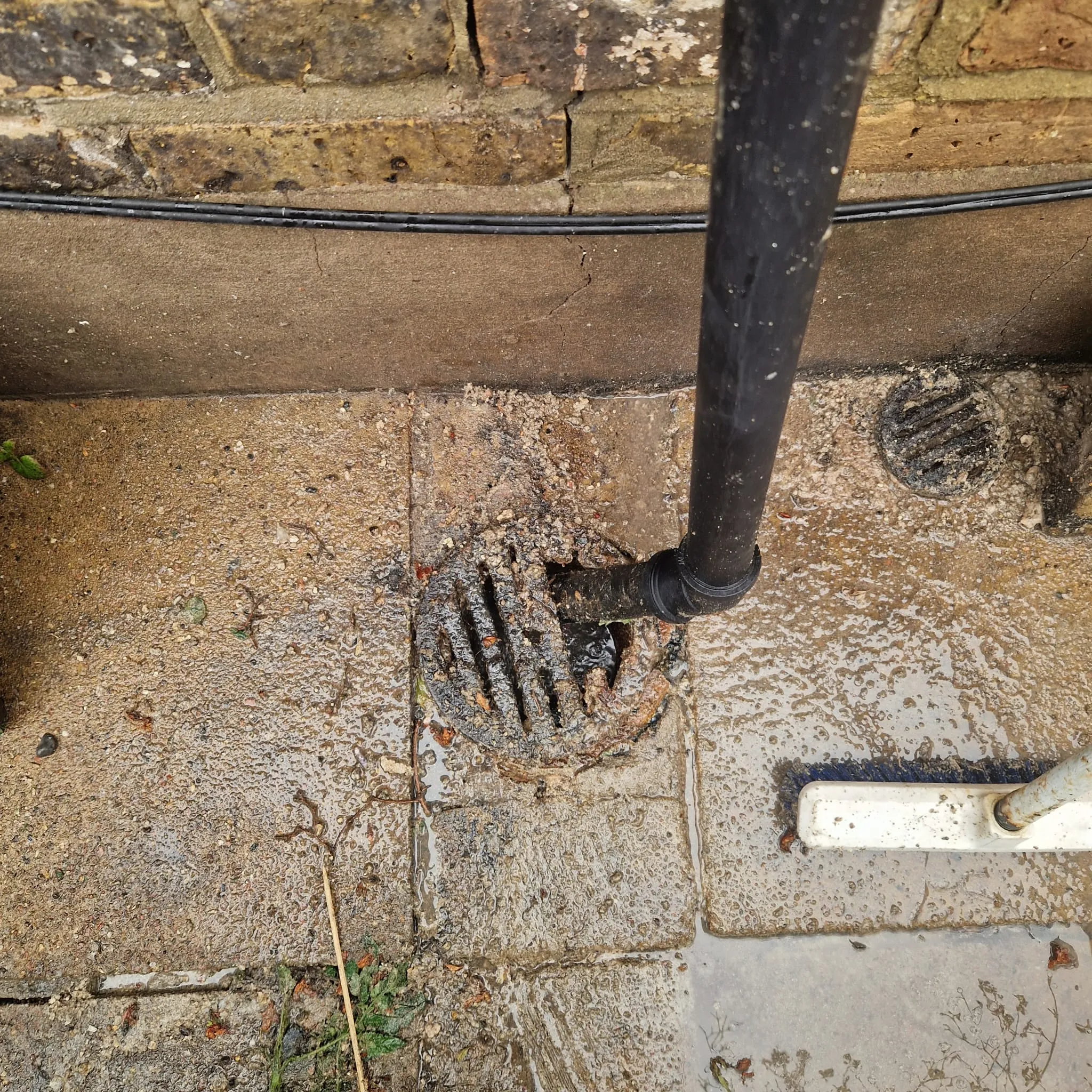
Left unaddressed, a failing pitch fibre run rarely stays a minor inconvenience for long, and putting off the diagnosis tends to narrow your options rather than widen them. Our piece on what happens if you wait on emergency drainage issues is a useful read if you’re tempted to put it off another season. And if a blocked downpipe is adding to your water problems at the same time, our guide to blocked downpipes covers that separately.

Back in Sevenoaks, we found blistering and one badly oval section roughly six metres from the boundary. Re-rounding and lining were completed in a single visit, the driveway was untouched, and the homeowner’s three-blockages-a-month pattern stopped the same week. That’s the outcome a proper pitch fibre drain repair is meant to deliver: not just a cleared pipe, but an end to the recurring callouts that brought them to search for an answer in the first place.
No comments yet. Be the first to leave a review.
Comments are closed for this post.