
 Admin
Admin 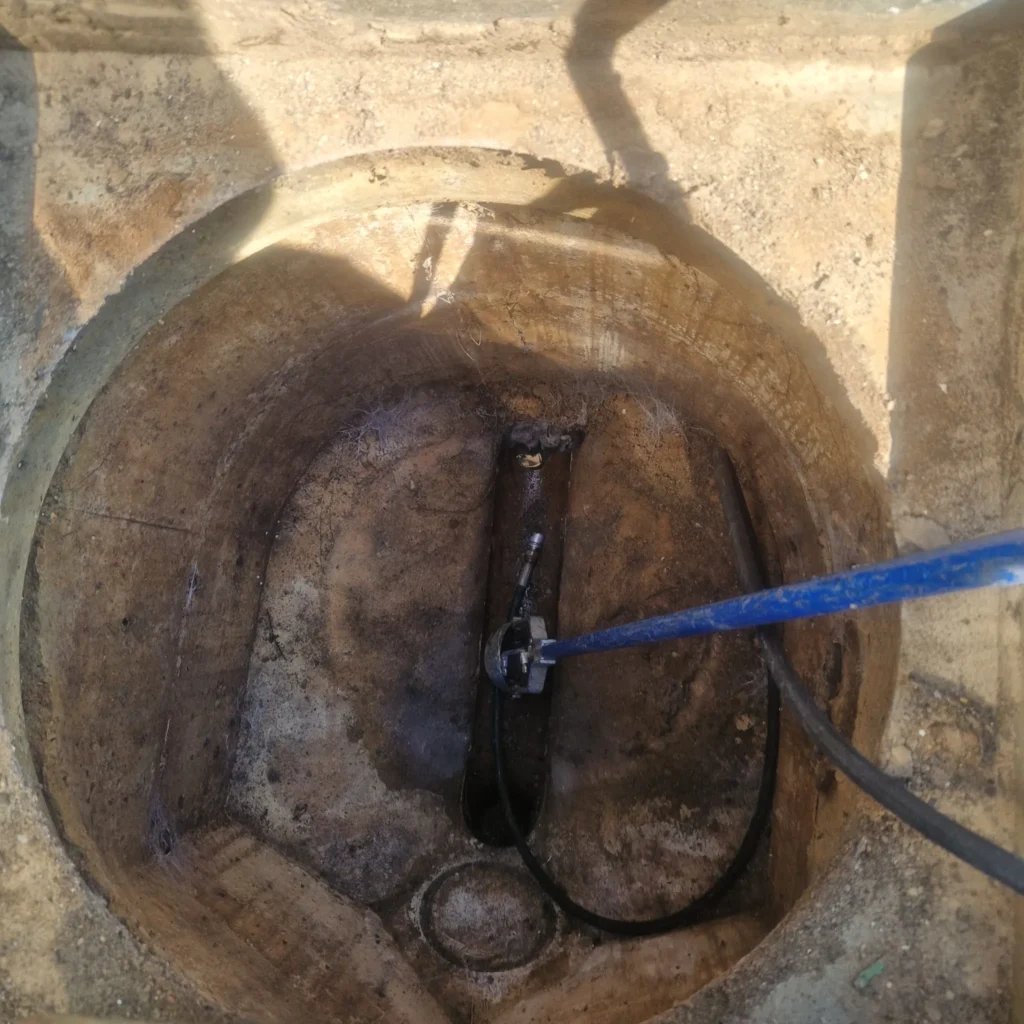
What Is a Grease Blocked Drain and Why Does It Happen So Fast?
A grease blocked drain is responsible for a huge share of the emergency call-outs UK drainage engineers attend each year, and most homeowners never see it coming until water is pooling in the sink. Hot fat, cooking oil, and soap residue flow easily when warm, but the moment they hit cooler pipework further down the run, they solidify into a waxy layer that clings to the pipe wall. Each wash adds another coat, narrowing the channel until even light debris causes a full stoppage. It is not a one-off event — it is cumulative damage that builds silently for months.
How Much Does It Cost to Clear a Grease Blocked Drain?
Cost is usually the first question, and rightly so — a standard callout for a single-fixture blockage typically sits well below what a burst or collapsed pipe would cost you later. Prices depend on access, depth of the blockage, and whether rodding alone will shift it or whether high-pressure jetting is needed to strip the grease coating back to bare pipe. As evidence, engineers consistently find that jobs left untreated for months end up needing a long jetting run rather than a quick clear, roughly doubling the bill compared with early intervention.
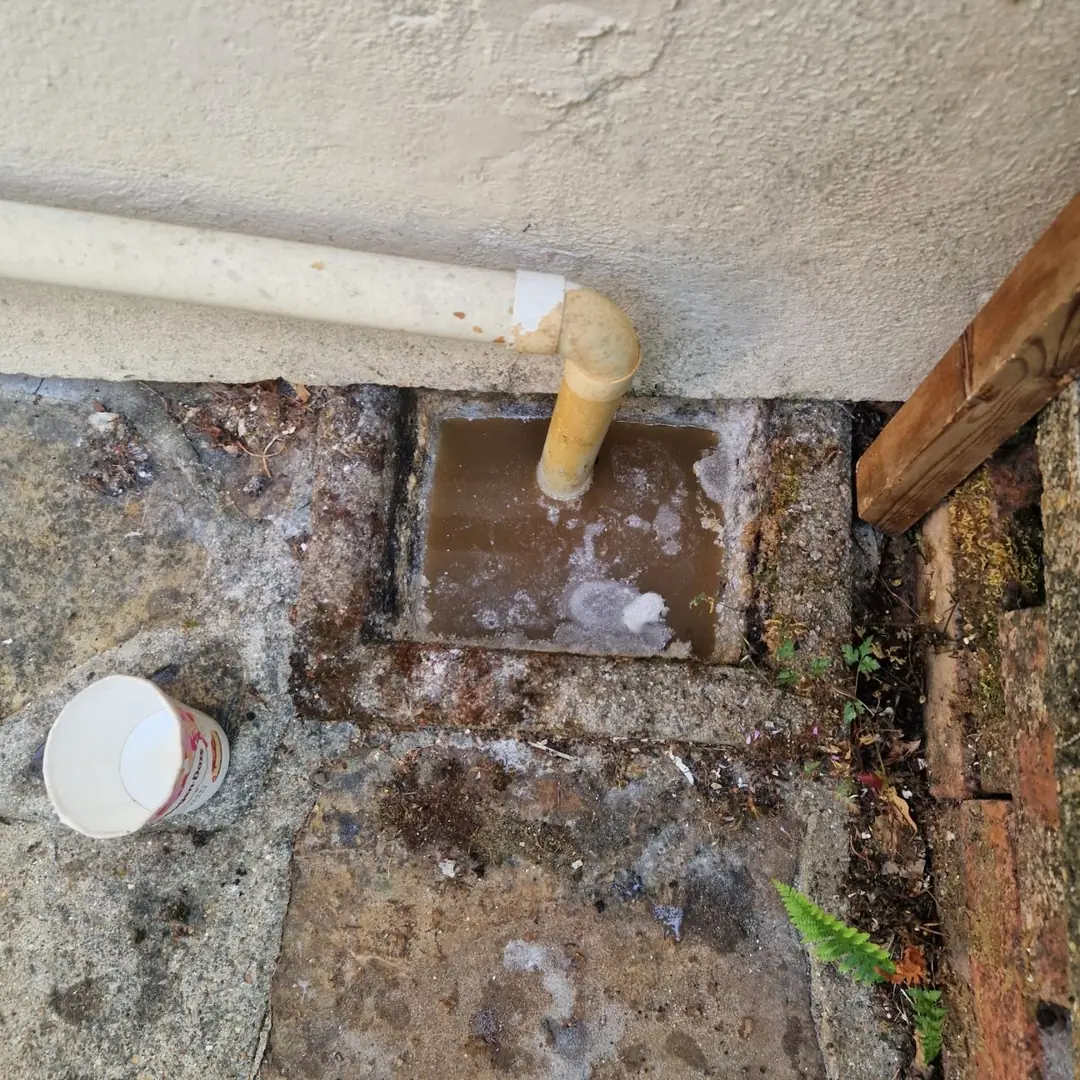
Get an upfront quote before any work starts, and ask specifically whether the price includes jetting or just rodding — this is where costs are commonly underestimated. If your property sits within our Purley CR8 coverage area, same-day fixed-price call-outs are usually available, which avoids the inflated emergency premium some firms charge after hours.
Which Pipes Are Most at Risk From Grease Build-Up in South East England?
Your pipe material changes the risk profile considerably, and this is where local housing stock matters. Properties built before 1970 across the South East commonly used pitch fibre pipework, which has a corrugated internal surface that grease and soap scum grip onto far more aggressively than smooth-bore PVC. Victorian-era terraces, common across Croydon, Sutton, and Wimbledon, often still run on clay pipework with jointed sections that are prone to root ingress as well as grease snagging at the joints.
- Pitch fibre (pre-1970): soft, corrugated walls that can deform under jetting pressure if not handled correctly — grease clings hard here.
- Clay (Victorian era): durable but jointed, so grease and debris collect at connection points and cause recurring partial blockages.
- PVC (post-1980): smooth-bore and far more resistant, though still vulnerable at bends and where pipe falls are too shallow.
If you’re unsure what’s running under your property, an engineer can settle it on site rather than leaving you to guess, and that is worth doing before any excavation work is agreed. Water companies and regulators take this seriously too — under guidance referenced by gov.uk drainage guidance, householders are responsible for the pipework within their boundary, which is exactly where most grease blockages form.
Can You Clear a Grease Blocked Drain Yourself, or Is It a Waste of Money?
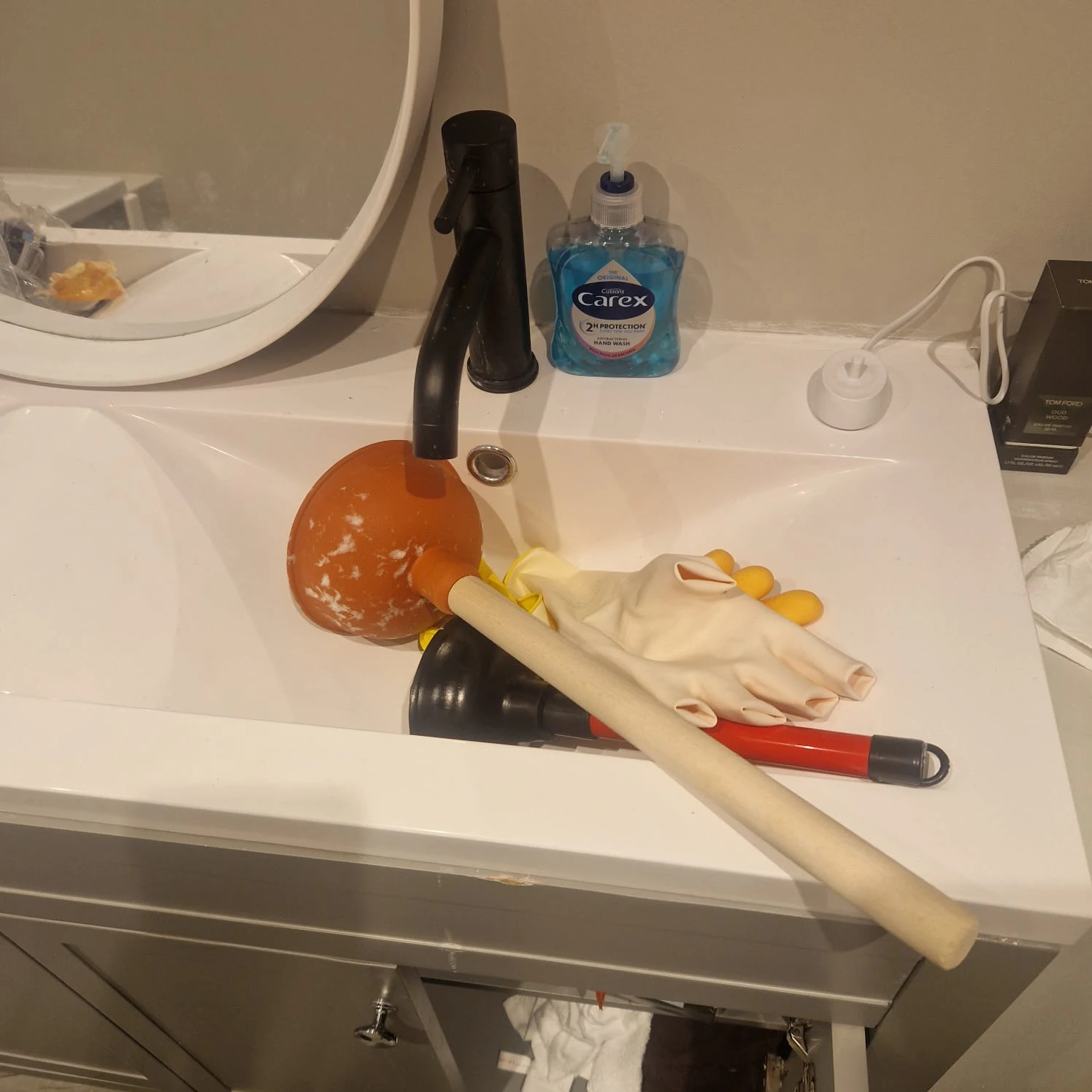
Plungers and boiling water offer short-lived relief at best, and chemical drain cleaners can actively cost you more by corroding older pipework while barely touching the grease coating further down the line. The honest answer: DIY methods work on light, fresh grease near the drain opening, but they cannot shift established build-up sitting metres down a pipe run. Spending £8–£15 repeatedly on shop-bought cleaners that don’t fix the root cause is money better put toward one proper jetting visit.
High-pressure water jetting remains the only method that reliably strips grease back to the pipe wall rather than just punching a hole through the middle of the blockage. It also flushes debris through to the main sewer connection instead of leaving it to re-solidify a few feet further along, which is the exact reason DIY fixes fail within weeks. For background on why some of the advice circulating online does more harm than good, our piece on common drain cleaning myths is worth five minutes.
Frequently Asked Questions
What causes a grease blocked drain in the first place?
Cooking fat, oil, and soap residue cool and solidify inside pipework, gradually coating the walls until flow is restricted or fully blocked.
How do I know if I have a grease blocked drain rather than another type of clog?
Slow draining sinks, gurgling noises, and a sour smell near the plughole are the clearest signs — these point to grease rather than a solid object obstruction.
Is a grease blocked drain covered by home insurance?
Rarely, since it’s classed as a maintenance issue rather than accidental damage — most policies exclude blockages caused by gradual build-up, so budgeting for a jetting visit is more realistic.
How often should I book preventative drain cleaning to avoid a grease blocked drain?
Once every 12 months is a reasonable baseline for an average household, moving to every 6 months if you cook with oil frequently or live in an older pitch fibre or clay-piped property.
What’s the Fastest Way to Get a Grease Blocked Drain Sorted Properly?
Book a fixed-price inspection before the blockage escalates into a backup, since the cost difference between early jetting and emergency flood clean-up is substantial. We handle grease blocked drain call-outs across South East England with transparent pricing and no upselling once an engineer is on site.

If you’re in Orpington or the surrounding BR5/BR6 postcodes, see our same-day drain cleaning coverage in Orpington for local response times. And if the blockage followed a spell of heavy rain rather than just cooking grease, it’s worth reading our comparison of fast fixes versus waiting it out before deciding how urgently to act. For technical standards on drainage design and maintenance, the Water Regulations Advisory Scheme and BS EN 752 both set out the benchmarks reputable engineers work to — ask your contractor if they follow them.
No comments yet. Be the first to leave a review.
Comments are closed for this post.