
 Admin
Admin 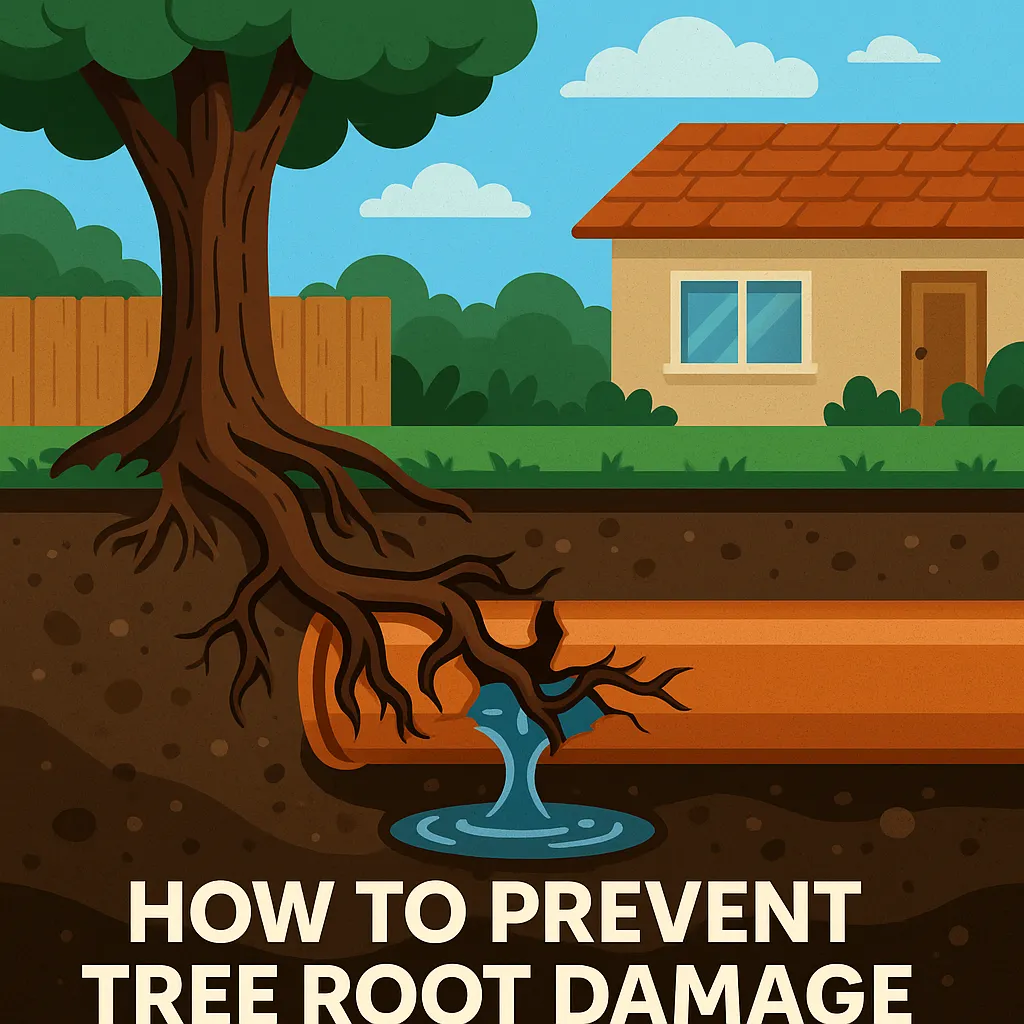
Tree root drain prevention becomes a hot topic in South East England every late summer, once the ground has dried out and roots go hunting for the nearest reliable water source: your drains. A blocked drain caused by root intrusion typically costs between £150 and £950 to fix, depending on how far the roots have travelled and whether the pipe needs relining. Here’s exactly what determines where you land on that scale, and what actually stops it happening again.
1. Why Roots Target Your Drains in the First Place
Most homeowners assume roots “break in” through brute force. They don’t need to. Roots grow toward moisture, and a drain carrying wastewater is a constant, reliable source of it, especially compared to dry summer soil across Surrey, Kent, and Sussex gardens.
The Conditions That Draw Roots In
Pipes weep tiny amounts of moisture through hairline cracks and loose joints long before anyone notices a problem. Wastewater is also nutrient-rich, which accelerates root growth once a root finds its way to the pipe wall. Add in the fact that trenching during original pipe installation leaves the surrounding soil looser and easier to grow through, and you have near-perfect conditions for intrusion.
Why This Matters More After a Dry Spell
When topsoil dries and shrinks, as it regularly does across the South East between June and September, roots extend further and faster in search of water, and a drain running just below a lawn or driveway becomes the path of least resistance. This is precisely the seasonal pattern behind most root-related callouts our engineers attend.
Case Study: A Reigate Semi With a Recurring Blockage
A homeowner on a tree-lined close in Reigate called us after her downstairs toilet had gurgled and backed up three times in six weeks. A CCTV survey found a mass of fine roots had entered through a loose joint roughly four metres from a mature sycamore planted decades earlier, close to the boundary fence. The roots had woven into a dense mat that was catching wipes and grease, causing the repeat blockages. Mechanical root cutting followed by high-pressure jetting cleared the line in under two hours, and a chemical root inhibitor was applied to slow regrowth at the joint.
If you’re dealing with a single slow drain and no history of tree root problems, a DIY plunger or drain rods may be worth trying first. If you’ve had more than one blockage in a matter of weeks, or you know there are mature trees nearby, this is the point to call a professional for a camera inspection rather than keep clearing the symptom. Properties in this area seem particularly prone to repeat issues — see our note on why Reigate drainage problems keep coming back for the local pattern we see.
Effective tree root drain prevention starts well before a survey is needed, though. Choosing what you plant, where you plant it, and how you maintain existing pipework all reduce the odds of ending up in the same position as that Reigate homeowner.
What Our Engineers Actually See on the Job
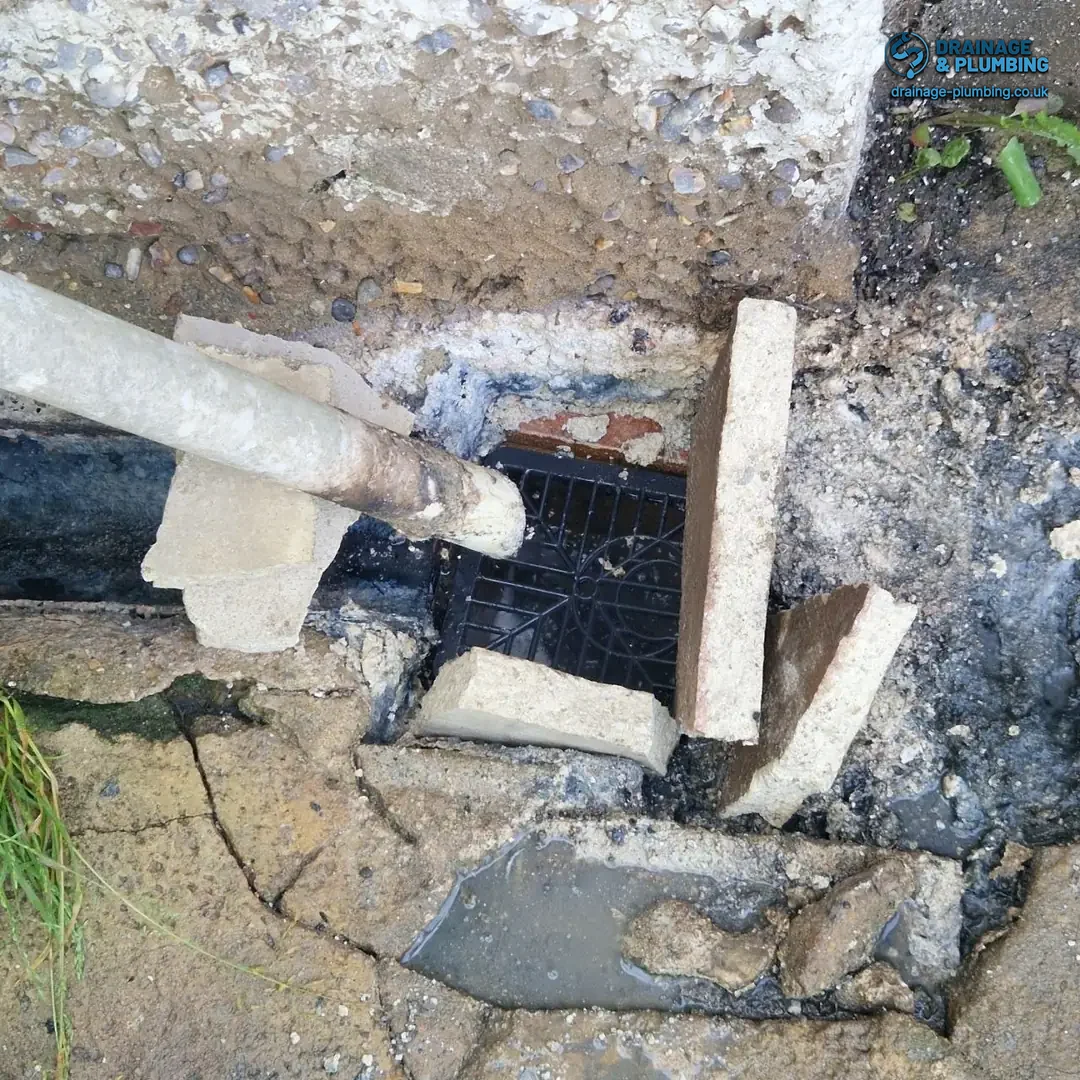
Away from the marketing language, here’s what a typical root-related callout actually looks like in practice. Most jobs are not dramatic collapses; they’re slow, unglamorous build-ups that homeowners have been living with for months.
“Nine times out of ten, it’s not one thick root that’s caused the blockage — it’s a fine, fibrous mat that’s grown along a joint and trapped every wet wipe and bit of fat that’s gone down the drain since. By the time we get called, the customer usually says the toilet’s been ‘a bit slow for a while’.”
We regularly find that the trees causing the problem were planted long before the current owner moved in, and nobody had any record of where the drain run actually sat. Clay pipes laid decades ago are especially vulnerable, since their joints were never designed to be root-proof. On several South East jobs we’ve also found root intrusion had gone unnoticed because the only symptom was a slightly damp patch of lawn, which most people simply put down to poor drainage rather than a leaking pipe underneath. Standards for buried drainage, including jointing and pipe material tolerances, are set out in BS EN 752, which is the benchmark UK engineers work to when assessing whether an existing system is fit for purpose.
Building a Prevention Plan That Actually Holds Up
Tree root drain prevention works best as a layered plan rather than a single fix. No one measure is bulletproof on its own, but combined, they significantly cut the odds of an expensive repair.
Plant with distance in mind. Species such as willow, poplar, oak, and sycamore have aggressive, far-reaching root systems and should be kept well clear of any known drain run — as a guide, allow at least 10 metres for large trees, 5–7 metres for medium trees, and a minimum of 3 metres for smaller species. Japanese maple, crabapple, magnolia, and dogwood are far less likely to cause problems and are worth considering as replacements where an aggressive species already sits close to a pipe run.
Install a physical root barrier. A vertical barrier of heavy-duty plastic, metal sheeting, or geotextile fabric set at least 60cm deep between a tree and a drain run physically redirects roots downward and away from the pipe. This is a one-off job worth doing properly, since a poorly placed or shallow barrier gives roots an easy way around it.
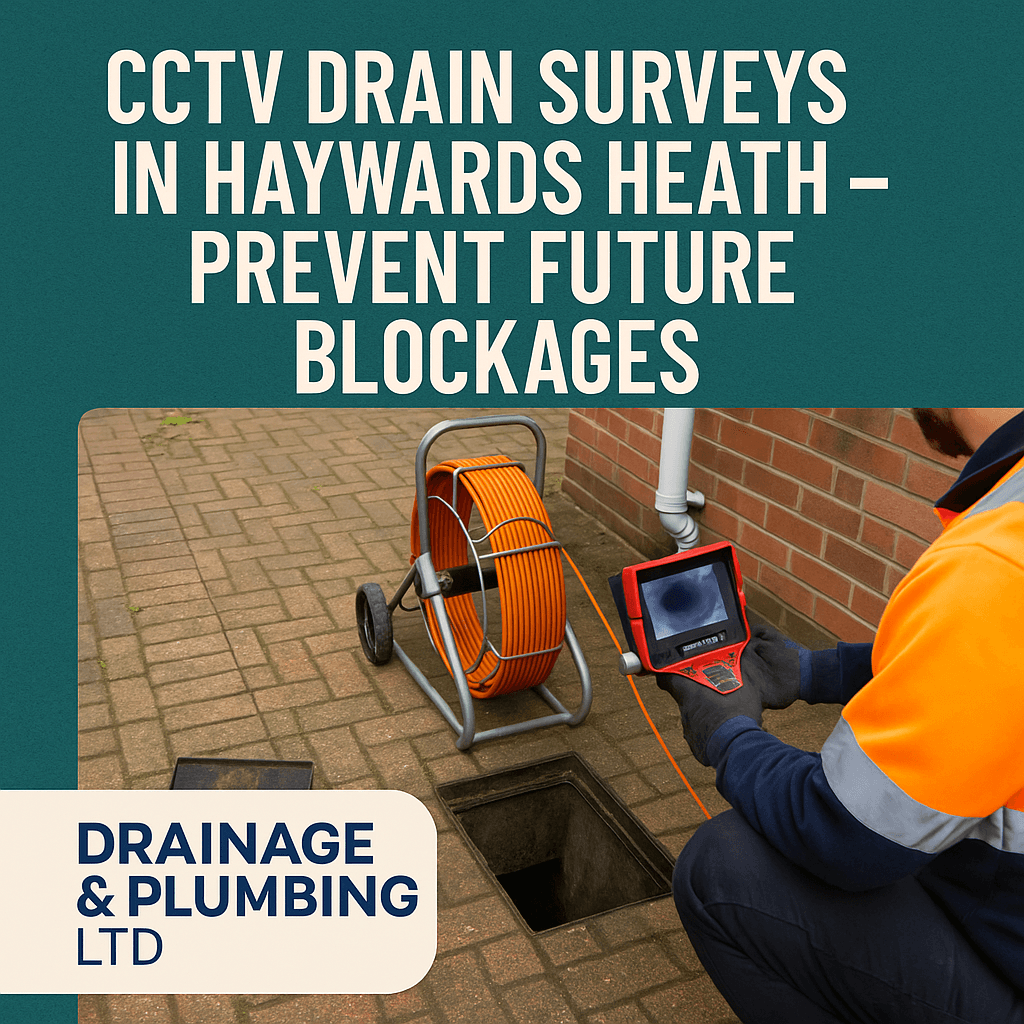
Get pipework inspected on a schedule, not just when something goes wrong. A CCTV drain survey every one to two years, if you have mature trees nearby, catches root intrusion, cracked joints, and early cracks while they’re still a cheap fix rather than an emergency. This single habit is the difference between a routine jetting visit and a full excavation.
Use high-pressure jetting as routine maintenance. Jetting clears grease, scale, and early root growth from the inside of a pipe without damaging it, and doing this on a regular schedule stops small root intrusions ever becoming the dense mat that caused the Reigate case above.
Apply a professional root inhibitor after any clearance work. Products such as copper sulfate or foaming herbicides slow regrowth at the entry point, but they need to be applied correctly and in line with the guidance from the Water Regulations Advisory Scheme to avoid harming the wider water system or the tree itself.
Spotting Root Intrusion Early and Knowing When to Call
Even a solid tree root drain prevention plan doesn’t guarantee roots will never reach a pipe, particularly on older properties with clay drainage. Watch for gurgling toilets after flushing, slow-draining sinks or showers, bad smells from outdoor gullies, unexplained damp patches in the garden, a rising water bill with no obvious cause, or blockages appearing at more than one fixture in the house at once. Any one of these on its own might be nothing; two or more together, especially near mature trees, points toward root intrusion.
Neglected drains that attract root ingress can also become an unexpected habitat for pests, since cracked joints and stagnant water are exactly what vermin look for underground — worth bearing in mind if you’ve noticed other signs of activity near an outside drain. Once roots are confirmed, the standard fix is mechanical root cutting to break up the mass, followed by high-pressure jetting to flush the line and a final CCTV check to confirm the pipe is clear. Where a section is badly cracked or has partially collapsed, trenchless relining or a targeted pipe replacement avoids digging up an entire garden or driveway. The government’s guidance on private drain and sewer responsibility, available via GOV.UK’s blocked drain reporting page, is a useful reference if you’re unsure whether a drain problem falls to you or your local water company. For anything urgent, our guide on what happens during an emergency drain callout explains what to expect if a blockage backs up without warning, and our local drain services coverage page confirms whether we cover your postcode across the South East.
No comments yet. Be the first to leave a review.
Comments are closed for this post.