
 Hesam Ir
Drain Flies in Your Bathroom? Here’s Exactly Where They’re Coming From
Jump to:
Here’s a fact that catches most homeowners off guard: drain flies in bathroom spaces breed not just in the main U-bend, but in tiny crevices you’ve probably never cleaned—your sink’s overflow hole being the primary culprit in roughly 40% of infestations I’ve encountered.
Unlike fruit flies or gnats, drain flies (also called moth flies or Psychodidae) live their entire lifecycle in the biofilm that coats your drains. A single female can lay up to 300 eggs at a time. The larvae feed on decomposed organic matter for 8–24 days before pupating into adults. That means by the time you notice them hovering above your sink, you’ve already got a thriving colony.
The problem isn’t usually the main trap. The problem is that most advice online tells you to pour bleach down the drain and hope. That won’t work if the flies are breeding in your overflow hole, shower drain or a completely dry p-trap. I’ve walked into homes where every guide they’d tried failed because they were treating the symptom, not the source.
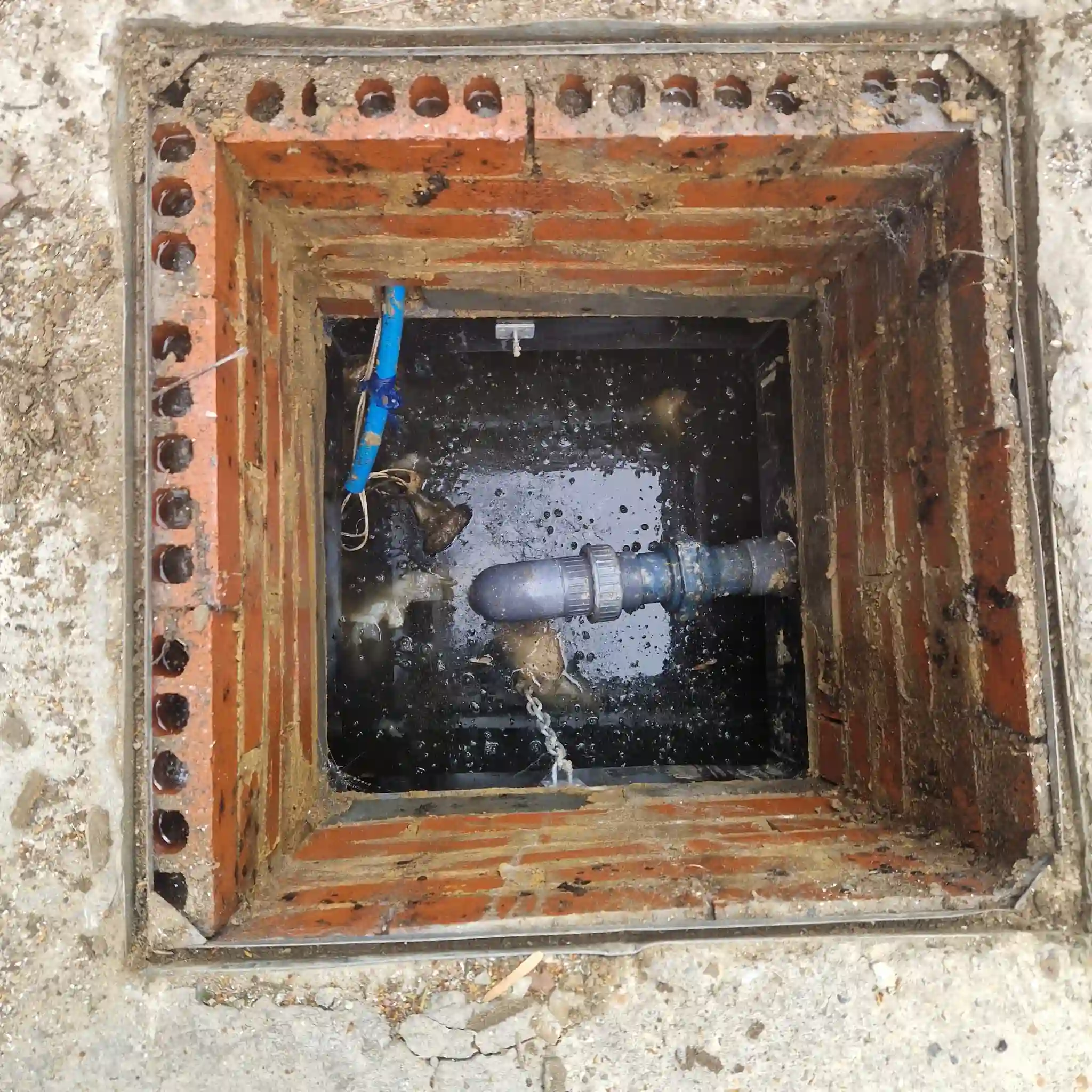
Why Your Bathroom Breeds Drain Flies More Than Any Other Room: Drain flies in bathroom
Bathrooms create the perfect storm for tiny flies bathroom sink infestations. Moisture, organic debris (hair, dead skin, soap residue) and warmth—all year round, but especially in summer—form an ideal larval nursery.
Your shower, sink and toilet overflow holes stay perpetually damp. In winter, this is less of a problem because cooler temperatures slow the lifecycle. But from June through September, bathroom temperatures can sit at 20–24°C, accelerating reproduction. A drain fly generation that takes 16 days in summer might take 30+ days in winter.
The biofilm layer—a slimy bacterial and fungal coating—is what actually feeds the larvae. You can’t see it, but it’s a buffet. Even a “clean” drain that’s been used normally over a week will have enough biofilm for a full generation. If you’ve got slow drainage or standing water lingering in your P-trap, you’re essentially running a drain fly farm.
Bathroom drains are also far more vulnerable than kitchen drains because you use less hot water. Kitchen drains get flushed with boiling water when you wash dishes; bathroom drains rarely experience that shock.
The Overflow Hole Fix That Nobody Talks About
This is where my single most useful observation comes in. Most drain flies in bathroom infestations are not coming from the main trap. They’re coming from your sink’s overflow hole—the small opening near the rim.
I attended a call-out in Croydon last summer where a homeowner had been dosing their drain with various commercial treatments for three weeks. The flies were still there, worse than before. When I examined the overflow hole with a torch, it was black with biofilm. The main trap was relatively clean. We flushed the overflow hole with a targeted enzyme treatment, sealed the rim gap with silicone, and the infestation stopped within 48 hours.
Here’s what to do:
- Inspect the overflow hole. It’s the small opening on your sink rim, usually near the faucet. Shine a torch into it. If it’s dark or slimy, you’ve found a breeding site.
- Use an enzyme drain treatment, not bleach. Bleach kills some adults but doesn’t break down the biofilm that larvae feed on. An enzyme-based treatment (brands like Earthcare or Bio-Clean cost £8–15 per application) dissolves the organic matter. Pour it directly into the overflow hole and let it sit for 4–6 hours.
- Flush with hot water. After the enzyme has worked, run hot (not boiling—you’ll damage plastic pipes) water through for 30 seconds.
- Seal the gap. Use silicone caulk around the rim where the overflow opening connects to the sink bowl. This stops eggs from being laid inside the mechanism.
If you have moth flies shower areas, apply the same method: look for dark film inside the overflow (some showers have secondary overflow ports) and treat accordingly.
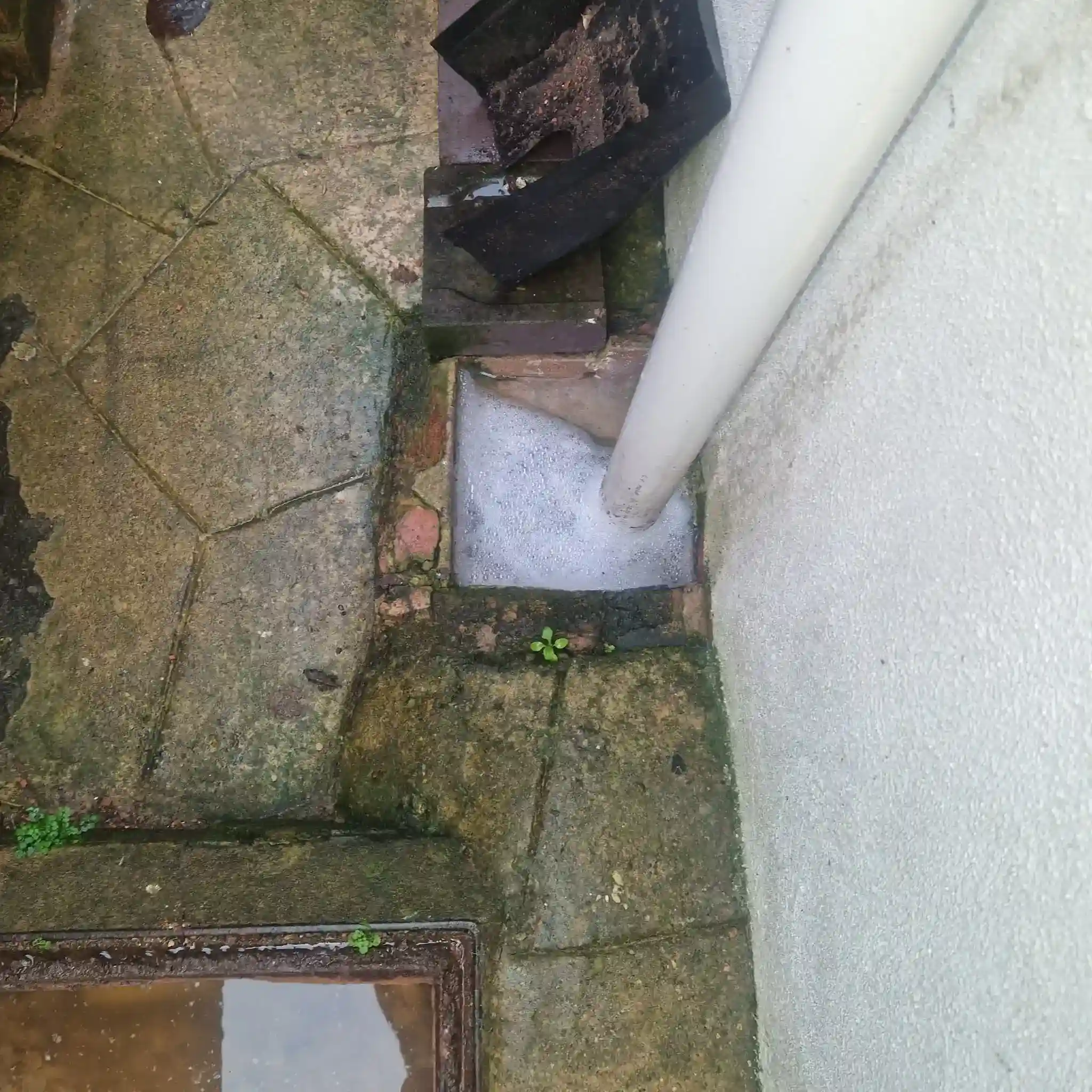
When Your P-Trap Dries Out (And How It Invites Drain Flies In)
The P-trap—that U-shaped bend under your sink—is designed to hold water, which acts as a barrier stopping sewer gases and pests from entering your home. When a P-trap dries out, that barrier fails. Drain flies climb right up from the main sewer line.
Why does a P-trap dry out? Several reasons:
- Unused drains. Guest bathrooms or spare sinks that haven’t been used in weeks. The water evaporates, especially in heated homes or during summer.
- Leaks in the trap itself. A small hole or crack you can’t see means water drains away faster than it should.
- Incorrect slope during installation. If the trap wasn’t fitted at the correct angle, water pools unevenly and evaporates from certain areas.
To check if your p-trap drain flies problem is linked to a dry trap:
- Look under the sink. Is the trap completely dry or just damp?
- Run water for 10 seconds. Does the water sit in the trap, or does it drain away immediately?
- If you see no standing water after 30 seconds, your trap may be cracked.
The fix: If the trap is simply dry (unused sink), pour 200ml of water down it every 3–4 days. For holiday periods, fill a small container with water and leave it near the drain so family members remember to top it up. If water disappears within an hour despite regular use, the trap is likely cracked and will need replacement—a straightforward job costing £40–80 for parts and labour with a qualified plumber.
For overflow hole flies and p-trap issues combined, you’re looking at a more systematic infestation. This is when professional intervention becomes worthwhile.

When You Should Call a Professional Drainage Engineer
DIY enzyme treatments and overflow sealing work in roughly 70–80% of cases. But there are red flags that suggest you need specialist help:
- Flies persist after two enzyme treatments. This usually means they’re breeding deeper in the main line, possibly in a section you can’t easily access.
- Multiple drains are affected simultaneously. If bathroom and kitchen drains both have flies, the infestation is systemic, not isolated to one trap.
- You suspect a cracked or damaged trap. Water pooling under your sink or a musty smell combined with flies suggests structural damage that needs CCTV inspection and possible replacement.
- The smell of blocked drains accompanies the flies. A foul smell means organic debris is decomposing in your pipes—exactly what flies need to breed.
A professional drainage engineer can perform a CCTV survey of your main line (costs typically £150–300) to identify whether the infestation is linked to a structural issue, then apply targeted treatment. In some cases, a drain jetting service (£200–400) removes accumulated biofilm from the entire system, which is far more effective than spot treatments.
If you’re in South London or Surrey areas and want peace of mind, specialist drain unblocking engineers can diagnose the exact cause in under an hour.
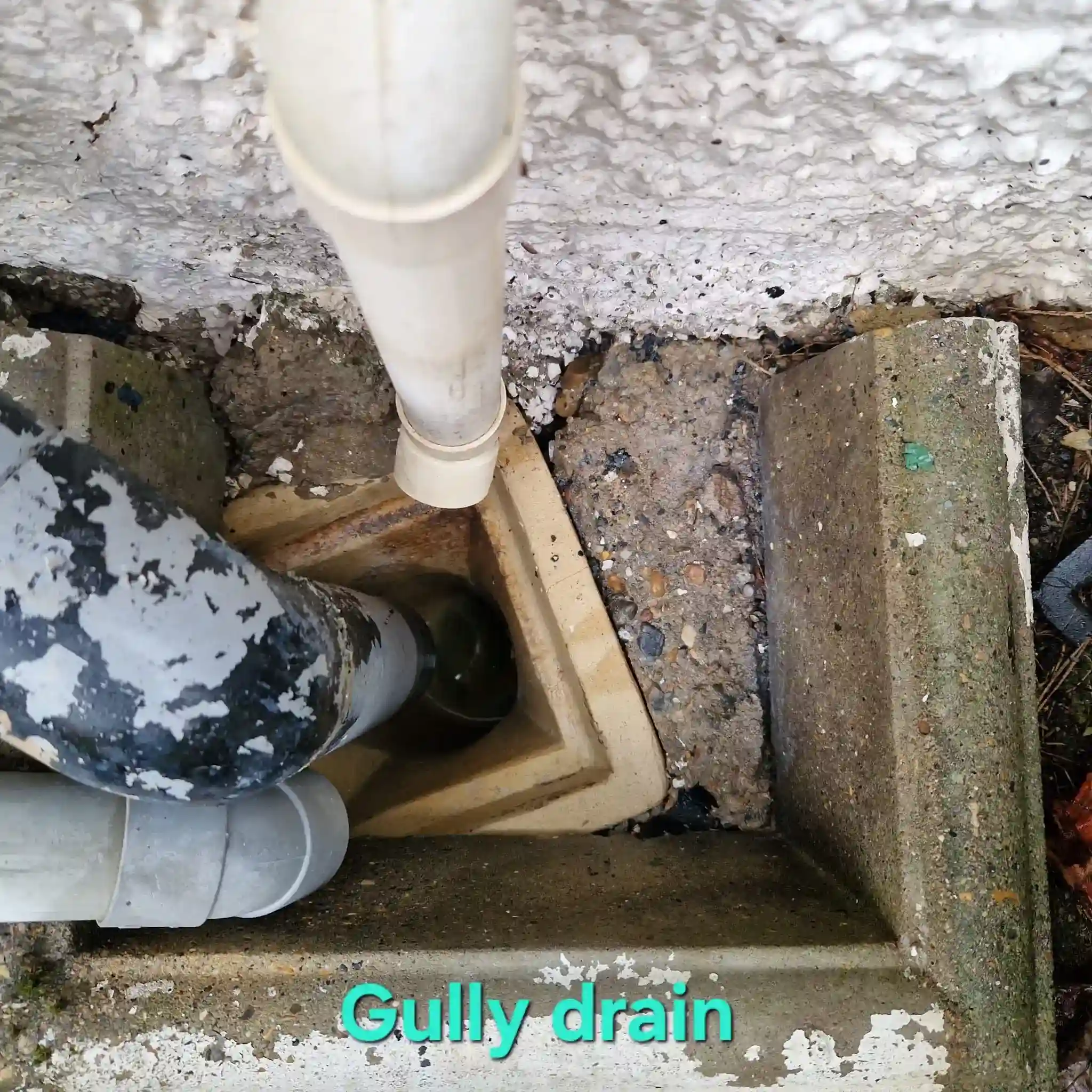
Preventing Drain Flies From Returning
Once you’ve eliminated an infestation, prevention is straightforward but needs discipline:
- Weekly hot-water flushes. Run hot (not boiling) water through every drain for 20–30 seconds weekly. This disrupts early biofilm formation.
- Monthly enzyme treatments. Use a biological drain cleaner once a month to keep pipes clear of organic buildup. This costs around £5–8 per treatment.
- Hair traps in showers. Catch hair before it enters the drain. Even small amounts accumulate into prime breeding substrate.
- Seal overflow holes. Once treated, keep them sealed with food-grade silicone caulk.
- Ventilate after use. Open windows for 5–10 minutes after showers to reduce humidity. Lower moisture = slower lifecycle.
According to the British Pest Control Association (BPCA), drain fly infestations are almost entirely preventable through good sanitation habits. The NHS also notes that drain-related pest issues are linked to broader hygiene standards; addressing them quickly prevents secondary bacterial issues.
How do I know if it’s drain flies and not fruit flies?
Drain flies (also called moth flies) are smaller, darker and hairier than fruit flies, with a fuzzy appearance. They hover slowly and clumsily near drains, whereas fruit flies are quicker and attracted to food sources. If they’re emerging from your sink or shower, it’s almost certainly drain flies.
Will bleach kill drain flies?
Bleach kills some adult flies on contact but doesn’t eliminate the larvae or the biofilm they feed on. Within days, new adults emerge. Enzyme-based treatments are far more effective because they break down the organic matter, starving future generations.
Can drain flies climb up from the sewer?
Yes, if your P-trap is dry or cracked. The trap normally holds water, acting as a seal. Once that water is gone, flies can travel from the main sewer line directly into your home.
How quickly can a drain fly infestation grow?
In summer conditions (20–24°C), a single female can produce hundreds of offspring in as little as 8–10 days. That’s why early intervention is crucial.
What’s the best way to use enzyme drain treatment?
Pour the enzyme product directly into the problem drain (overflow hole, main trap, or shower) and let it sit for 4–6 hours. Avoid flushing immediately. Follow the product instructions—most recommend not using hot water for 12 hours after application to allow the enzymes to work.
What I’d Do If This Were My House
Honestly? I’d start with the overflow hole. In my experience, that’s where 70% of bathroom infestations hide. I’d apply an enzyme treatment, seal the hole with silicone, and then run a hot flush once a week for a month. If flies persist after that, I’d call in for a CCTV survey because the problem is then deeper than DIY treatment can reach.
I’d also stop using bleach entirely. It’s damaging to pipes over time, and it doesn’t solve drain fly problems. Monthly enzyme treatments and basic hygiene (hair traps, weekly hot flushes) cost less than £10 a month and genuinely prevent infestations before they start.
The cost of ignoring it? A full professional drain jetting and treatment service runs £300–500. The cost of prevention? Less than £100 a year.
If you’re struggling with persistent drain flies in bathroom areas or suspect a deeper structural issue, book a drain inspection today. A qualified engineer can pinpoint the exact breeding site and eliminate it permanently—not just mask the problem temporarily.

Key Sources & Further Reading
For more detail on the most common causes of blocked drains in UK homes that lead to pest infestations, our full drainage guide covers the science behind biofilm formation and structural weaknesses. The NHS also publishes guidance on household hygiene and pest-related health risks that directly relates to drain maintenance standards.