
 Hesam Ir
Rats in drains: Why Underground Pipe Damage Is the Real Problem
Jump to:
Eight in ten rat infestations in the UK originate from defective drainage systems, not your kitchen cupboards or garden shed. Yet most people call a pest controller who lays traps above ground while the real entry point—a cracked pipe joint, a displaced clay section, or a collapsed chamber—remains untreated underground. Rats in drains are a structural problem, not a surface nuisance. This is why conventional rodent control often fails within weeks. The fix requires identifying the breach, then sealing it properly.

How Rats Enter Drainage Systems
Rats access sewers and drains through gaps as small as 12 millimetres wide. They follow the scent of waste and moisture uphill, squeezing through fractured joints, broken clay pipes, or gaps where plastic connects to older pipework. Once inside, they navigate the entire network, emerging at the lowest point in your home—typically the toilet, shower tray, or ground-floor waste outlet.
The British Pest Control Association (BPCA) has documented that older UK properties with clay and cast-iron pipes are particularly vulnerable. Victorian terraced homes in London, Manchester, and Birmingham see the highest concentration of incidents. The soil itself shifts over decades, creating tiny but navigable voids. Modern plastic pipes are more resistant but not immune: installation errors, poor joins, and tree root damage create the same weak points.
Rats do not chew through intact pipes—a common myth. They exploit existing damage. If your drains are sound, rats cannot establish a foothold. That’s why drain repairs services and preventative measures are so critical.
Spotting a Rat Infestation Below Ground
Below-ground infestations are silent. You won’t hear squeaks or see droppings in the pipes—not at first. The warning signs emerge in the home itself.
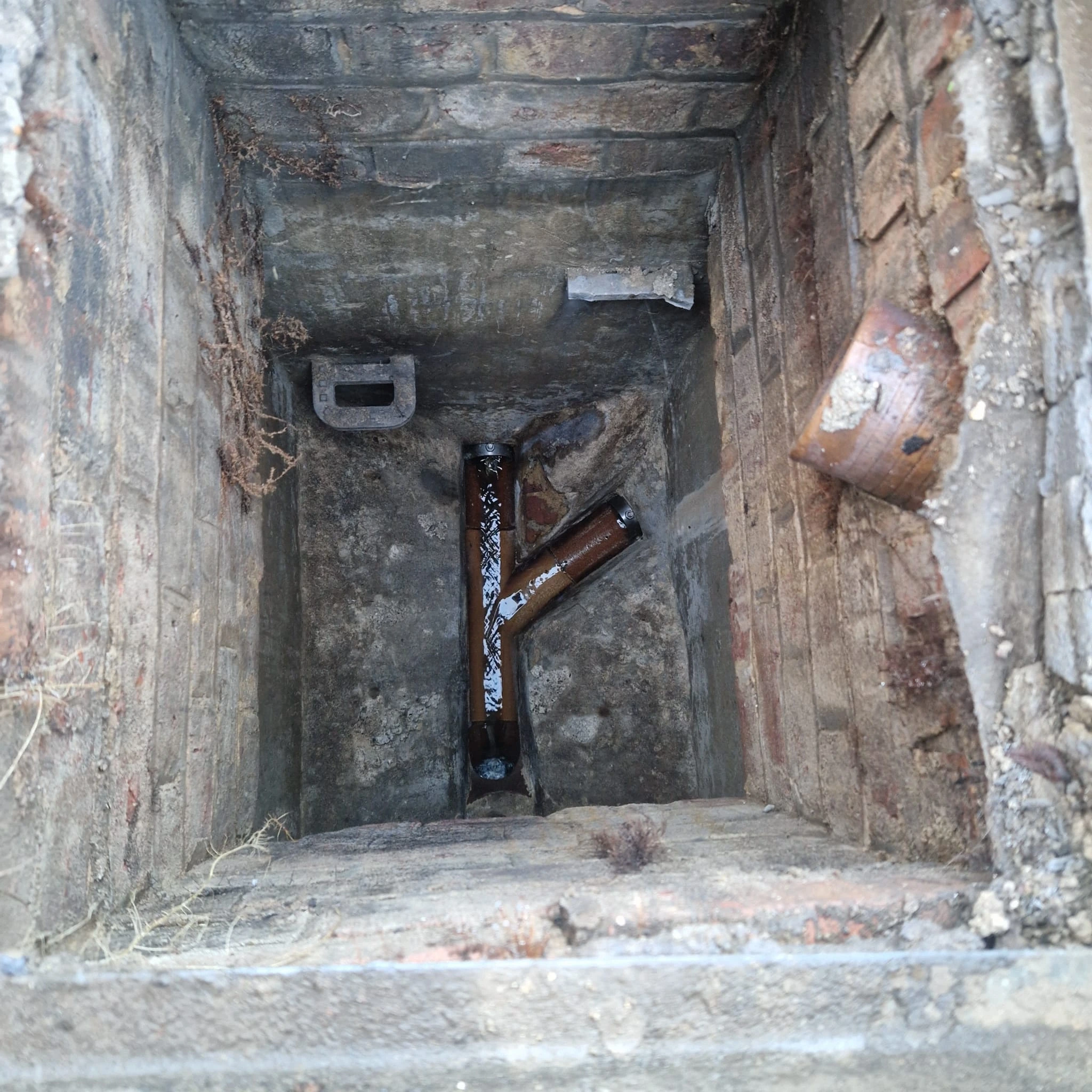
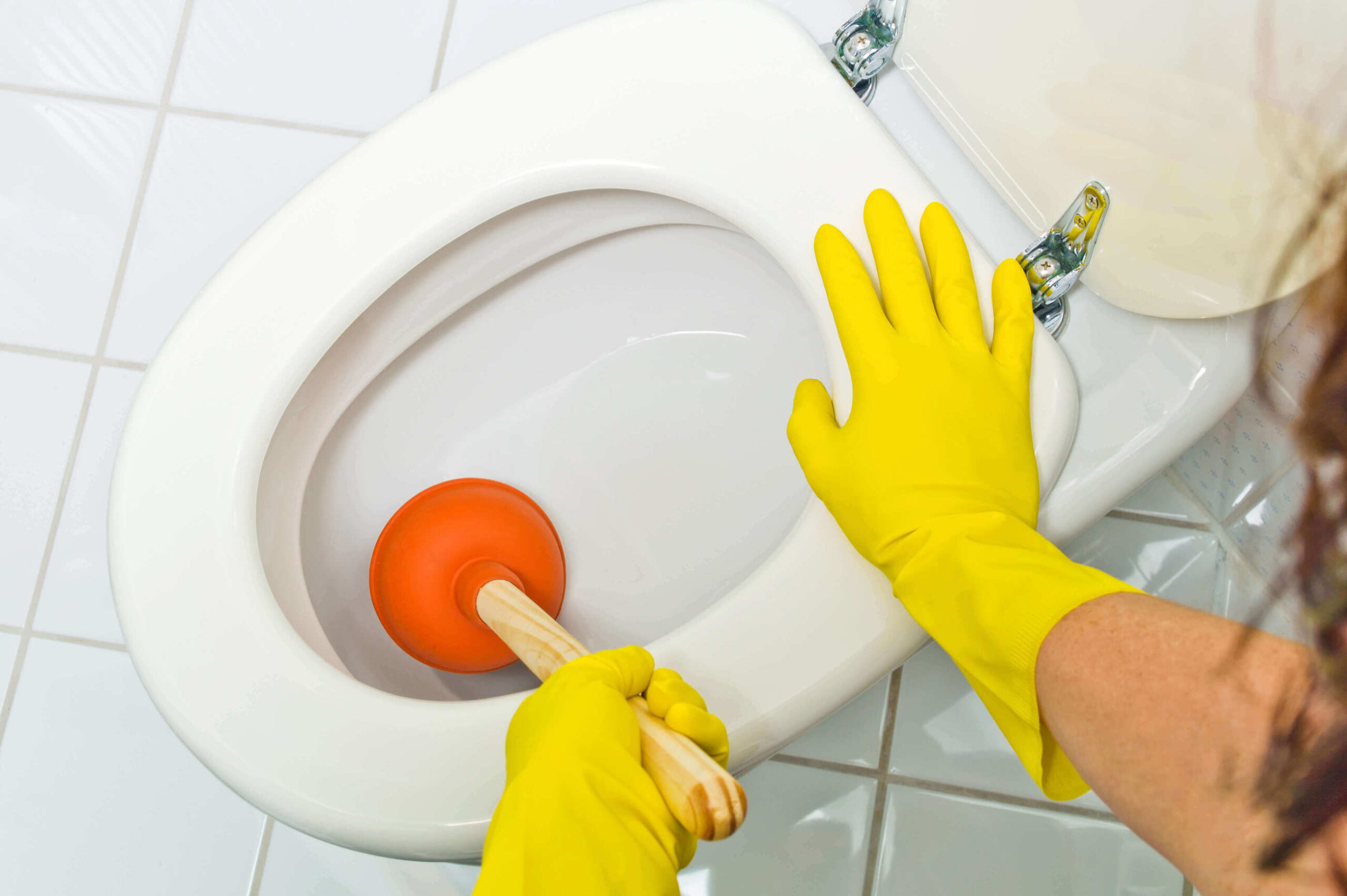
Rats coming through toilets is the most alarming symptom. You may see a rat emerge when flushing, or find evidence of gnawing around the cistern or pipework. This means the infestation has progressed from the main sewer into your branch drainage line.
Other red flags include a sudden foul smell near drains, even after cleaning; movement sounds within walls near pipework; or multiple blocked sections that recur within days despite rodenticide application. Traps set above ground catch nothing because the colony lives in the pipes themselves.
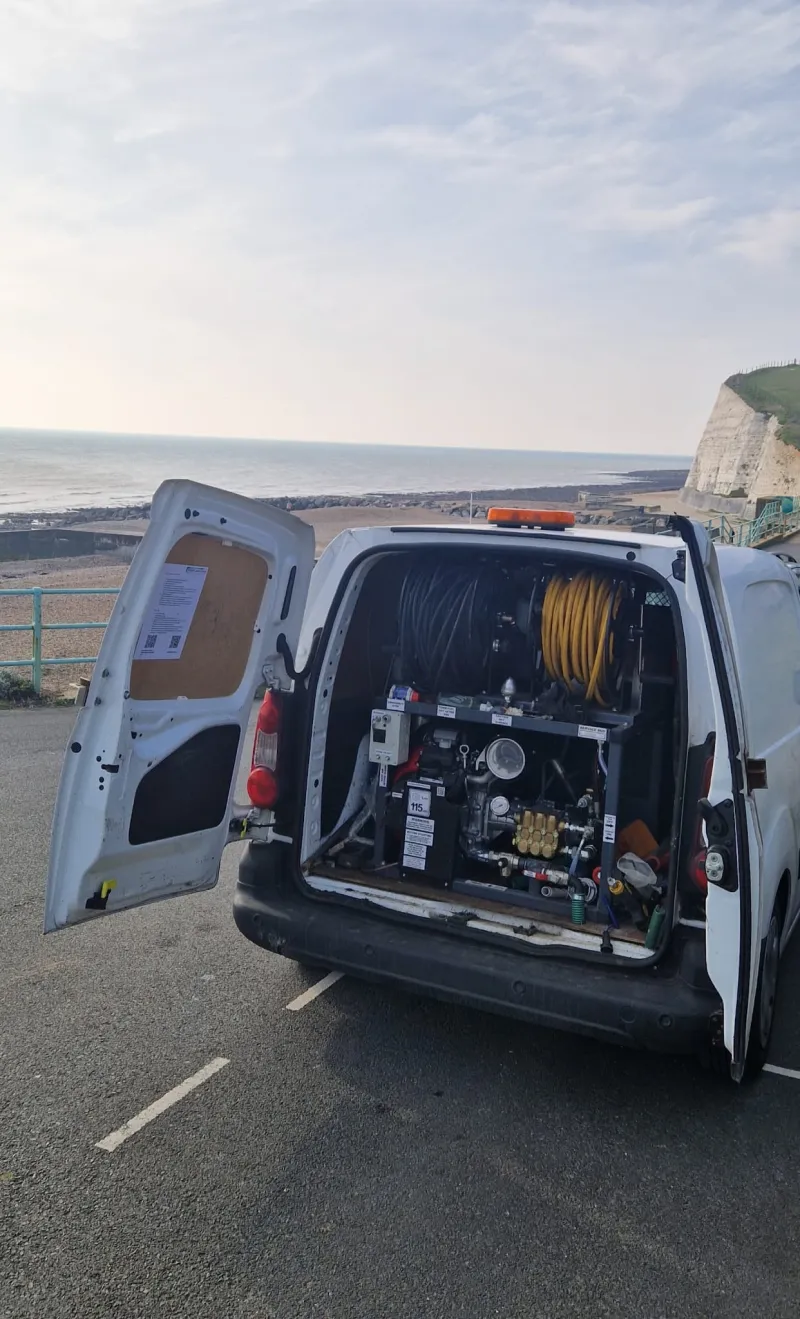
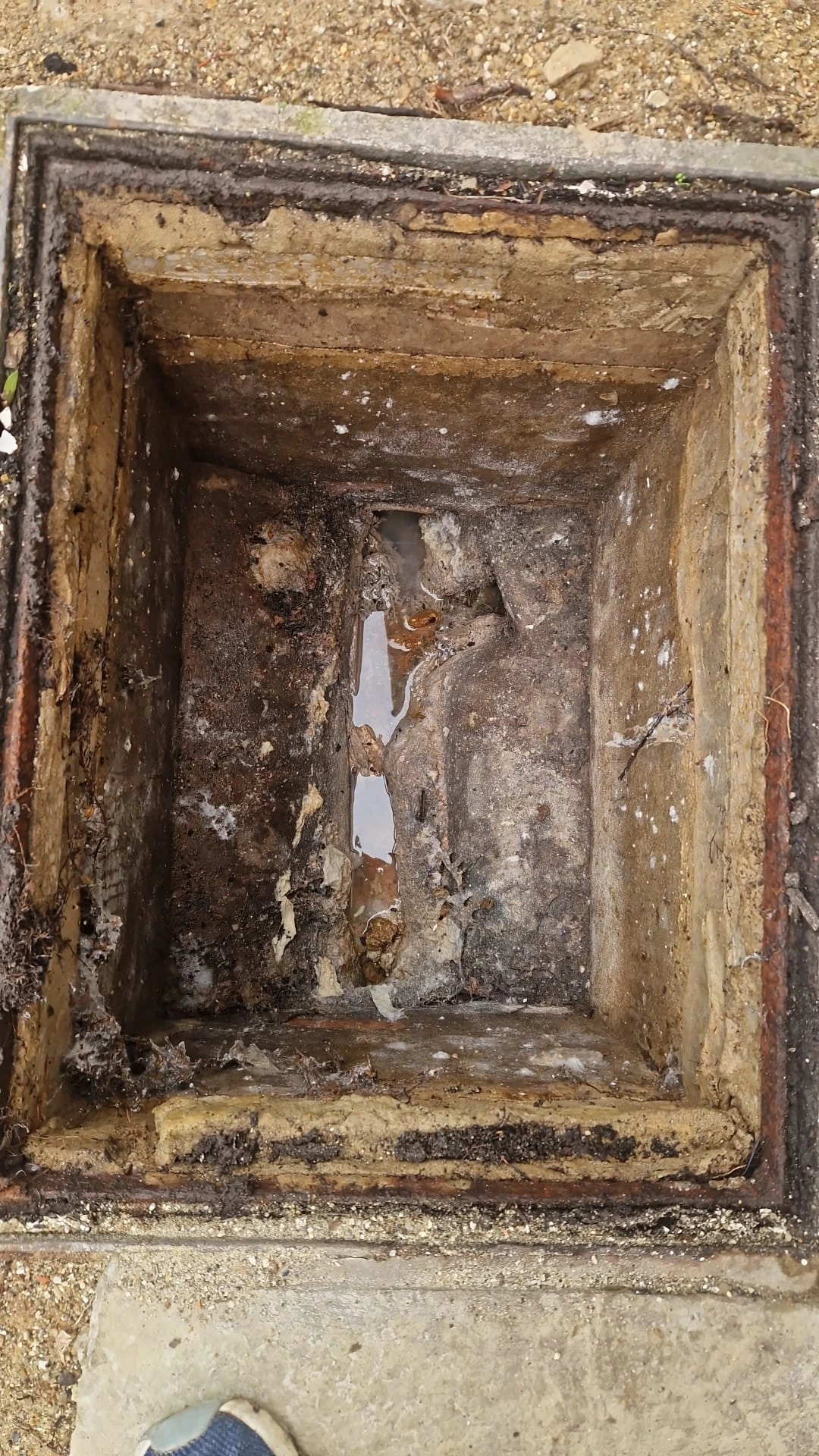
The only reliable way to confirm rats in drains and locate their exact entry route is a CCTV drain survey. A camera rig is fed through your system, showing every crack, joint, and breach in high definition. This single diagnostic step transforms guesswork into actionable data.
CCTV Surveys and Rat Blockers: The Permanent Fix
Once you have confirmed rats coming through toilets or other drain outlets, you face two primary solutions: install a rat blocker (sometimes called a rat gate drain), or repair the damage. The right choice depends on the survey findings and your budget.
A CCTV drain survey costs £150–£300 and typically takes one hour. The engineer will map your entire system, identify all breaches, measure their dimensions, and photograph them for your records. This becomes your specification document for repairs or upgrades.
A rat blocker drain is a one-way flap valve installed at a strategic point in your drainage—usually where the main line exits the property towards the public sewer. It allows waste and water to flow out but prevents anything (including rats) from flowing back in. Installation costs between £250 and £400. The device itself is robust, typically lasting 10–15 years, though it may need servicing if blockages reduce its functionality.
The rat blocker is ideal if your survey shows minor damage (surface cracks, cosmetic joint deterioration) in a limited section. It’s a fast, non-invasive fix that blocks re-entry even if the underlying defect remains.
However, if your survey reveals collapsed sections, multiple large fractures, or displaced joints across a substantial length, repair is essential. Patching individual cracks prolongs the problem; the entire run must be replaced or relaunched (a process where a new internal pipe is installed inside the old one).
Cost Breakdown: Rat Blocker vs. Pipe Repair
Understanding the financial picture helps you decide on the right intervention. Below is a realistic cost comparison based on current UK market rates:
| Solution | Typical Cost | When to Use |
|---|---|---|
| CCTV Drain Survey | £150–£300 | Always first step; mandatory diagnostic |
| Rat Blocker (Gate) Installation | £250–£400 | Minor surface damage; quick fix needed |
| Single Pipe Section Repair (up to 5 metres) | £800–£1,500 | Localised fracture or collapse |
| Full Main Line Replacement (10–15 metres) | £2,000–£5,000+ | Extensive damage; multiple entry points |
| Pipe Relining (trenchless; 10–15 metres) | £1,500–£3,000 | Extensive damage; no excavation |
A homeowner in South London recently discovered a cracked clay pipe behind her property. A CCTV survey (£220) revealed the exact location and extent. She chose a rat blocker (£350) for immediate protection, then scheduled a phased pipe replacement (£1,800) over the following quarter. Total investment: £2,370. Without the survey, she might have spent £4,000+ on guesswork repairs that left the underlying defect intact.
The cost-saving strategy: always begin with a survey. A survey costs a tenth of a repair but provides the intelligence to avoid unnecessary work.
Why Pest Controllers Alone Won’t Solve Rats in Drains
A pest controller can reduce surface activity by 60–70%. But if the underlying pipe damage remains, re-infestation is guaranteed within weeks or months. Rats are prolific; a single gravid female can establish a colony of fifty within eight weeks. Rodenticide, traps, and poison in your garden are damage control, not cure.
The drainage-first approach—identify the breach, seal or repair it, then install preventative measures—is the only permanent solution. Licensed drainage engineers bring structural expertise that pest controllers do not possess. They understand pipe materials, joining methods, soil conditions, and the logic of water flow. That knowledge translates directly to identifying where rats can and cannot access your system.
Common Questions About Rats in Drains
Can a rat blocker drain be installed if I don’t know where my main sewer connection is?
Not safely. A CCTV survey will locate your main line and identify the optimal installation point. Installing a rat blocker in the wrong location (such as a branch line rather than the main exit) leaves you vulnerable. A survey is non-negotiable before any installation work.
What happens if I ignore rats in drains?
The colony will expand, spreading throughout your entire drainage network and potentially into neighbouring properties via shared sewers. Damage to pipework will worsen, leading to collapses that require excavation and major repairs costing thousands of pounds. Early intervention is drastically cheaper than letting the problem mature.
Are modern new-build homes protected against rats coming through toilets?
New builds with properly installed modern plastic drainage and modern plumbing codes are far more resistant. However, poor workmanship during construction, subsidence, or nearby tree roots can still create vulnerabilities within a decade. Prevention (rat blocker installation) costs less than the certainty of eventual remedial drainage work.
How do I know if a CCTV drain survey will identify all the damage?
A standard CCTV survey scans the visible length of your pipework from access point to access point. If there are sections without accessible chambers, those sections may not be surveyed. Discuss coverage with your engineer before the job; they can advise whether additional scope (extended surveys, dye testing) is needed to rule out blind spots.
Can tree roots and rats in drains occur together?
Yes, frequently. Tree roots exploit the same fractures and poor joints that rats use. A CCTV survey will show both. A single repair addressing the underlying structural defect will prevent future root ingress and rat entry simultaneously.
Is a rat blocker a permanent solution?
A rat blocker is a permanent barrier against re-entry, provided it is properly installed and maintained. However, it does not repair underlying pipe damage. If your survey revealed significant cracks or collapses, the underlying defect will eventually worsen and require repair regardless of the blocker. Use a blocker as a first line of defence, not as a substitute for structural fixes.
The Case for Acting Now
Rats breed exponentially. A pair of rats becomes twenty within three months. Treatment delays multiply the eventual cost and difficulty. Early detection via CCTV cost you £200–£300. A mature infestation requiring full pipe replacement and professional pest remediation costs £5,000–£10,000 and takes months to resolve.
If you suspect rats in drains or have experienced rats coming through toilets, the only rational first step is a CCTV survey. It costs less than a week’s pest control visits and gives you the exact intelligence you need to make repair decisions with confidence.
Many homeowners also benefit from understanding how heat affects the drainage system, as temperature fluctuations can accelerate pipe degradation and widen existing gaps.
For immediate action on suspected infestations, emergency drainage services can often deploy a survey team within 24 hours in London and the South East.
Your Next Move
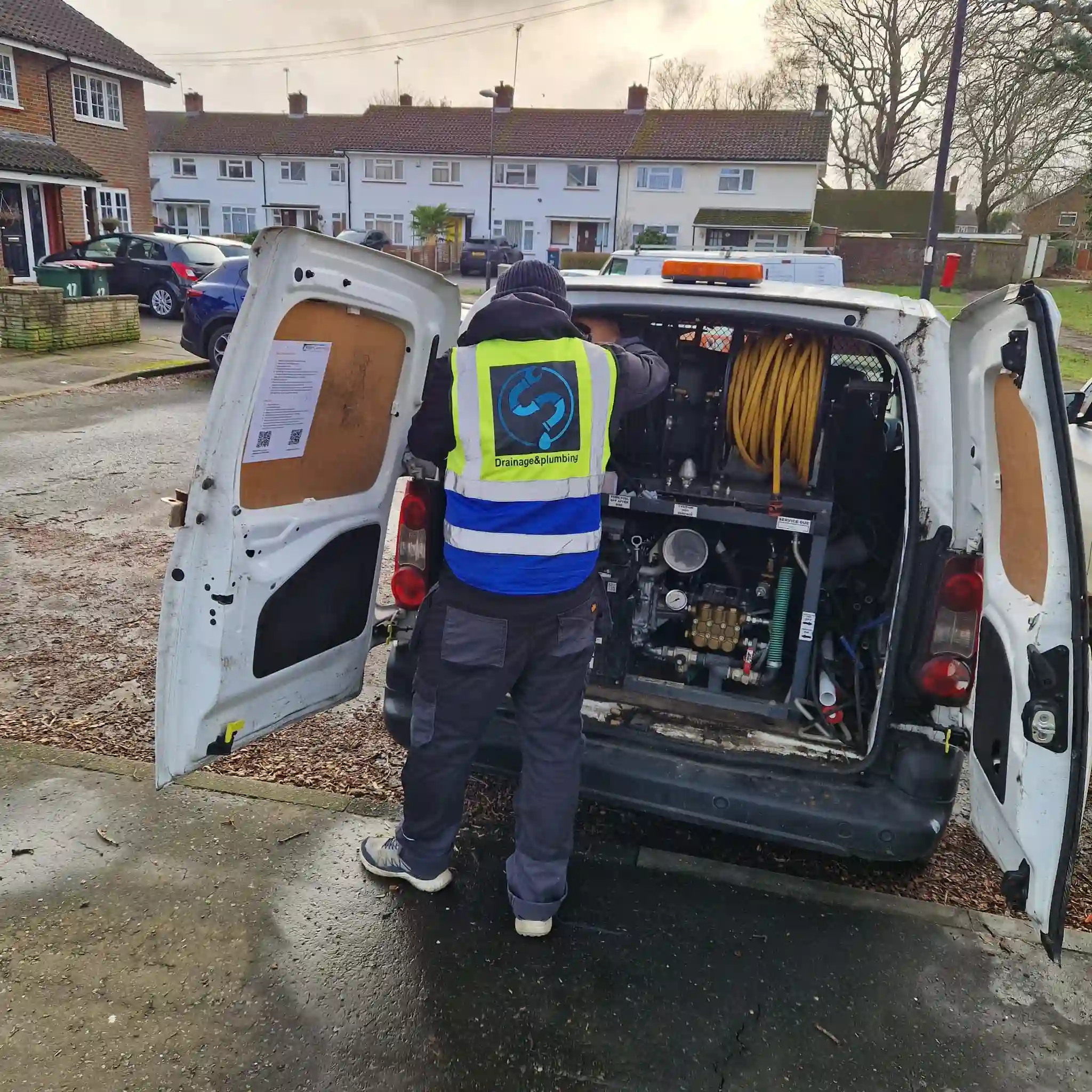
Contact us to book a CCTV drain survey. The engineer will inspect your entire system, photograph all defects, and provide a written specification for repairs or upgrades. You will then have certainty—not suspicion—about the scope and cost of your problem. Most surveys are completed within 48 hours. Once you have the data, you can choose between a rat blocker, pipe repair, or a combination of both, knowing exactly what you’re paying for and why.
The average homeowner saves £2,000–£3,000 by acting on CCTV findings at the early stage rather than waiting for full-blown collapses or pest control failure. Don’t let rats in drains drain your finances. Book your CCTV survey today.
For queries about responsibility and liability, read our guide on who is responsible for blocked drains—understanding your position is the second critical step after diagnosis.
Additional Resources:
No comments yet. Be the first to leave a review.
Comments are closed for this post.