
 Admin
Admin 
Soakaway Installation Cost: Real UK Prices and What You’ll Actually Pay in 2026
If you’ve got a waterlogged garden or surface water pooling after heavy rain, you’ve likely heard that a soakaway is the answer. But before you ring round three contractors and get three wildly different quotes, you need to understand what you’re actually paying for. This guide breaks down soakaway installation cost in real pounds, based on genuine UK trade quotes and site conditions that affect your final bill.
A soakaway is a below-ground pit filled with permeable material that lets rainwater drain naturally into the soil. It’s a Building Regulations Part H requirement for new properties and extensions, and it saves you money on mains drainage fees. The cost, however, varies enormously depending on size, ground conditions and site access.
Table of Contents: How to unblock drains outside
What Is a Soakaway and Why You Need One
A soakaway is a lined or unlined pit, typically 1 to 2 metres deep and filled with coarse gravel or recycled aggregate. Water from gutters, downpipes or surface drainage flows into it, percolates through the material, and slowly filters into the surrounding soil. The whole system works passively — no pumps, no ongoing maintenance beyond clearing the inlet grate.
Building Regulations Part H (Surface Water Drainage) now makes soakaways mandatory for new builds and extensions unless the ground is unsuitable or the property drains to mains sewers. Even if you’re not building, installing one in a waterlogged garden can prevent flooding and reduce garden subsidence caused by standing water.
Average Soakaway Installation Cost by Size
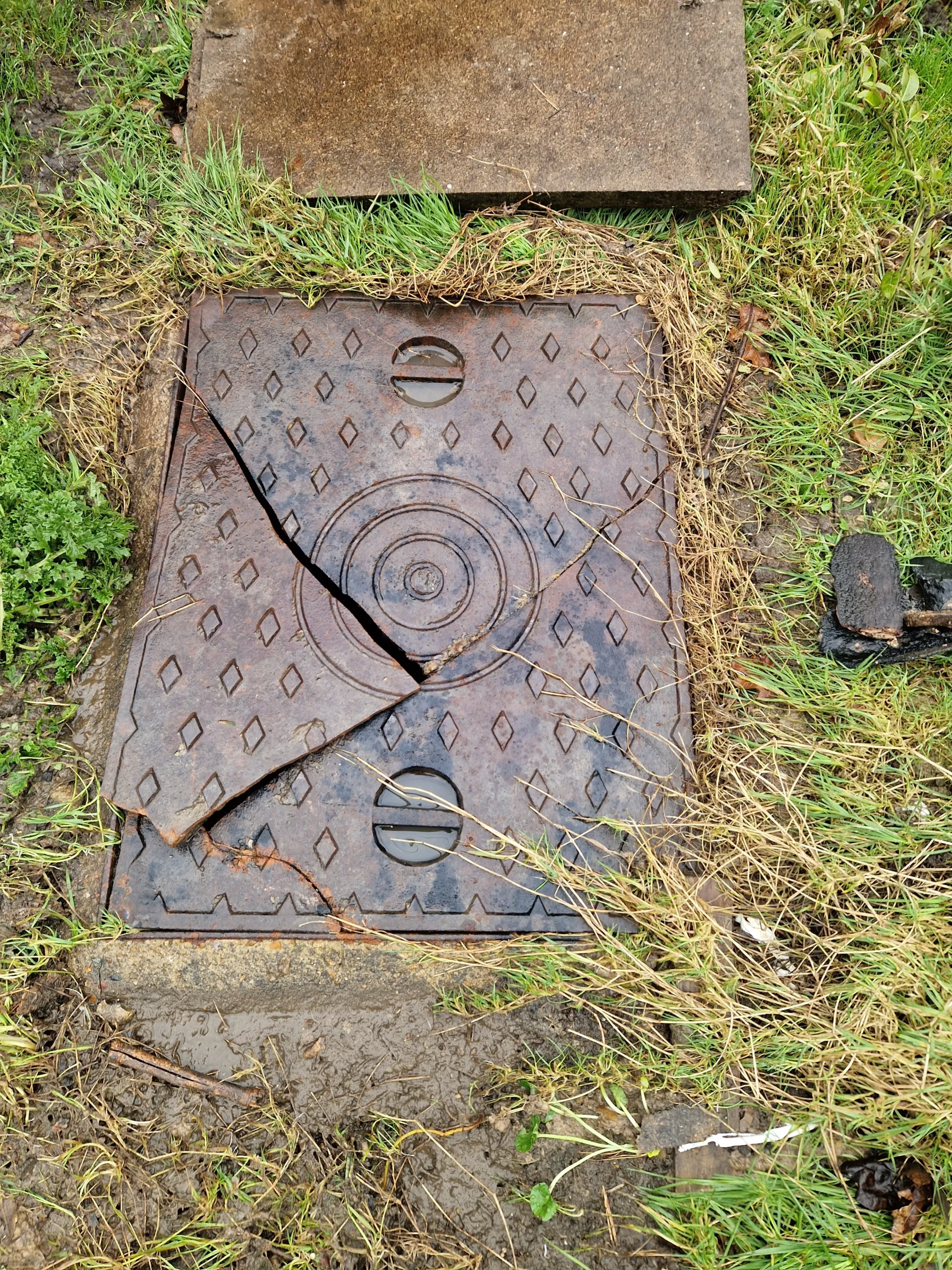
Soakaway prices in 2026 break down broadly by capacity. The most common domestic sizes are 190 litres (small garden sheds), 333 litres (standard gardens), 800 litres (larger homes) and 950 litres (new builds with significant roof area).
A 190-litre soakaway typically costs £630–£840 fitted. A 333-litre unit runs £730–£940. For 800 litres, expect £880–£1,250. And a full 950-litre installation ranges from £1,060–£1,330. These are labour-inclusive quotes from established UK drainage contractors with Building Regs certification.
The variation within each size bracket reflects site difficulty: easy access, known good drainage and standard ground conditions sit at the lower end. Difficult access, poor soil, muck-away costs and percolation testing push figures toward the upper range.
Cost Breakdown Table: Real UK Price Ranges
Here’s a transparent view of what you’ll see on quotes from reputable contractors across the UK:
| Soakaway Capacity | Typical Use | Labour Only | All-In Cost (£) |
|---|---|---|---|
| 190 litres | Small garage/shed roof | £280–£360 | £630–£840 |
| 333 litres | Detached bungalow or extension | £310–£400 | £730–£940 |
| 800 litres | Standard new build or large detached | £360–£480 | £880–£1,250 |
| 950 litres | Large family home with extension | £420–£540 | £1,060–£1,330 |
All figures include excavation, installation, backfill and basic site reinstatement. VAT is additional at 20%. Costs do not include percolation testing, muck-away or ground stabilisation.
What Affects Your Soakaway Installation Cost
Ground Conditions and Percolation Rate
This is the biggest variable. If your soil drains well (sandy loam, chalk), a standard soakaway works quickly and costs less. If you’ve got heavy clay or silt, water moves slowly through the ground, and you may need a larger soakaway — or a secondary drainage solution like a french drain installation.
A proper percolation test — which involves digging a hole, filling it with water, and measuring how fast it drains over 4 hours — can add £150–£300 to your quote, but it’s essential data. Poor drainage means contractors may reject the site or recommend a significantly larger (and more expensive) unit.
Site Access and Existing Obstacles
If the soakaway needs to go through a patio, under a path, or in a narrow side passage, labour climbs. Similarly, if tree roots, buried utilities or hard landscaping block easy digging, contractors factor in extra time and potentially hire specialist plant hire. Easy, open-ground installations drop toward the lower end of the price range.
Muck-Away and Spoil Removal
An 800-litre soakaway means excavating roughly 1 to 1.5 cubic metres of soil. If the site is confined or the soil is contaminated or unsuitable for reuse, that spoil must be removed by skip or specialist waste contractor. Muck-away alone can add £150–£400 depending on volume and local waste charges.
Building Regulations Approval and Certification
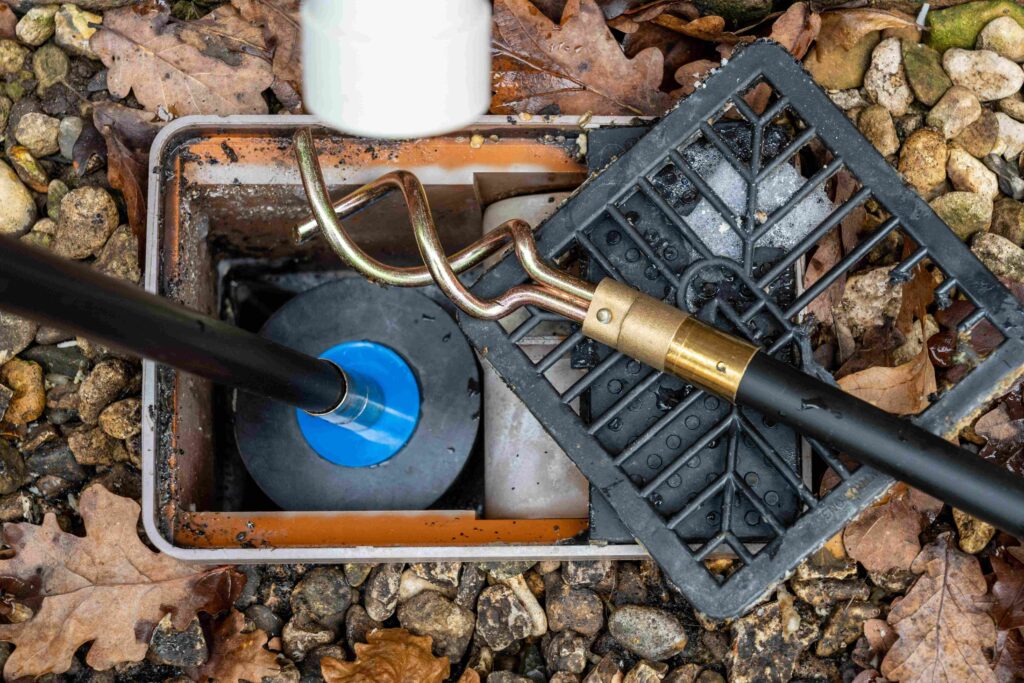
Soakaways for new builds must be inspected by Building Control and certified. This adds roughly £80–£150 to your bill if the installer is handling the paperwork. Retrofit soakaways for existing properties don’t always need formal sign-off, but drainage consultants often recommend independent certification for peace of mind.
Seasonal Weather and Ground Water Levels
Autumn and winter bring higher ground water tables. If you’re digging when the water table is high, contractors may need to pump out water or install temporary drainage, which bumps costs. Spring and summer are cheaper seasons to install a soakaway.
DIY vs Hiring a Professional Installer
The DIY Case
You can save £200–£400 on labour by digging and assembling a soakaway yourself if the site is straightforward and you’re comfortable with a spade and wheelbarrow. You’ll buy the materials (crate or soakaway chamber, geotextile, gravel, inlet grating) for roughly £300–£600 depending on size.
The risk: if you misjudge depth, miss a percolation test, or fail to protect the crate properly, you’ve wasted the materials and still need to call a professional to fix it. Building Control won’t sign off on an unqualified installation, which means no warranty and potential liability if surface water floods a neighbour’s land.
The Professional Route
A qualified installer handles the percolation test (if needed), calculates the exact size, digs safely, installs to Building Regs, and gives you a certification and warranty. You avoid the physical labour and the risk of an unsuitable installation. Professional work costs more upfront but is backed by insurance and compliance guarantees.
If your property is new or you’re selling in the next decade, a certified installation is worth the extra cost. If you’re retrofitting an old cottage and ground conditions are known to be good, a modest DIY soakaway is often low-risk.
Percolation Tests and Ground Investigation
When Is a Percolation Test Required?
Building Regs Part H requires a percolation test if the soakaway is for a new build or if existing site conditions are unknown. If you’re replacing a failed septic tank with a soakaway, a test is mandatory. For retrofitting a waterlogged garden solution, a test is best practice.
What the Test Involves
A contractor or drainage engineer digs a 300mm-diameter trial hole to the proposed soakaway depth (typically 1.2–1.5m). They fill it with water and measure how much drains in 30 minutes. They repeat this four times over 4 hours. The average drainage rate tells them whether the soil will support a standard soakaway or whether you need a larger unit, a secondary system, or alternative drainage.

Real Example: When Ground Conditions Drive Costs Up
A detached home in Tunbridge Wells required a 333-litre soakaway for a new build extension. Initial quote was £780. A percolation test (£180) revealed clay subsoil with very slow drainage (15mm per hour, well below the Building Regs threshold of 100mm/hour). The designer then specified an 800-litre soakaway instead, and the final cost rose to £1,140. The extra £360 came from the larger crate, more excavation, and additional material. Without the test, the smaller soakaway would have failed Building Control inspection.
Choosing the Right Size and Contractor
Sizing Your Soakaway
Your soakaway must handle the total roof area draining to it. A rule of thumb: every 100 square metres of roof needs roughly 100 litres of soakaway capacity for a 1-in-10-year rainfall event. Larger capacity is always safer and more reliable in wet UK winters.
Use the GOV.uk Building Regulations guidance on roof drainage to estimate your roof area, or ask a contractor to measure it for you.
Finding a Reputable Installer
Look for contractors with Building Control approval and drainage certification (FTTP, CIAT, NRSWA or equivalent). Ask for three quotes and check that each one includes a percolation test or site appraisal. Request written confirmation of soakaway size, materials, depth, and whether muck-away and Building Regs certification are included.
Compare not just the price but the scope of work. A £900 quote that omits percolation testing is not cheaper than a £1,050 quote that includes it.
Timing and Seasonal Pricing
Spring and summer quotes are typically 5–10% lower than autumn and winter because ground water is lower and digging is easier. If you can delay the work until May or June, you’ll save money. Conversely, if surface water is pooling now in your garden, waiting may allow more damage to foundations or paths, so the cost of delay can outweigh the seasonal saving.
Common Questions About Soakaway Cost
Can I reduce the cost by using a smaller soakaway?
Not without risk. An undersized soakaway floods or overflows during heavy rain, defeating its purpose and potentially damaging your property. Building Control won’t approve it. The cost saving — perhaps £100–£150 — isn’t worth the liability.
What if the soakaway fails after installation?
A properly installed soakaway by a qualified contractor usually carries a 2–5 year workmanship warranty. If it fails within that period, the installer is responsible for remedial work. Always insist on a written warranty and ask whether it covers drainage failure or just installation defects.
Are there grants or funding for soakaway installation?
Building Regulations compliance for new builds is mandatory and not typically grant-funded. Some councils or water companies offer flood prevention grants for retrofitting gardens with sustainable drainage, but these are rare and often restricted to flood-risk areas. Check with your local authority or water company.
Do I need planning permission for a soakaway?
In most cases, no. Soakaways are exempt development under Town and Country Planning regulations. However, if your property is listed or in a conservation area, check with your local planning authority first. Building Regs approval is always required for new builds; it’s wise for retrofits too.
Real UK Cost Example: A Case Study
A homeowner in Greater London had persistent garden flooding after new decking and patio work disrupted surface water drainage. The garden soil was suspect (previous site was a small industrial unit). They obtained quotes from three contractors:
Quote 1: £850 for a 333-litre soakaway, no site appraisal or percolation test. (Red flag: no baseline data.)
Quote 2: £980 for a 333-litre soakaway, including a percolation test and certification. Soil drainage rate was borderline, so designer flagged a risk of seasonal overflow.
Quote 3: £1,210 for an 800-litre soakaway, with percolation test, muck-away, and full Building Regs certification. Report advised larger capacity due to unknown subsurface contamination.
The homeowner chose Quote 3. After installation, the soakaway passed a follow-up CCTV inspection and has managed heavy rainfall without overflow for two years. The extra £230 cost (versus Quote 2) bought professional risk mitigation and genuine peace of mind.
Action Checklist Before You Call a Contractor
- Measure or estimate your roof area using satellite imagery or your architect’s drawings.
- Identify the proposed soakaway location — easy access or tight spot?
- Check your soil type locally (sandy, clay, chalk) via the BGS Soil Portal or a simple visual inspection.
- Ask whether your local Building Control requires certification (most do for new builds; check for retrofits).
- Request three written quotes specifying soakaway size, labour, materials, percolation testing, muck-away and certification.
- Ask each contractor for references and Building Regs approval evidence.
- Confirm warranty and what happens if performance fails within two years.
Understanding soakaway installation cost gives you the confidence to negotiate fairly and avoid overpricing or, worse, an unsuitable installation that fails when you need it most. The £100–£200 you spend on a proper site appraisal and quote now will save you thousands in remedial drainage work later.
Ready to get a solid quote? Book a soakaway site survey with our drainage specialists — we’ll assess your ground, calculate the right size, and provide a fixed, transparent price with no hidden add-ons. Our CCTV and site inspection team can also check existing drainage to rule out simpler blockages before you invest in a new soakaway.
Don’t guess on soakaway installation cost. use the contact form below to book a soakaway survey today. We’ll give you a realistic price based on your site, not a generic estimate.
Related reading: How to clear a blocked downpipe — often the first step in diagnosing garden drainage issues — and our guide to DIY drain cleaning for surface water channels that feed the soakaway.
Understanding how to unblock drains outside early helps you budget and avoid bigger repair bills later. Our local engineers deal with how to unblock drains outside across South East England every week.
No comments yet. Be the first to leave a review.
Comments are closed for this post.