
 Nima Fazli-Pour
Most drainage advice tells Coulsdon homeowners to fear their garden trees — but the tree was never the problem; the leaking joint that invited it in was. Once you flip that assumption, drain root ingress prevention Coulsdon stops looking like a battle against nature and starts looking like a simple maintenance choice: reactive repair versus proactive care. This guide compares both paths so you can pick the one that actually protects your pipework.
Reactive Repair vs Proactive Prevention: Which Path Costs Less?
Picture two neighbouring houses on the same tree-lined Coulsdon street, both built on the same 1930s clay drainage runs. One owner waits until the sink gurgles and the garden smells of sewage before calling anyone. The other books a check-up every couple of years. Within five years, one has paid for an emergency excavation; the other has spent a fraction of that on routine care. That gap is the entire argument for prevention over reaction.
Why Reactive Repair Usually Loses
Waiting for symptoms means roots have already had months, sometimes years, to fan out inside the pipe. By the time water backs up after every heavy use, you are often looking at root cutting, high-pressure jetting, or in severe cases full excavation — all booked as an emergency rather than planned on your terms.
Why Proactive Prevention Usually Wins
Catching a hairline crack or early root hair before it develops into a blockage turns a potential dig-up into a same-day clean or a small localised repair. Coulsdon’s mature street trees and older clay pipe networks make this comparison especially relevant — the borough’s tree cover is exactly the condition that rewards early action and punishes delay.

CCTV Survey vs Guesswork: How to Actually Know What’s Happening Underground
You cannot manage what you cannot see, yet many households still choose guesswork — pouring a chemical drain cleaner down the sink and hoping for the best. Compare that to a CCTV drain survey, where a camera is fed directly into the pipe run and the engineer watches the actual condition of your joints and walls on a screen in real time.
What Guesswork Gets Wrong
Surface symptoms like slow drainage or a faint smell near the lawn tell you something is wrong, but not where or how bad. Treating blind means you might clear a symptom while the actual root intrusion, cracked joint, or pipe displacement continues to worsen out of sight.
What a CCTV Survey Gets Right
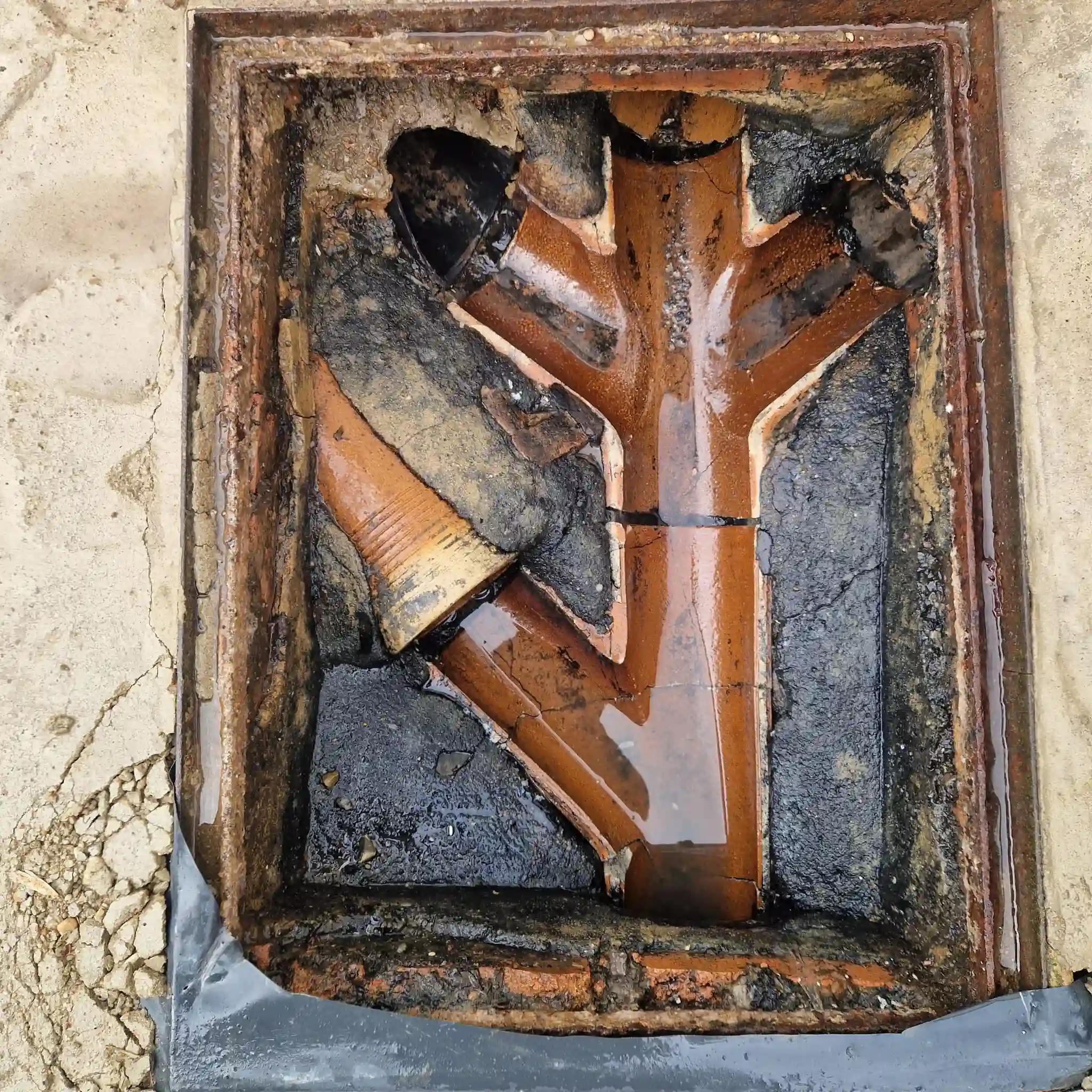
A professional CCTV drain survey every 12 to 24 months pinpoints the exact metre marker where roots are entering, distinguishes a minor root hair from a structural crack, and gives you evidence to plan the right fix rather than the first fix. Under the Water Industry Act 1991, responsibility for private drains up to the boundary typically sits with the homeowner, so knowing the true condition of your own pipework — rather than assuming it’s fine — is the only way to budget and plan sensibly. Design and construction standards such as BS EN 752 also underline why properly sealed, well-maintained drain runs matter for long-term performance.
Natural Maintenance vs Chemical Treatment: Choosing Your Long-Term Fix
Once a survey confirms early root activity, homeowners face another choice: reach for harsh chemical drain cleaners or adopt gentler, enzyme-based maintenance that works with your pipe system rather than against it. Chemical products can offer a quick surface fix but do little to discourage roots from returning, and repeated use can degrade older clay and plastic pipework over time. Bio-enzyme treatments, used monthly, break down organic build-up and make the pipe interior a less attractive target for root growth, while being safer for pets, garden soil, and local watercourses.
Deciding between the two doesn’t need to be complicated. Use the checklist below to put proactive drain root ingress prevention Coulsdon into practice this year.
- Book a CCTV drain survey to establish a baseline condition for your pipe run.
- Add a monthly bio-enzyme treatment instead of harsh chemical cleaners.
- Map where mature trees sit relative to your drainage route.
- Keep new trees and large shrubs at least as far from drains as their expected mature height.
- Act on any early root reading with jetting or root cutting immediately, not next season.
- Ask about drain relining if roots have already returned more than once.
- Re-survey every 12 to 24 months to confirm the prevention plan is holding.
For homes with recurring intrusion despite good maintenance, no-dig drain relining is worth comparing against repeated cutting: relining seals joints and cracks permanently, so roots lose their entry point altogether, whereas root cutting alone simply resets the clock until regrowth. It costs more upfront but frequently proves cheaper than another decade of call-outs. If your garden is already struggling with standing water alongside drainage concerns, it’s worth reading about waterlogged garden solutions as a related fix. And if a blockage catches you out before your next scheduled survey, our guide to drain unblocking across South London covers what to expect from an emergency callout.
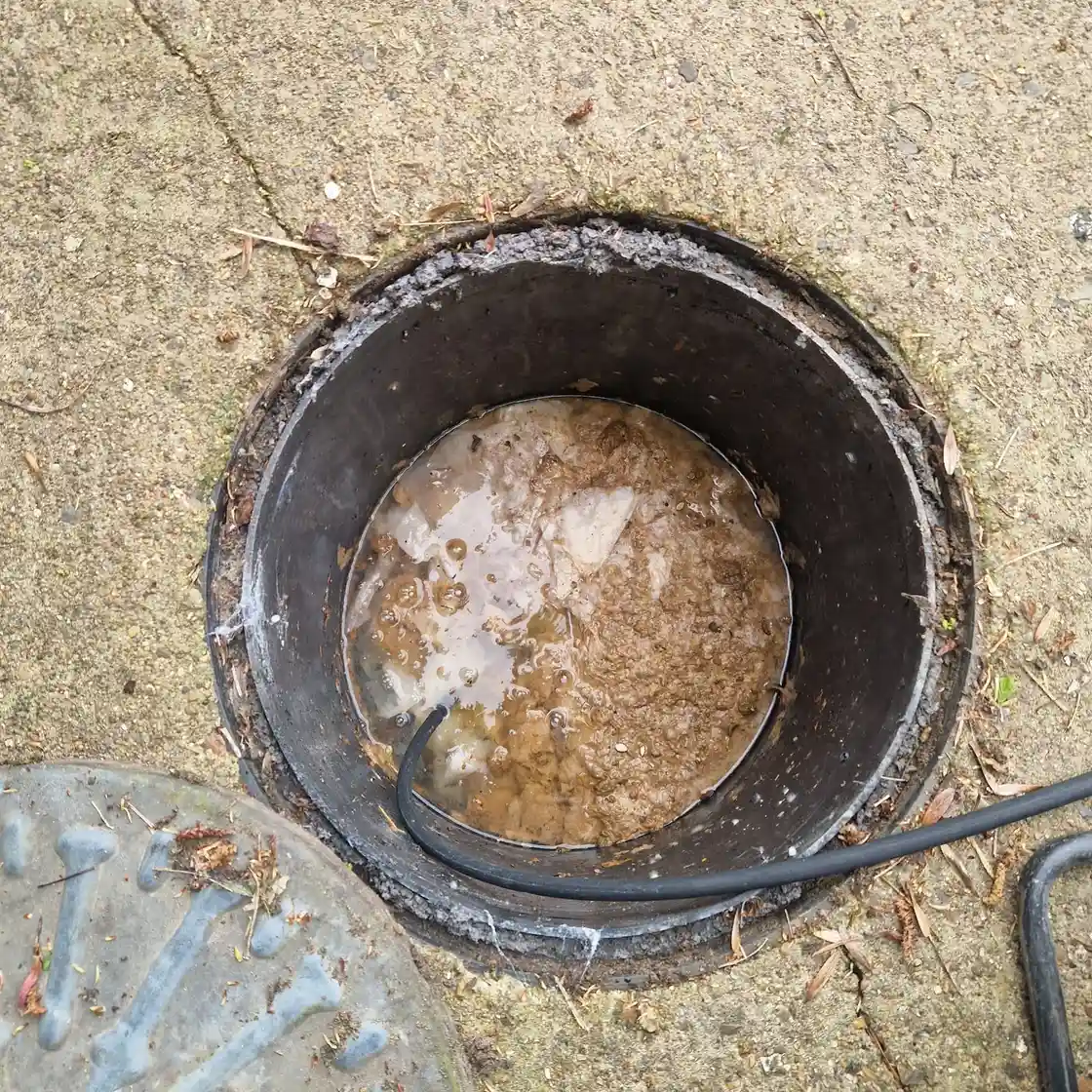
Back to those two neighbours: the one who chose proactive prevention never had to explain a collapsed drain to a loss adjuster, never dug up a patio in a hurry, and never lost a weekend to an emergency call-out. The comparison isn’t close. If you’d rather plan your drain’s future than react to its failure, our team can run the CCTV survey, apply the right root treatment, and advise on relining where it’s genuinely needed — honest assessments, transparent pricing, and no pressure to over-spec the job. Call Drainage & Plumbing Ltd today to start protecting your Coulsdon drains before roots make the decision for you.
No comments yet. Be the first to leave a review.
Comments are closed for this post.