
 Admin
Admin 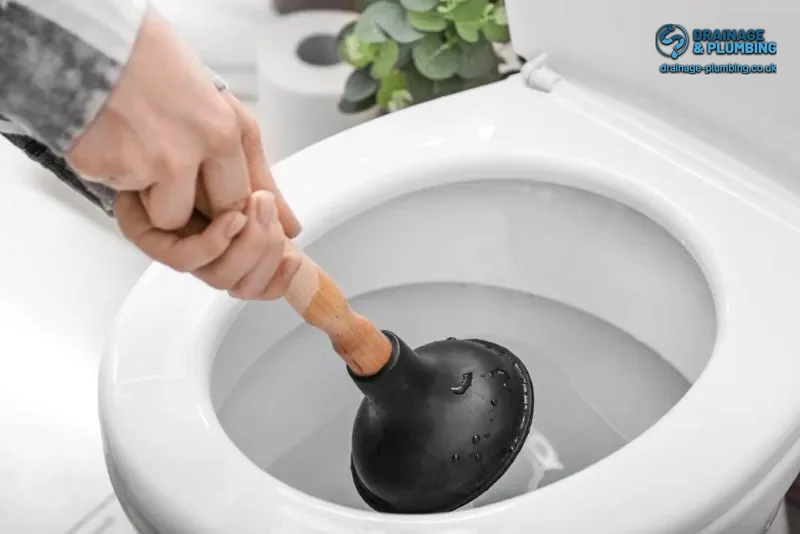
It’s 6am, the bathroom light is buzzing, and the water in the bowl is rising instead of draining — that gut-drop moment before you even smell what’s coming. Most people searching how to unblock toilet sink issues assume it means a ruined morning and a costly callout, but that’s the first myth worth busting.
Myth: A Blocked Toilet Always Means a Burst Pipe or Sewer Collapse
The panic response to a slow-draining toilet is to assume the worst — a collapsed pipe, tree root intrusion, or a failed sewer connection. In reality, the vast majority of household toilet blockages are caused by something far simpler: too much paper, a “flushable” wipe that never actually breaks down, or sanitary products expanding on contact with water. Toilets are designed to carry away human waste and paper only — nothing else disintegrates fast enough to pass through a 100mm soil pipe.
Knowing how to unblock toilet sink drains starts with understanding what’s actually stuck. A soft wad of paper usually responds to a plunger within minutes. A solid object — a toy, a cotton pad, a bar of soap — needs mechanical help, like a toilet auger, because no amount of hot water or fizzing chemistry will shift it. If every drain in the house is slow at once, that’s a different problem entirely, and it points toward the shared drain run rather than a single fixture.
Myth: Chemical Drain Cleaners Are the Fastest, Safest Fix
Supermarket shelves are stacked with caustic drain cleaners promising to melt a blockage in minutes. The reality is less convincing: these products can generate heat inside the pipe, they’re hazardous to handle without proper ventilation, and repeated use gradually corrodes older pipework — particularly the cast iron and clay sections still common in South East England’s Victorian and Edwardian housing stock. The Health and Safety Executive classifies many of these formulations as corrosive substances requiring careful handling, which tells you something about what they’re doing to your pipework, too.
A safer sequence for a toilet blockage looks like this: start with a flange plunger, pushing down gently first to expel trapped air before plunging vigorously 15–20 times. If that fails, baking soda and vinegar (one cup of each, left for 30 minutes) can loosen softer, organic clogs without the corrosive risk. For anything still stuck after that, a toilet auger reaches further into the trap than a plunger ever can, physically hooking or breaking up the obstruction rather than relying on chemistry.
DIY Unblocking: Pros
- Free or low-cost using tools already at home
- Resolves the majority of simple paper or waste clogs within the hour
- No waiting around for a callout on a minor blockage
DIY Unblocking: Cons
- Can’t diagnose deeper issues like root intrusion or pipe collapse
- Repeated plunging on a hard blockage risks cracking older ceramic fittings
- Chemical cleaners can damage pipework and aren’t safe in unventilated bathrooms
Myth: Kitchen Sink Blockages Are Basically the Same Problem
It’s tempting to treat every blocked drain in the house with the same plunger-and-pray approach, but kitchen sinks fail for entirely different reasons than toilets. Grease is the biggest culprit: poured down warm, it cools and hardens on the inside of the pipe, gradually narrowing the channel until food scraps, coffee grounds, and soap scum can no longer pass. Water companies across the UK regularly warn that congealed fat is a leading cause of household and sewer blockages, which is why prevention matters more here than anywhere else in the house.
Clearing a Kitchen Sink Without Guesswork
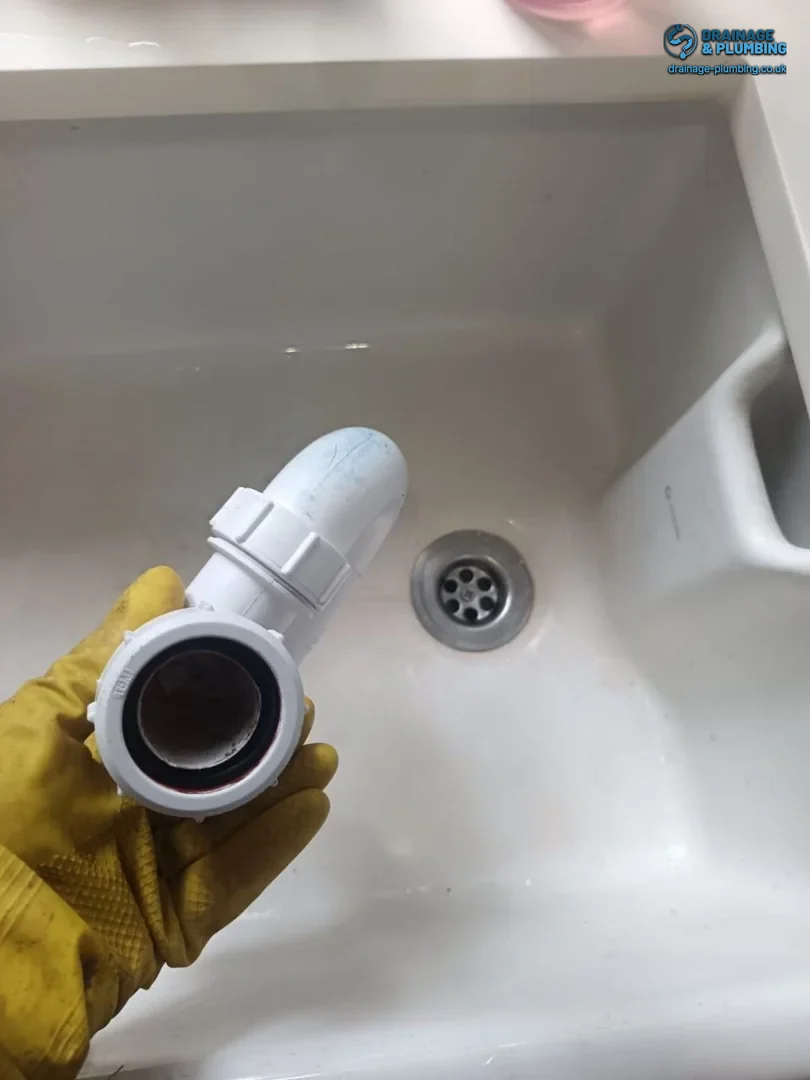
Boiling water flushed slowly down the drain handles minor grease build-up. For anything tougher, baking soda and vinegar left to work overnight, followed by a hot flush, will shift most organic clogs. If the sink still won’t drain, the U-shaped P-trap beneath it is often the culprit — placing a bucket underneath, unscrewing the trap, and clearing out trapped debris by hand resolves blockages a plunger simply can’t reach. Our guide to professional drain cleaning across South London & Surrey covers what a technician does differently when these home methods run out of road.
| Blockage Type | Best First Response |
|---|---|
| Toilet — paper or waste | Flange plunger, 15–20 firm plunges |
| Toilet — solid object | Toilet auger, never repeated forceful flushing |
| Sink — grease build-up | Boiling water, then baking soda and vinegar |
| Sink — trapped debris | Remove and clean the P-trap |
| Multiple drains slow at once | Stop DIY attempts, call a drainage engineer |
Myth: If DIY Fails, You’ve Just Not Tried Hard Enough
There’s a persistent belief that any blockage will eventually give way to enough plunging, enough boiling water, or enough force with an auger. This is where DIY confidence turns into a genuine risk. Forcing a rigid tool against a blockage that won’t move can crack an old ceramic pan, split a joint, or push debris further into a section of pipe you can’t reach at all. If you’ve tried two or three methods without any improvement, that’s the signal to stop, not to escalate.
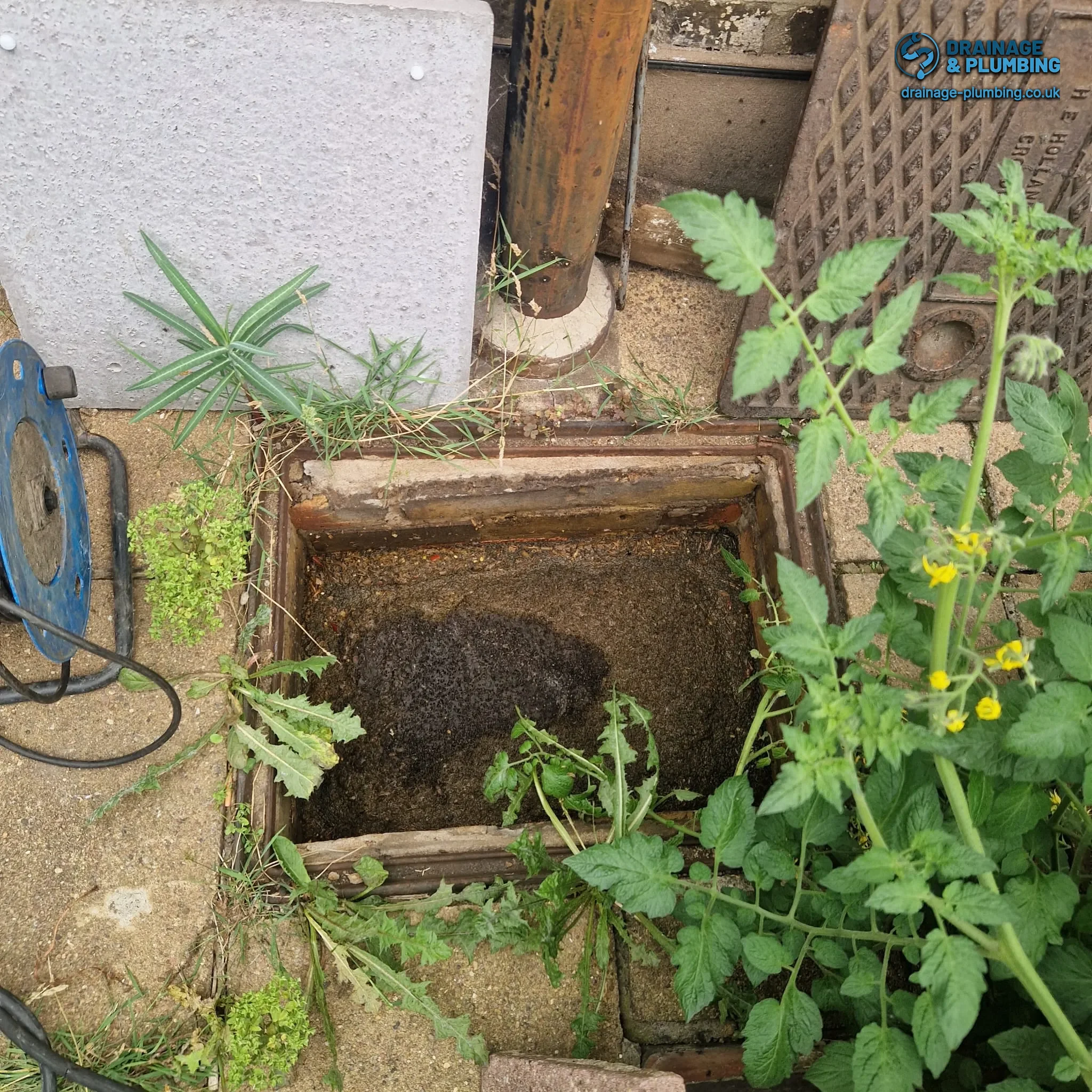
Recurring blockages, or several fixtures backing up at the same time, usually mean the problem sits deeper in the shared drain run — often where tree roots have found their way into ageing clay pipework, a known issue in properties built before modern plastic pipe standards. A CCTV drain survey identifies exactly where and why a blockage keeps returning, rather than guessing. Drainage work of this kind should follow the design and installation principles set out in WRAS guidance and British Standard BS EN 752 for drain and sewer systems, which is what a properly insured drainage contractor will be working to.
Common Misconceptions We Correct Every Week
Three beliefs come up on almost every callout, and all three are wrong:
- “Flushable wipes are fine because the packet says so.” They don’t disintegrate like toilet paper and are one of the most common causes of both household and sewer blockages nationally.
- “Chemical drain cleaner is quicker than calling someone.” It’s often slower once you factor in the corrosion risk to older pipework, and it won’t touch a blockage caused by a solid object or root intrusion.
- “If the toilet’s blocked, the sink will be fine.” If multiple fixtures are draining slowly at the same time, it’s rarely a coincidence — it usually points to one shared blockage further down the line.
The Real Answer: Match the Method to the Blockage
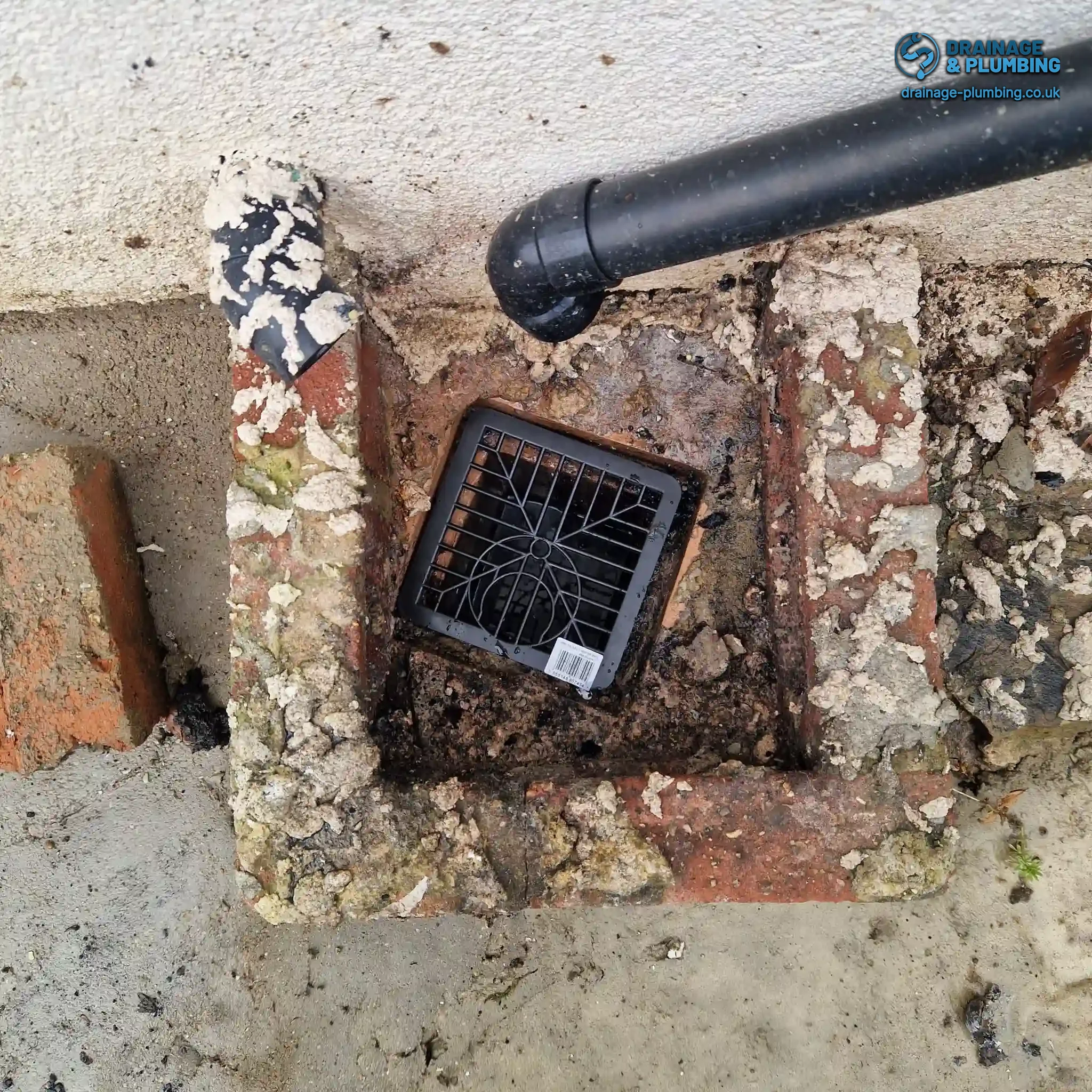
Pulling this together, how to unblock toilet sink problems comes down to correctly reading the symptoms before reaching for a tool. A single slow toilet responds well to a plunger and, failing that, an auger. A sluggish kitchen sink is usually grease-related and responds to heat and a mild alkaline reaction rather than force. But when several drains are affected together, or the same blockage keeps returning within weeks, no amount of home treatment addresses the underlying cause.
At that point, the safest and most cost-effective move is professional intervention before a soft blockage becomes a hard one. Our emergency drain unblocking service across South East England operates on a same-day basis for exactly this reason, and for pipework that needs a deeper flush than a kettle of hot water can manage, our 24/7 emergency pipe cleaning support uses professional jetting equipment engineers use to find the actual cause, not just clear the symptom.
Blocked toilets and sinks are rarely as dramatic as they feel at 6am. Understanding what’s actually causing the clog — rather than assuming the worst, or reaching for the most aggressive chemical on the shelf — is what separates a five-minute fix from a damaged pipe. And if the plunger, the auger, and the baking soda have all failed, that’s not a DIY defeat. It’s simply the point where the problem has moved beyond what any home method was ever designed to solve.

No comments yet. Be the first to leave a review.
Comments are closed for this post.