
 Admin
Admin 
Most homeowners make this mistake when their drain smells bad in summer heat — they reach for bleach and hope it goes away, when the real cause is often summer heat pipe damage weakening joints and drying out seals underground. Here’s the single most important thing to know: heat doesn’t just make you sweat, it physically moves your pipework, and that movement is often the hidden trigger behind the blockages, smells, and slow drains people report every August.
What Summer Heat Pipe Damage Actually Looks Like
Think of your drainpipes like a metal ruler left on a hot windowsill — they expand slightly as they heat up, then contract again as they cool overnight. Do that every day for a whole summer and the joints, seals, and fittings holding your pipework together get tested again and again. PVC drainage pipes are the most affected, since they expand more than copper or cast iron for the same rise in temperature. Older cast iron drain runs, common in Victorian and 1930s housing stock across Croydon, Sutton, and Wimbledon, are generally more stable but their aging seals can still degrade under repeated heat cycles.
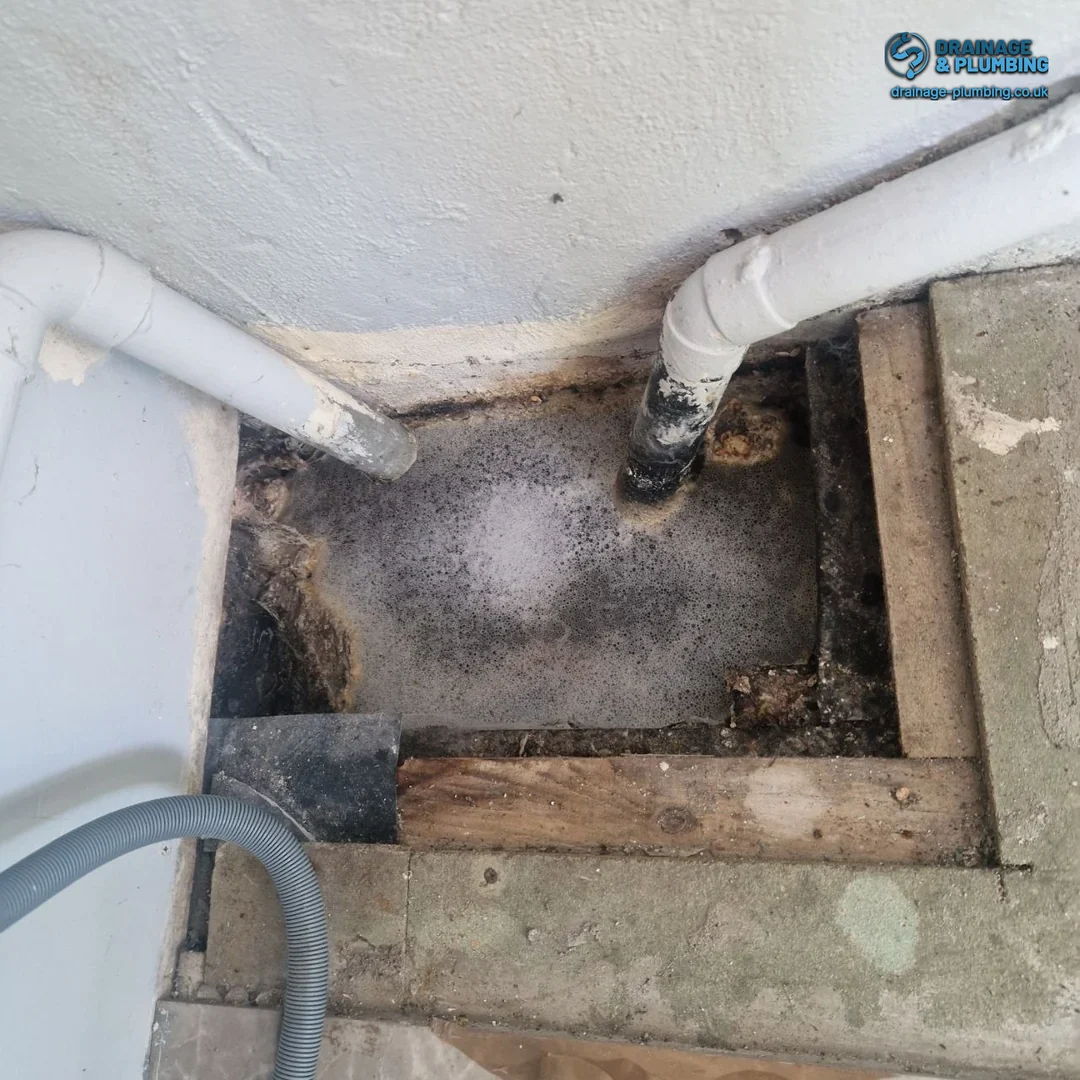
The result isn’t usually a dramatic burst pipe. It’s smaller and sneakier: a joint that loosens by a millimetre, a seal that hardens and cracks, or a P-trap that evaporates dry in a spare bathroom nobody uses while you’re on holiday. Any one of these lets sewer gas drift back into the house, or lets a slow drip become a bigger leak over a few weeks. If you want the full picture on how older properties are more exposed to this kind of seasonal stress, our guide on reducing drain risk in older homes covers the structural side in more depth.
Where You Can DIY and Where You Need to Stop
Here’s the boundary, in plain terms: you can safely handle prevention, but you should not attempt repair once heat has actually damaged a pipe or joint. That line matters because getting it wrong on the repair side can turn a small leak into a much bigger job.
What’s safe to do yourself: run the taps and flush the toilet in any bathroom you’re not using regularly, especially during a heatwave, to keep P-traps topped up with water. It takes seconds and stops sewer gas smells before they start. You can also clear leaves and debris from gutters and gullies before a summer storm, and scrape barbecue fat into the bin rather than washing it down an outside drain, since grease that stays liquid in hot weather sets hard the moment it reaches cooler pipework further down the line. If you’re dealing with a blocked gully or yard drain yourself, our step-by-step guide on how to unblock an outdoor drain safely explains what tools are appropriate and what to avoid.
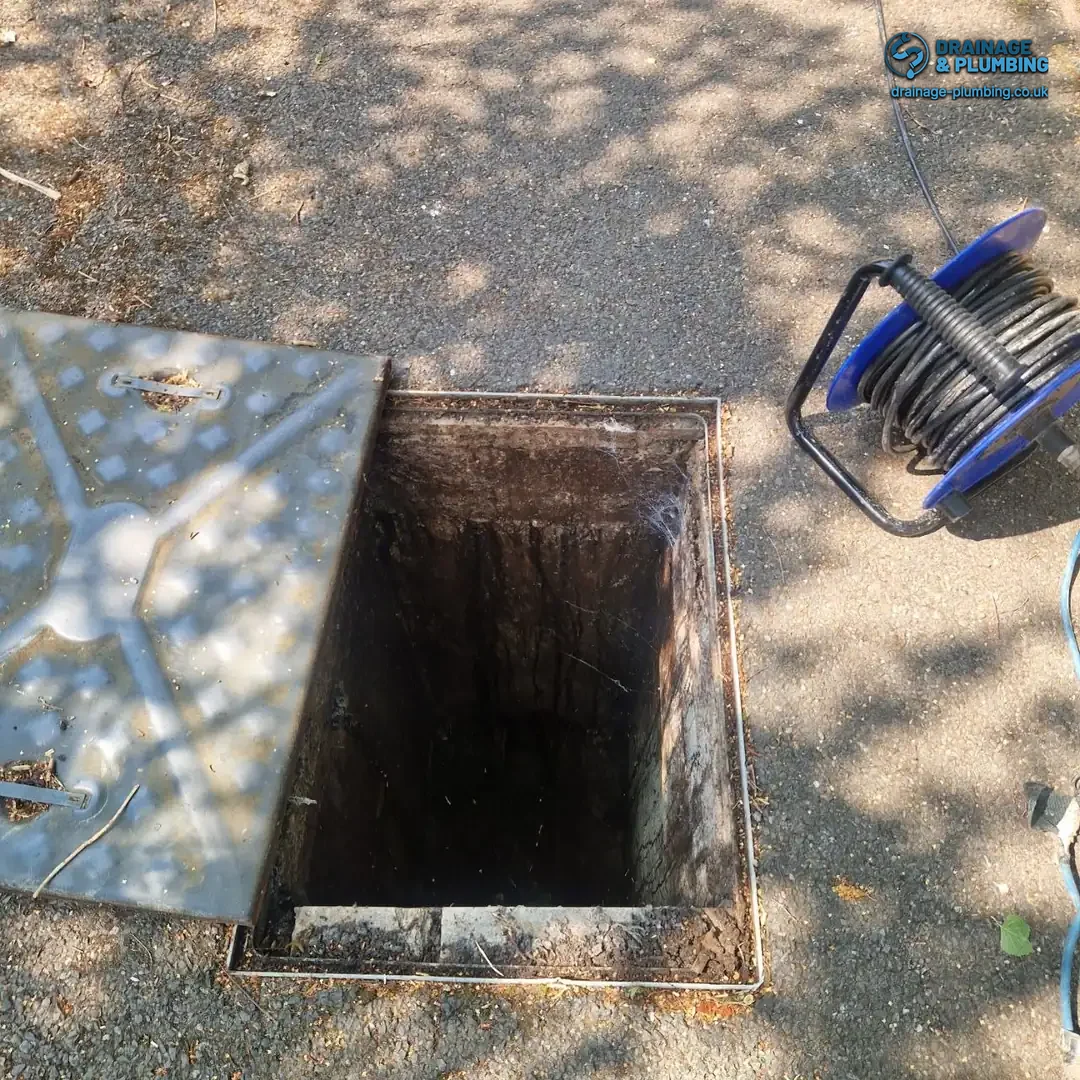
Where you need to stop: anything involving a cracked pipe, a joint that’s visibly separated, or a smell that persists even after you’ve run the taps. These usually mean summer heat pipe damage has already caused a seal to fail rather than just a trap to dry out, and probing at it yourself risks pushing debris further into the line or turning a repairable joint into a full pipe replacement. Gurgling noises, water backing up in more than one fixture at once, or damp patches near an underground pipe run are all signals to call a professional with CCTV survey equipment rather than digging blind. The Water Regulations Advisory Scheme sets out clear standards for how drainage systems should be maintained and repaired, and a qualified engineer will work to those standards rather than guesswork.
Common Misconceptions We Correct Every Week
The first misconception is that a bad drain smell always means the drain itself is blocked. Often it’s simply a dry P-trap letting sewer gas rise unchallenged, and running water for a few seconds fixes it instantly with no callout needed.
The second is that plastic pipes are somehow immune to heat because they’re not metal. In reality PVC drainage pipe expands more per degree of temperature change than copper or cast iron, which is exactly why loose joints and small leaks tend to appear in newer plastic pipework during a hot summer rather than in the old cast iron section next to it.
The third misconception is that heavy summer rain can’t cause problems because it’s “just water.” A sudden downpour after weeks of dry, cracked soil can overwhelm gullies and surcharge a sewer line almost instantly, particularly if tree roots have already narrowed the pipe while searching for moisture in the dry ground — a pattern we see constantly across South London gardens, and one we’ve documented in detail in our guide to tree root drain blockage in South London. Guidance from the Health and Safety Executive also notes that surcharged drains and standing water around a property should be treated as a hazard rather than a nuisance, since sewage-contaminated water carries genuine health risks.
We also regularly meet homeowners who are surprised that the causes of a blocked drain change with the seasons — what causes a backup in winter isn’t always what causes one in August. If that’s useful context, our piece on the causes of blocked drains Croydon homes get wrong breaks down the seasonal pattern in more detail.
Protecting Your Drains for the Rest of the Summer
None of this needs to be complicated. A short weekly routine — running unused taps, checking gutters, scraping fat into the bin instead of the sink — will prevent the vast majority of heat-related drain issues before they start. The British Standard for drainage design, BS EN 752, exists precisely because drainage systems are engineered to cope with normal seasonal stress; problems tend to arise when a system is already compromised by age, roots, or grease before the heat adds its own pressure on top.
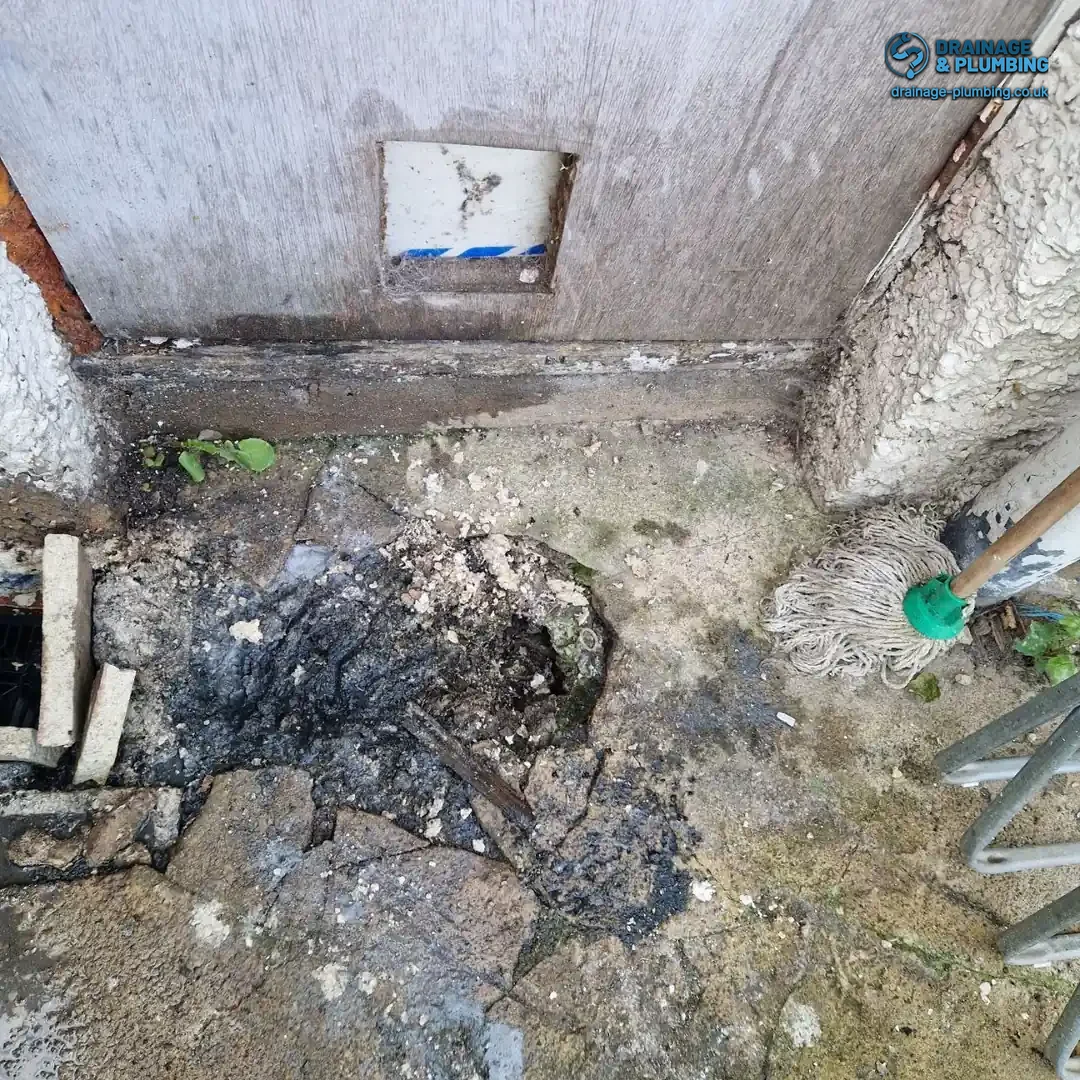
If you’ve done the simple checks and you’re still getting smells, gurgles, or slow drainage, that’s the point to call in a CCTV drain survey rather than keep guessing. We provide a full range of drainage services across Croydon, Sutton, Wallington, Coulsdon, Banstead, Bromley, Mitcham, Epsom, Reigate, Redhill, Leatherhead, Kingston upon Thames, Wimbledon, Richmond, Caterham, Guildford, Crawley, and Haywards Heath, with technicians on call 24/7 for genuine emergencies. You can see the full breakdown of what we offer on our services page. Most call-outs are diagnosed and resolved on the same visit, with the engineer explaining exactly what caused the problem before they leave — because a homeowner who understands what summer heat did to their pipes this year is far better placed to prevent it happening again next year.
No comments yet. Be the first to leave a review.
Comments are closed for this post.