
 Hesam Ir
Are blocked drains covered by home insurance? Here’s what your policy really says
Most UK homeowners assume their buildings insurance will handle a blocked drain. It won’t—unless the blockage happened in a very specific way. Understanding when are blocked drains covered by home insurance depends entirely on the cause, the type of policy you hold, and whether you’ve paid for optional add-ons. This guide cuts through the marketing language and shows you the actual wording that matters.
The Direct Answer: Yes and No
Standard buildings insurance does not cover blocked drains caused by internal debris, grease, or poor maintenance. However, are blocked drains covered by home insurance when the blockage results from subsidence, tree root damage, or external structural failure? Yes—but only if you have buildings insurance through the Association of British Insurers and can prove an external force caused it.
The difference between “covered” and “not covered” often comes down to three words: sudden and accidental. Most policies will only reimburse repair costs if the drain blockage was caused by something sudden, not wear and tear or negligence.
When Your Insurance Will Actually Pay for a Blocked Drain
Tree Root Intrusion
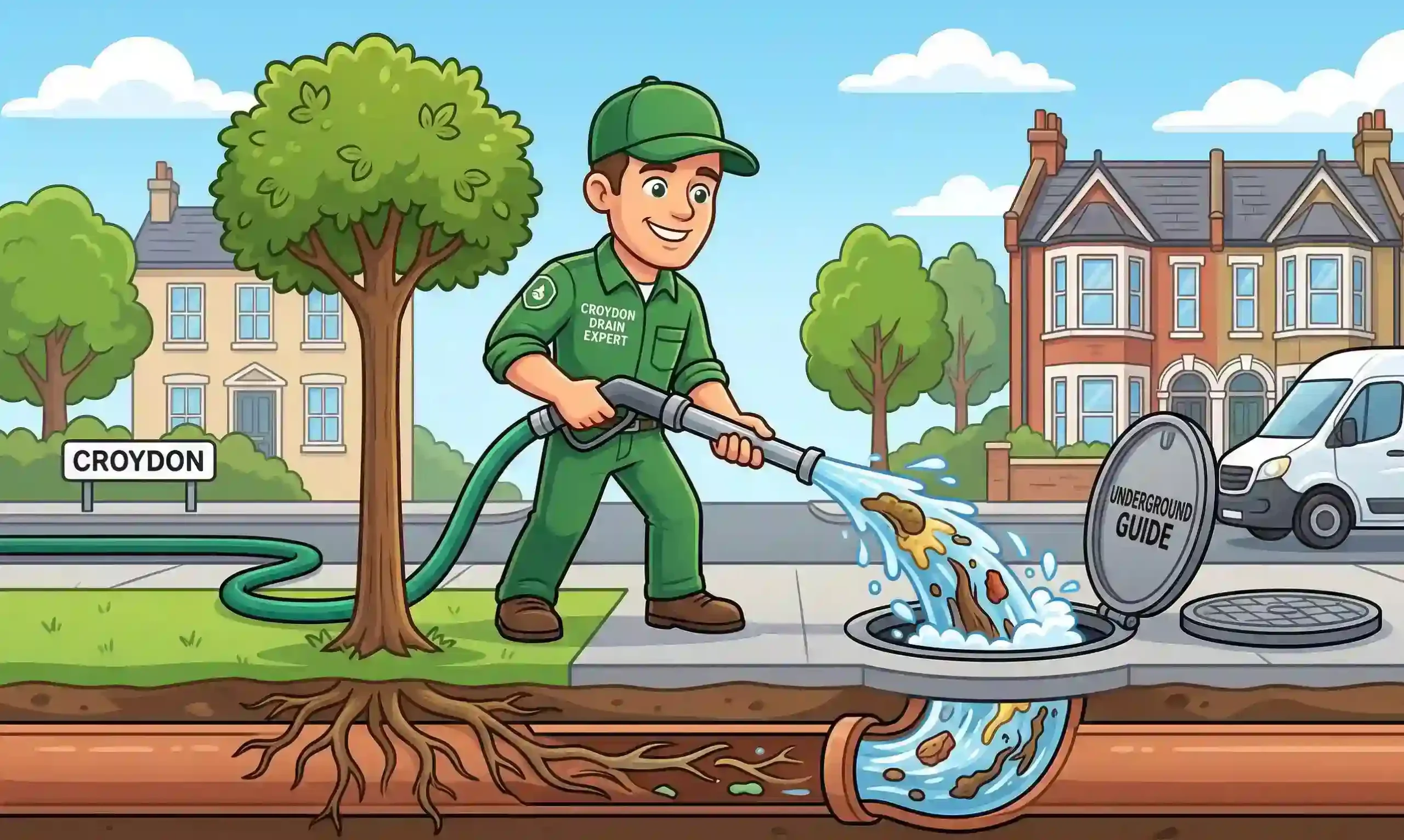
If tree roots from your garden or a neighbour’s property have cracked or collapsed a drain pipe, and that root damage caused the blockage, your buildings insurance will typically cover the repair. The key phrase in nearly every policy: “damage caused by roots to underground structures”.
You’ll need CCTV drainage survey evidence to prove the root damage. Without photographic proof from inside the pipe, insurers will deny the claim.
Subsidence or Ground Movement
When the ground shifts and cracks a buried drain, that’s a structural issue, not a maintenance failure. Buildings insurance covers subsidence claims, which includes drain damage caused by soil heave or settlement. This is classified as sudden and accidental, regardless of how long it took to develop.
External Pipe Fracture (Not Your Fault)
If a surveyor can prove that a pipe collapsed due to faulty installation, corrosion from external causes, or impact damage (e.g., a lorry drove over it), insurers may cover the repair. The difference: the damage had to be caused by an external event, not internal wear.
Trace and Access Cover
Some policies include trace and access cover, which pays for the cost of locating the blockage or break in the pipe. This is often bundled with home emergency cover. Trace and access cover typically reimburses up to £500–£1,500 of the diagnostic cost, but it doesn’t cover the actual repair.
When Buildings Insurance Won’t Cover Your Blocked Drain
Grease and Fat Buildup
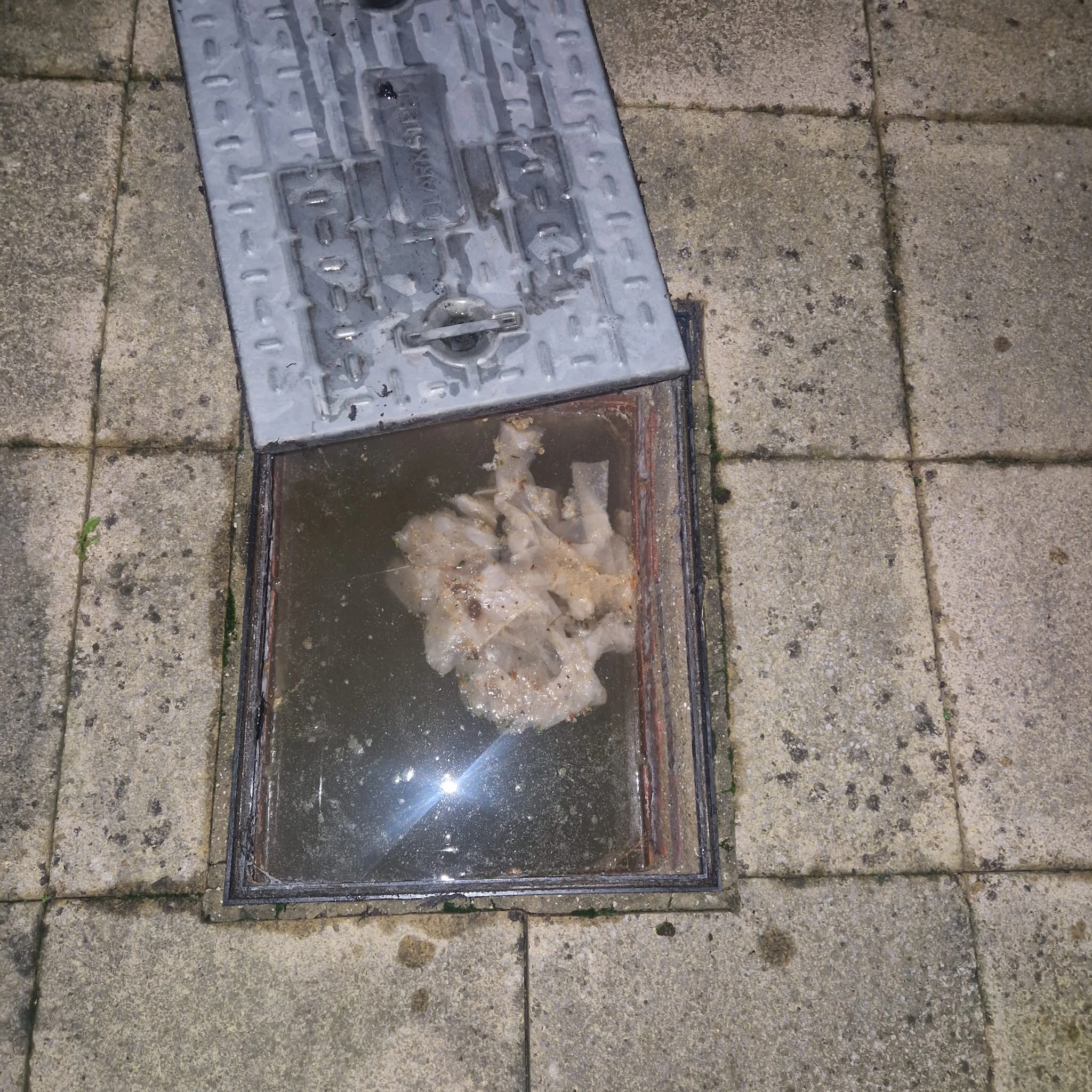
This is the most common reason insurers refuse drain claims. Grease fatbergs—solid masses formed when cooking fat cools in pipes—are classified as maintenance failures, not sudden events. You failed to dispose of fat responsibly; the pipe didn’t suddenly fail. Insurance won’t touch it.
Hair, Soap, and Everyday Debris
Blockages from accumulated hair, toilet paper, wet wipes, or soap residue fall under “wear and tear”. They’re your responsibility. No policy will reimburse you for something that happens when people use a bathroom normally (or abnormally, in the case of flushing non-degradable items).
Lack of Maintenance
If your drain was already partially blocked or slow-running and you ignored it, any subsequent blockage claim will likely be refused. Insurers see this as negligence. Regular drain jetting (typically £150–£400 every 18–24 months) is considered preventative maintenance, not an insurance claim.
Damage Caused by DIY Attempts
Tried to rod the drain yourself and cracked it? Insurance won’t cover accidental damage you caused. Nor will they reimburse if you hired an unqualified person who damaged the pipe. Only work by registered plumbers or drainage engineers will be considered for cover under most policies.
Leaks or Slow Drains (Not a Full Blockage)
A slow-draining sink or minor leak is not a sudden and accidental loss. It’s a symptom of an underlying condition that should have been addressed sooner. Insurers will classify any claim on a chronically slow drain as maintenance, not damage.
Home Emergency Cover: Your Actual Drain Blockage Safety Net
Here’s the truth most websites skip: if you want insurance to cover a blockage, you need home emergency cover, not standard buildings insurance. Emergency drain cover is a separate add-on policy, usually costing £40–£120 per year.
What Home Emergency Drain Cover Actually Does
A home emergency add-on will send a drainage engineer to unblock your drain and reimburse the cost of the unblocking service (typically up to £1,000–£2,000). It doesn’t care why it’s blocked—grease, roots, debris—it covers the removal.
This is why home insurance drain cover add-ons are popular: they remove the guilt of causation from the equation. You’re paying for the service, not arguing about fault.
The Limits and Exclusions
Emergency cover will not pay for:
- Replacement of damaged pipes (only unblocking)
- Repeated blockages from the same cause in 12 months (most policies cap this at two claims)
- Blockages caused by building work you authorised
- Issues outside the main house drain (e.g., in the boundary or communal pipes)
Before signing up, check the excess. Some emergency cover policies have a £50–£100 excess per call-out. If your blockage costs £300 to unblock, you’ll still pay £50 out of pocket.
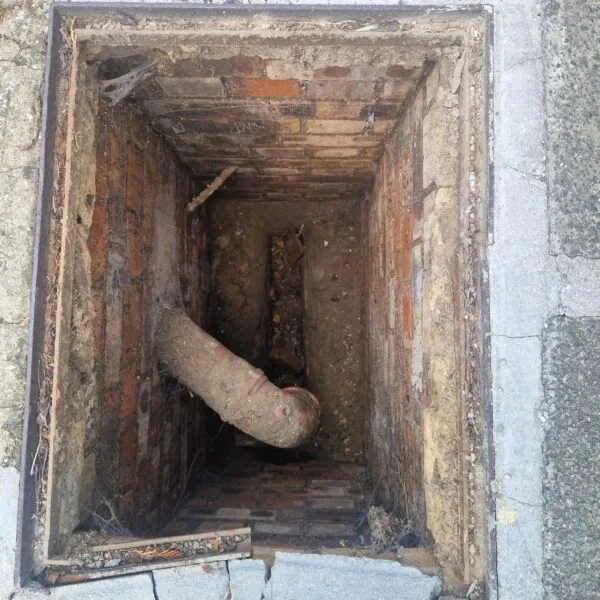
The 4-Question Decision Tree: Can You Claim?
Before ringing your insurer or forking out for a CCTV survey, ask yourself these four questions in order:
Question 1: Do you have buildings insurance or only contents?
If contents only: You have zero cover. Stop here and contact a drainage engineer directly. If buildings insurance: Proceed to Question 2.
Question 2: Is the blockage caused by tree roots, subsidence, or pipe fracture (not internal debris)?
If yes: You may have a claim. Proceed to Question 3. If no (grease, hair, soap, wipes): No standard insurance will cover it. But jump to Question 4 to check for emergency cover.
Question 3: Can you prove the external cause with a CCTV survey or structural engineer’s report?
If yes: You have a strong claim. Proceed to Question 4 (emergency cover is irrelevant). If no: Insurers will likely deny the claim due to insufficient evidence. Emergency cover becomes your fallback.
Question 4: Do you have home emergency cover or home insurance drain cover as an add-on?
If yes: Ring your emergency cover provider. They’ll typically send an engineer within 24 hours. If no: You’ll pay the full cost of unblocking (£150–£400) and any necessary repairs out of pocket.
Real UK Example: Why Coverage Decisions Matter
In early 2024, we investigated two nearly identical properties in South London, both with blockages discovered within days of each other.
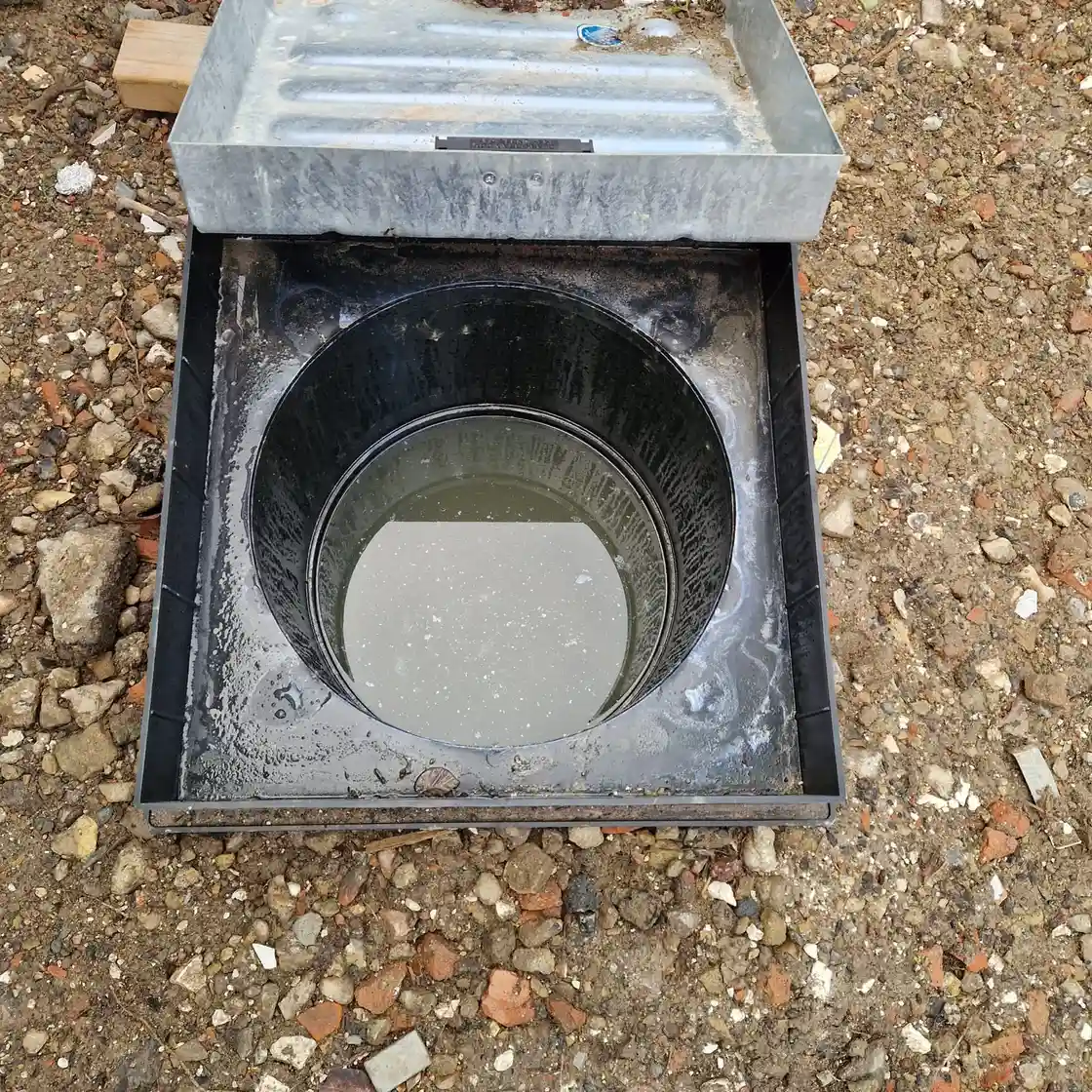
Property A (Coverage Refused): A terraced house in Croydon. The homeowner noticed slow drainage, left it for three weeks, then it backed up completely. The CCTV survey showed a thick grease buildup throughout the first 15 metres of the main drain. The building insurer refused the claim, citing “lack of maintenance” and “user-caused debris”. The homeowner paid £340 to have the drain jetted and cleared.
Property B (Coverage Approved): A semi-detached property in Purley, two miles away. After heavy rain, the drain blocked. The survey revealed a collapsed section of clay pipe caused by tree roots from an old oak in the adjacent property. The insurer approved a £2,100 claim to excavate, replace the damaged section, and re-lay the pipe. The homeowner paid nothing.
Both blockages caused the same symptoms. The difference: one was external damage (covered), the other was internal decay (not covered). This is why are blocked drains covered by home insurance is never a simple yes or no—it depends entirely on the cause.
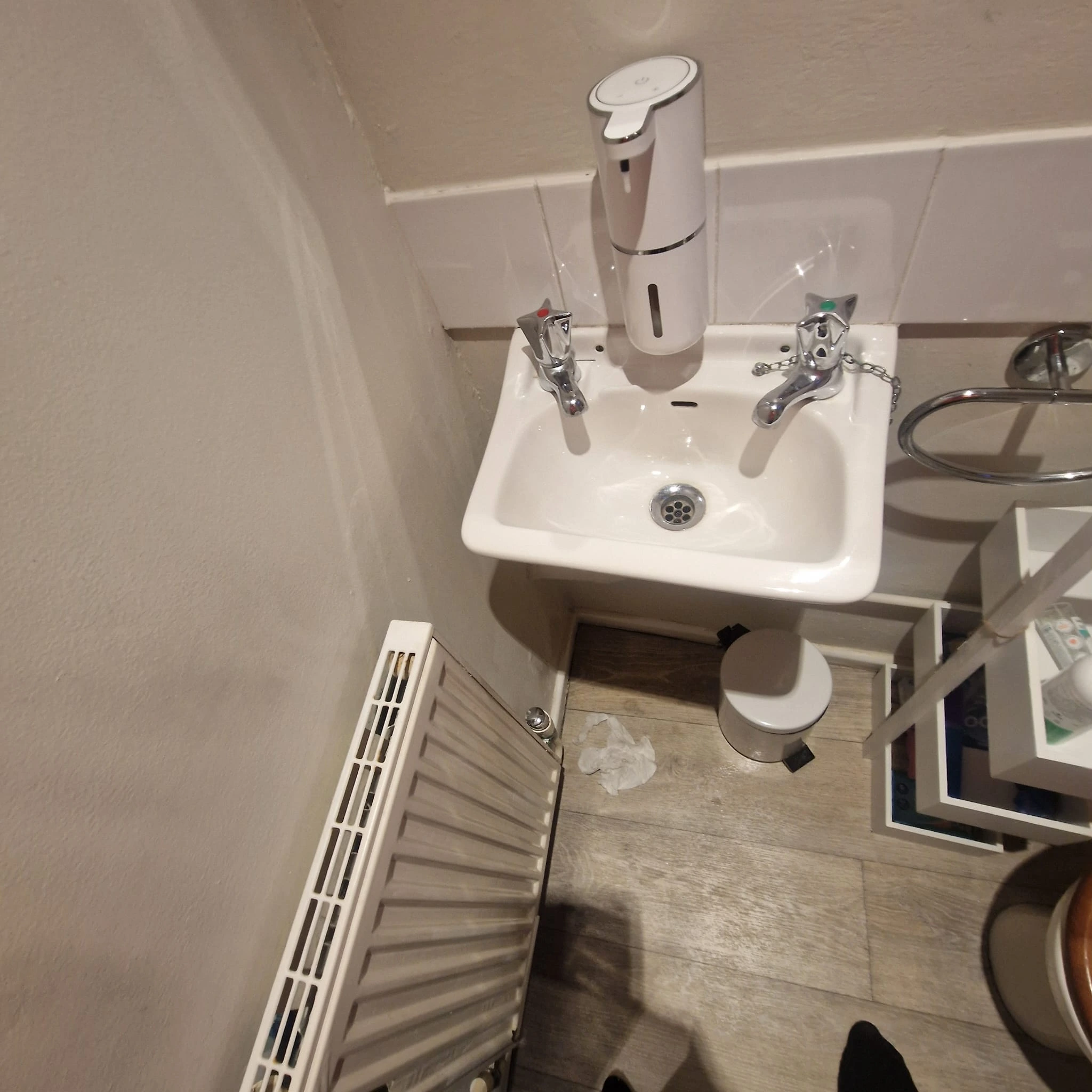
Do You Need a CCTV Drain Survey Before Claiming?
Yes. Without video evidence, insurers will assume the blockage is your fault. A CCTV drain survey costs £150–£300 and provides clear proof of the cause. It’s an investment that determines whether you recover £2,000 or lose it entirely.
If you’re considering a claim, book the survey before contacting your insurer. Don’t tell them you’re planning to claim; frame it as a diagnostic inspection. Once insurers see the video evidence, they’ll either approve or deny the claim based on fact, not assumption.
Responsibility and Ownership: Whose Drain Is It Anyway?
Confusion over responsibility adds another layer to insurance decisions. Who is responsible for blocked drains depends on which part of the drainage system is affected:
- Drains inside your property: You own and maintain them. Your responsibility entirely.
- The main drain (usually under the road): The water company owns it. Report blockages affecting the main drain to your local water provider; they’ll handle it at no cost to you.
- Boundary or shared drains: Split responsibility with neighbours. Your insurance likely won’t cover blockages caused by their neglect.
If the blockage is in the main drain, stop worrying about your insurance. Contact your water company’s emergency line instead.
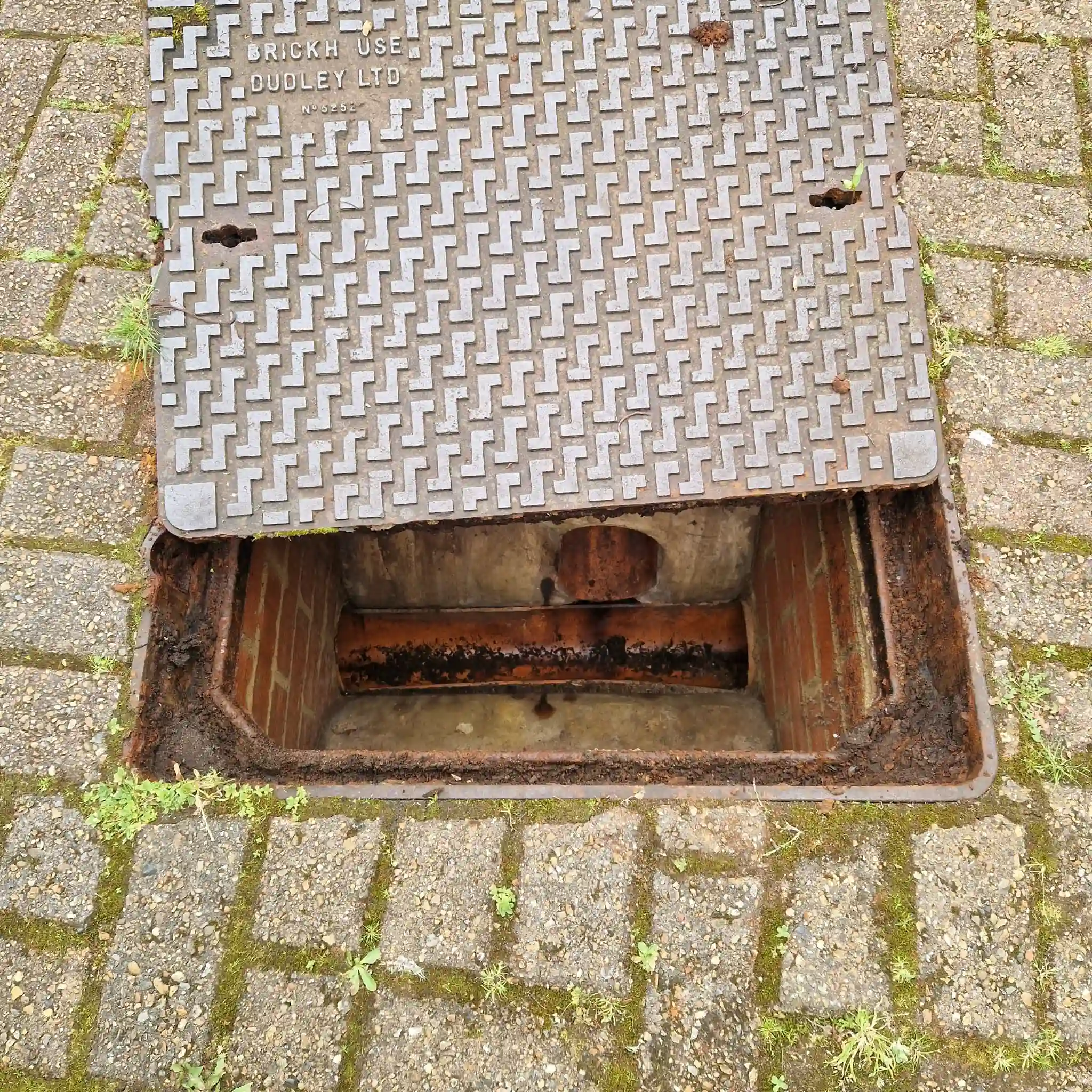
What to Do Before You Call Your Insurer
Most homeowners ring their insurer first. That’s a mistake. Here’s the proper sequence:
- Stop using that drain. Don’t risk overflow into your home.
- Book a CCTV survey with a qualified drainage engineer. Cost: £150–£300. Get the video file and a written report.
- Review the survey report. Does it show root damage, pipe collapse, or subsidence? Or does it show grease and internal debris?
- Only then ring your insurer. Send them the survey report and claim form together. Never claim without evidence.
- If refused, ask for written reasons. Insurers must explain their denial. If they’re wrong, escalate to the Citizens Advice consumer service.
The engineers who unblock the drain and the engineers who assess damage should be separate people. Always use a contractor with professional indemnity insurance who can provide a formal report.
The Honest Cost Breakdown: Insurance vs. Self-Pay
If your blockage isn’t covered, here’s what you’ll actually spend:
- Basic drain unblocking: £150–£400
- CCTV survey: £150–£300
- Pipe repair (if needed): £800–£5,000+ depending on damage
- Excavation and reinstatement: £2,000–£8,000 for serious structural damage
This is why emergency cover at £80 per year sounds cheap. Over ten years, you’re paying £800 for peace of mind on calls that could cost ten times that.
Key Policies That Often Get Blocked Drain Cover Right
Not all insurers treat drain blockages the same way. Some policies explicitly list “sudden blockage of drains” as covered; others bury the exclusion in paragraph 47 of the small print. When shopping for buildings insurance or checking your renewal:
- Check if “external drain damage” is mentioned separately from internal blockage.
- Look for the words “trace and access” or “emergency drain cover” in the policy schedule.
- Ask your broker whether the policy covers tree root damage specifically (many exclude it unless you pay extra).
- Confirm the excess. A £500 unblocking cost with a £100 excess is much better value than a £1,500 excess.
No single policy is perfect, but reading your schedule before a crisis hits saves arguments later.
The Bottom Line: Are Blocked Drains Covered by Home Insurance?
Standard buildings insurance will cover blocked drains only if the blockage was caused by something external and sudden—tree roots, subsidence, or pipe fracture—and only if you can prove it. Internal blockages from grease, hair, or debris are never covered.
For true peace of mind, home insurance drain cover add-ons exist specifically because standard policies don’t cover routine blockages. At £40–£120 per year, emergency cover removes the guesswork and gets an engineer to your door within 24 hours, regardless of cause.
The decision is yours: pay for prevention (emergency cover), hope nothing happens, or be prepared to pay £300–£500 out of pocket when it does.
Ready to Understand Your Specific Policy?
If you’ve got a blockage right now and need to know whether you can claim, the fastest route is a professional diagnosis. Our engineers can provide CCTV survey evidence that insurers will accept, with a detailed report explaining the cause. Get in touch for a drain assessment before you contact your insurer—it’s the difference between a covered claim and an unrecoverable cost.
Not sure whether your home emergency cover is worth renewing? Book a consultation with one of our drainage specialists to review your specific situation and get a quote before you claim. We’ll help you avoid the trap of discovering coverage gaps when it’s too late.
Check your local area for drainage support, or learn more about drainage engineer costs to budget for professional help.
Understanding are blocked drains covered by home insurance early helps you budget and avoid bigger repair bills later.
No comments yet. Be the first to leave a review.
Comments are closed for this post.