
 Nima Fazli-Pour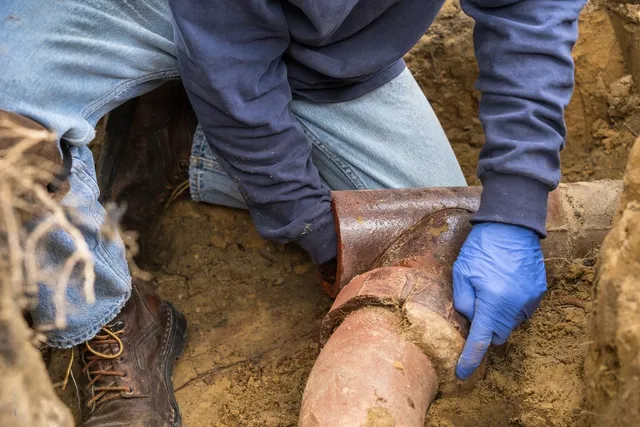
Most homeowners make this mistake when their drain blocks — they wait. They try a plunger, pour chemicals down, and hope the problem resolves itself. By the time they call for an emergency drainage callout South East England engineers are dealing with not just a blockage, but a backed-up system, potential structural damage, and a repair bill that’s multiplied. Don’t let that be you.
Why Delayed Action Makes Drainage Emergencies Far Worse
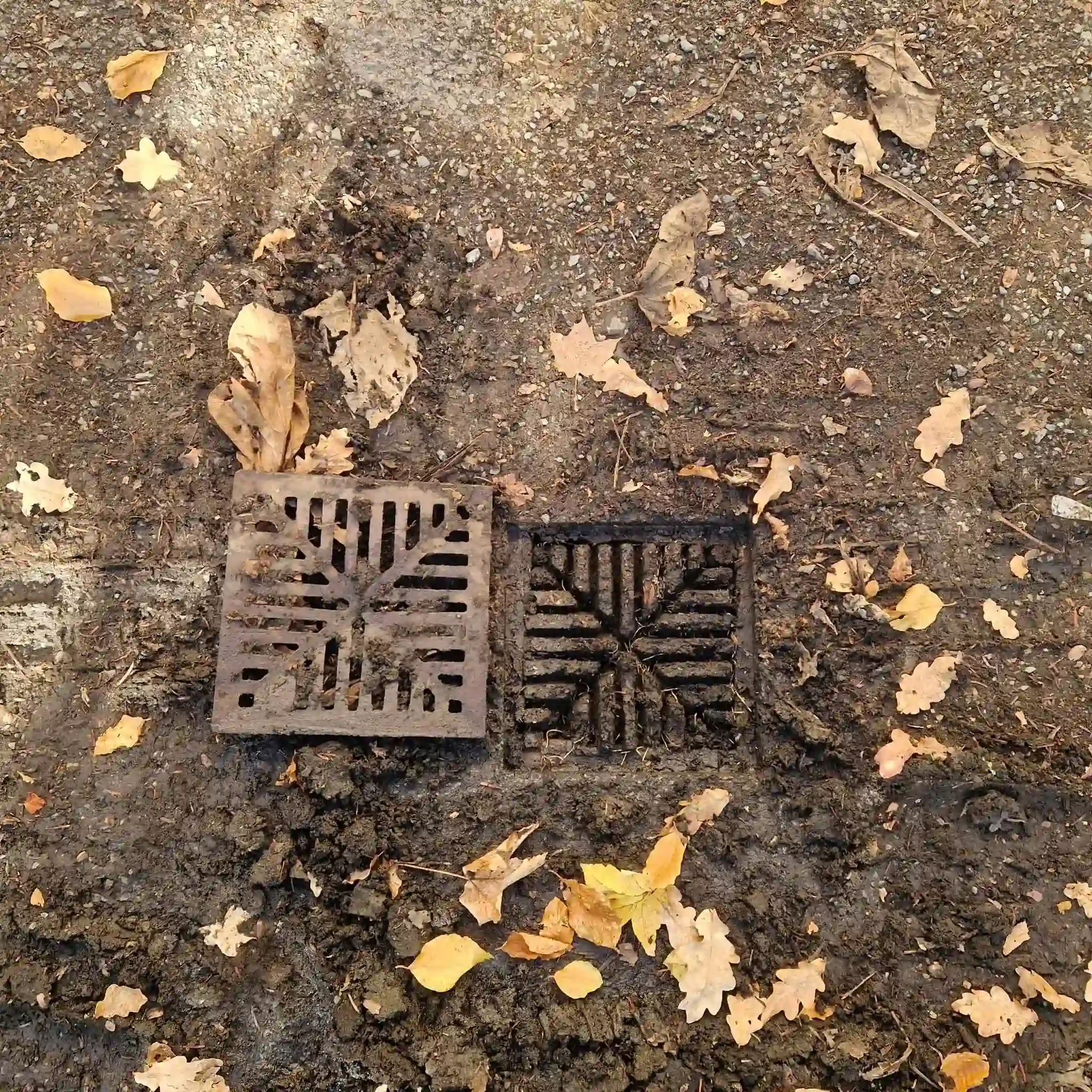
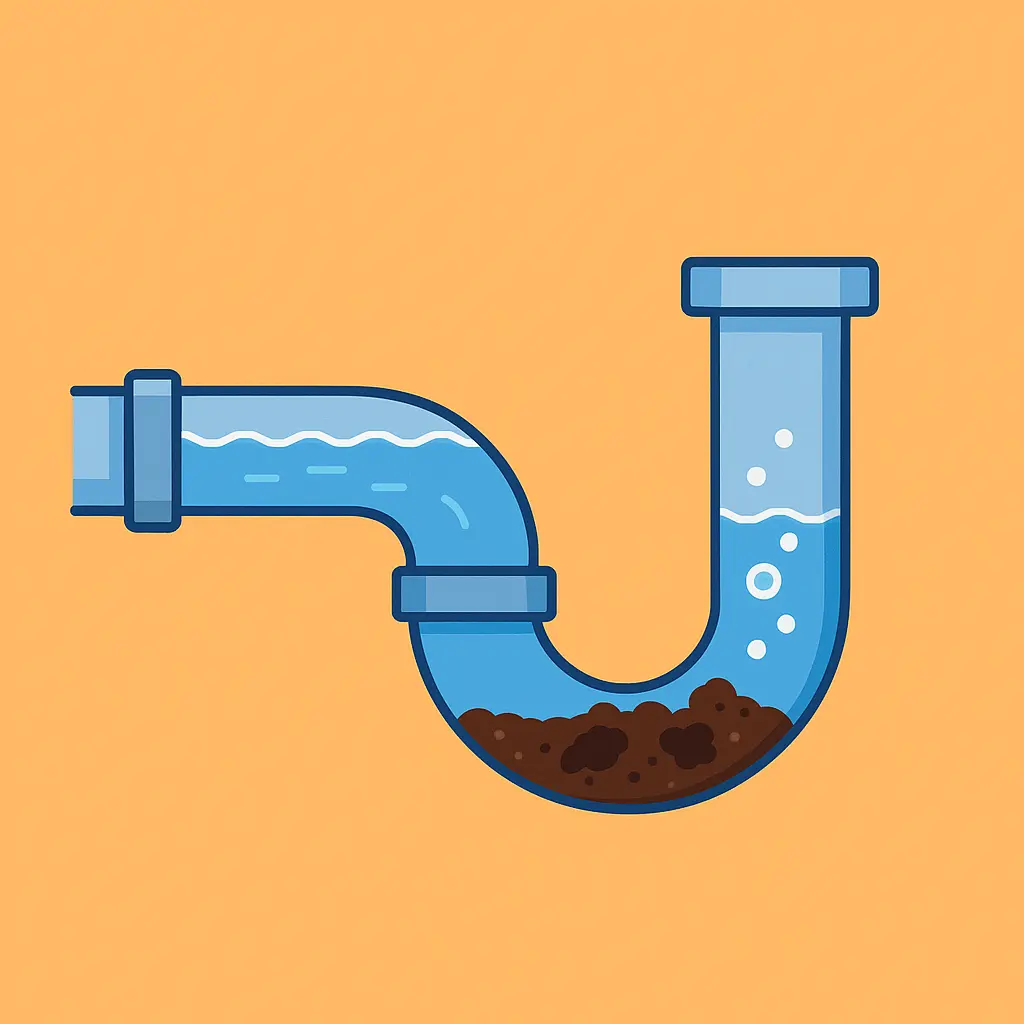
A slow drain is rarely just a slow drain. In most cases, it signals a partial blockage that is actively accumulating grease, debris, or displaced pipe material. Left untreated, partial blockages become full ones. Full blockages cause pressure to build upstream, forcing sewage back through the lowest outlet in your property — usually a ground-floor toilet or shower tray.
In older properties across South East England, where clay pipe systems are common and tree root intrusion is widespread, a single ignored blockage can escalate to a collapsed drain within weeks. The Water Industry Act 1991 places responsibility for private drain maintenance firmly on the property owner, which means the financial consequences of inaction fall squarely on you.
What Happens During an Emergency Drainage Callout South East England
When you call us, the clock starts immediately. Our engineers are positioned across the South East England coverage area — from Croydon and Bromley to Guildford, Reigate, and Haywards Heath — so response times are kept tight. Here is what to expect from arrival to completion.
The engineer assesses the symptom first: is water backing up, is there a foul smell, is the blockage isolated to one fixture or affecting the whole stack? That triage determines whether we go straight to high-pressure water jetting or deploy a CCTV drain survey camera first to identify the exact location and nature of the obstruction.
| Symptom | Likely Cause |
|---|---|
| Single slow drain | Localised grease or debris build-up |
| Multiple fixtures backing up | Main drain or sewer blockage |
| Foul smell from drains | Partial blockage or drain venting issue |
| Sewage at ground level | Collapsed or fully blocked drain |
High-Pressure Drain Jetting: The Professional Standard
How Jetting Clears What Chemicals Cannot
High-pressure water jetting — operating at up to 4,000 PSI — is the industry-standard method for clearing blocked drains in residential and commercial properties. Unlike chemical treatments, jetting physically removes the blockage and flushes it downstream, leaving the pipe walls clean. It is effective against compacted grease, root ingress, silt accumulation, and foreign objects.
I’ve been on jobs in Epsom and Leatherhead where homeowners had been fighting the same recurring blockage for six months with off-the-shelf products. One jetting session cleared years of grease lining from a 100mm clay pipe in under 40 minutes. The blockage never came back because the cause was fully removed, not just temporarily displaced.
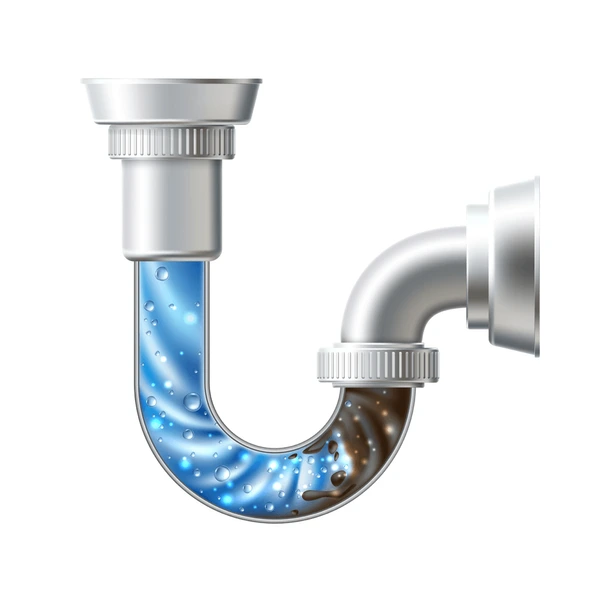
If jetting alone doesn’t resolve the issue, a CCTV drain survey identifies whether structural damage — cracking, root intrusion, or pipe displacement — is the underlying cause. This is critical: jetting a collapsed drain without knowing it is collapsed can make the structural failure worse. See our guide on why drains are failing across South East England for more on how recent rainfall is accelerating pipe deterioration.
CCTV Drain Surveys and Emergency Drain Repairs
A CCTV drain survey is not just a diagnostic tool — it is evidence. The recorded footage shows exactly where a fracture, root intrusion, or joint displacement sits within your drainage system, which is essential for insurance claims and for planning targeted repairs. Under BS EN 752, drain systems should be designed and maintained to handle expected flow loads — a standard that many ageing South East England properties no longer meet without intervention.
In Beckenham recently, a homeowner reported intermittent sewage odour from a ground-floor bathroom. The symptom had been present for three months. Our CCTV survey revealed a 40% root intrusion into a 150mm vitrified clay pipe running beneath the rear garden. Jetting cleared the roots temporarily, but the structural repair — a patch lining using no-dig drain repair technology — was the permanent fix. Without the survey, we would have been jetting the same root mass every few months.
Where pipes are beyond patching, full excavation and replacement may be necessary. Our drain repair service covers everything from patch lining to full pipe replacement, with minimal disruption to your property.
Coverage Area and Calling for an Emergency Drainage Callout South East England
Where We Operate Across the Region
We cover a 25-mile radius across South East England, including Croydon, Sutton, Wallington, Coulsdon, Banstead, Bromley, Mitcham, Epsom, Reigate, Redhill, Leatherhead, Kingston upon Thames, Wimbledon, Richmond, Caterham, Guildford, Crawley, and Haywards Heath. Our engineers are familiar with the specific drainage infrastructure challenges in each area — from Victorian-era brick sewers in inner South London to post-war clay systems in Surrey’s commuter belt.
Our emergency drainage callout South East England service operates 24 hours a day, seven days a week. There are no additional call-out charges for evenings or weekends — you receive a clear, fixed quote before any work begins. We adhere strictly to the Health and Safety Executive guidelines for confined space and drainage work, ensuring every job is carried out safely and professionally.
If your drains are showing any warning signs — slow drainage, gurgling sounds, foul odours, or visible overflow — act now. The difference between a £150 jetting job and a £2,000 drain repair is often just a matter of days. An emergency drainage callout South East England engineers can be with you fast, diagnose accurately, and resolve the issue correctly the first time.
No comments yet. Be the first to leave a review.
Comments are closed for this post.