
 Admin
Admin 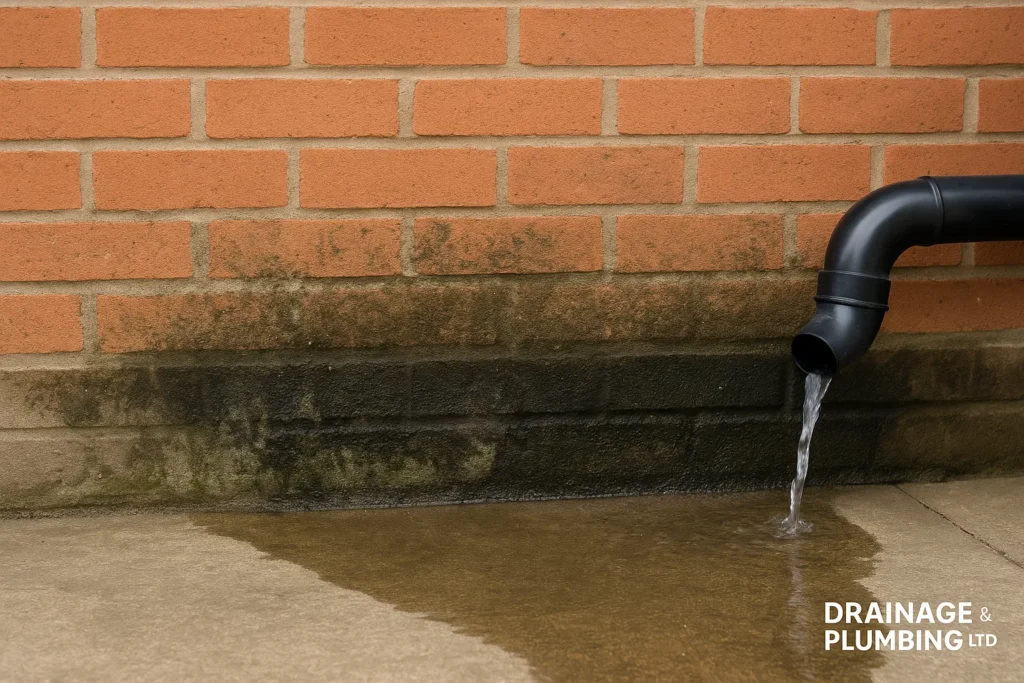
How Often Drain Cleaning Should Happen for Your Property
In the next 24 hours, a blocked drain can go from a minor inconvenience to a £3,000 structural problem. Here’s what to watch for. It’s the question we get asked on almost every job across Croydon, Sutton and Bromley: how often drain cleaning actually needs to happen depends on your property type, your pipe age, and what’s going down the sink. Get the frequency right and you’ll rarely see a blockage; get it wrong and you’re looking at an emergency call-out on a Sunday night.
Think of it like the streets around Wallington and Coulsdon after a heavy autumn downpour — the drains that were jetted in spring cope fine, while the ones nobody’s touched in three years back up within minutes. Regular cleaning isn’t cosmetic maintenance; it’s what keeps wastewater moving through pipes that were only ever designed to handle a certain amount of grease, hair, and grit before they choke.
Why Drains Block in the First Place: The Real Causes
Every drain is a narrow channel doing a big job. Over months, grease from Sunday roasts, soap scum from the shower, coffee grounds, and fine grit from the garden all cling to the pipe walls. The internal diameter shrinks bit by bit until, one day, it simply can’t cope with a full sink of washing-up water.
Local Weather and Ground Conditions Make It Worse
South East England’s clay-heavy soil is a factor many homeowners never consider. In summer, clay around Reigate, Epsom and Guildford shrinks and cracks as it dries out, which can open up joints in older sewer runs. Come autumn, tree roots on streets lined with mature planes and oaks — common around Richmond and Caterham — chase moisture into any gap they can find, and a hairline crack becomes a root ball within a season. Then winter’s freeze-thaw cycle expands trapped water in partially blocked pipes, turning a slow drain into a split one almost overnight. Each season effectively resets the clock on how often drain cleaning is worth scheduling.
Your Drain Cleaning Checklist: What to Do and When
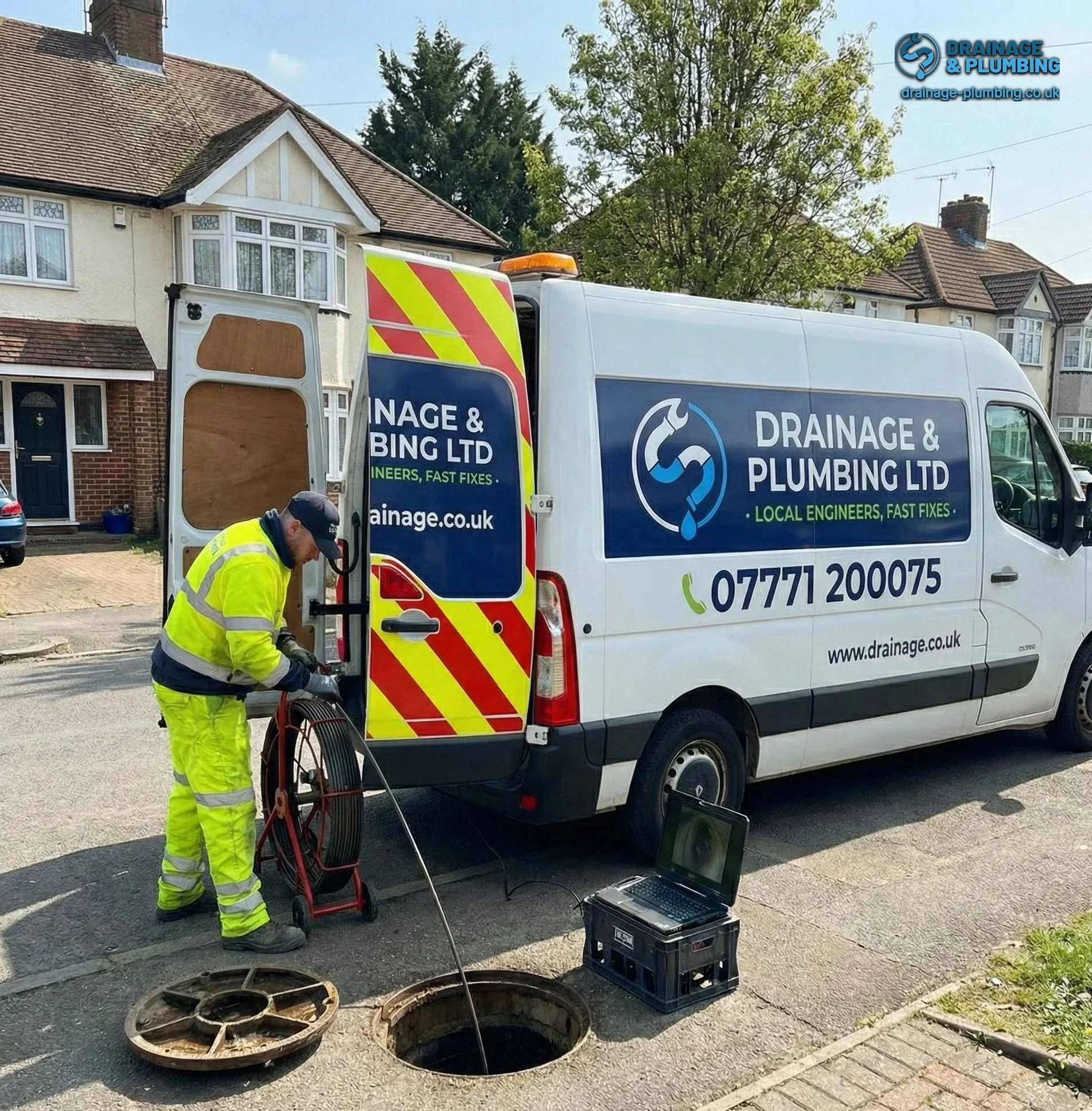
Rather than guessing, work through this checklist against your own property. It covers the questions we ask on every job we carry out across South East England.
Match Your Schedule to Your Property Type
- Standard residential home: book a professional drain clean every 1-2 years as a baseline, even if nothing seems wrong.
- High-usage kitchen or bathroom drains: large families, heavy cooking with oil, or long hair going down the plughole — clean these every 6-12 months.
- Restaurants and cafés: grease builds up fast, so quarterly or even monthly jetting protects you from a health-code failure as well as a blockage.
- Hair salons: quarterly cleaning keeps hair and chemical residue from forming a solid mat in the pipe.
- Offices and retail units: annual or bi-annual cleaning is usually enough unless there’s a busy breakroom kitchen.
- Homes with mature trees near the sewer line: get the run itself checked alongside your clean, since roots don’t always announce themselves with a smell first.
- Properties with older cast iron or galvanised pipework: rough internal surfaces trap debris faster than modern PVC, so lean toward the shorter end of any range above.
- Any property with a history of blockages: increase frequency and ask for an inspection to rule out a structural cause, such as a displaced joint or partial collapse.
If you already recognise several of these categories, don’t wait for a fixed date to roll around — a clear warning sign should always override the calendar.
Prevention: How to Stretch the Time Between Cleans
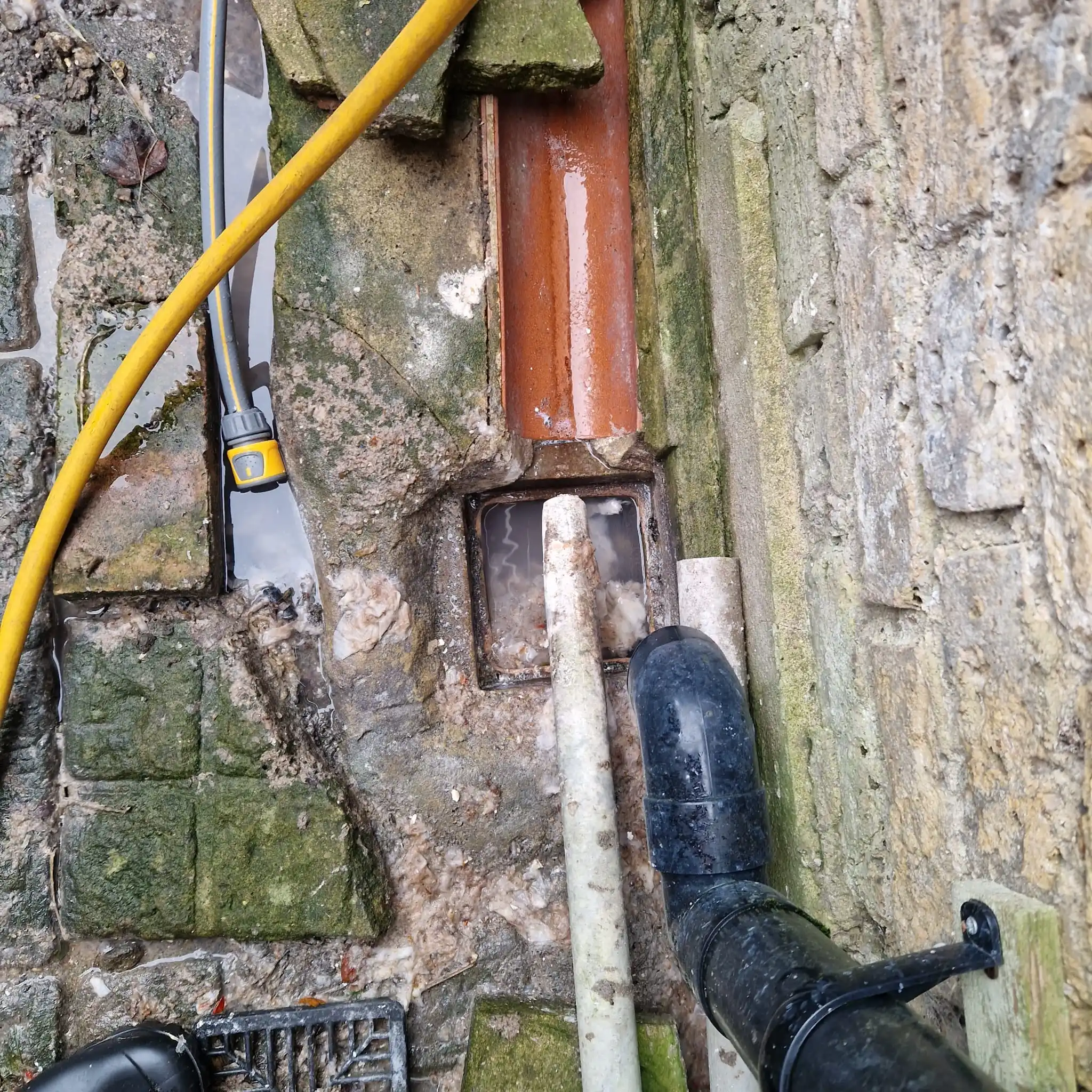
Good habits between visits genuinely change how often drain cleaning needs to happen. None of this is complicated, but it’s easy to let slip when life gets busy.
- Scrape food waste and pour cooled cooking oil into a container for the bin, never down the sink.
- Fit a hair catcher in the shower or bath plughole and empty it weekly.
- Only flush the three Ps — pee, poo, and paper — and never so-called “flushable” wipes.
- Run hot water through kitchen and bathroom drains after use to keep grease and soap scum moving.
- Have the drains looked at before you commit to buying a period property, especially one with mature trees nearby, so you know what you’re taking on.
Chemical drain cleaners might look like a quick fix, but they can corrode pipework over time — particularly in older systems common across South East England’s Victorian and Edwardian housing stock. Professional high-pressure jetting clears the pipe fully without that risk, and it’s worth reading up on drain design standards such as BS EN 752 if you want to understand why proper drainage design matters for long-term pipe health. Water companies and installers also work to standards set out by the Water Regulations Advisory Scheme, which exists specifically to prevent contamination and misuse of the water supply through poor plumbing practice.
When to Stop Waiting and Call a Local Specialist
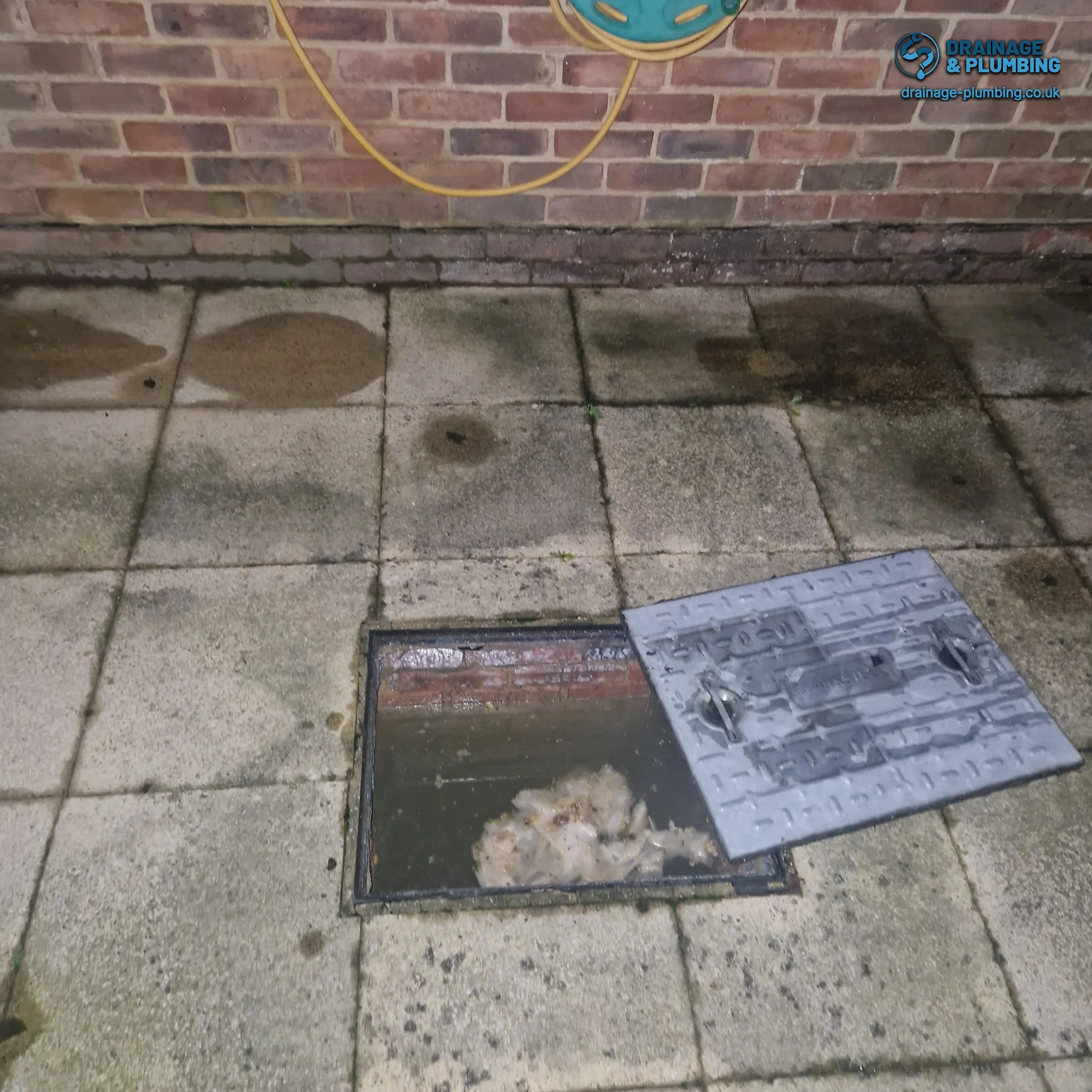
Even with the best routine, some signs mean the schedule needs to be thrown out entirely. Slow-draining water, gurgling from the toilet when you run a tap, a persistent sewage smell, or more than one fixture backing up at once are all signals that a blockage is already forming somewhere in the system — not a future risk, but a current one.
If your council-adopted sewer is affected rather than your private drain, it’s worth knowing your water company has statutory responsibilities under the Water Industry Act 1991, which is a useful reference point when working out who’s liable for a repair. For anything on your own pipework, our team covers Croydon, Sutton, Wallington, Coulsdon, Banstead, Bromley, Mitcham, Epsom, Reigate, Redhill, Leatherhead, Kingston upon Thames, Wimbledon, Richmond, Caterham, Guildford, Crawley and Haywards Heath, with 24-hour emergency drain unblocking available whenever a blockage won’t wait until morning.
Getting the answer to how often drain cleaning should happen right for your specific property is the single best way to avoid an emergency call-out. When in doubt, get an engineer to trace the run and tell you exactly where you stand — it’s far cheaper than a collapsed pipe under the patio.
📞 Call Us Anytime: 07771 200075
📧 Email: support@drainage-plumbing.co.uk
🌐 Visit Our Website
No comments yet. Be the first to leave a review.
Comments are closed for this post.