
By Fred | Drainage Engineer | 17 Years Experience
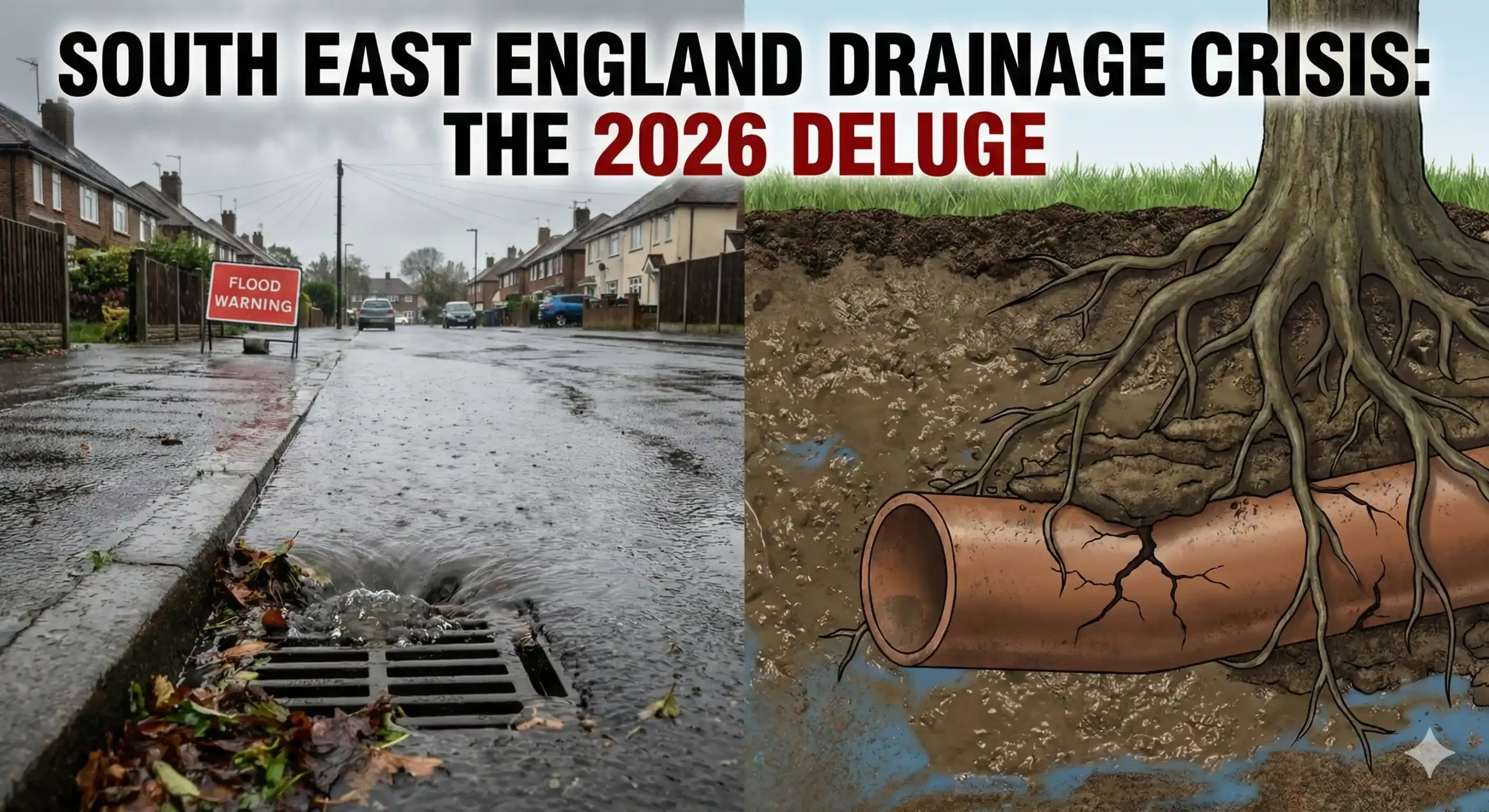
If you live in South East England, you don’t need a weather report to tell you that the start of 2026 has been historic. We are currently living through one of the most relentless periods of wet weather in over a century.
According to recent data, parts of the UK—specifically the South and South West—have endured over 40 consecutive days of rain since the year began. Reading University recently confirmed the longest unbroken spell of rainy days since measurements began in 1908.
But while the news focuses on river flooding and travel disruption, there is a silent crisis happening underground.
As a qualified drainage engineer serving Coulsdon, Wallington, Orpington, Sutton, and Croydon, I am seeing a sharp spike in emergency calls for blocked drains in South East England. The ground is no longer just wet; it is structurally compromised. This article explains exactly why the unique 2026 weather pattern is destroying drains that have functioned perfectly for decades, and what you can do to protect your property.
The “Blocked” Jet Stream: Why 2026 Is Different
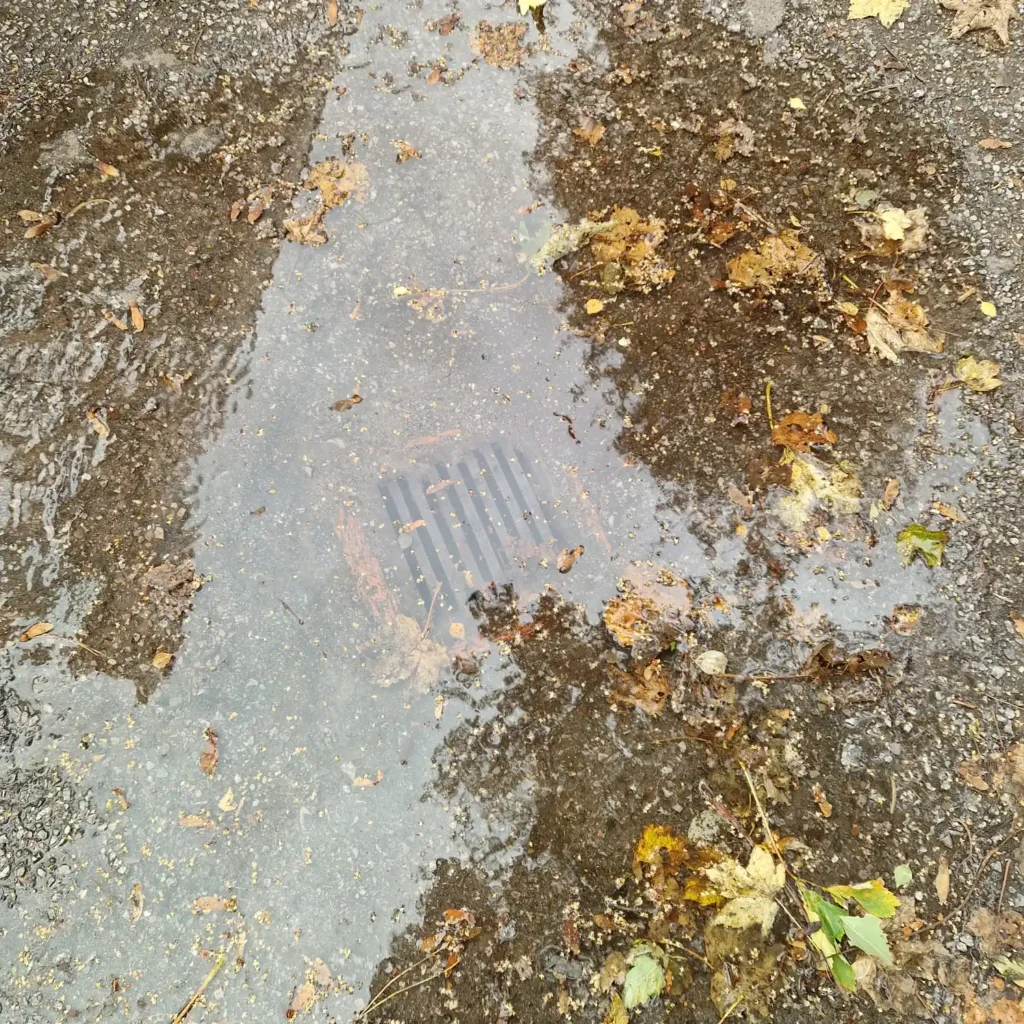
In previous years, we might have had a week of heavy rain followed by a dry spell, allowing the ground to drain. Early 2026 has been different.
Meteorologists have identified a “blocked” weather pattern with a persistent, strong jet stream. This has steered multiple low-pressure systems directly at the UK with no end in sight. The result is complete ground saturation.
When the soil around your home is this saturated for over 40 days, two major physical changes occur underground:
- Hydrostatic Pressure: The weight of the water-logged soil presses against your pipes from the outside.
- Soil Shift: As the ground turns to slurry, it moves. This movement shears pipes, cracks joints, and crushes inspection chambers.
Real Experience: What We Are Finding Underground
With over 17 years of hands-on experience, I can tell you that the jobs we are attending right now are not just simple “fatbergs” or kitchen blockages. They are structural failures caused by the environment.
Here are three real-world examples from jobs we have attended in the last few weeks across South East England.
1. The Cheam Case Study: Rapid Root Intrusion
Location: Cheam, Sutton The Problem: Overflowing gullies and a flooded patio.
The Cause: We found that a large tree root system had aggressively entered the drainage pipes. While root intrusion is common, the speed of this growth was unique to the 2026 weather pattern. Because the ground has been soft for over a month straight, tree roots can travel through the soil much faster than usual. They are actively seeking the moisture inside the pipes. In this case, the roots had grown through a hairline crack and expanded rapidly, shattering the pipe collar.
The Solution: We used high-pressure water jetting to cut out the bulk of the roots. However, because the pipe was fractured, we had to excavate a small section to install a structural patch liner, effectively creating a “new pipe within a pipe.”
2. The Orpington Case Study: Collapsed Inspection Chamber
Location: Orpington The Problem: Complete blockage of the main line; sewage backing up into the downstairs toilet.
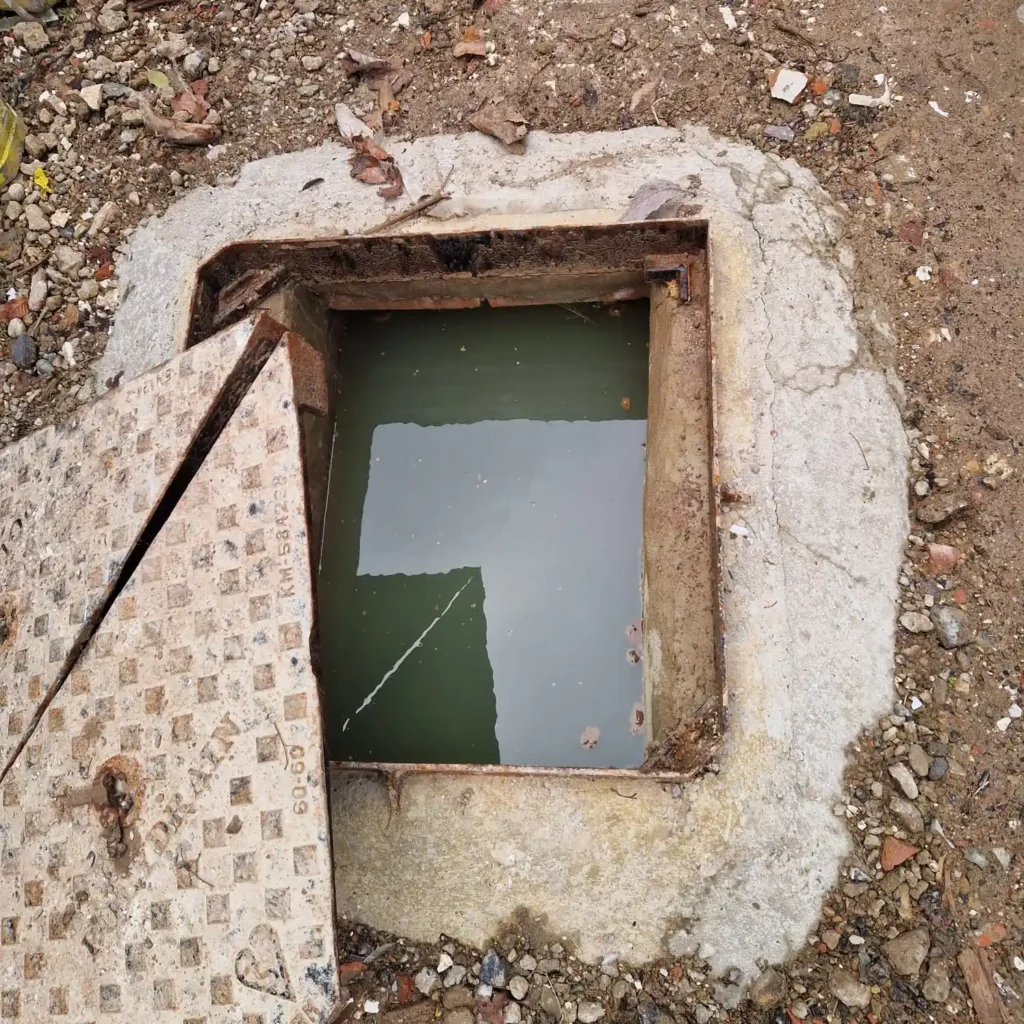
The Cause: This was a direct result of the complete ground saturation mentioned in the news. The soil around the brick inspection chamber had turned to liquid mud. When a delivery van drove over the driveway, the ground couldn’t support the weight. The chamber walls buckled, causing the drain to collapse.
The Solution: This was an emergency excavation. We pumped out the waste, rebuilt the inspection chamber using reinforced materials, and backfilled the area with stable aggregate to prevent future movement.
3. The Multi-Storey Nightmare: A Warning for Flats
Location: Croydon The Problem: Sewage flooding a ground-floor flat.
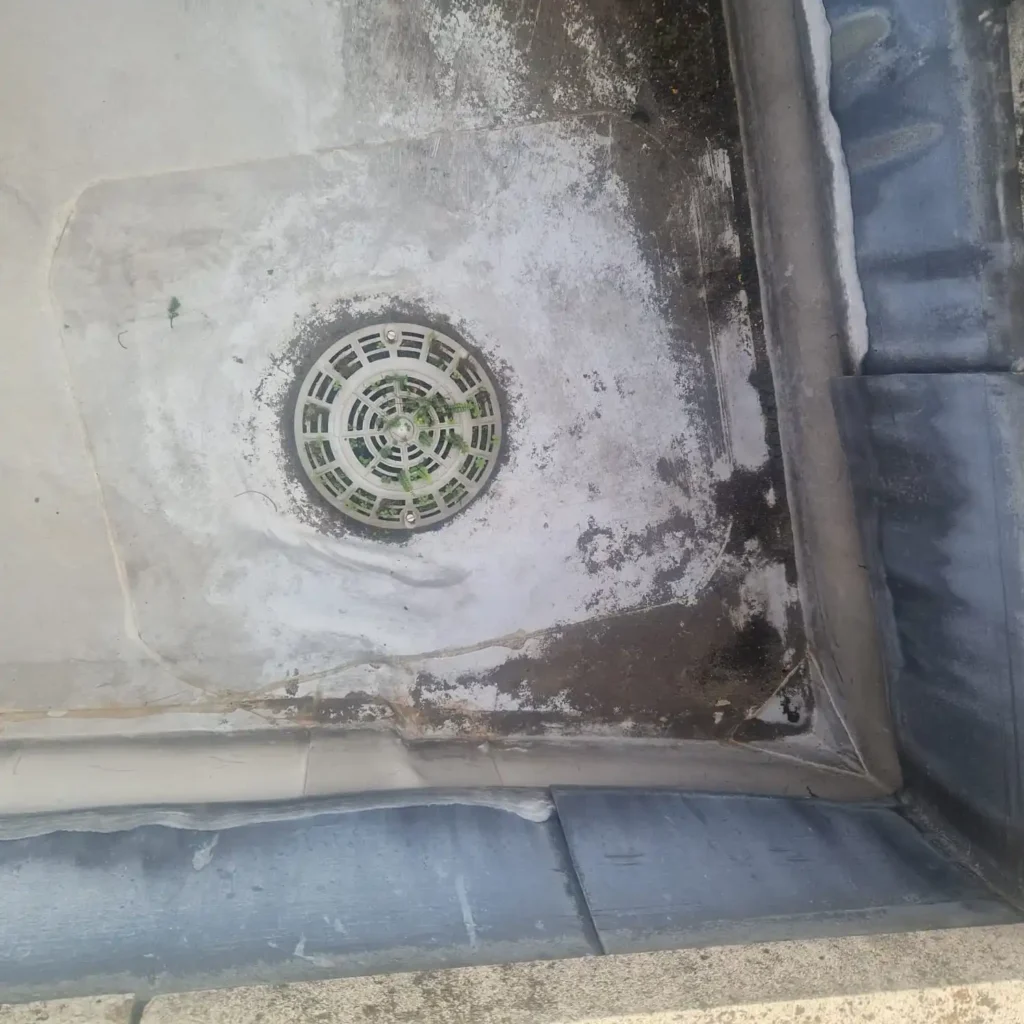
The Cause: In a block of flats, the drainage system is shared. The relentless rain had washed a massive amount of silt, mud, and debris into the main sewer line. Combined with a slight structural defect, this caused a total blockage. Because the tenants on the upper floors kept using water, it all forced its way out into the lowest point—the ground floor flat.
The Solution: We deployed our heavy-duty electromechanical machinery to clear the blockage and fully clean and disinfect the area. This highlights why management companies must perform regular maintenance during these wet months.
Warning Signs: Is Your Drainage System at Risk?
You cannot see underground, but your house will give you clues. If you notice any of the following, do not wait for the rain to stop—call a professional immediately:
- Gurgling Sounds: If your toilet or sink “glugs” after you flush or pull the plug, air is trapped in the line due to a blockage.
- Slow Draining Water: If water rises in the shower or takes forever to leave the sink.
- The “Rotten Egg” Smell: This is sewer gas escaping back into your home because the trap is compromised or the line is full.
- Sinkholes: Small dips or depressions in your lawn or driveway often indicate a collapsed pipe below washing the soil away.
How to Protect Your Home During the 2026 Deluge
While we cannot control the weather, you can control how your property handles it.
1. Keep Surface Drains Clear With the wind and rain we’ve had, leaves and mud are the enemy. Check the metal grids (gullies) around your house weekly. If they are covered in leaves, water cannot escape, and it will flood your walls.
2. Watch Where You Park As seen in the Orpington example, the ground is soft. Avoid parking heavy vehicles on lawn edges or directly over manhole covers if you can avoid it.
3. The Golden Rule: CCTV Surveys The most cost-effective way to avoid a disaster is a CCTV Drain Survey. We insert a high-tech camera into your drains to spot cracks, roots, or displaced joints before they collapse. Finding a crack now might cost £150 to patch. Waiting for it to collapse could cost thousands in excavation.
Conclusion: Don’t Let the Rain Win
The weather records set in early 2026 are not just statistics; they are a stress test for every property in the UK.
Your drains are working harder than they ever have before. If you have an older property in Coulsdon, Wallington, Orpington, Sutton, or Croydon, your clay pipes are under immense pressure.
Experience matters. We don’t just unblock drains; we understand the geology and the architecture of South East England. We provide honest, fast, and permanent solutions.
Need Help Today?
If you are worried about the impact of this heavy rain on your property, or if you have a blockage that needs clearing fast, contact us today.
Drainage & Plumbing Ltd 📞 07771 200075 Serving South East England with Pride & Professionalism.
Sources:
- BBC News Report, February 2026 – “Reading University records longest unbroken spell of rainy days since 1908.”
- Met Office Data, 2026 – “Wettest January on record for Northern Ireland; Top 10 wettest for UK.”