
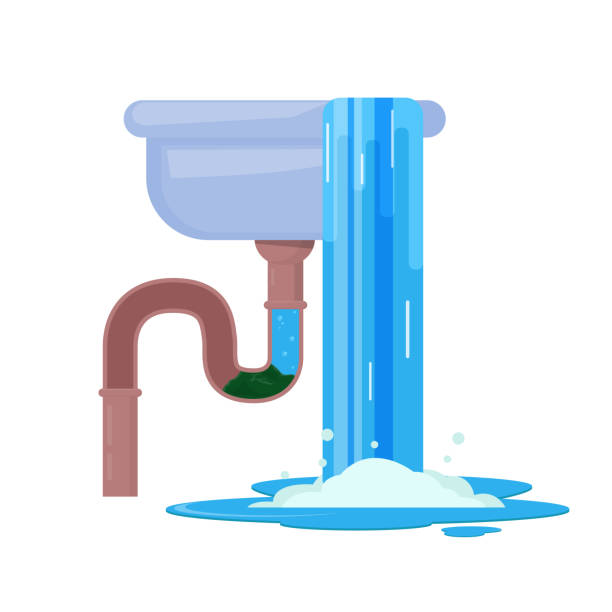
Blocked drains are one of the most common issues homeowners face across the UK. At first, the signs are often subtle — water draining a little slower than usual, faint odours coming from plugholes, or occasional gurgling sounds. However, when left untreated, these early warning signs can quickly develop into overflowing sinks, backed-up toilets, water damage, and expensive repairs.
From years of hands-on drainage work across South East England, we know that most serious blockages don’t happen overnight. They build up gradually, often due to everyday habits combined with hidden issues inside the pipework. Understanding the most common causes of blocked drains is the first step towards preventing them and protecting your home.
Common Household Causes of Blocked Drains
In most cases, drain blockages start inside the home. What goes down your sinks, showers, and toilets every day plays a huge role in how well your drainage system performs over time.
A Note on Our Services: We are dedicated Drainage Specialists, not general plumbers. By focusing exclusively on drains (rather than taps or boilers), we carry the heavy-duty industrial equipment needed to clear major blockages that standard plumbers often cannot fix.
1. Hair Build-Up in Bathrooms
Hair is one of the leading causes of blocked bathroom drains. Showering, shaving, and regular grooming all contribute to loose hair entering the drain. Over time, hair binds with soap residue, grease, and dirt, forming dense clumps that restrict water flow.
Once these clogs form, they act like a net, trapping even more debris. Simple measures such as installing drain covers can significantly reduce the risk, but established hair blockages usually require professional removal.
2. Fats, Oils, and Grease (FOG) in Kitchen Sinks
Fats, oils, and grease are responsible for a large percentage of kitchen drain blockages. Although liquid when hot, grease cools rapidly inside pipework and sticks to the internal walls of the drain. As food particles pass through, they attach to this layer, gradually creating thick, stubborn obstructions.
Pouring grease down the sink is one of the most damaging habits for household plumbing. The safest option is to allow grease to cool and dispose of it in general waste.
In many cases, these issues eventually require professional help, which is why homeowners often turn to experienced specialists for blocked drain unblocking services before the problem escalates.
3. Food Waste and Starchy Materials
Even homes with waste disposal units are not immune to blockages. Items such as rice, pasta, coffee grounds, potato peelings, and fibrous vegetables absorb water and expand, forming heavy masses inside pipes.
When combined with grease, these materials can cause severe restrictions and recurring blockages. Scraping plates into the bin before washing remains one of the most effective preventative habits.
4. “Flushable” Wipes and Hygiene Products
Despite their label, most “flushable” wipes do not break down like toilet paper. Instead, they remain intact inside the drainage system, where they tangle together and collect other debris.
Similarly, sanitary products, cotton buds, dental floss, and paper towels should never be flushed. These materials are a major cause of toilet blockages and often require specialist equipment to remove safely.
5. Soap Scum and Hard Water Residue
In hard water areas, soap reacts with minerals such as calcium and magnesium, forming a sticky residue known as soap scum. This residue builds up on pipe walls, reducing flow and encouraging further debris to stick.
Over time, this can significantly narrow pipes and accelerate blockage formation, especially in bathrooms.
6. Foreign Objects in Drains
Accidental blockages often occur when small objects fall into drains or are flushed unintentionally. Children’s toys, jewellery, bottle caps, and household items can lodge inside pipe bends and create immediate obstructions.
In these cases, professional intervention is usually required to avoid pipe damage.
7. Mineral Build-Up and Limescale
Limescale develops gradually in areas with hard water. As minerals accumulate inside pipes, they reduce internal diameter and create rough surfaces that trap grease and debris.
This slow build-up often goes unnoticed until repeated blockages or reduced water flow become a regular problem.
External and Structural Causes of Drain Blockages
Not all drainage problems start inside the home. External factors and structural defects can also play a major role.
1. Tree Root Ingress
Tree roots are naturally drawn to moisture. Even a small crack or joint in an underground drain can allow roots to enter. Once inside, they grow rapidly, forming dense blockages that restrict flow and may eventually break the pipe.
Recurring blockages, foul smells, and gurgling sounds are common warning signs of root intrusion.
2. Broken, Cracked, or Collapsed Pipes
Older drainage systems are especially vulnerable to damage caused by ground movement, age, or heavy loads above ground. Cracked or collapsed pipes prevent wastewater from flowing correctly and can lead to sewage backing up into the property.
CCTV drain surveys are often required to identify these issues accurately.
3. Sagging (Bellied) Pipework
If a pipe sags due to poor installation or ground settlement, waste collects in the low point rather than flowing away. These “bellies” cause persistent blockages that return even after clearing, unless the structural issue is resolved.
When grease-related blockages keep returning, a professional drain jetting service is often the most effective long-term solution.
4. Heavy Rain and Overloaded Drainage Systems
During periods of heavy rainfall, external drains and public sewers can become overwhelmed. This may force debris and wastewater back towards properties, particularly if surface drains are already partially blocked.
Why Ignoring Blocked Drains Is Risky
Blocked drains are more than just an inconvenience. Left untreated, they can lead to:
- Persistent foul odours
- Slow drainage and repeated backups
- Water damage to floors and walls
- Mould growth and hygiene risks
- Costly repairs and pipe replacements
Early intervention is always cheaper and less disruptive than dealing with long-term damage.
Simple Ways to Prevent Drain Blockages
While no system is immune, good habits can significantly reduce the risk:
- Use drain covers in sinks and showers
- Dispose of grease and oils in the bin
- Scrape food waste off plates before washing
- Only flush toilet paper, waste, and water
- Flush drains occasionally with hot (not boiling) water
- Avoid harsh chemical cleaners that damage pipes
When Professional Drainage Help Is Needed
Some drainage problems cannot be resolved with DIY methods alone. If you notice recurring blockages, multiple slow-draining fixtures, bad smells, or unusual noises, it’s time to seek professional help.
At Drainage & Plumbing LTD, we provide reliable drainage services across South East England within a 25-mile radius of Croydon. Our engineers are available 24/7 and use professional equipment such as high-pressure water jetting and CCTV drain surveys to diagnose and resolve problems properly — not just temporarily.
For wider guidance on sewer responsibilities and drainage ownership in the UK, homeowners can also refer to information provided by Thames Water.
Our Drainage Services Include:
- Drain and toilet unblocking
- High-pressure drain jetting
- CCTV drain inspections
- Pipe repairs and replacements
- Fat, grease, and scale removal
- Emergency drainage call-outs
We proudly serve areas including Croydon, Sutton, Wallington, Coulsdon, Banstead, Bromley, Mitcham, Epsom, Reigate, Redhill, Leatherhead, Kingston upon Thames, Wimbledon, Richmond, Caterham, Guildford, Crawley, and Haywards Heath.
Conclusion
Blocked drains in UK homes usually develop due to everyday habits combined with ageing or damaged pipework. By understanding the common causes — from hair and grease to tree roots and broken drains — homeowners can take early action and prevent serious issues.
When problems persist or worsen, professional drainage support is essential. With experienced engineers, modern equipment, and rapid response times, Drainage & Plumbing LTD is here to help keep your drainage system flowing properly.
Blocked drains rarely fix themselves. If you’re noticing slow drainage, bad smells, or recurring blockages, it’s best to have the issue checked properly before it leads to damage or costly repairs.
Get Professional Drainage Help
24/7 emergency response · Local engineers · Fixed pricing
One Response