
A blocked drain is more than a minor nuisance; it is a disruption to your home’s hygiene and your daily routine. If you are dealing with a slow-clearing sink, a gurgling toilet, or a persistent smell near your plugholes, these are rarely isolated incidents.
In Esher, these symptoms are often the first sign of a deeper structural or environmental issue within the drainage system. Because the Epsom area features a unique mix of period properties, mature gardens, and heavy Surrey clay, drainage problems here require a specialized, localized approach.
This guide explains why drains in Esher keep blocking and what actually works to resolve them for the long term.
5 Common Reasons Your Esher Drains Keep Blocking
If you’ve tried the plunger and the problem keeps returning, one of these five factors is likely the culprit beneath the surface.
1. Tree Root Ingress (The “Leafy Esher” Factor)
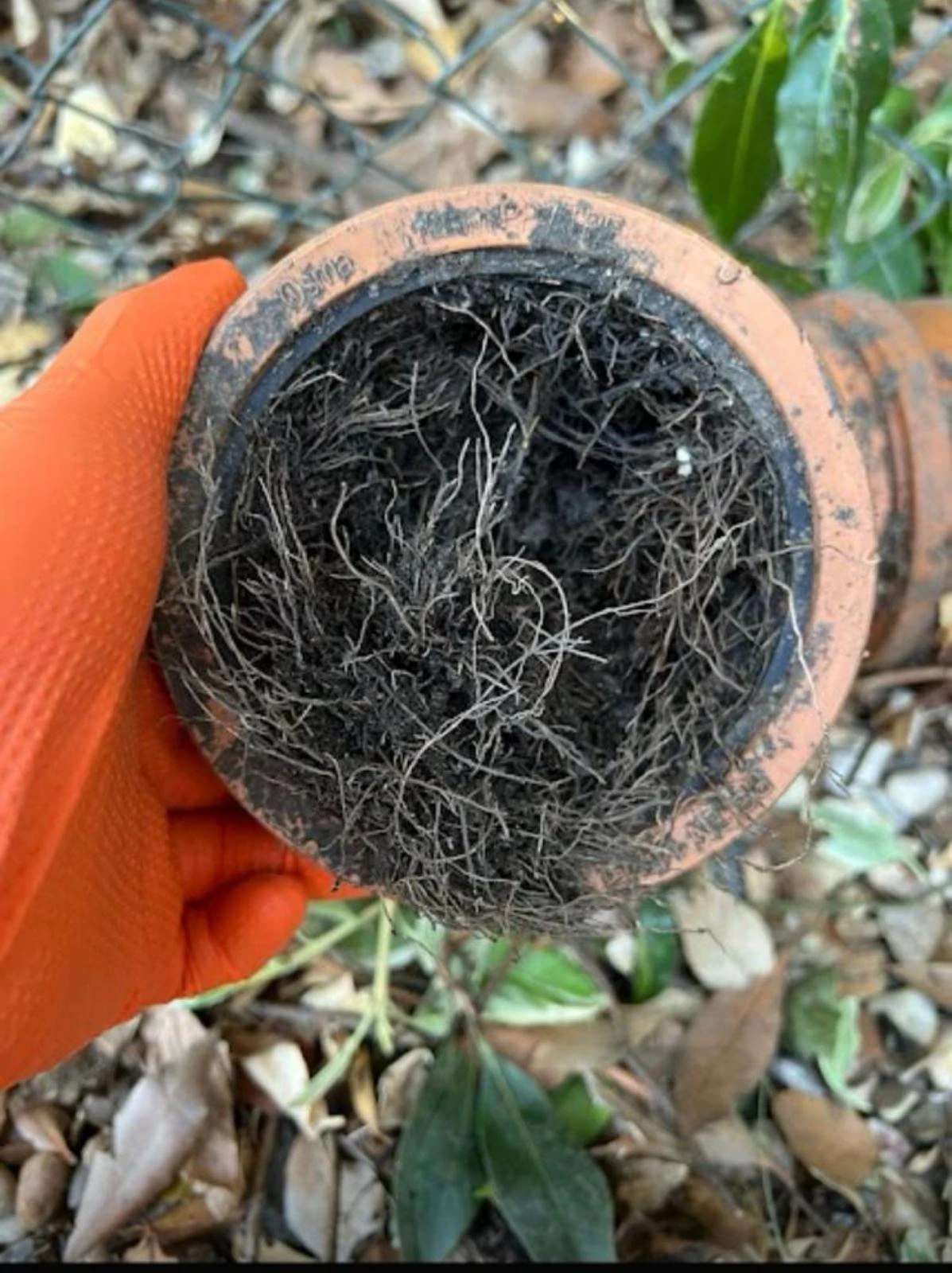
Esher is famous for its mature trees and leafy streets. However, those expansive root systems are constantly searching for moisture and nutrients. Even a hairline crack in an old drainage pipe is an invitation.
Once inside, roots grow rapidly, creating a dense “web” that traps waste and paper. These cause stubborn, recurring blockages that no chemical cleaner can dissolve.
2. Ageing Clay Pipes in Period Homes
Many homes near Esher High Street, West End, and Claygate still rely on original Victorian or Edwardian clay pipes. Over time, ground movement causes these pipes to crack or the joints to pull apart.
This creates a jagged “lip” inside the pipe where debris catches. What begins as a minor snag eventually leads to a complete, slow-building blockage.
3. The “Fatberg” Reality
Kitchen drains are the most frequent source of “soft” blockages. When fats, oils, and grease (FOG) are poured down the sink, they appear to wash away with hot water.
However, they rapidly cool and solidify once they hit the underground pipes. This creates a waxy buildup that narrows the pipe’s diameter until even a small amount of food waste triggers a total backup.
4. Deteriorating Pitch Fibre Pipes
Common in Esher properties built during the 1960s and 70s, pitch fibre pipes were made from wood pulp and coal tar. These pipes have a finite lifespan and are prone to “delaminating” or becoming squashed by the weight of the soil. When this happens, the pipe loses its circular shape, making blockages frequent and mechanical clearing difficult.
5. The “Flushable” Wipe Myth
Despite modern packaging claims, most wet wipes do not break down like toilet paper. In older drainage systems with rougher internal surfaces, these wipes snag easily. They act as an anchor for other waste, forming solid masses that usually require professional high-pressure equipment to clear.
Esher Drainage Problems: Local Factors Most Homeowners Overlook
Esher has several local characteristics that make drainage problems more common than many nearby towns. One key issue is the heavy Surrey clay soil found throughout the KT10 area. This soil expands when wet and contracts during dry periods, which places constant pressure on underground pipework. Over time, this movement causes joints to shift and older pipes to crack, allowing roots and debris to enter.
In addition, many Esher properties sit on large plots with mature trees close to the house. While these gardens add value, the root systems often grow directly toward drainage lines, especially older clay or pitch fibre pipes. This is one reason repeated blockages are more common in Esher than in newer developments.
Another overlooked factor is the layout of period homes in areas near Esher High Street and Claygate. These properties often have long, shallow drain runs with limited access points. As a result, small restrictions can build up unnoticed until a sudden blockage occurs.
Because of these local conditions, drainage issues in Esher are rarely caused by a single mistake inside the home. Instead, they develop gradually due to soil movement, ageing infrastructure, and environmental pressure below ground.
Why Professional Diagnosis Matters in Esher
In an area like Esher—where soil movement, ageing infrastructure, and expansive root systems overlap—recurring blockages are rarely solved with surface-level fixes.
Identifying whether the issue is structural (a collapsed pipe), environmental (root ingress), or usage-related (fat buildup) is the difference between a temporary clearance and a permanent solution. Professional diagnostics ensure you aren’t wasting money on “quick fixes” that ignore the root cause of the problem.
Professional Solutions for a Permanent Fix
Modern drainage work focuses on restoring the pipe’s structural health and internal diameter, rather than just “poking a hole” through the obstruction.
- Targeted Drain Inspections: Using specialized waterproof cameras to see the exact cause of the block. This is essential for diagnosing recurring issues or checking for root damage before it leads to a pipe collapse.
- High-Pressure Water Jetting: This process scours the internal pipe walls clean using water at pressures exceeding 3,000 PSI. It is the most effective way to strip away years of grease, scale, and hardened fat.
- No-Dig Pipe Relining: If a pipe is cracked or leaking, it can often be repaired without the need for disruptive digging. A new, resin-hardened “pipe” is inserted into the old one, creating a seamless, root-proof seal.
Professional drainage work focuses on restoring the pipe’s structural health rather than applying temporary fixes. Our professional drainage services are designed to resolve recurring blockages and protect pipework long term.
Early Warning Signs You Should Never Ignore
Early intervention is the key to preventing a costly drainage emergency. You should seek expert advice if you notice:
- Slow Drainage: Water taking longer than usual to clear from the bath, shower, or kitchen sink.
- The “Gurgle”: Unusual bubbling sounds coming from the pipes or drains after you flush the toilet.
- Unpleasant Odours: A persistent “sewage” or “rotten egg” smell around external drains or internal plugholes.
- Rising Water Levels: The toilet bowl filling higher than normal before slowly receding after a flush.
In some cases, responsibility may fall outside the property boundary. You can check Thames Water guidance on drainage responsibility to understand how shared and public sewers are managed.
When to Act
If slow drainage, gurgling, or odours persist, it is usually a sign that a significant problem is developing below the surface. Left untreated, minor restrictions can progress into complete blockages that disrupt daily life and, in some cases, cause serious property damage.
Addressing the issue early can prevent internal flooding, structural pipe failure, and avoidable repair costs. Seeking professional guidance is the safest way to ensure your home remains protected and your drainage system continues to function reliably.
Frequently Asked Questions About Blocked Drains in Esher
Why do blocked drains keep coming back in Esher homes?
In Esher, recurring blockages are usually linked to underlying structural or environmental issues rather than everyday usage. Heavy clay soil in the KT10 area can cause pipe movement, while mature tree roots often enter older drainage systems through small cracks. Without addressing the root cause, blockages are likely to return.
Are tree roots a common cause of blocked drains in Esher?
Yes. Esher’s leafy streets and large gardens mean tree root ingress is one of the most common drainage problems locally. Roots are drawn to moisture inside pipes and can quickly form dense blockages that cannot be cleared permanently without professional equipment.
Do older Esher properties still have clay or pitch fibre pipes?
Many homes near Esher High Street, Claygate, and surrounding areas still rely on ageing clay or pitch fibre pipework. These materials deteriorate over time and are prone to cracking, joint displacement, or collapse, all of which increase the risk of repeated blockages.
Can blocked drains in Esher be fixed without digging?
In many cases, yes. Modern no-dig solutions such as high-pressure water jetting and pipe relining allow damaged or cracked pipes to be repaired internally. This avoids disruptive excavation while restoring full flow and structural integrity.
When should I contact a professional for a blocked drain in Esher?
If you notice slow drainage, gurgling sounds, unpleasant odours, or repeated blockages, it is best to seek professional advice early. Acting quickly can prevent a minor restriction from developing into a full blockage or pipe failure.
Who is responsible for drains and sewers in Esher?
Responsibility depends on whether the drain serves a single property or multiple properties. Private drains are usually the homeowner’s responsibility, while shared or public sewers may fall under Thames Water. Checking responsibility early can save time and unnecessary costs.
With rapid response times, transparent pricing, and 24/7 support, we’re the name Esher trusts for blocked drain emergencies and long-term solutions. Don’t wait for a minor issue to become a major headache—contact us today and get your drains flowing again.
One Response