
Drain Unblocking Near Me: Affordable Drain Clearance in South London
Blocked drains are something most people don’t think about until they become impossible to ignore. Usually, it starts small. The sink takes a bit longer to empty. There’s a slight smell that comes and goes. Sometimes the pipes make a strange gurgling noise when water runs through them.
On their own, these signs don’t seem serious. However, in most cases, they’re the early warning signs of a developing blockage. That’s why finding affordable drain clearance near you in South London early on often saves a lot of stress later.
South London properties vary a lot. Some are older Victorian houses with original pipework. Others are modern flats with tighter drainage systems. Because of that, drainage problems don’t behave the same everywhere. This page explains why blockages happen, what to look out for, and when clearing a drain early makes the most sense.
Common Signs Your Drains Need Clearing
Drainage issues rarely appear overnight. Most of the time, they build up slowly. The problem is that those early signs are easy to ignore.
Things to watch for include:
- Water draining slowly from sinks, baths, or showers
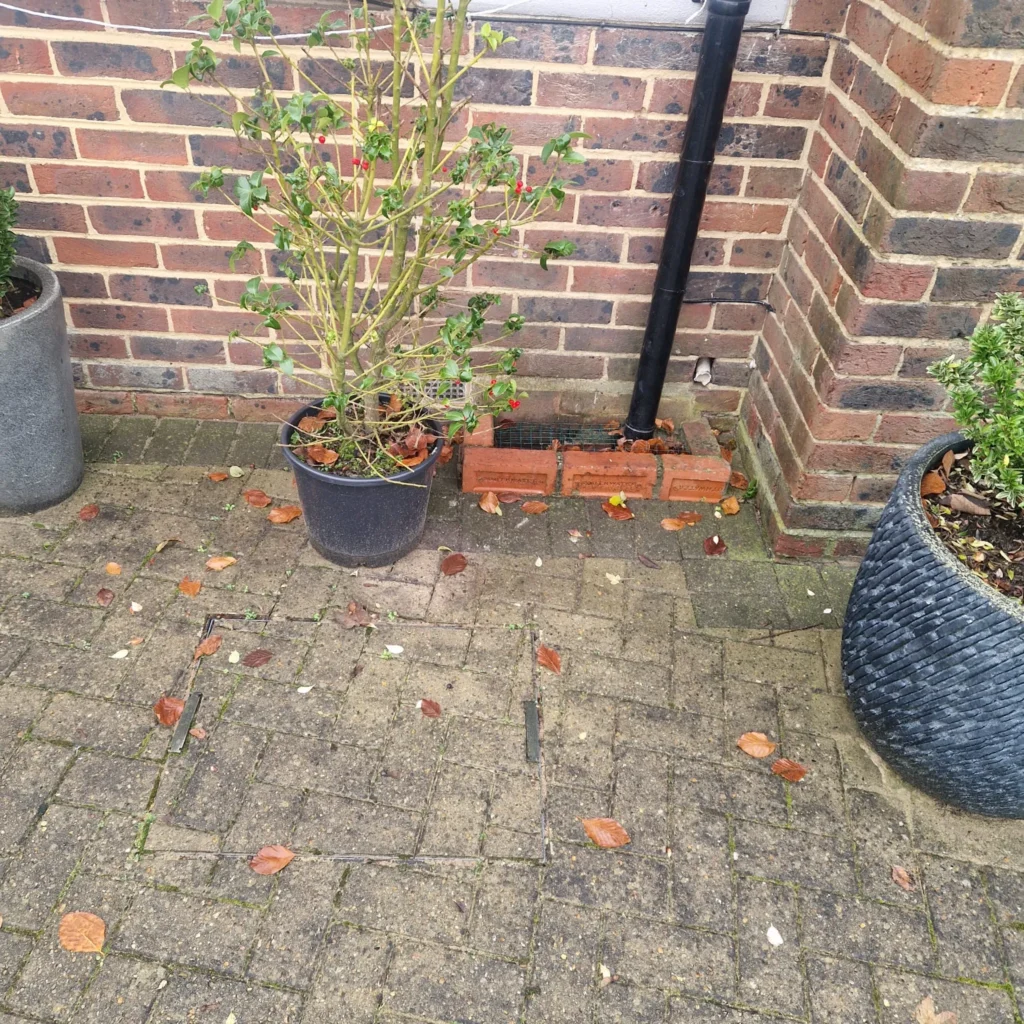
- Unpleasant smells near plugholes or outside drains
- Gurgling sounds when taps are running or toilets are flushed
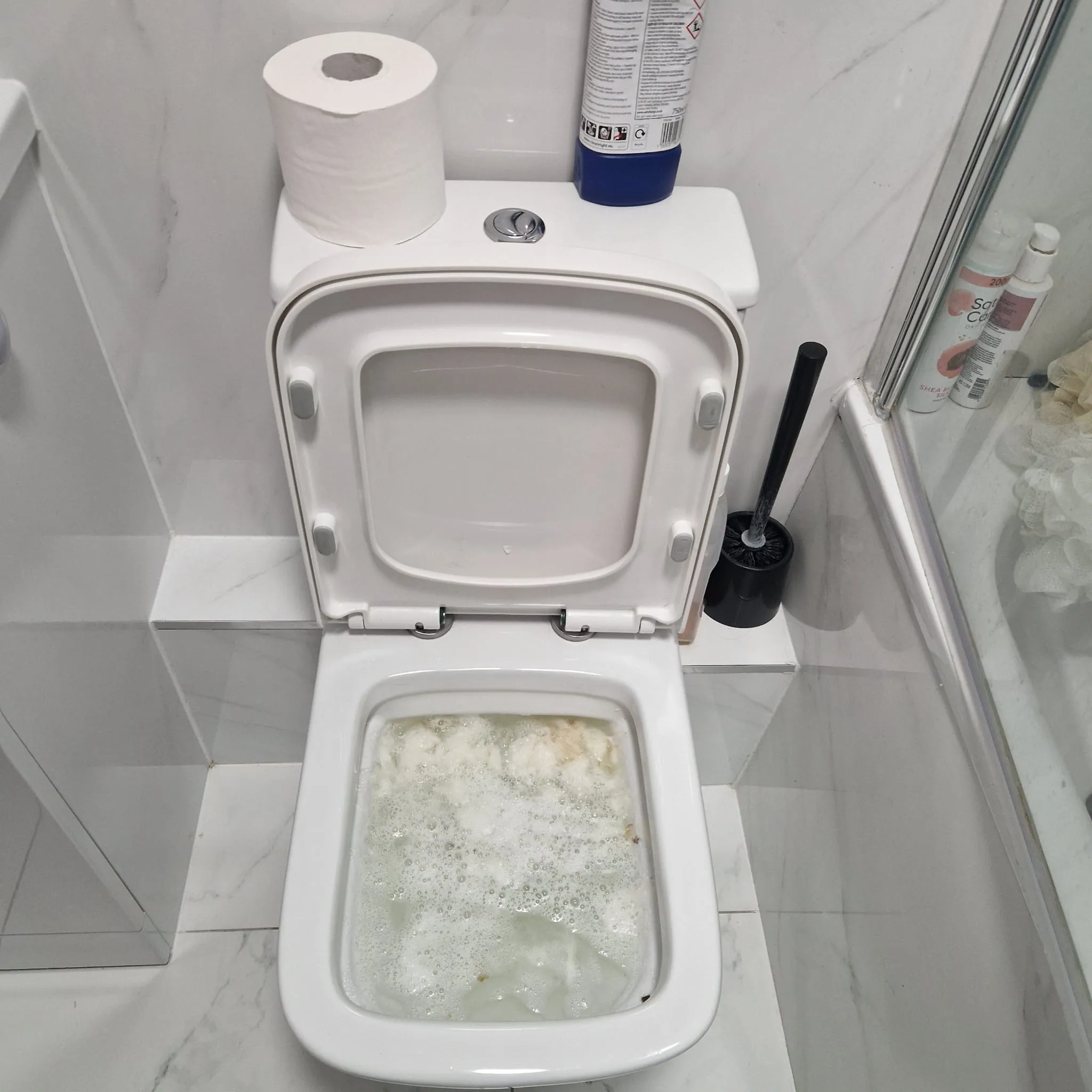
- Toilet water rising higher than usual before draining away
If more than one of these is happening, it usually means the blockage isn’t just at the surface.In many cases, early action and professional drain unblocking services help prevent small drainage issues from turning into costly repairs.
Why Blocked Drains Are So Common in South London
South London has a mix of old and new drainage systems. In places like Croydon, Sutton, and Bromley, many properties still rely on older clay or cast-iron pipes. Over time, these can shift slightly, crack, or collect debris more easily.
Newer homes have different issues. Pipework is often narrower, and modern water-saving systems don’t always flush waste through as strongly as older ones did. As a result, everyday waste builds up quicker than people expect.
Because of this, blocked drains are common across South London, even in well-maintained properties.
What Usually Causes Drain Blockages
Most blockages come from normal day-to-day use rather than anything dramatic.
In kitchens, fats, oils, and grease are the biggest problem. Even small amounts poured down the sink can cool and harden inside the pipe, slowly narrowing it.
In bathrooms, hair and soap residue stick to the inside of pipes. Over time, this catches more debris and slows the flow.
Toilets often block because items are flushed that shouldn’t be. Wet wipes, sanitary products, and cotton pads don’t break down the way toilet paper does.
Outdoor drains often block after heavy rain, especially when leaves, silt, or garden debris wash into the system.
What Affordable Drain Clearance Really Means
A lot of people worry that calling a drainage professional will be expensive. In reality, most affordable drain clearance near you jobs are about dealing with small problems before they turn into big ones.
When blockages are cleared early:
- The work is quicker
- There’s less mess and disruption
- Pipes are less likely to suffer damage
- Flooding and sewage backups are avoided
Waiting usually makes things more complicated — and more expensive.
For general guidance on who is responsible for drainage maintenance and shared sewer systems, you can refer to information provided by Thames Water.
Areas We Cover Across South London
We carry out drain clearance work across South London and surrounding areas, including:
Croydon, Sutton, Bromley, Wimbledon, Mitcham, Wallington, Coulsdon, Banstead, Epsom, and Kingston upon Thames.
Because drainage layouts differ from street to street, local experience makes a real difference when diagnosing and clearing blockages.Because drainage layouts vary between boroughs, our South London drainage services focus on local knowledge and faster response times.
How Drain Clearance Is Usually Carried Out
Every blockage is different, but the process is generally straightforward.
First, we assess the issue on site and look at what’s causing the blockage. If we need a closer look, we only carry out further inspection when it’s genuinely necessary. We then choose the most suitable clearance method, clear the drain, and test everything to make sure water flows properly again.
In most cases, this can all be done without digging or major disruption.
Reducing the Risk of Future Blockages
Not every drainage problem can be prevented, but small changes help a lot.
For example:
- Avoid pouring fats or oils down the sink
- Use simple strainers in kitchen and bathroom drains
- Run hot water through pipes occasionally
- Arrange professional cleaning if blockages keep returning
These steps don’t take much effort, but they often prevent repeat problems.
Environmentally Responsible Drain Clearance
Modern drain clearance relies more on mechanical and water-based methods rather than harsh chemicals. This is better for older pipework and less harmful to the environment.
Chemical cleaners may seem convenient, but repeated use can weaken pipes over time, especially in older South London properties.
Frequently Asked Questions
How do I know when a drain needs professional clearing?
If water drains slowly, smells don’t go away, or multiple fixtures act up at the same time, you’re likely dealing with a blockage that DIY methods won’t fix.
Is professional drain clearance expensive?
In most cases, no. Early clearance is far cheaper than dealing with flooding or pipe damage later.
Can a blocked drain clear itself?
Very rarely. Symptoms might ease temporarily, but the blockage usually remains and continues to build up.
Are chemical drain cleaners a good solution?
They can offer short-term relief, but they’re not ideal for regular use and can damage pipework over time.
How often should drains be maintained?
Most homes only need occasional attention. Properties with shared or heavily used drains may need more regular checks.
Final Thoughts
Affordable drain clearance isn’t just about emergencies. It’s about noticing the early signs and dealing with them before they turn into bigger problems.
In South London, where drainage systems vary so much, local knowledge and timely action make a real difference.
If you’re unsure whether a blockage needs attention, it’s usually better to deal with it early than wait and hope it goes away.