
By Drainage & Plumbing LTD – Your Local South East Emergency Specialists
URGENT HELP NEEDED? If water is currently spilling onto your floor, stop reading and call immediately. 📞 24/7 Emergency Line: 07771 200075 We cover South London, Surrey, and surrounding areas 24 hours a day.
It always happens at the absolute worst possible moment.
It’s late. The house is finally quiet. The kids are asleep, the dishwasher is humming in the background, and you are ready to rest after a long day. You go to the bathroom one last time, press the flush, and turn to leave.
But then, you hear it.
That unmistakable, terrifying sound of rising water. It’s not the usual “whoosh” of a successful flush; it’s a gurgling, churning noise. You spin around to see the nightmare unfolding right in front of your eyes. The water level in the bowl is rising rapidly. It swirls to the rim, breaches the edge, and within seconds, dirty water is spilling over the porcelain and soaking into your bathroom rug or laminate flooring.
Panic sets in. You grab towels and jiggle the handle. You pray for it to stop.
When your toilet overflows at night
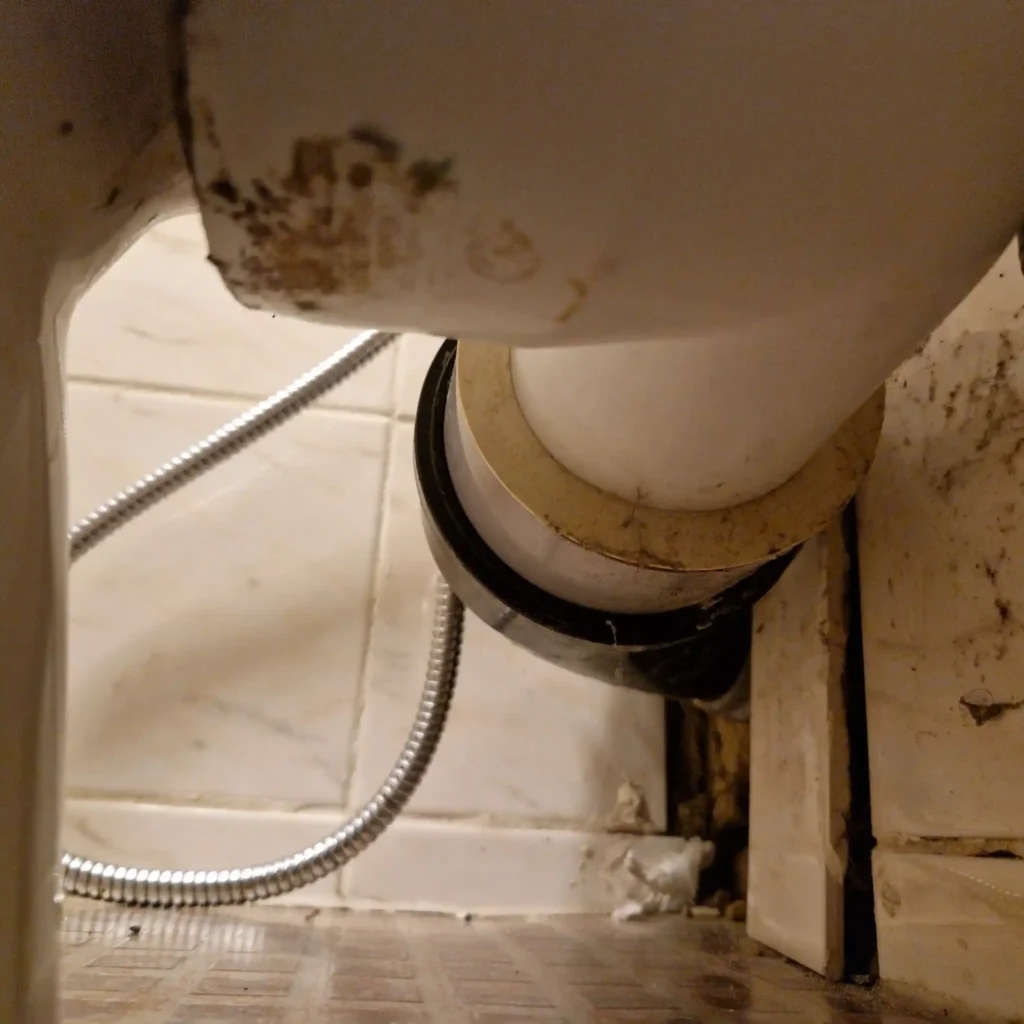
When your toilet overflows at night, it is stressful, messy, and genuinely frightening. However, if your toilet overflows at night and you act quickly, serious damage can often be avoided.
it is stressful, messy, and genuinely frightening. Unlike a dripping tap, an overflowing toilet feels like a catastrophic failure of your home’s hygiene. However, while the situation is urgent, it is manageable if you keep a cool head.
At Drainage & Plumbing LTD, we have attended thousands of emergency drainage callouts across South London and Surrey. We have seen every variation of this night-time disaster, from simple paper clogs in Croydon apartments to complex root intrusions in Epsom family homes.
This comprehensive guide is designed to walk you through exactly what to do—step by step—to limit the damage, protect your family’s health, and get your home back to normal.
👉 What to Do Immediately When Your Toilet Overflows
If the water is still rising or spilling, you have seconds to act. Forget about why it happened—your only priority right now is stopping the flow.
Step 1: Stop the Water Supply (The “Kill Switch”)
A standard UK toilet cistern holds between 6 and 9 litres of water. If the bowl is blocked, that entire volume is trying to enter a space that is already full. You must stop the refill mechanism immediately.
Method A: The Cistern Trick (Fastest)
- Lift the lid off the back of the toilet tank (cistern). Place it carefully on the floor (it is heavy and breaks easily).
- Look inside. You will see a float mechanism—either a plastic ball on an arm or a plastic cylinder cup.
- Gently lift the float upwards. By lifting it, you trick the toilet into thinking the tank is full. The water flow should stop immediately.
- Rig it to stay up if you can, or have a family member hold it while you move to Method B.
Method B: The Isolation Valve
Most modern toilets in the UK are fitted with an “isolation valve” on the water pipe that feeds the cistern.
- Follow the silver or copper pipe coming out of the wall or floor into the toilet tank.
- Look for a small screw-head slot (usually a flathead) or a small lever handle.
- Using a flathead screwdriver (or a butter knife in an emergency), turn the screw quarter of a turn so it is horizontal to the pipe. If it’s a handle, turn it 90 degrees.
- This cuts the water supply to the toilet specifically, allowing the rest of your house to still have water.
AND C: The Mains Stopcock (Nuclear Option) If the isolation valve is seized tight (common in older homes in South London) or you can’t find it:
- Go to your mains stopcock. This is usually found under the kitchen sink, in a hallway cupboard, or sometimes in a downstairs cloakroom.
- Turn it clockwise (righty-tighty) until it stops.
- This shuts off water to the entire house.
Step 2: Protect Your Floors and Electricals
Once the fresh water has stopped flowing, you need to contain the spill.
- Create a Dam: Use old towels, bedsheets, or even clothes to create a barrier around the base of the toilet. This prevents the water from seeping under the skirting boards or into the hallway carpet.
- Electrical Safety: If the water has spread significantly and is nearing electrical sockets or light fixtures (if you are in a flat with a unit below you), turn off the electricity at the consumer unit (fuse box). Water and electricity are a lethal combination.
- Ventilation: Open the window immediately. Sewer gas and backed-up waste produce methane and hydrogen sulphide, which can be harmful in enclosed spaces.
Step 3: Do NOT Flush Again
This is the single most common mistake we see. There is a psychological urge to flush again, hoping the pressure will force the blockage down. Do not do this. Flushing again introduces another 6–9 litres of water into the bowl. Since the exit is blocked, that water has nowhere to go but onto your floor. Even if the water level in the bowl slowly drops after 20 minutes, do not flush to “test” it. You will likely just re-flood the room.
👉 Why Your Toilet Overflowed at Night
Why did this happen at night?
It is rarely a coincidence. In the plumbing world, we call the evening period “Peak Load.” Between 7:00 PM and 11:00 PM, household water usage skyrockets.
- Someone is taking a shower.
- The washing machine is finishing a cycle.
- The dishwasher is draining.
- People are using the toilet before bed.
All this water ends up in the same place: your Main Soil Stack. If there is a partial blockage further down the line (in your garden or under the driveway), the pipe slowly fills up like a bottle. The toilet is often the lowest open point in this system. When the pipe reaches capacity, the water backs up and overflows from the toilet.
The “Big Three” Causes of Night-Time Blockages
1. The “Wet Wipe” Dam Despite what the packaging says, “flushable” wipes are not flushable. Unlike toilet paper, which dissolves in water within seconds, wipes contain plastic fibers that remain intact. They snag on rough joints in the pipework. Over weeks, they catch more wipes, sanitary products, and hair, building a solid dam.
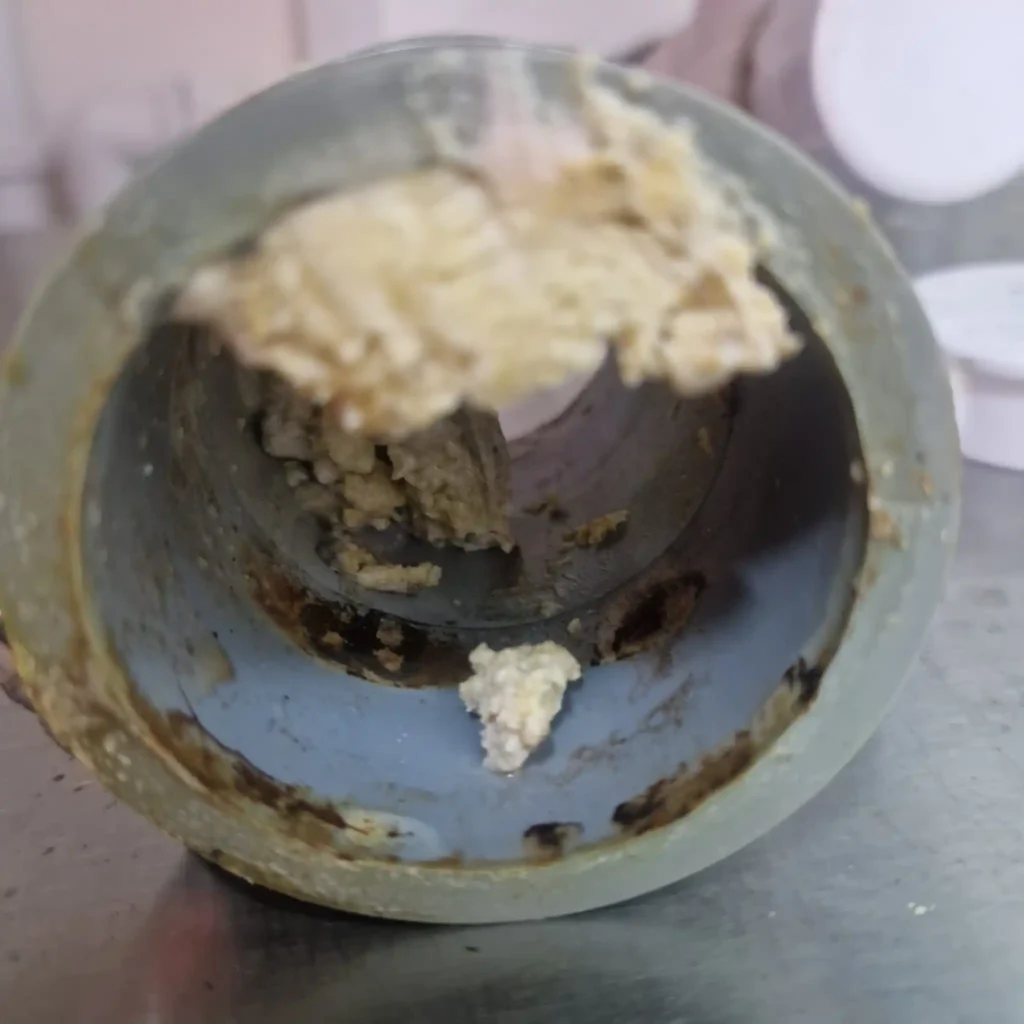
2. The “Fatberg” Effect In Surrey and South London, many kitchen drains feed into the same sewer line as the toilet. If you poured cooking fat down the sink after dinner, it travels down the pipe and cools. As it cools, it solidifies into hard white lumps. If this happens where the toilet pipe joins the main drain, it restricts the flow, causing a backup hours later.
3. Root Intrusion (The Silent Killer) South London and Surrey are leafy, green areas. Large trees (Oak, London Plane, Ash) have aggressive root systems. These roots seek moisture. They can detect tiny hairline cracks in older clay pipes (common in Victorian properties in Croydon and Sutton). The roots grow into the pipe, creating a net that catches toilet paper. This happens slowly over months, until one night, a single flush blocks the system entirely.
👉 Safe DIY Methods to Clear a Blocked Toilet
Before you call our emergency line on 07771 200075, there are a few safe methods you can try if the water has stopped overflowing.
The Correct Way to Plunge
Most people use plungers incorrectly. They push down hard and splash water everywhere.
- Tool: Use a heavy-duty rubber plunger with a flange (a fold-out lip), not a cheap flat sink plunger.
- Technique: Place the plunger over the hole at the bottom of the bowl. Push down gently to get the air out and create a seal. Then, pull UP sharply. The goal is not to push the blockage down, but to use suction to dislodge it and bring it back up or break it apart.
- Reps: Do this 10 to 15 times steadily. If the water drains, great! If not, stop. Forcing it can blow the wax ring seal that connects your toilet to the floor, causing a leak inside your floorboards.
The Hot Water Trick (For Minor Clogs)
If you suspect the blockage is paper or organic matter, heat can help.
- Boil a kettle, but let it cool for 2 minutes (boiling water can crack the ceramic of the toilet bowl).
- Pour the hot water into the bowl from waist height (to create gravity pressure).
- Add a squirt of washing-up liquid. This lubricates the pipe. Note: Do not do this if the water level is already at the rim!
⛔ WHAT TO AVOID (Safety Warning)
1. Do NOT Use Chemical Drain Cleaners In a panic, many homeowners pour sulphuric acid-based cleaners (like One Shot or Buster) into the toilet.
- Why it’s bad: These chemicals generate intense heat. They can melt plastic pipe joints and crack old ceramic pipes.
- The danger to us: If you call us afterwards, our engineer runs the risk of serious chemical burns when they jet or plunge the water. If you have used chemicals, you must tell the engineer upon arrival.
2. Do NOT Use a Wire Coat Hanger This is an old myth. Unraveling a coat hanger and jamming it down the toilet scratches the porcelain permanently (leaving ugly grey marks). Worse, the wire can get stuck in the U-bend, turning a soft blockage into a hard metal obstruction that requires us to remove the toilet entirely to fix.
👉 When to Call an Emergency Drain Engineer
If plunging hasn’t worked after 15 minutes, or if the water is backing up into your shower/bath, you have a Systemic Blockage. This is no longer a DIY job.
You need to call Drainage & Plumbing LTD.
If you need urgent drain unblocking in Bromley, Sutton, or surrounding areas, our local engineers can attend quickly.
Why Professional Emergency Service is Different: When we arrive at your property at 1:00 AM, we don’t just bring a plunger. We bring a van fully equipped with commercial-grade technology.
Another Emergency Callout – Overflowing Toilet in a Family Home(case study)
On another occasion, we received a late-night call from a family whose upstairs toilet had started overflowing shortly after everyone had gone to bed.
At first, they thought it was a simple blockage and tried plunging it themselves. However, within minutes, dirty water began backing up into the bath and sink as well.
When our engineer arrived, we carried out a full inspection of the drainage system and checked the external manhole. It was almost completely full, showing that the blockage was located in the main drain rather than the toilet itself.
Further investigation revealed:
• A build-up of cooking grease from the kitchen
• Paper and wipes trapped in the pipe
• Reduced pipe capacity caused by scale deposits
Using high-pressure jetting, we cleared the obstruction and cleaned the pipe walls thoroughly. Once the system was flushed and tested, all fixtures began draining normally again.
The entire job was completed in under an hour, and the family was able to return to normal use of their bathroom the same night.
Before leaving, we explained what had caused the problem and provided simple advice to help prevent another emergency in the future.
This situation highlights why repeated flushing and DIY methods often make night-time overflows worse instead of better.
1. High-Pressure Water Jetting We use van-mounted jetting units that pump water at 4,000 PSI (Pounds Per Square Inch). To compare, a garden hose is about 40 PSI.
- We insert a hose with a specialized “bomb” nozzle into the drain.
- The rear-facing jets propel the hose forward, scrubbing the pipe walls.
- The forward-facing jet smashes through solid blockages, wipes, and grease.
- This doesn’t just poke a hole in the blockage; it cleans the drain to “as-new” condition.
2. Mechanical Coring (Electromechanical Cleaning) If the blockage is caused by tree roots or hard scale (common in hard water areas like Epsom and Sutton), water isn’t enough. We use a mechanical steel spiral with a cutting head that rotates inside the pipe, physically cutting away roots and scraping off scale without damaging the pipe itself.
3. CCTV Diagnostics Once the water is flowing, we don’t just leave. We can insert a fibre-optic camera to see why it blocked. Was it a collapse? A rat infestation? A dropped toy? We show you the footage so you know the problem is truly solved.
👉 How to Clean Up Safely After a Toilet Overflow
An overflowing toilet involves Black Water (Category 3 Water). This is water that contains fecal matter, urine, and harmful pathogens like E. Coli, Salmonella, and Hepatitis.
Cleanup Protocol:
- Wear Protection: Rubber gloves, old clothes, and ideally a face mask.
- Remove Solids: Use paper towels to pick up any solid waste and bag it immediately.
- Sanitize: Bleach is effective on hard surfaces (tiles, vinyl). Use a 1:10 solution of bleach to water. Let it sit for 10 minutes before wiping.
- Soft Furnishings: If sewage has touched carpet or bath mats, they usually need to be professionally steam cleaned or thrown away. Home washing machines may not reach temperatures high enough to kill all fecal bacteria.
- Wash Yourself: After cleaning, shower immediately and wash your clothes on a hot cycle.
👉 How to Prevent Your Toilet Overflowing Again
This is a common question we get on night calls. “Do I have to pay for this, or does the water board?”
The Rule of Thumb (Post-2011 Legislation):
- Your Responsibility: If the blockage is inside your house, or in the drain that serves only your property (within your boundary), it is your responsibility. You need a private contractor like Drainage & Plumbing LTD.
- Thames Water Responsibility: If the blockage is in a “Lateral Drain” (a pipe that serves your house AND your neighbour’s house) or is located outside your property boundary (under the pavement), it is usually the responsibility of the local water authority (Thames Water or Southern Water).
How we help: If we attend and discover the blockage is in the main sewer line belonging to Thames Water, we can identify this quickly. We can provide you with a technical report to give to them, ensuring they take over the repair. However, for internal toilet overflows, it is almost 99% of the time a private issue requiring immediate private assistance.
Phase 7: Prevention – Stop It Happening Again
Once the panic is over and the floor is dry, you want to ensure this never happens again.
1. The “Three P’s” Rule Only flush Pee, Poo, and Paper. Nothing else. No cotton buds, no dental floss, no wipes, no kitchen roll.
2. Address Hard Water Scale If you live in Surrey (Epsom, Banstead, Reigate), your water is “Hard.” Limescale builds up in pipes just like it does in your kettle. This rough scale catches paper. We recommend a professional “Descaling and Jetting” service once every 18-24 months to keep the bore of the pipe smooth.
3. Regular Manhole Checks Every few months, lift the inspection chamber cover in your garden. If you see water holding at the bottom, or debris floating, a blockage is forming. Call us before it overflows inside the house.
Need Emergency Help Right Now?
If you are reading this while holding a towel against a leaking toilet, do not wait any longer. Drainage issues do not fix themselves; they only get worse as pressure builds.
Drainage & Plumbing LTD is your local, reliable, 24/7 expert team.
- We are Local: Based in the South East, we know the local drainage infrastructure, from the clay pipes of Croydon to the soakaways of Surrey.
- We are Fast: We aim to be with you within 60-90 minutes of your call.
- We are Transparent: We provide fixed pricing. You will know exactly what the cost is before we start work. No scary hidden fees just because it’s midnight.
Contact Us Immediately: 📞 Phone: 07771 200075 📧 Email: support@drainage-plumbing.co.uk 🌐 Web: drainage-plumbing.co.uk
Don’t let a blocked toilet become a flooded home. Call the experts who care.